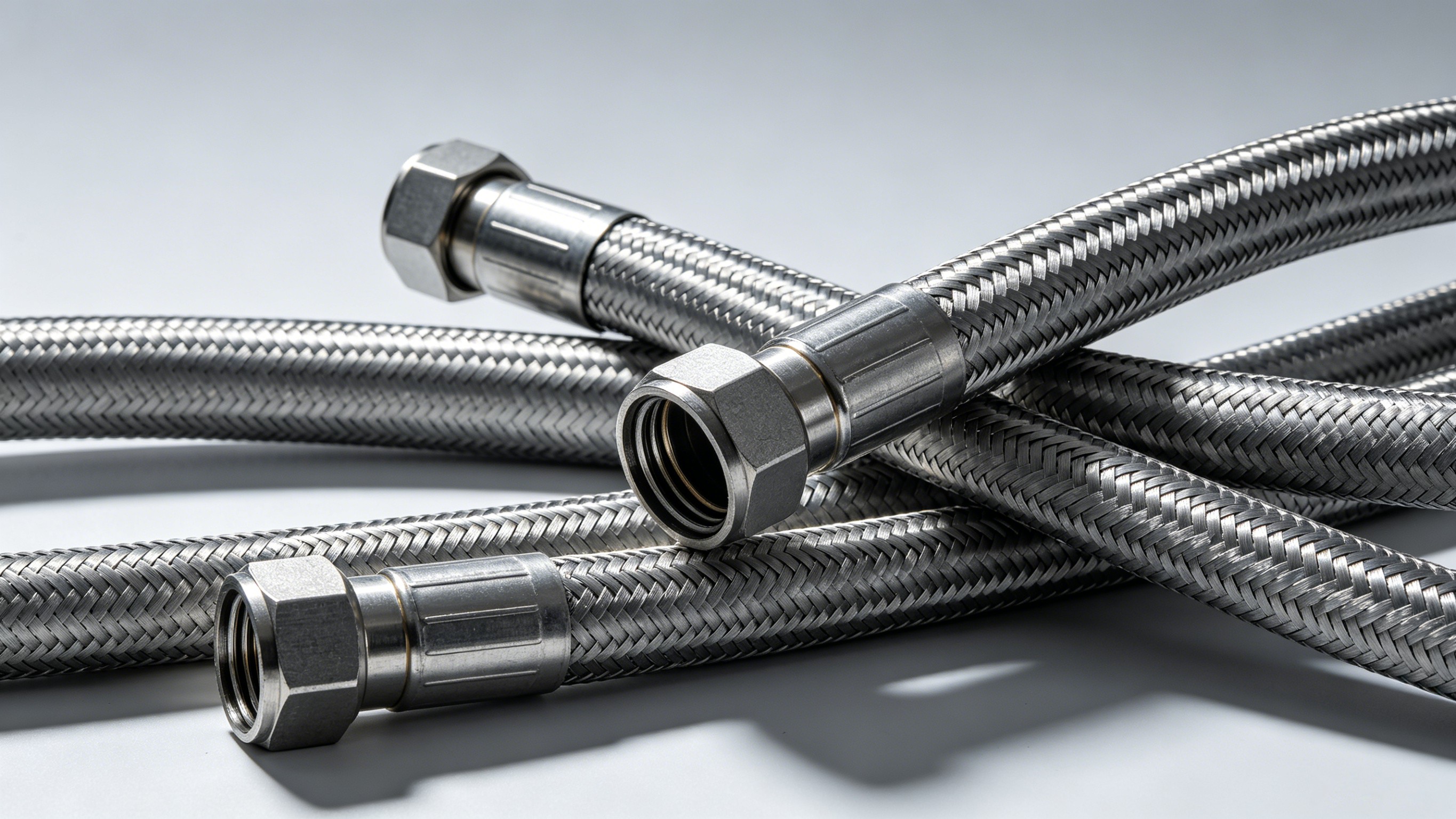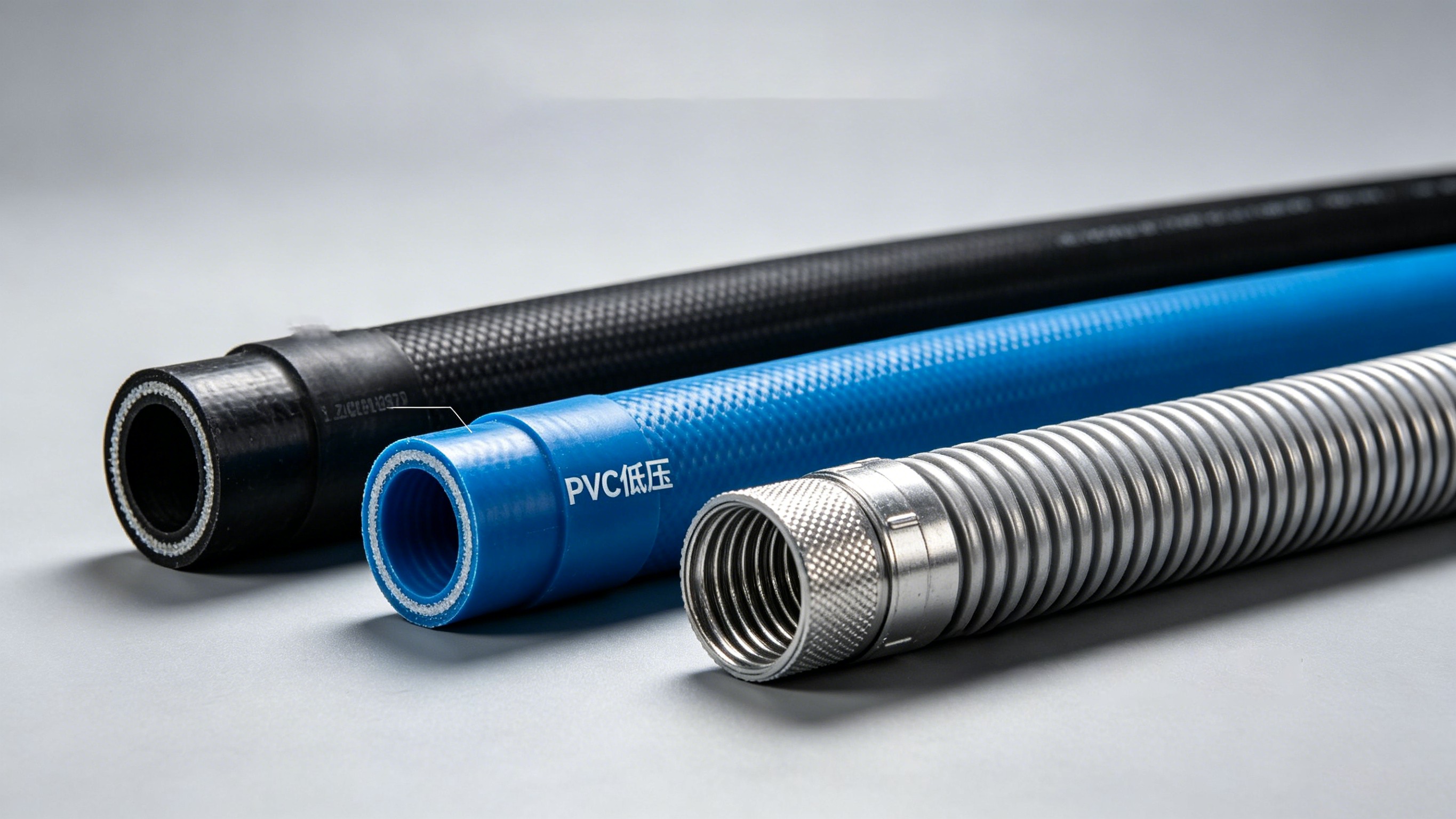
How much do you know about the characteristics of TPV hoses? ✅
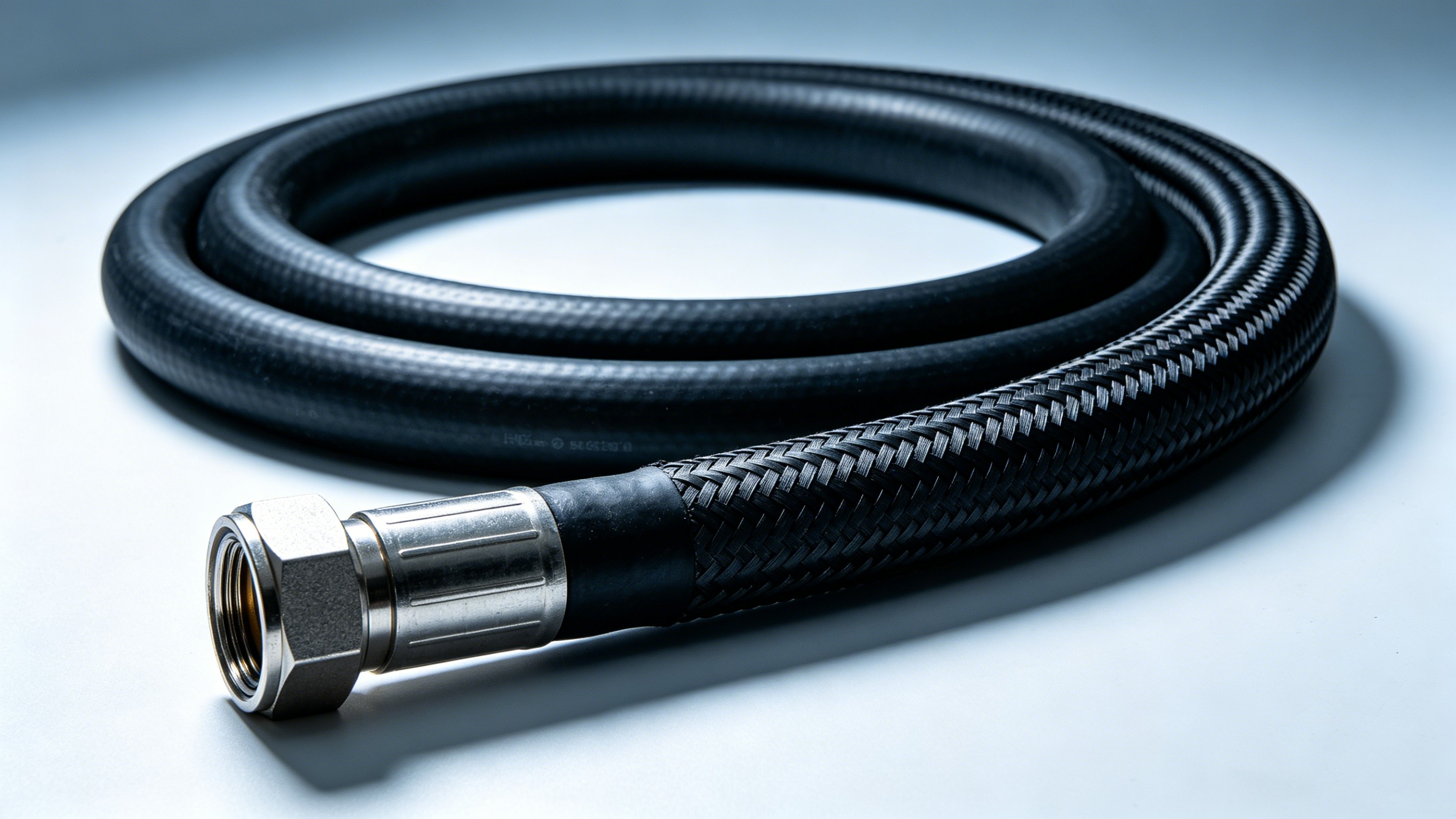
TPV Material: Thermoplastic Vulcanizate Elastomer
Thermoplastic Vulcanizate (TPV) is a high-performance thermoplastic elastomer produced by dynamically vulcanizing a blend of polypropylene (PP) and ethylene propylene diene monomer rubber (EPDM) during melt compounding. During the manufacturing process, crosslinking agents are introduced while intensive shear forces generated by internal mixers and twin-screw extruders fully vulcanize the EPDM phase. The resulting crosslinked EPDM rubber particles, typically less than one micron in size, are uniformly dispersed throughout the PP matrix.
By combining the heat resistance and low compression set of vulcanized rubber with the processing advantages of thermoplastics, TPV successfully delivers an optimal balance of performance and manufacturability.
Key Properties of TPV
In TPV, PP serves as the continuous phase, providing thermoplastic processability, while crosslinked EPDM acts as the dispersed phase, imparting rubber-like elasticity. Thanks to the saturated molecular structure and crosslinked network of EPDM, TPV offers several performance advantages that conventional thermoplastic rubbers (TPR) cannot achieve.
The main characteristics include:
1. Wide Operating Temperature Range
TPV can be used in temperatures ranging from −60°C to 135°C, making it suitable for a broad variety of demanding applications.
2. Broad Hardness Range
TPV is available in hardness grades from 25 Shore A to 65 Shore D, meeting diverse application requirements.
3. Excellent Weatherability and Aging Resistance
TPV exhibits outstanding resistance to weathering, ozone, acids, alkalis, ultraviolet (UV) radiation, and long-term aging. In outdoor environments, TPV products can typically maintain their performance for 5–10 years without cracking, embrittlement, or significant property degradation. In comparison, conventional TPE and TPR materials may crack or become brittle after only 1–3 months of prolonged outdoor UV exposure.
4. Superior Chemical and Oil Resistance
TPV offers environmental resistance comparable to EPDM rubber and oil and solvent resistance similar to chloroprene rubber (CR). After immersion in 92-octane gasoline for 168 hours, TPV demonstrates remarkable property retention, with tear strength increasing by 30–40%, elongation at break improving by 5–10%, and tensile strength increasing by 10–15%. Conventional TPE and TPR materials, however, typically swell and experience significant deterioration after only 30 minutes of gasoline exposure.
5. Environmentally Friendly and Recyclable
TPV is non-toxic, recyclable, and can be readily welded or reprocessed, making it an environmentally responsible material choice.
6. Lightweight with Premium Surface Quality
With a specific gravity of only 0.90–0.97, TPV is lightweight while offering uniform appearance, excellent surface finish, and a soft, high-quality tactile feel.
Processing Characteristics
As a thermoplastic elastomer, TPV can be processed using conventional thermoplastic manufacturing methods, including extrusion, co-extrusion with other plastics, injection molding, overmolding, and blow molding.
Because TPV contains a dispersed crosslinked rubber phase, the material exhibits relatively high shear resistance during melt flow, resulting in lower melt flowability than most other thermoplastic elastomers. Consequently, extrusion is considered the preferred processing method, followed by blow molding and injection molding.
Recommended processing temperatures for extrusion, injection molding, and blow molding generally range from 170°C to 210°C. Under otherwise identical processing conditions, injection molding temperatures are typically set slightly higher than those used for extrusion or blow molding.
Applications of TPV Rubber Hoses
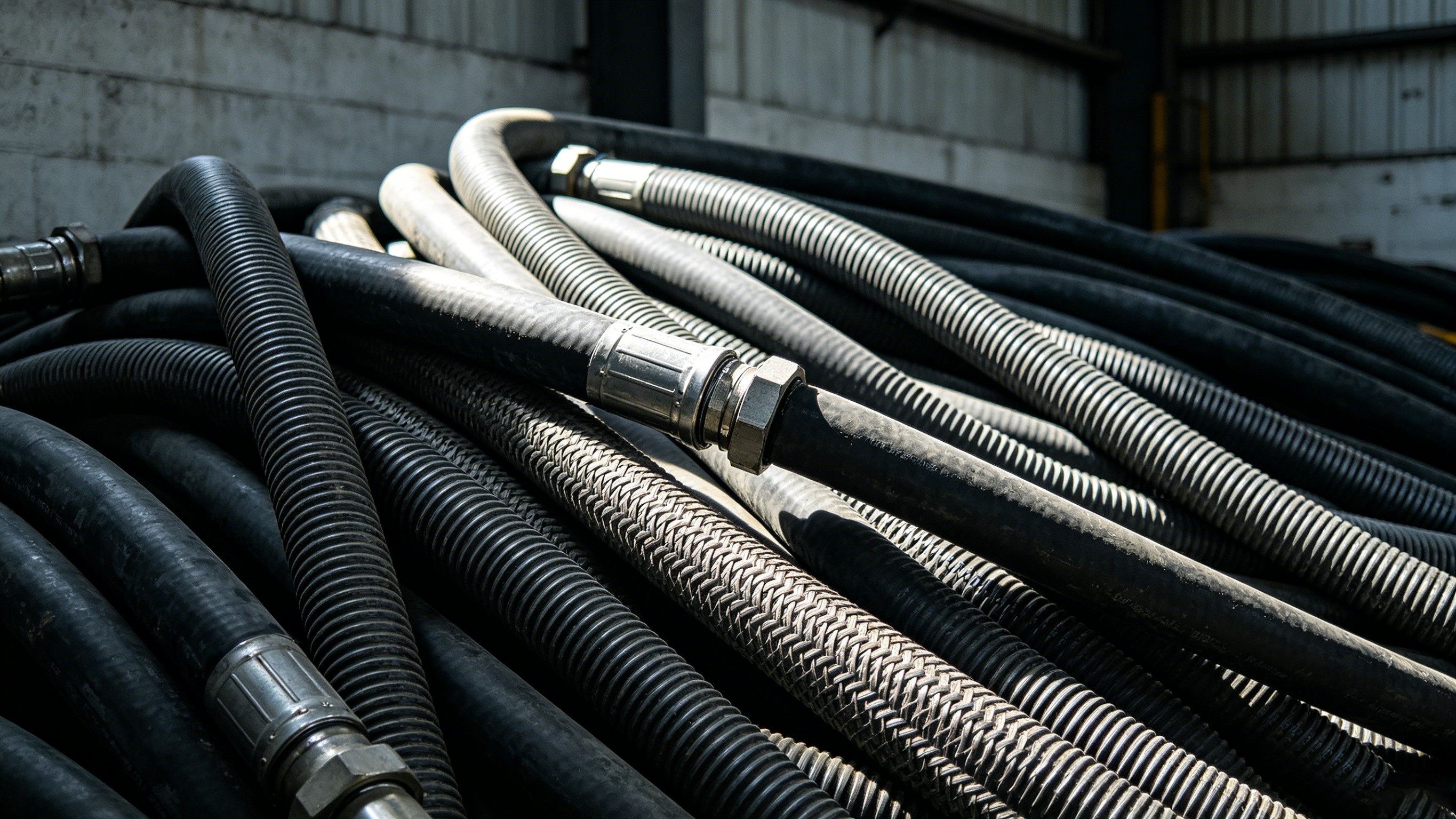
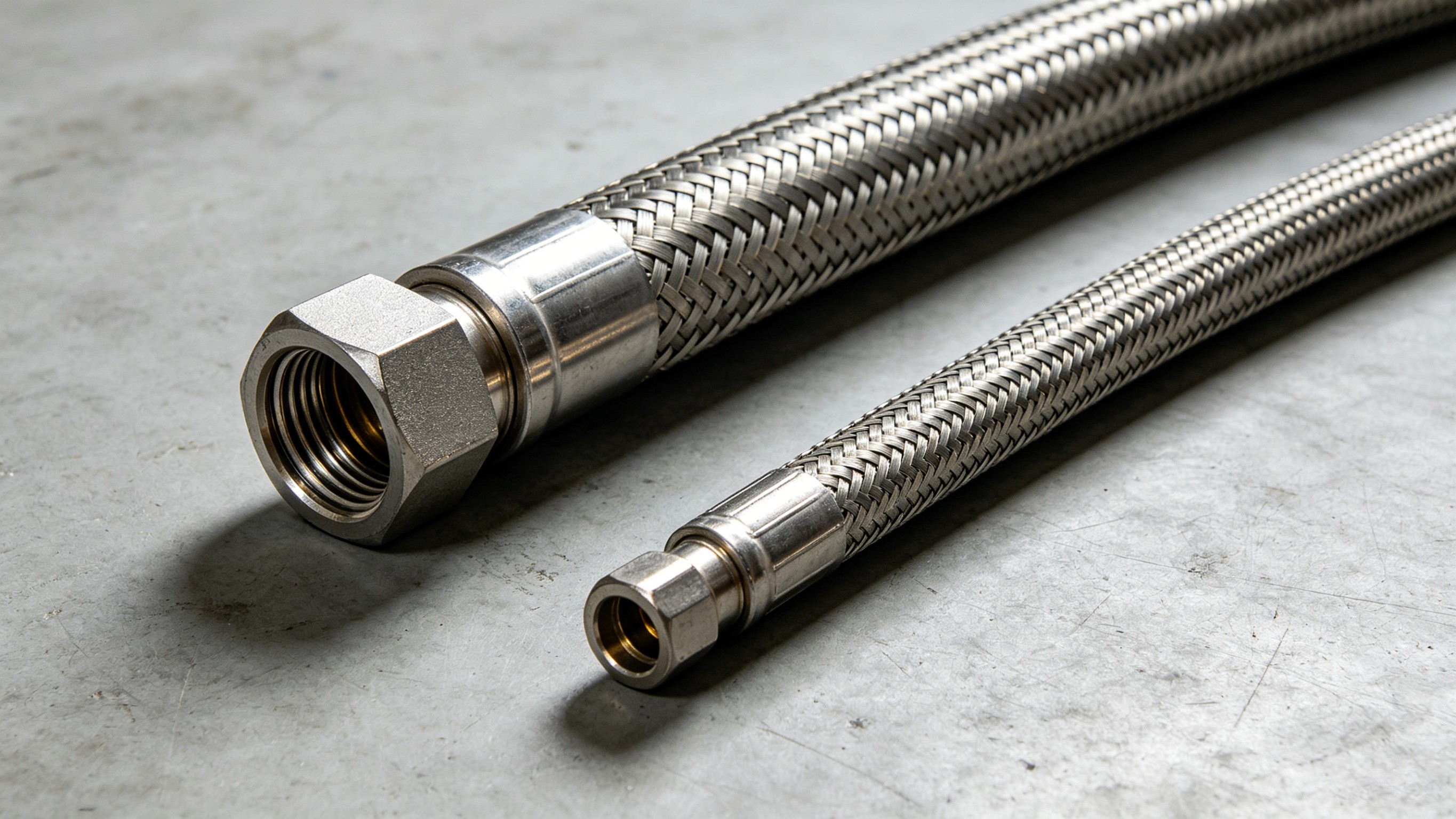
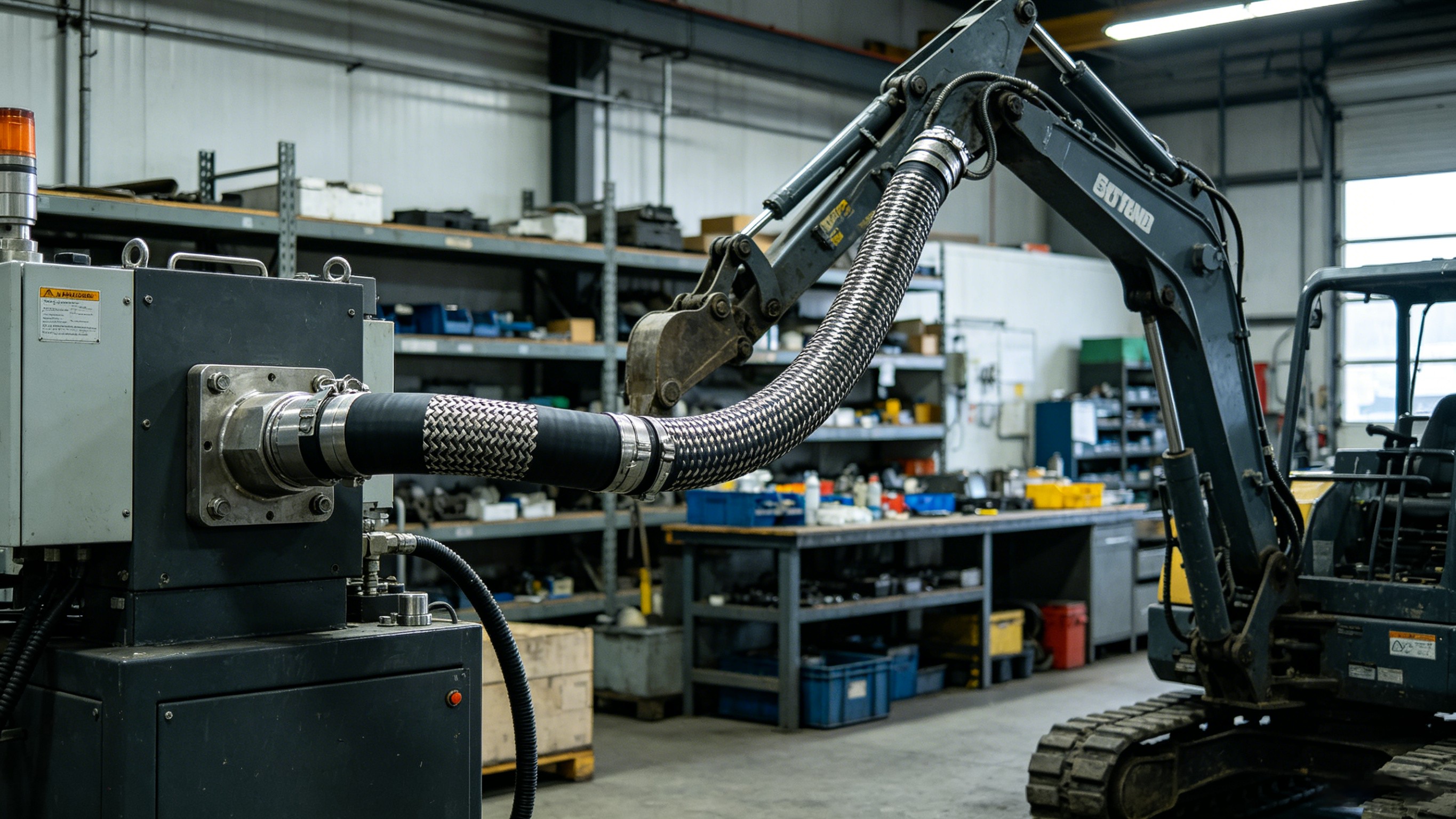
TPV rubber hoses are widely used in automotive, industrial, household appliance, and fluid transfer applications thanks to their excellent flexibility, durability, and resistance to heat, weathering, and chemicals. In the automotive industry, TPV hoses are commonly used for air intake systems, coolant circuits, ventilation ducts, and under-the-hood fluid management, where long-term performance under demanding conditions is essential. Compared with conventional rubber hoses, TPV hoses offer the advantages of lower weight, improved recyclability, easier processing, and enhanced design flexibility, making them an increasingly popular choice for manufacturers seeking high-performance and sustainable solutions.