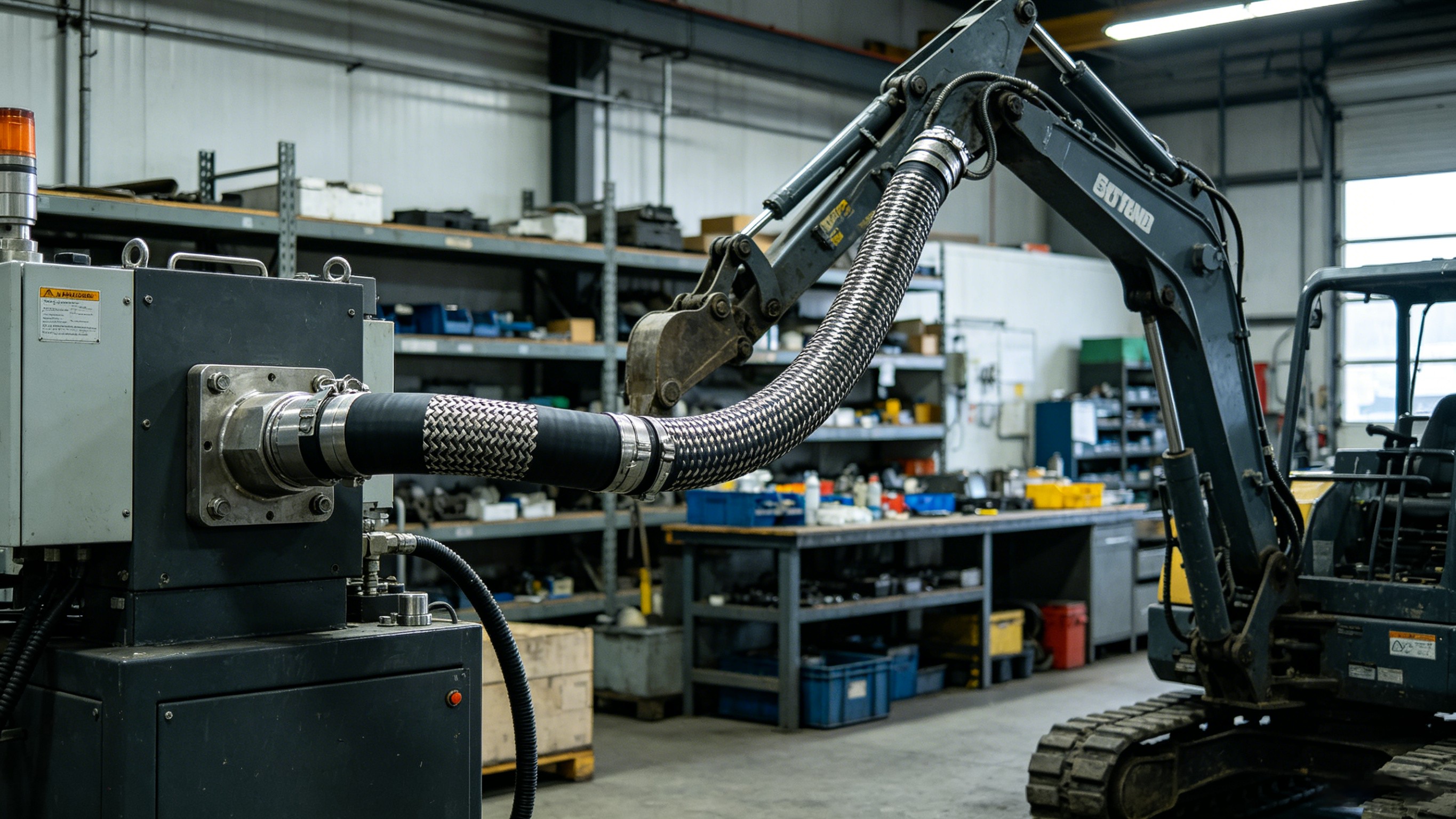
Why More Equipment Manufacturers Are Switching to TPV Rubber Hoses
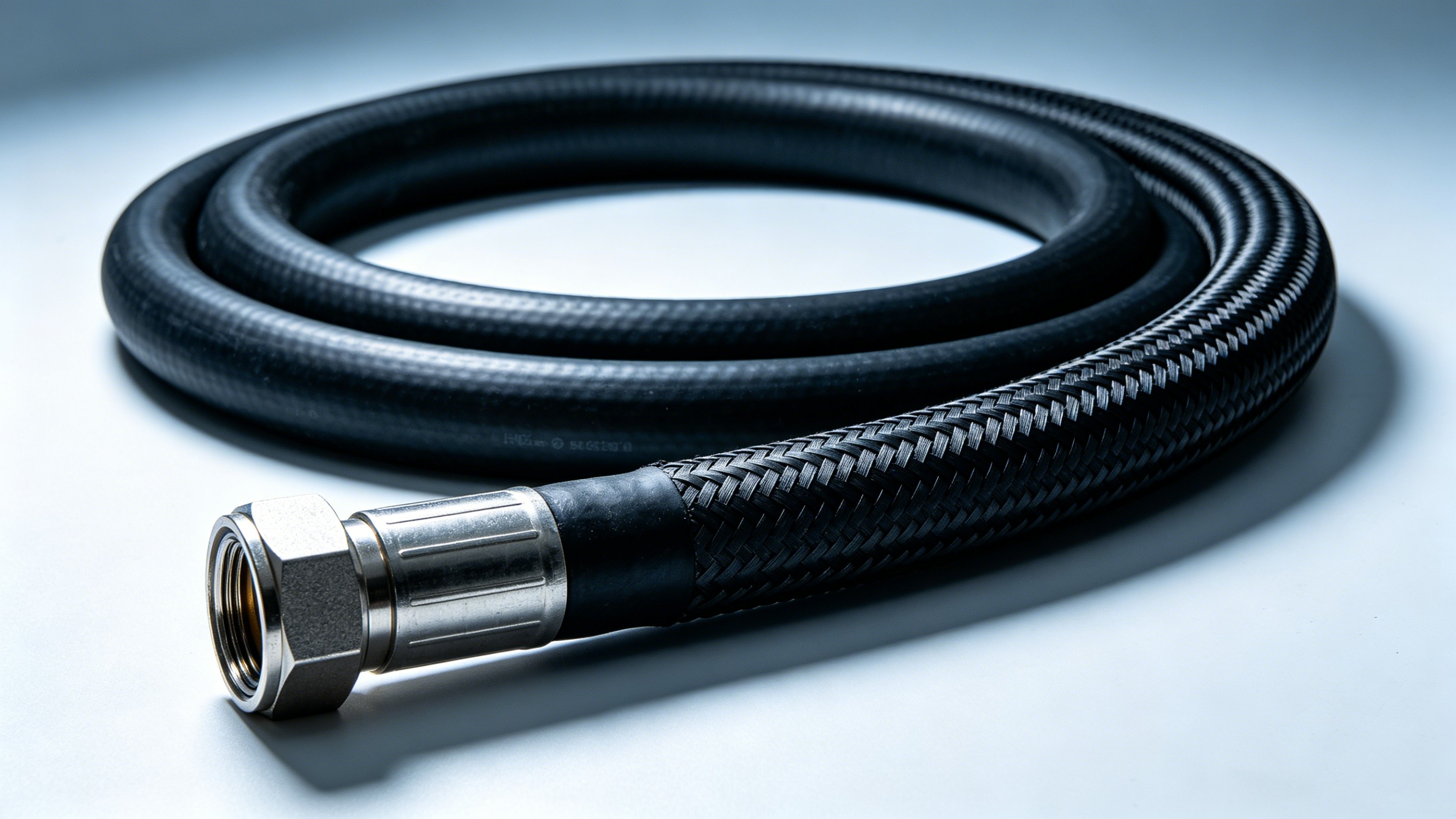
The industrial hose market has changed significantly over the past decade. As manufacturers look for products that are lighter, more durable, and easier to process, traditional rubber hoses are no longer the only option. One material attracting increasing attention is TPV (Thermoplastic Vulcanizate).
Combining the flexibility of rubber with the processing advantages of thermoplastics, TPV has become an excellent material for hose production across many industries.
But what exactly makes TPV rubber hoses different?
A Material Designed for Modern Manufacturing
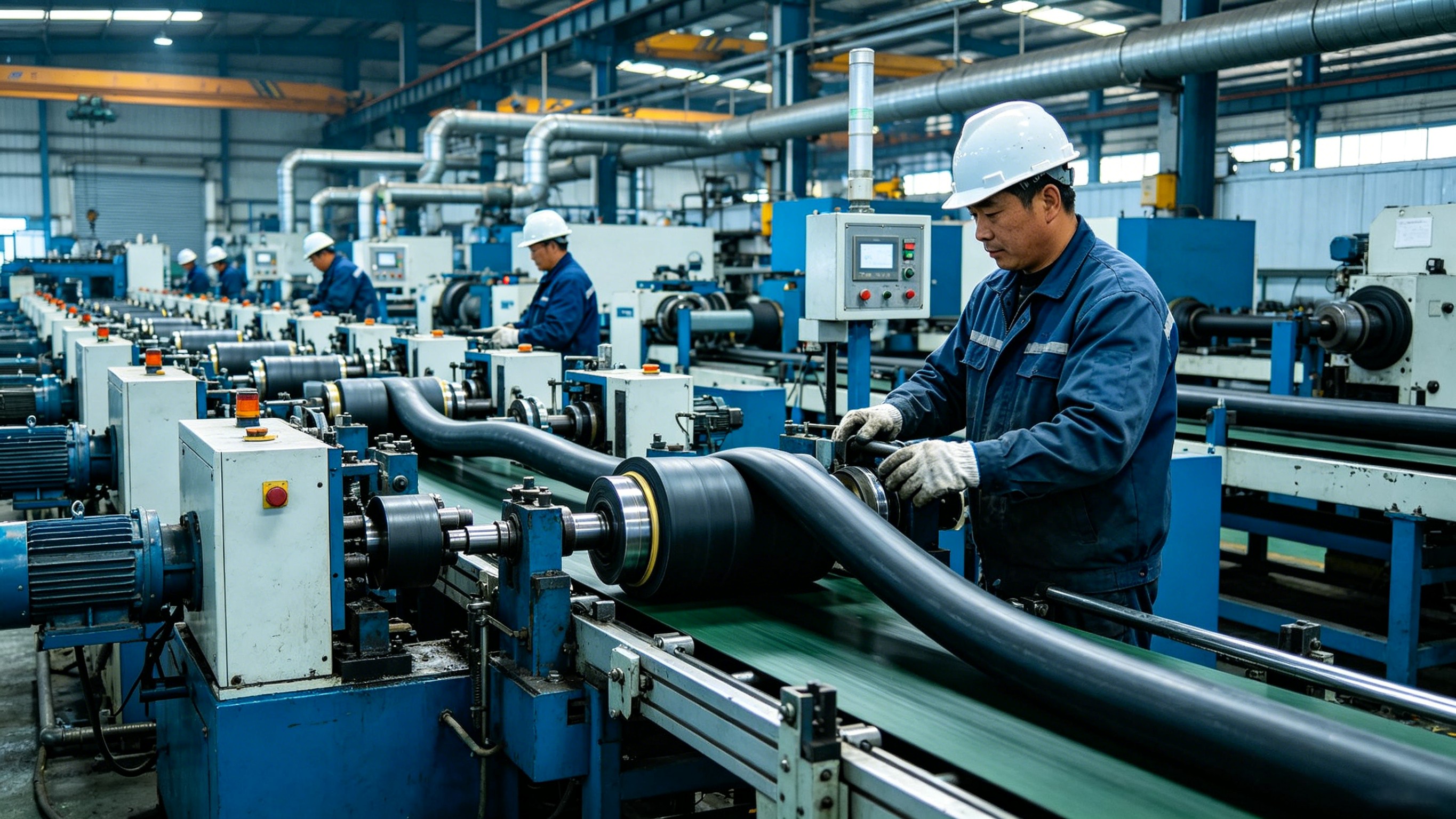
Traditional rubber hoses often require complex production processes, including vulcanization and lengthy curing times. TPV, on the other hand, can be processed using thermoplastic manufacturing methods, making production more efficient and consistent.
For equipment manufacturers, this means better dimensional stability, reliable product quality, and greater flexibility when developing custom hose solutions.
Excellent Performance in Harsh Environments
Industrial hoses are frequently exposed to demanding conditions such as:
- Continuous bending
- Outdoor sunlight
- Rain and humidity
- High and low temperatures
- Oils and grease
- Mechanical vibration
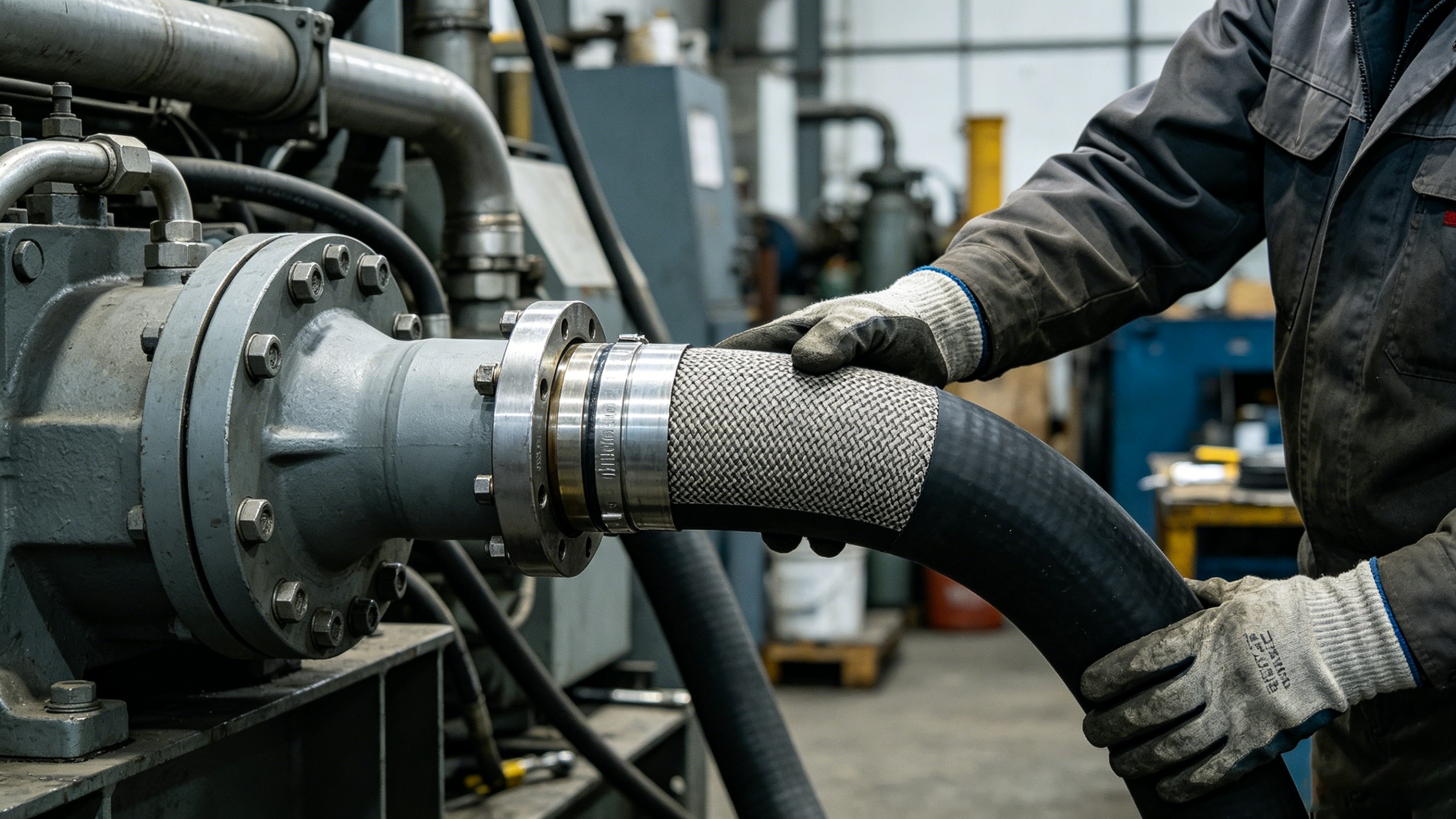
TPV rubber hoses are engineered to maintain their flexibility and structural integrity even under these challenging environments.
Unlike some conventional rubber materials that become brittle over time, TPV offers excellent resistance to weathering and aging, helping equipment maintain reliable performance throughout its service life.
Reducing Equipment Weight Without Sacrificing Strength
Weight reduction has become an important goal for many industries.
Whether it is agricultural machinery, construction equipment, or transportation systems, lighter components contribute to easier installation, improved efficiency, and lower transportation costs.
TPV hoses provide an ideal balance between strength and weight, allowing manufacturers to reduce overall equipment weight without compromising durability.
Designed for Long-Term Flexibility
Repeated bending is one of the most common causes of hose failure.
TPV maintains excellent elasticity after thousands of bending cycles, making it suitable for applications where hoses move frequently during operation.
Examples include:
- Engine compartments
- Pneumatic systems
- Mobile machinery
- Automation equipment
- Ventilation systems
The ability to withstand repeated movement helps reduce maintenance frequency and unexpected downtime.
Supporting Sustainable Manufacturing
Environmental responsibility has become a key consideration in industrial production.
Compared with some conventional rubber materials, TPV offers several sustainability advantages:
- Lower material waste during production
- Recyclable processing scraps
- Energy-efficient manufacturing
- Longer product lifespan
These characteristics help manufacturers reduce both production costs and environmental impact.
Customization Matters More Than Ever
Every industry has unique requirements, and a standard hose may not always be the best solution.
Professional TPV hose manufacturers can provide customized options such as:
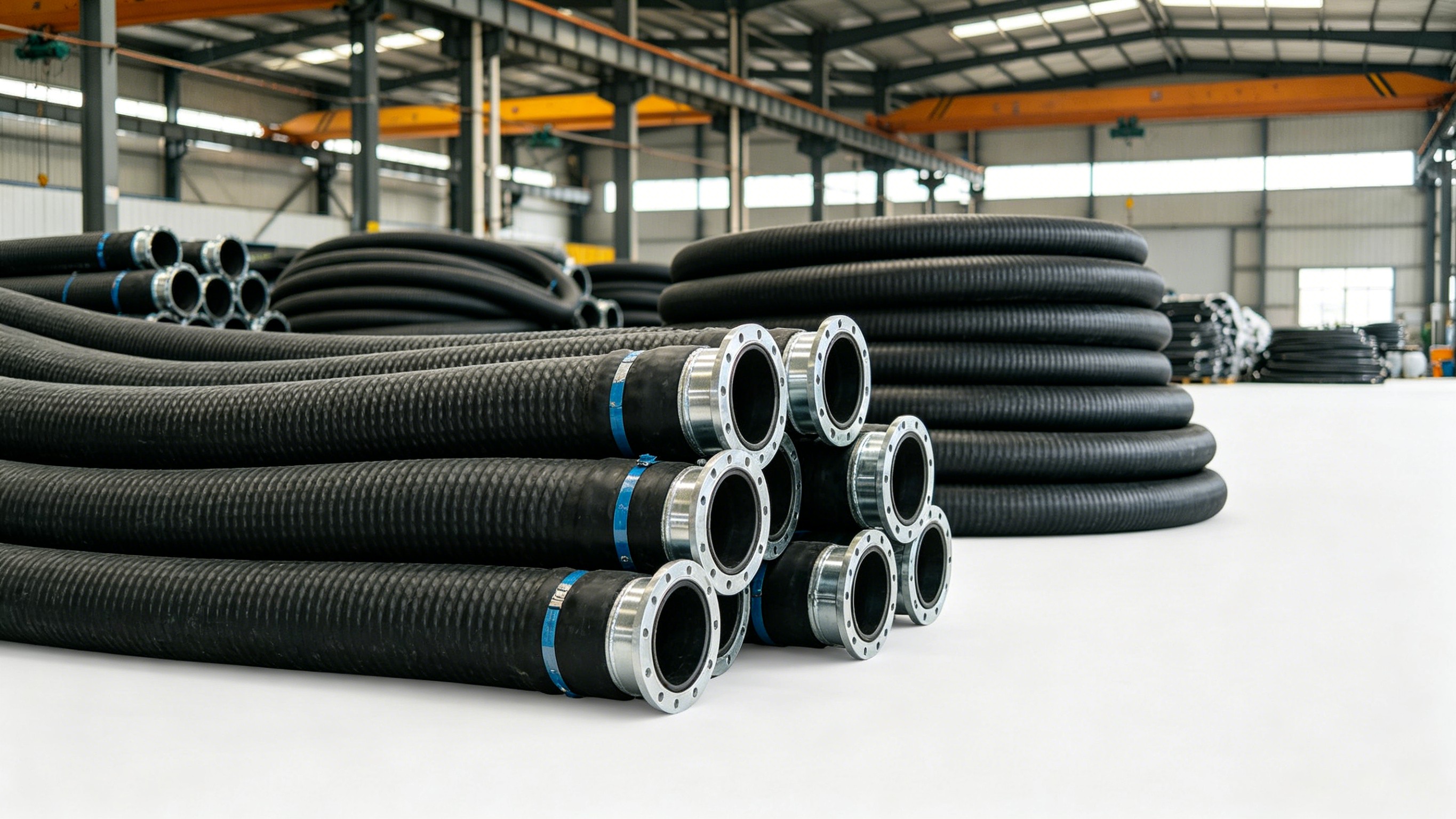
- Different diameters
- Various wall thicknesses
- Multiple colors
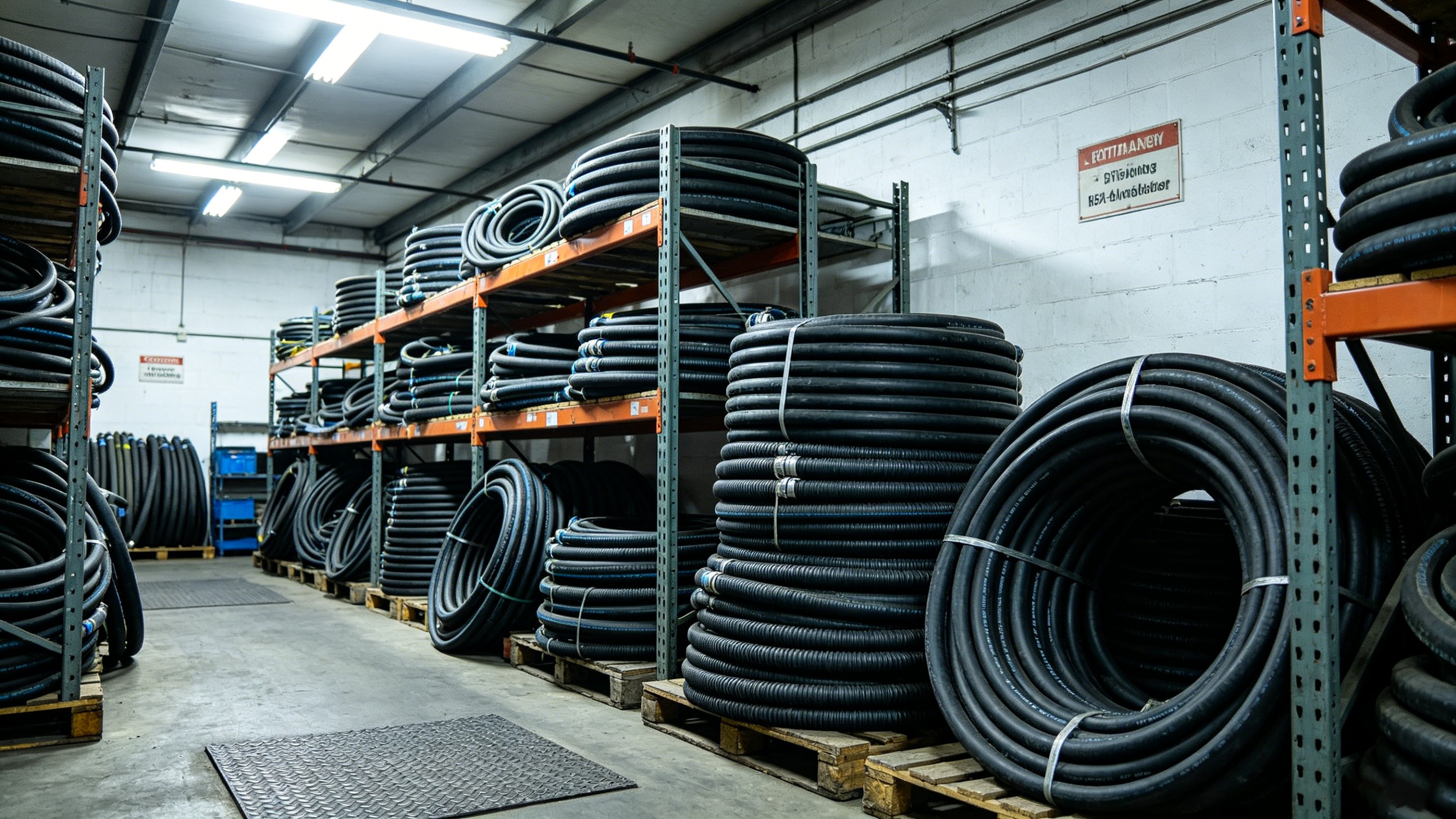
- Custom lengths
- Printed logos
- Special performance requirements
These customized solutions help OEM customers integrate hoses seamlessly into their products while strengthening brand identity.
Industries That Commonly Use TPV Rubber Hoses
Today, TPV rubber hoses can be found in a wide range of applications, including:
- Automotive systems
- Agricultural machinery
- Construction equipment
- Industrial ventilation
- Air delivery systems
- Electrical equipment
- Home appliances
- Mechanical engineering
- Environmental protection equipment
As industries continue to pursue lighter, smarter, and more durable products, TPV hoses are becoming an increasingly common choice.
Choosing the Right Manufacturing Partner
Selecting a hose is important, but choosing the right manufacturer is equally critical.
An experienced manufacturer can provide:
- Stable raw material quality
- Strict production management
- Consistent product performance
- Flexible OEM & ODM services
- Technical support throughout the project
- Reliable delivery schedules
A strong manufacturing partner does more than supply products—it helps customers develop better solutions for their own markets.
Conclusion
TPV rubber hoses represent the next generation of flexible hose technology. Their combination of durability, flexibility, lightweight construction, and weather resistance makes them an excellent alternative to many traditional rubber products.
As equipment manufacturers continue to improve product performance and production efficiency, TPV hoses will play an increasingly important role in industrial applications around the world.