How to Choose the Right Pressure Measuring Hose for Hydraulic Applications
In modern hydraulic systems, accurate pressure monitoring is essential for equipment safety, maintenance efficiency, and system performance. Whether used in construction machinery, industrial automation equipment, or hydraulic testing systems, a pressure measuring hose must provide stable pressure transmission and reliable operation under demanding conditions.
Choosing the right pressure measuring hose is not simply about selecting a hose with the correct size. Factors such as working pressure, hose material, temperature resistance, connection type, flexibility, and application environment all influence the performance and service life of the hose.
This guide explains the key factors to consider when selecting a suitable pressure measuring hose for hydraulic applications.
Understand the Function of a Pressure Measuring Hose
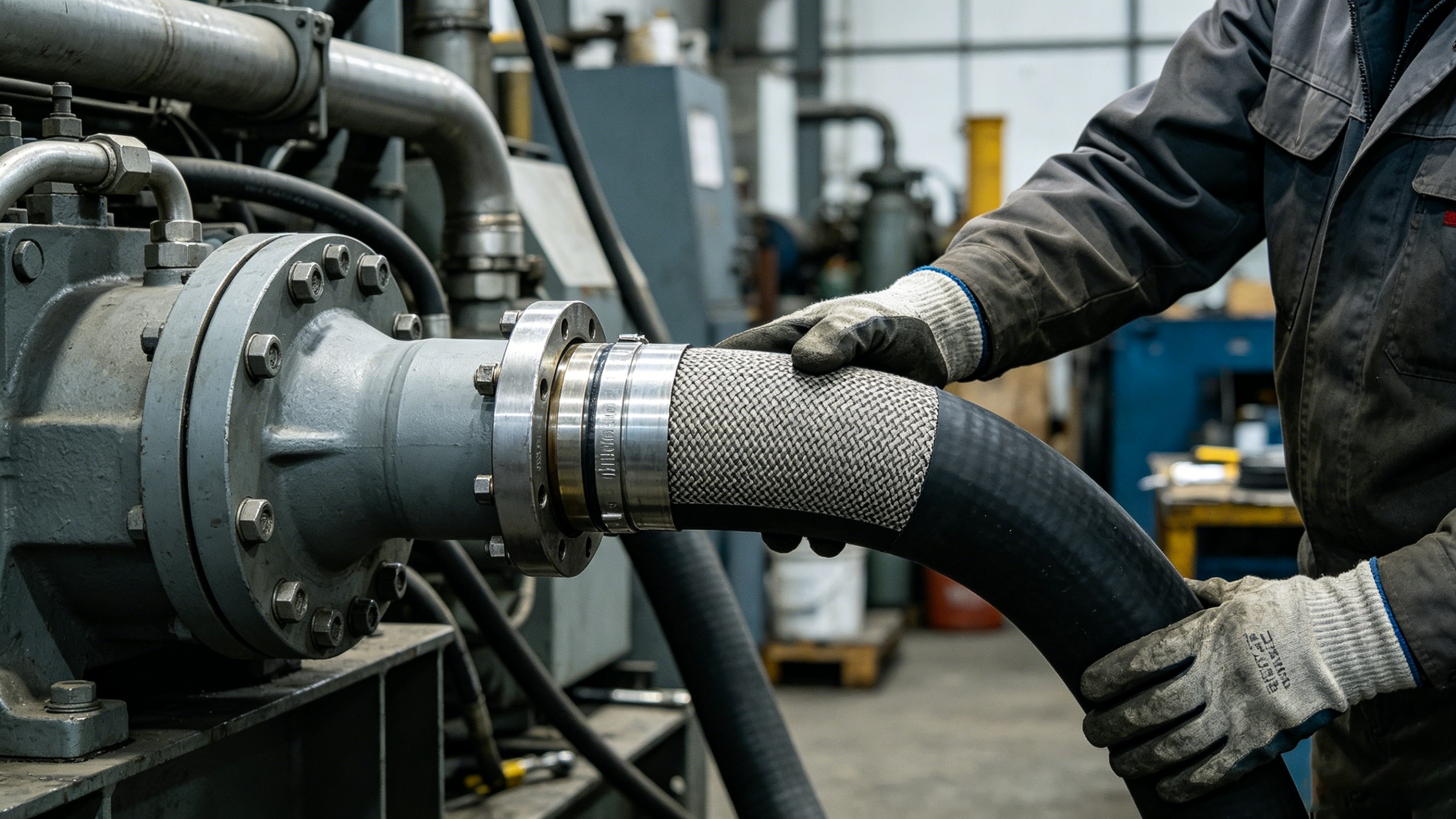
A pressure measuring hose is a specialized high-pressure hose designed to connect hydraulic systems with pressure gauges, sensors, and testing equipment.
During hydraulic system inspection or operation monitoring, the hose transfers pressure signals from the hydraulic circuit to measuring instruments. A reliable hose ensures accurate pressure readings and helps technicians identify system problems quickly.
Unlike ordinary hydraulic hoses, pressure measuring hoses require higher stability because even slight expansion or deformation may affect measurement accuracy.
1. Check the Working Pressure Requirement
The first and most important factor when selecting a pressure measuring hose is the working pressure.
Hydraulic systems often operate under high pressure conditions and may experience sudden pressure spikes during operation. Therefore, the selected hose should have a working pressure rating higher than the normal operating pressure of the system.
A suitable pressure measuring hose should provide:
- Stable performance under continuous pressure
- Resistance to pressure pulses
- Sufficient safety margin
- Reliable performance during repeated testing
Choosing a hose with insufficient pressure capacity may lead to premature failure, leakage, or safety risks.
2. Select the Right Hose Material
The hose material directly affects durability, flexibility, and compatibility with different hydraulic fluids.
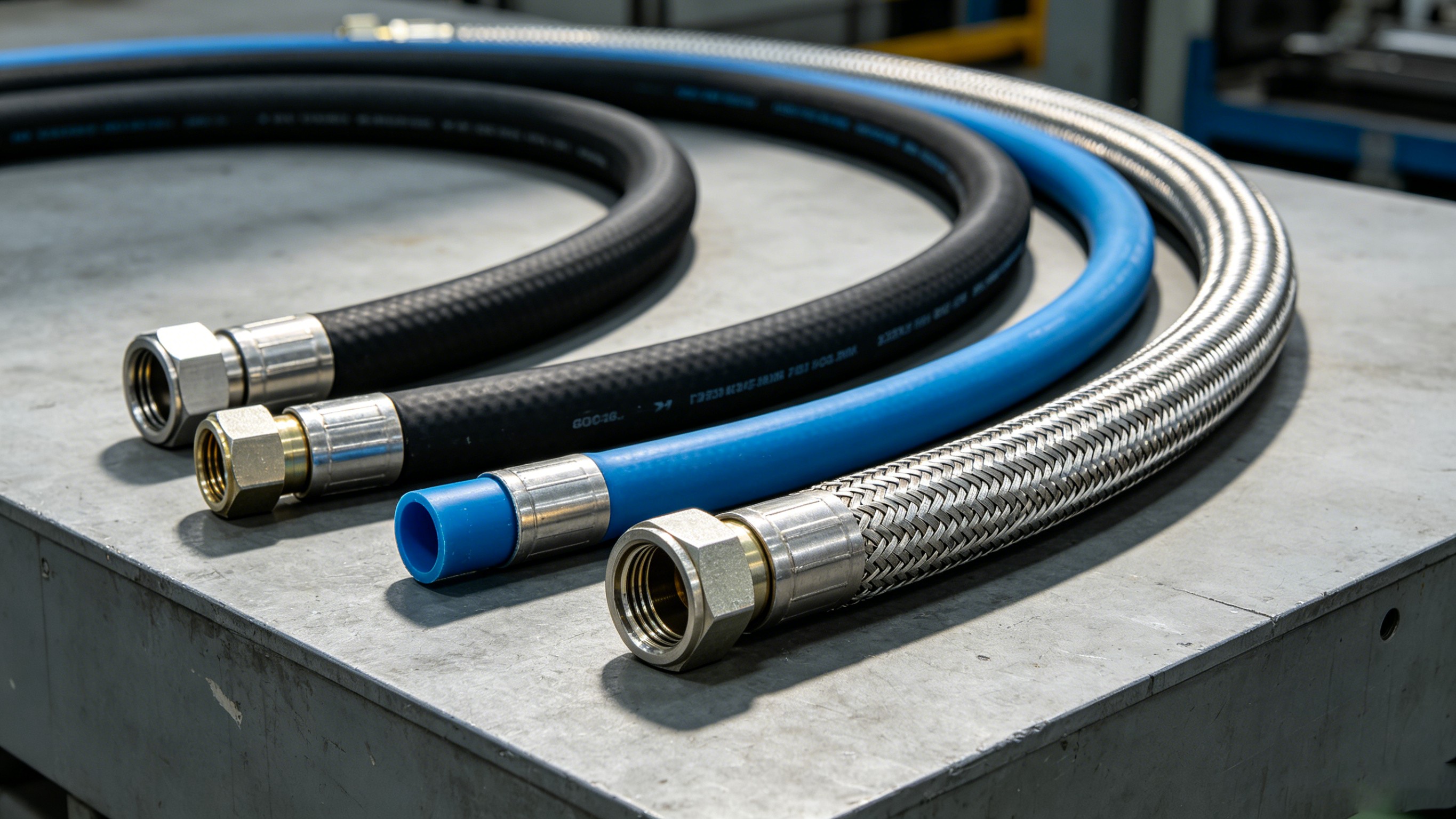
Nylon Resin Pressure Measuring Hose
Nylon resin is one of the most commonly used materials for high-performance pressure measuring hoses.
Its advantages include:
- Excellent oil resistance
- Good chemical resistance
- Lightweight construction
- High flexibility
- Low fluid resistance
- Long service life
Nylon resin hoses are especially suitable for hydraulic testing systems that require accurate pressure transmission and frequent movement.
Rubber Pressure Measuring Hose
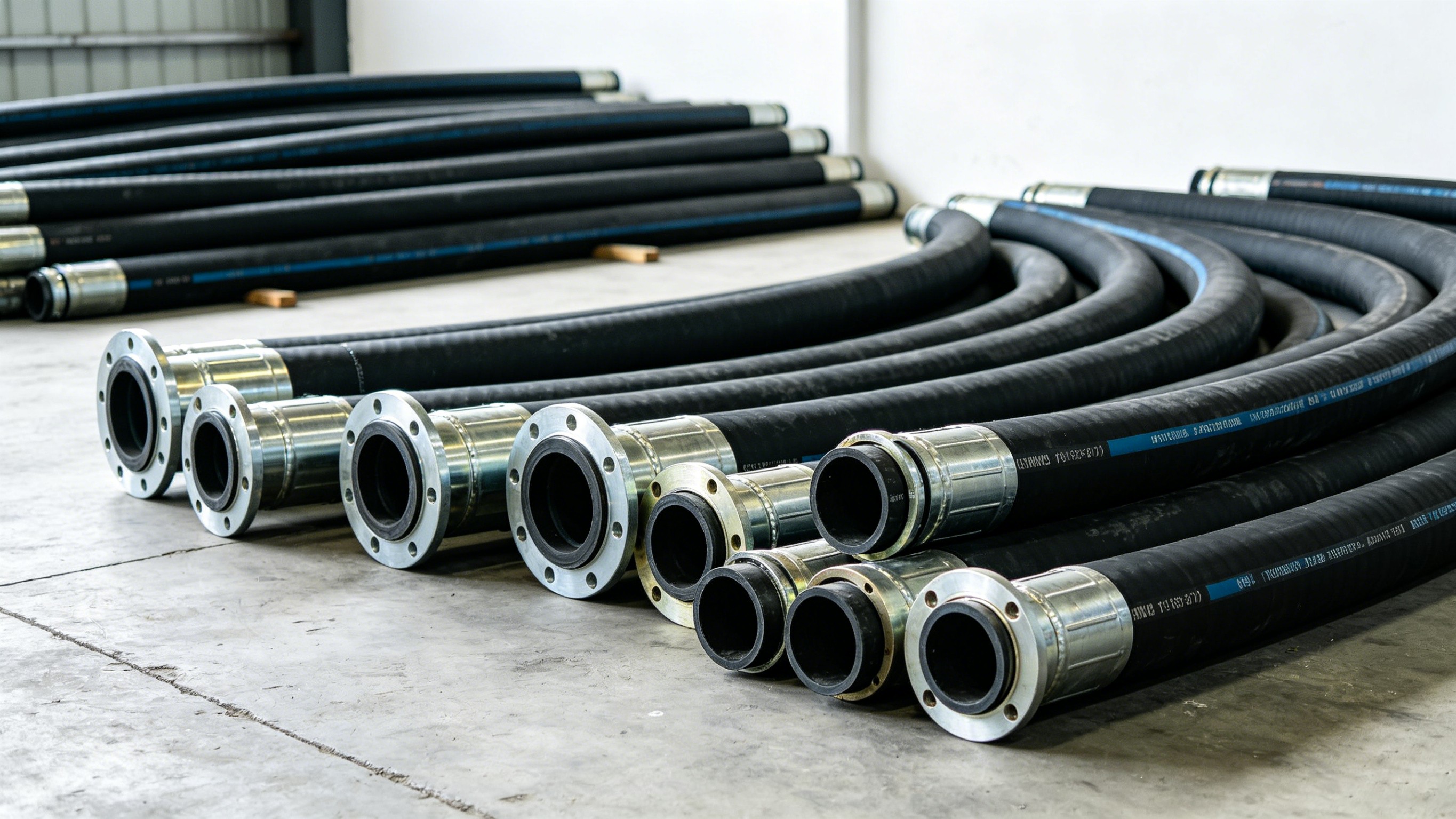
Rubber hoses have good elasticity and vibration absorption capabilities. However, compared with nylon resin hoses, they are generally heavier and may have lower resistance to certain chemicals and environmental conditions.
For applications requiring lightweight design, compact installation, and long-term stability, nylon resin hoses are often a better choice.
3. Consider Hose Size and Flow Requirements
Selecting the correct hose size is important for maintaining pressure accuracy and system efficiency.
The main size parameters include:
- Inner diameter
- Outer diameter
- Hose length
- Bending radius
A hose with an unsuitable inner diameter may increase pressure loss or affect response speed during measurement.
For compact hydraulic systems, a smaller diameter hose with excellent flexibility can provide easier installation and better adaptability.
4. Choose the Correct Reinforcement Structure
The reinforcement layer determines the pressure capability and mechanical strength of the hose.
Common reinforcement options include:
Fiber Reinforced Structure
Fiber braided hoses are lightweight and flexible, making them suitable for general hydraulic pressure testing applications.
Steel Wire Reinforced Structure
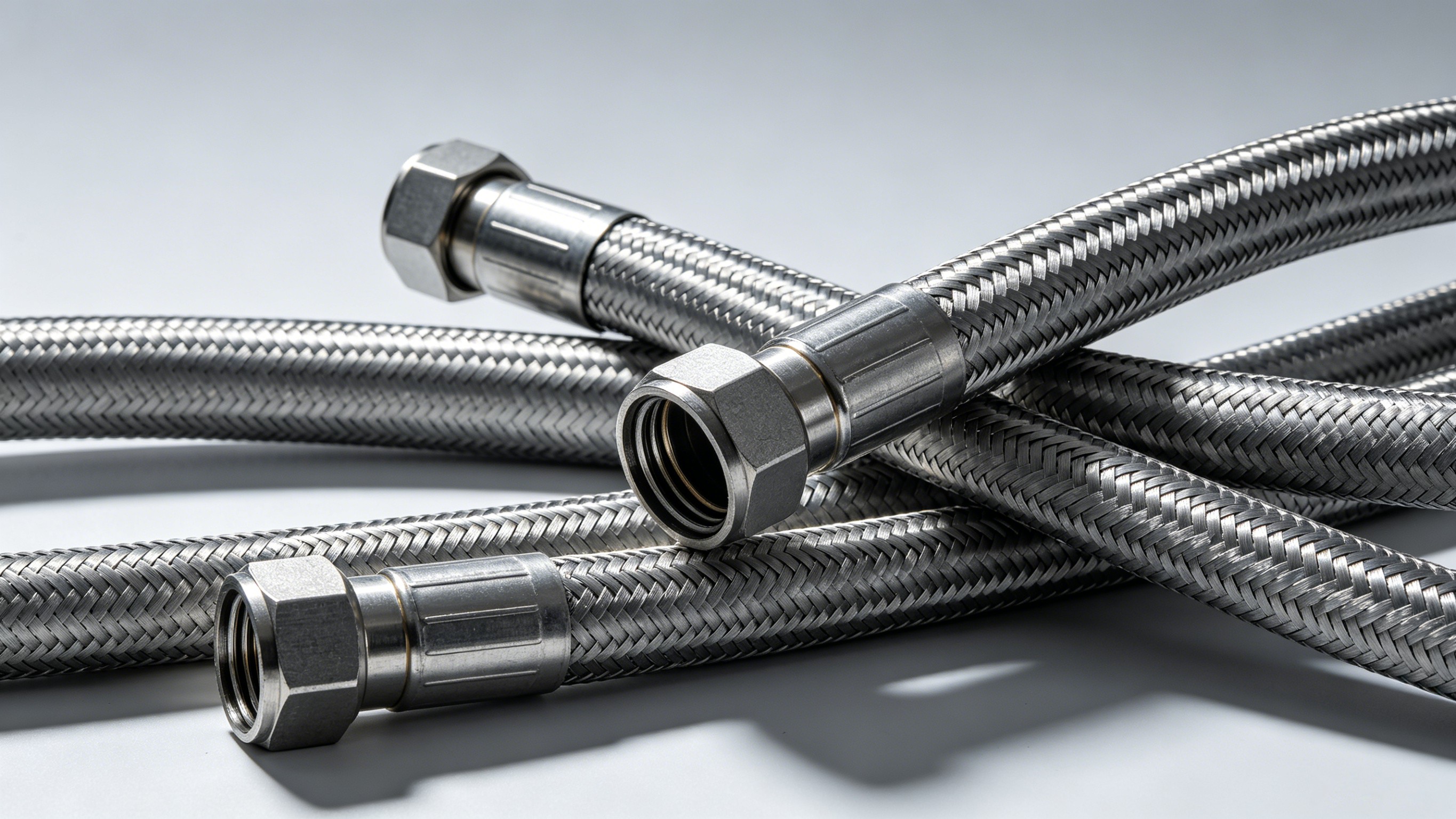
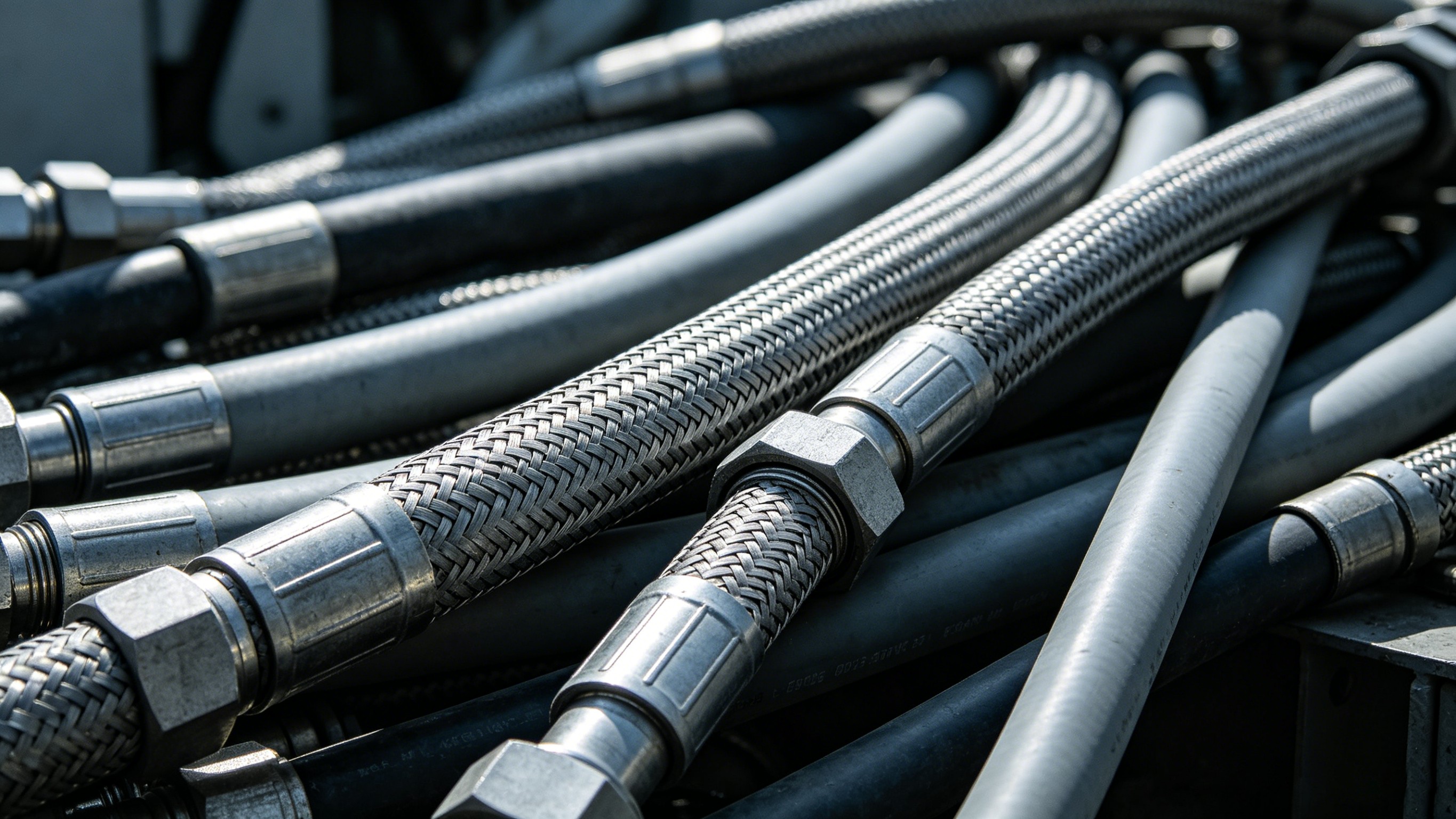
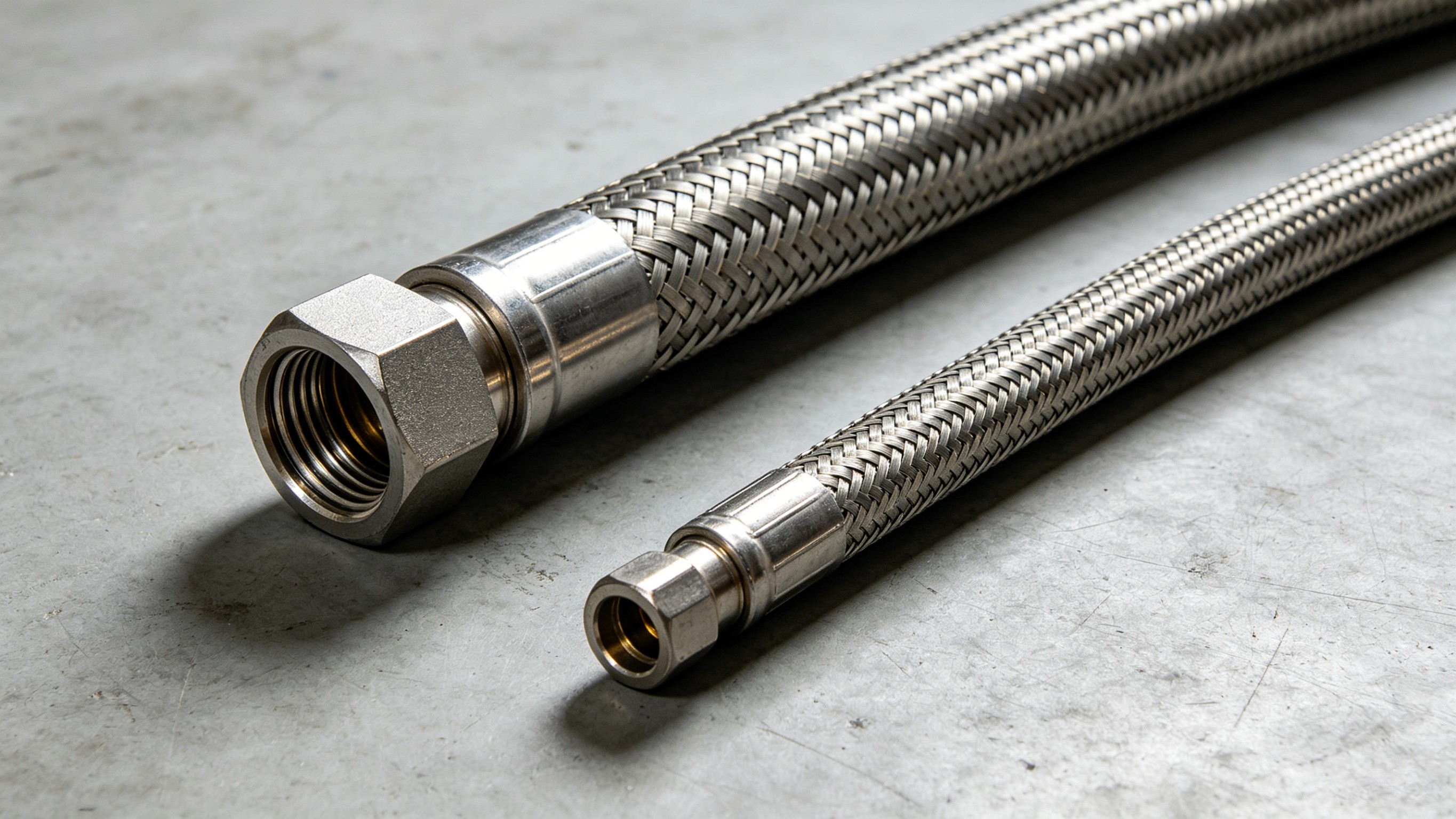
Steel wire reinforced hoses provide higher pressure resistance and stronger mechanical performance. They are suitable for applications involving higher pressure levels or more demanding operating environments.
The reinforcement structure should be selected according to the system pressure and working conditions.
5. Pay Attention to Temperature and Working Environment
The operating environment has a significant impact on hose performance.
Before selecting a pressure measuring hose, consider:
Temperature Range
Extreme temperatures may affect material flexibility and strength. The hose should be suitable for the minimum and maximum temperatures of the working environment.
Chemical Exposure
If the hose is exposed to hydraulic oil, fuel, chemicals, or cleaning agents, the material must have sufficient resistance.
Mechanical Conditions
Applications involving vibration, friction, or frequent movement require hoses with strong abrasion resistance and fatigue resistance.
6. Select Suitable Hose Fittings and Connections
The connection type is another important factor affecting installation reliability.
Pressure measuring hoses are commonly equipped with various fittings according to different hydraulic systems, including:
- Threaded fittings
- Quick connectors
- Hydraulic test couplings
- Customized fittings
A proper connection ensures leak prevention and improves measurement accuracy.
The fitting material and manufacturing quality should also be considered, especially for high-pressure applications.
7. Consider Flexibility and Installation Space
Hydraulic equipment often has limited installation space, making hose flexibility an important consideration.
A flexible pressure measuring hose can:
- Reduce installation difficulty
- Adapt to complex equipment layouts
- Absorb vibration
- Reduce stress on connections
Nylon resin pressure measuring hoses are widely preferred in applications where lightweight and flexible installation are required.
Common Applications of Pressure Measuring Hoses
Pressure measuring hoses are used in many industries, including:
Construction Machinery
Used for hydraulic pressure testing and system diagnosis in excavators, loaders, cranes, and other heavy equipment.
Industrial Equipment
Used in hydraulic machines, automation systems, and production equipment for monitoring operating pressure.
Hydraulic Component Testing
Used by manufacturers to test hydraulic pumps, valves, cylinders, and other components.
Maintenance and Service Equipment
Used by technicians for troubleshooting and preventive maintenance of hydraulic systems.
Choosing a Reliable Pressure Measuring Hose Manufacturer
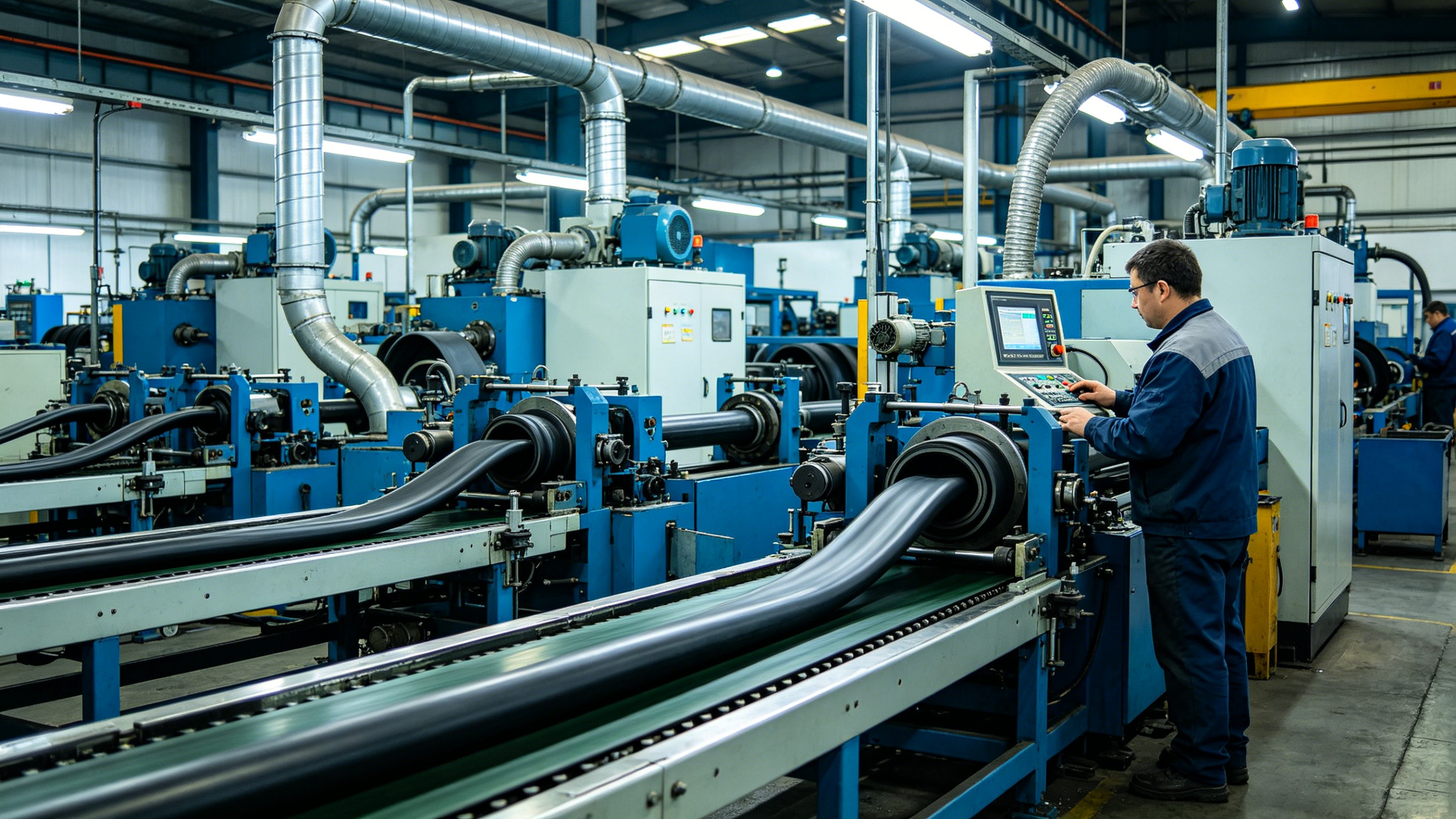
A high-quality pressure measuring hose depends not only on material selection but also on manufacturing technology and quality control.
A professional hose manufacturer should provide:
- Stable raw materials
- Advanced production equipment
- Strict quality inspection
- Customized hose solutions
- Technical support
Reliable manufacturing ensures consistent product performance and helps customers reduce downtime and maintenance costs.
Conclusion
Selecting the correct pressure measuring hose requires careful consideration of pressure rating, material, reinforcement structure, size, fittings, and application environment.
For modern hydraulic systems, nylon resin pressure measuring hoses offer an excellent combination of flexibility, durability, chemical resistance, and pressure stability. They provide reliable solutions for hydraulic testing, equipment maintenance, and industrial pressure monitoring.
As an experienced industrial hose manufacturer, we specialize in producing nylon resin pressure measuring hoses, nylon resin high pressure hoses, ultra-high pressure cleaning hoses, PU polyurethane hoses, PU steel wire hoses, and TPV rubber hoses. Our products are designed to meet the requirements of global industrial applications with reliable quality and professional service.