Common Problems and Solutions of Ultra High Pressure Cleaning Hoses
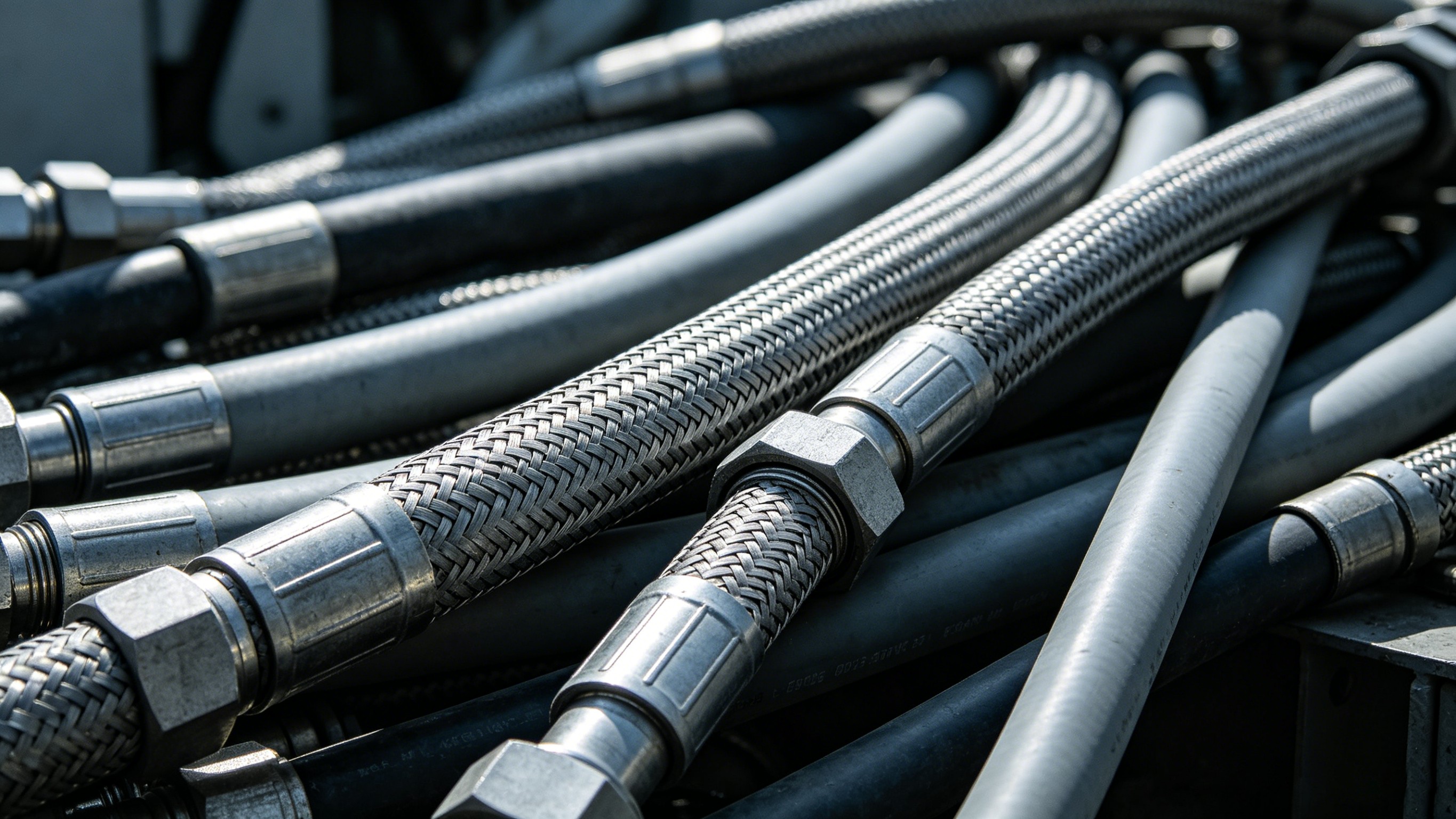
Ultra high pressure cleaning hoses are essential components in professional cleaning systems, water jet equipment, industrial washing machines, and surface treatment applications. These hoses are designed to withstand extremely high working pressures while maintaining flexibility and reliable performance.
Compared with ordinary water hoses, ultra high pressure cleaning hoses operate under more demanding conditions. They must handle high-pressure water flow, repeated pressure fluctuations, bending movement, and harsh working environments.
During long-term use, improper selection, installation errors, or insufficient maintenance may lead to various hose problems. Understanding these common issues and their solutions can help users improve safety, extend hose service life, and reduce equipment downtime.
1. Why Does an Ultra High Pressure Cleaning Hose Burst?
Hose bursting is one of the most serious problems in high-pressure cleaning applications. A damaged hose may not only interrupt work but also create safety risks for operators.
Common Causes:
Exceeding the Maximum Working Pressure
Every ultra high pressure cleaning hose has a rated working pressure and maximum pressure limit. Operating beyond the recommended pressure range can weaken the reinforcement layer and eventually cause hose failure.
Incorrect Hose Selection
Using a standard water hose or low-pressure hose for ultra high pressure cleaning equipment can result in premature damage because the hose structure is not designed to withstand high pressure.
Reinforcement Layer Damage
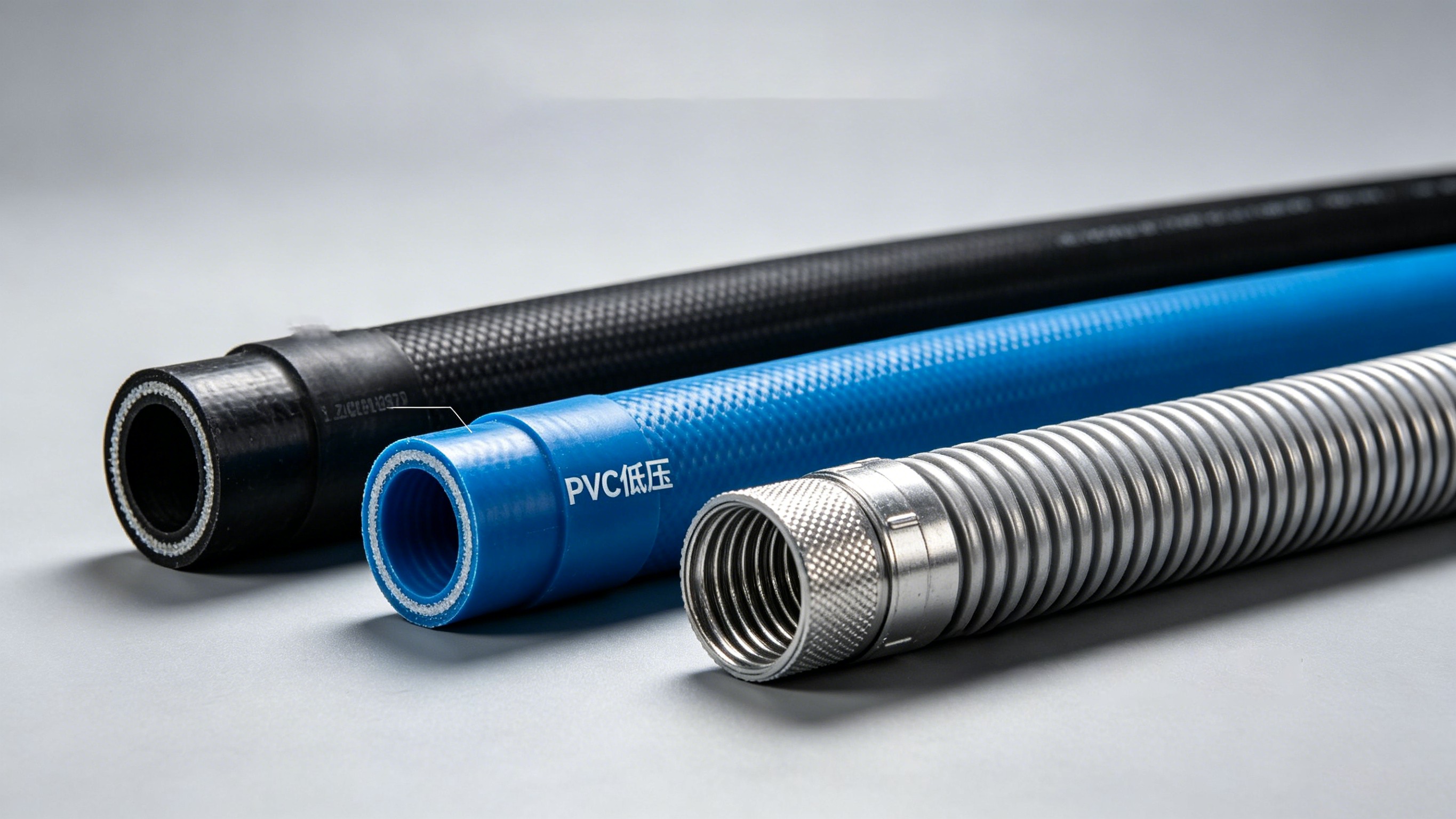
The reinforcement layer, usually made from high-strength steel wire or fiber materials, provides pressure support. External impact, excessive bending, or abrasion may damage this structure.
Solutions:
1.Select a hose with suitable pressure rating according to equipment requirements
2.Avoid operating beyond the recommended working pressure
3.Regularly inspect the hose surface and reinforcement condition
4.Replace hoses showing serious wear or damage
2. Why Does the High Pressure Cleaning Hose Leak?
Leakage is another common issue that affects cleaning efficiency and equipment safety.
Common Causes:
Damaged Hose Fittings
Loose connections, worn seals, or incorrect installation of fittings can cause water leakage.
Hose Aging
Long-term exposure to high pressure, sunlight, chemicals, and temperature changes may cause material deterioration.
Surface Damage
Cuts, scratches, and abrasion on the outer layer may gradually develop into leakage points.
Solutions:
1.Check fittings and sealing components regularly
2.Use compatible connectors and accessories
3.Avoid dragging hoses over sharp surfaces
4.Replace aging hoses before failure occurs
High-quality ultra high pressure cleaning hoses with durable outer layers can provide better protection against external damage.
3. Why Does the Cleaning Pressure Decrease?
Sometimes the cleaning equipment operates normally, but the water pressure at the nozzle becomes lower than expected.
Possible Causes:
Hose Blockage
Dirt, particles, or impurities inside the hose may restrict water flow.
Incorrect Hose Size
A hose with an unsuitable inner diameter may create excessive pressure loss.
Hose Damage
Internal deformation or structural damage can affect water flow efficiency.
Solutions:
1.Use clean water and proper filtration systems
2.Select the correct hose diameter according to equipment specifications
3.Inspect the hose regularly for internal damage
4.Replace severely deformed hoses
Choosing a properly designed ultra high pressure cleaning hose helps maintain stable water pressure and cleaning performance.
4. Why Does the Hose Become Hard or Less Flexible?
Flexibility is an important feature of professional cleaning hoses, especially when equipment requires frequent movement.
Common Causes:
Low Temperature Environment
Some hose materials may become harder in cold conditions.
Material Aging
Long-term exposure to sunlight, ozone, chemicals, or heat can reduce flexibility.
Improper Storage
Incorrect storage methods may accelerate material aging.
Solutions:
1.Select hoses suitable for the working environment
2.Store hoses in dry and cool conditions
3.Avoid prolonged exposure to extreme temperatures
High-quality materials such as thermoplastic compounds can provide excellent flexibility and aging resistance.
5. Why Does the Outer Layer Wear Quickly?
Ultra high pressure cleaning hoses are often used in demanding environments such as construction sites, factories, and industrial cleaning areas.
Common Causes:
Frequent Dragging
Pulling the hose across concrete, metal surfaces, or rough ground can cause abrasion.
Contact with Sharp Objects
Sharp edges may cut or damage the outer protective layer.
Improper Installation
Incorrect hose routing may cause continuous friction during operation.
Solutions:
1.Avoid unnecessary dragging
2.Use protective covers in high-wear areas
3.Install hoses correctly to reduce friction
4.Choose hoses with abrasion-resistant outer layers
A wear-resistant outer cover can significantly extend hose service life in harsh working environments.
6. How to Prevent Hose Kinking and Twisting?
Kinking can reduce water flow and damage the internal structure of the hose.
Common Causes:
Excessive bending
Incorrect hose storage
Twisting during installation
Hose length not suitable for the equipment
Solutions:
Follow the minimum bending radius requirements
Do not twist the hose during installation
Use proper hose reels or storage methods
Select the correct hose length
Maintaining the correct bending radius helps preserve the reinforcement structure and pressure performance.
7. How Often Should an Ultra High Pressure Cleaning Hose Be Replaced?
There is no fixed replacement period because hose life depends on working conditions, pressure level, frequency of use, and maintenance practices.
Users should replace hoses when they notice:
Cracks on the outer layer
Leakage
Bulging areas
Reduced flexibility
Damaged fittings
Visible reinforcement exposure
Regular inspection is the most effective way to identify potential problems before failure occurs.
How to Extend the Service Life of Ultra High Pressure Cleaning Hoses?
Proper maintenance can significantly improve hose durability.
Recommended Practices:
Avoid Excessive Pressure
Always operate within the hose's rated working pressure.
Keep the Hose Clean
Remove dirt, chemicals, and contaminants after use.
Store Properly
Avoid direct sunlight, extreme temperatures, and sharp objects during storage.
Inspect Regularly
Check the hose, fittings, and connections before and after operation.
Use the Correct Accessories
Compatible fittings and connectors help prevent leakage and mechanical damage.
Choosing a Reliable Ultra High Pressure Cleaning Hose Manufacturer
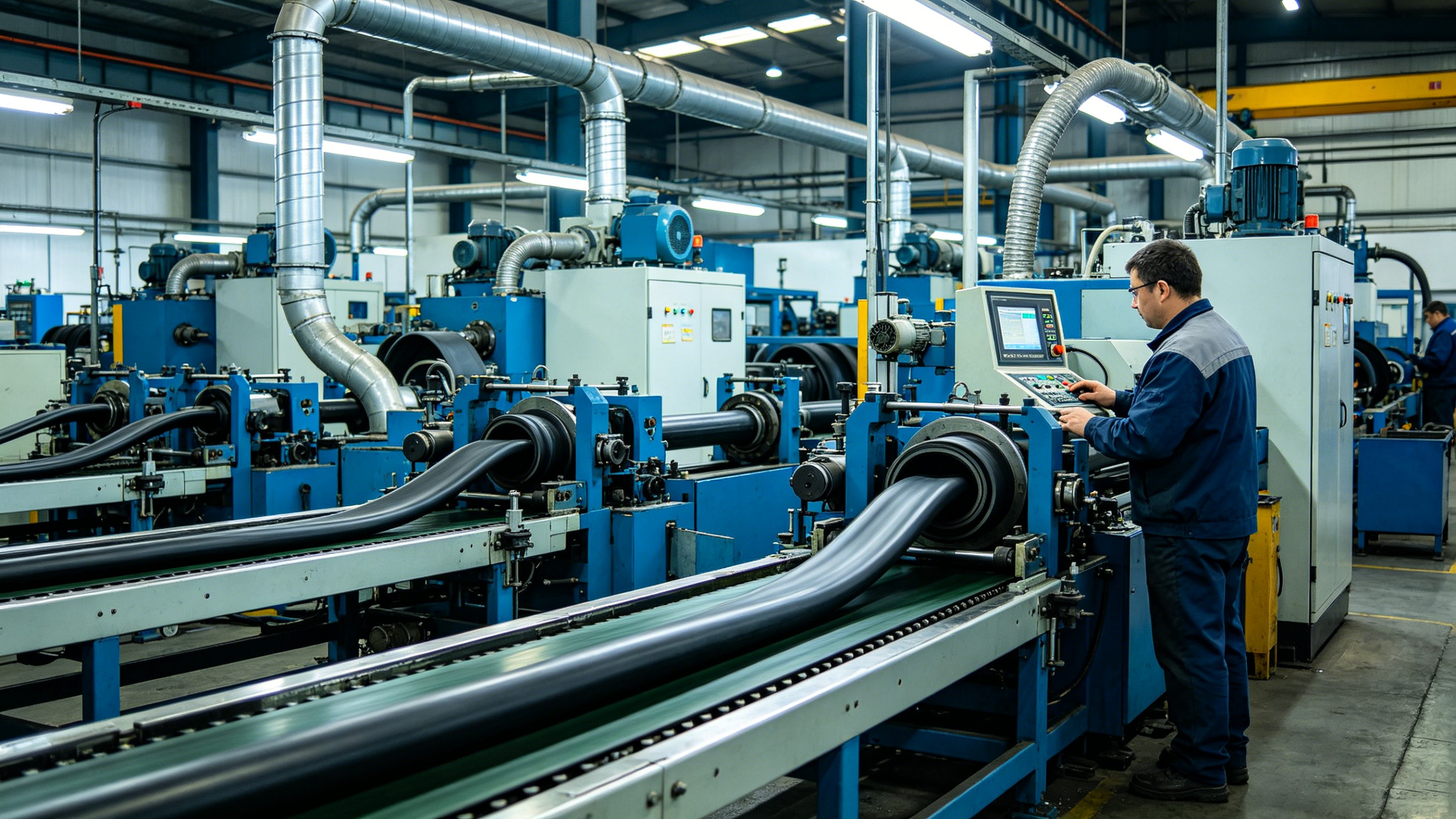
A high-performance ultra high pressure cleaning hose requires advanced manufacturing technology, quality materials, and strict quality control.
A professional manufacturer should provide:
High-strength reinforcement structures
Reliable pressure performance
Excellent abrasion resistance
Flexible hose design
Customized solutions
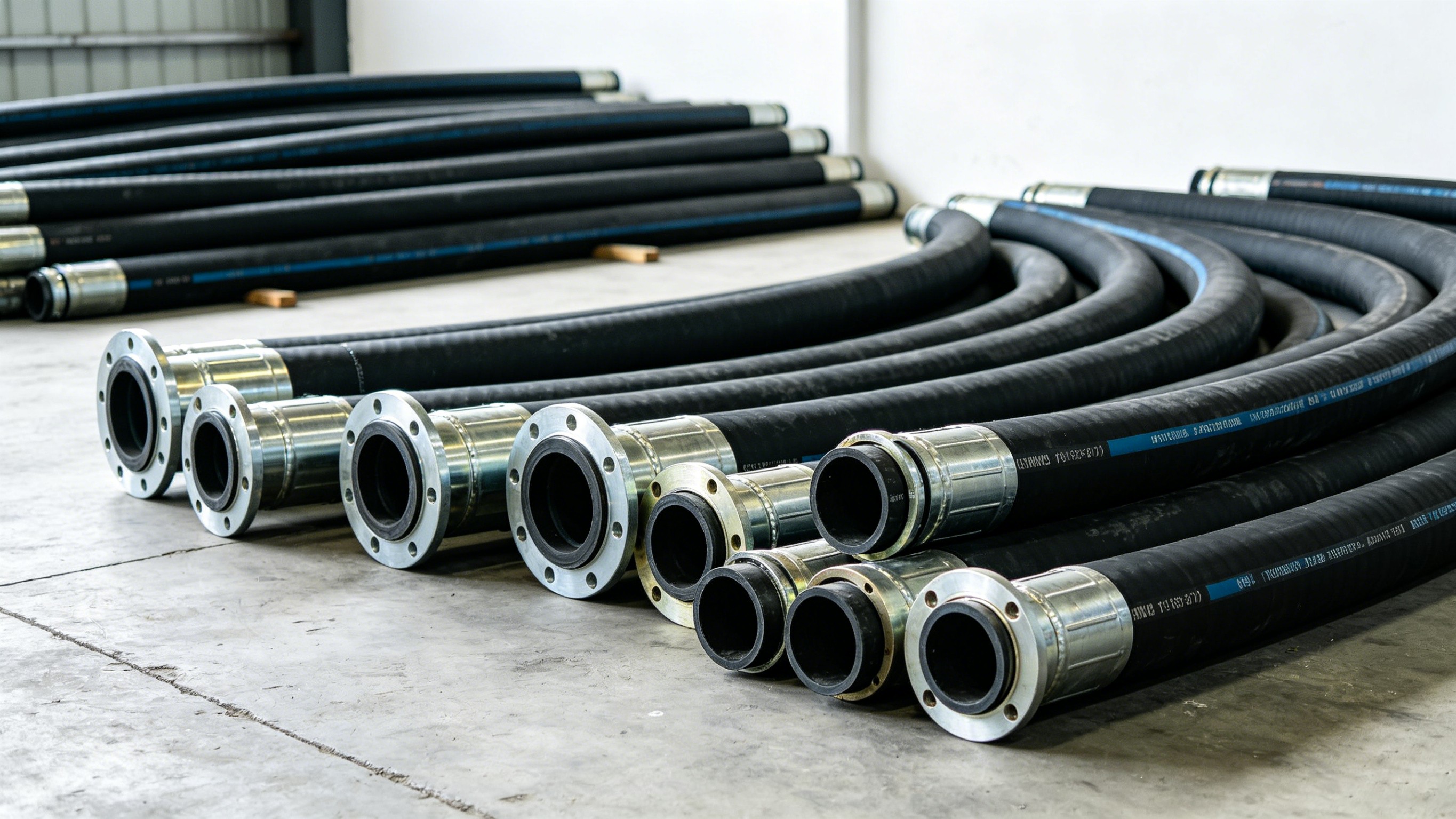
As a professional industrial hose manufacturer, we specialize in producing ultra high pressure cleaning hoses, nylon resin high pressure hoses, nylon resin pressure measuring hoses, PU polyurethane hoses, PU steel wire hoses, and TPV rubber hoses.
With advanced production technology and strict inspection standards, we provide durable and reliable hose solutions for industrial cleaning, hydraulic systems, and various high-pressure applications worldwide.