Frequently Asked Questions About Pressure Measuring Hoses
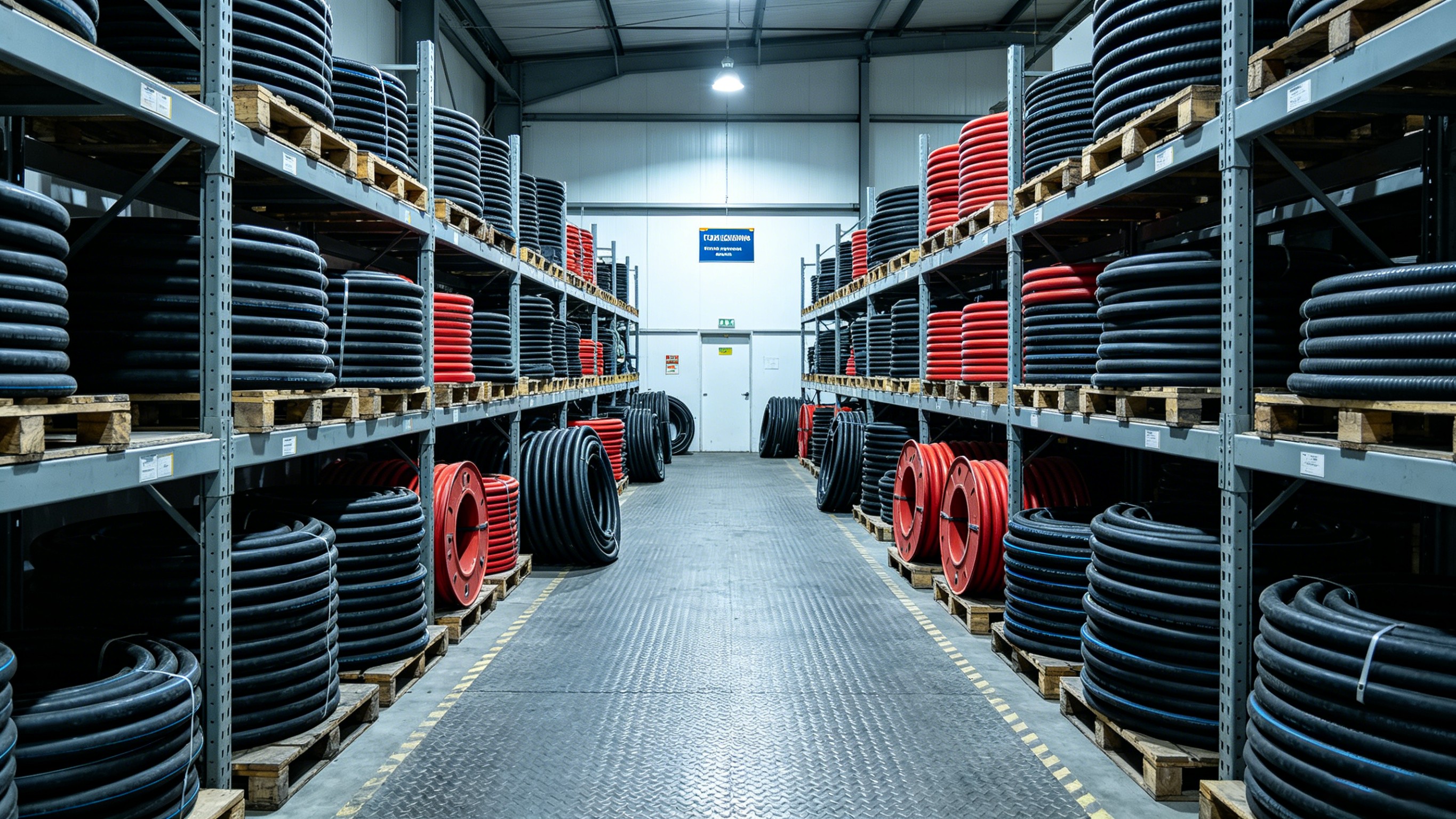
Pressure measuring hoses are important components in hydraulic systems, providing a reliable connection between pressure measurement devices and hydraulic circuits. They are widely used in hydraulic testing equipment, construction machinery, industrial automation systems, and various types of mechanical equipment.
Because pressure measuring hoses often work under high pressure and require accurate pressure transmission, users usually have many questions regarding selection, installation, performance, and maintenance.
This article answers some of the most common questions about pressure measuring hoses to help customers better understand their functions and choose the right product.
1.What Is a Pressure Measuring Hose?
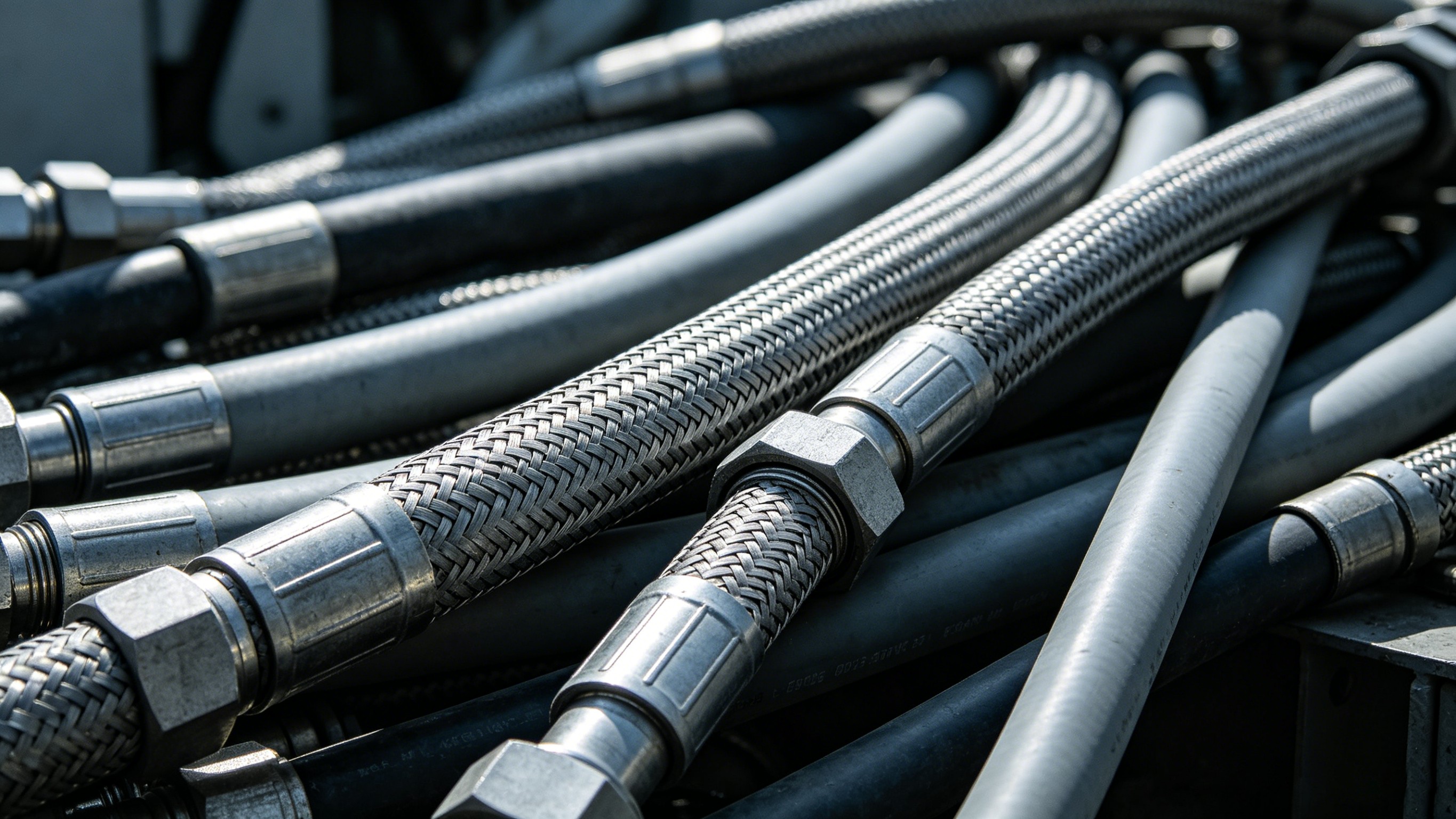
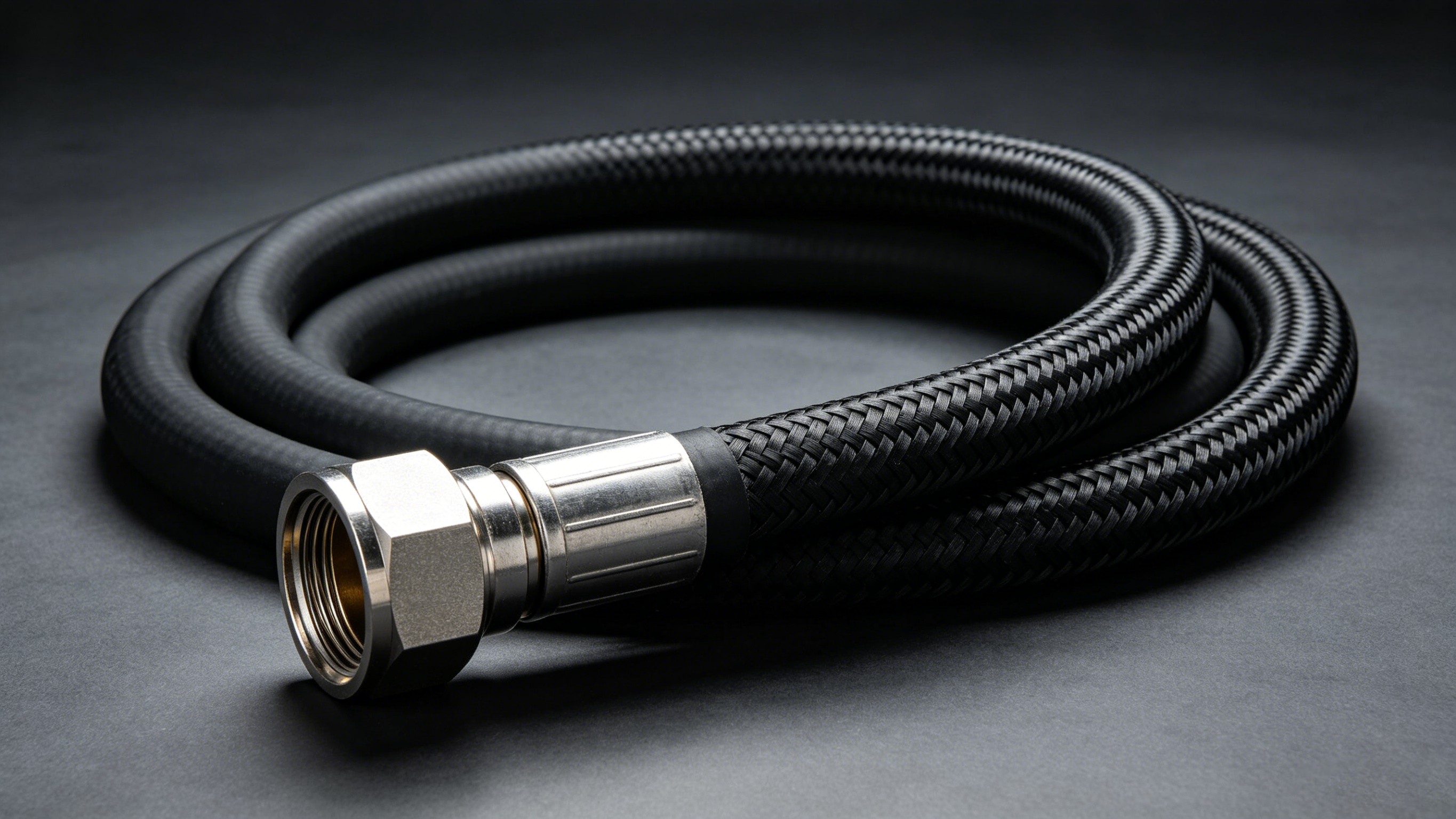
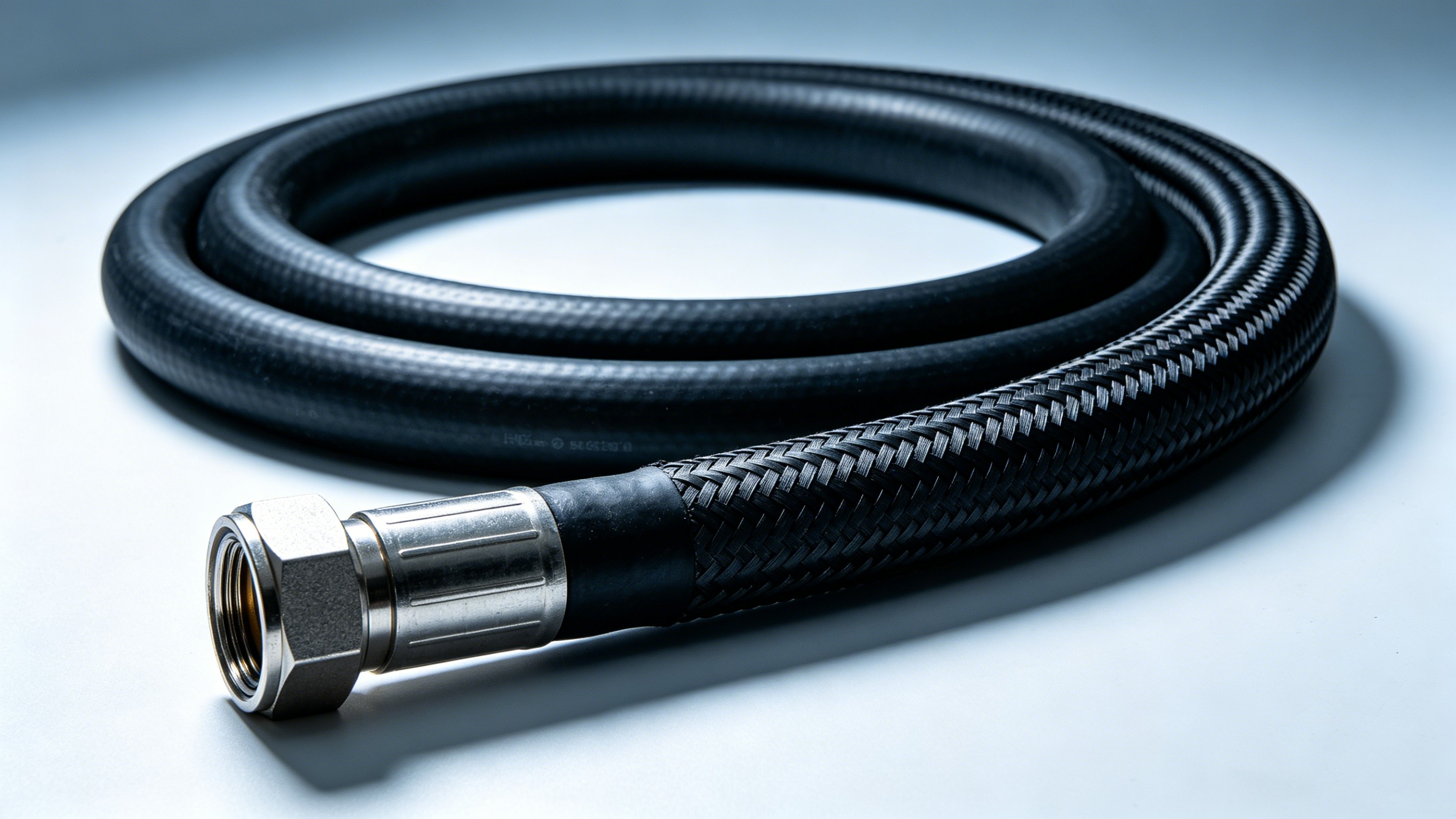
A pressure measuring hose is a specialized high-pressure hose used to connect hydraulic systems with pressure gauges, sensors, and testing equipment.
Its main function is to transfer hydraulic pressure signals from the system to measurement devices, allowing operators and engineers to monitor pressure changes and diagnose equipment conditions.
Unlike standard hydraulic hoses, pressure measuring hoses focus more on pressure accuracy, flexibility, and stable performance during testing operations.
They are commonly used in:
Hydraulic testing equipment
Construction machinery maintenance
Industrial automation systems
Hydraulic component inspection
Engineering machinery
2. What Materials Are Used for Pressure Measuring Hoses?
Pressure measuring hoses are commonly manufactured using high-performance materials designed for high-pressure hydraulic environments.
The typical structure includes:
Inner Tube
The inner tube is usually made from nylon resin or other high-performance thermoplastic materials.
Advantages include:
Excellent oil resistance
Good chemical resistance
Smooth inner surface
Low fluid resistance
Reinforcement Layer
The reinforcement layer provides pressure support and may include:
Fiber braid reinforcement
Steel wire reinforcement
This layer improves pressure resistance and prevents excessive expansion during operation.
Outer Cover
The outer layer protects the hose from:
Abrasion
Impact
Weather conditions
External damage
A durable outer cover helps extend the service life of the hose.
3. What Is the Difference Between a Pressure Measuring Hose and a Hydraulic Hose?
Although both are used in hydraulic systems, their purposes are different.
A hydraulic hose is mainly designed for continuous hydraulic fluid transmission and power transfer.
A pressure measuring hose is designed specifically for:
Pressure monitoring
Testing connections
Signal transmission
Pressure measuring hoses usually require higher dimensional stability because accurate pressure readings are essential.
For hydraulic testing and inspection applications, using a dedicated pressure measuring hose provides better measurement reliability.
4. What Pressure Can a Pressure Measuring Hose Handle?
The pressure capacity of a pressure measuring hose depends on:
Hose structure
Reinforcement type
Material selection
Hose size
High-quality pressure measuring hoses are designed to withstand high working pressures and repeated pressure fluctuations.
When selecting a hose, users should consider:
Maximum system pressure
Pressure spikes
Safety factor requirements
It is important to choose a hose with a rated working pressure higher than the actual operating pressure of the hydraulic system.
5. Why Are Nylon Resin Materials Commonly Used in Pressure Measuring Hoses?
Nylon resin is widely used in pressure measuring hoses because of its excellent overall performance.
Main advantages include:
Lightweight
Nylon resin hoses are lighter than many traditional rubber hoses, making installation and handling easier.
Good Flexibility
They can be installed in narrow spaces and complex equipment layouts.
Excellent Chemical Resistance
Nylon resin performs well when exposed to hydraulic oil, fuel, and many industrial fluids.
Stable Pressure Performance
The material has good dimensional stability, helping maintain accurate pressure transmission.
6. How Do I Choose the Right Pressure Measuring Hose?
Selecting the correct pressure measuring hose requires consideration of several factors.
Working Pressure
Confirm that the hose pressure rating meets the hydraulic system requirements.
Hose Size
Select the correct inner diameter, outer diameter, and length according to the equipment.
Working Temperature
The hose material should be suitable for the operating temperature range.
Hydraulic Medium
Check compatibility with:
Hydraulic oil
Lubricating oil
Water-based fluids
Other industrial media
Installation Environment
Consider:
Vibration
Bending frequency
Abrasion conditions
Available installation space
7. Why Does a Pressure Measuring Hose Leak?
Leakage may occur due to several reasons:
Loose Connections
Improper installation or insufficient tightening of fittings can cause leakage.
Damaged Seals
Worn sealing components may reduce connection reliability.
Hose Aging
Long-term exposure to pressure, temperature changes, or chemicals may damage the hose.
External Damage
Abrasion or impact may weaken the hose structure.
To prevent leakage:
Check fittings regularly
Use suitable connectors
Avoid excessive bending
Replace damaged hoses promptly
8. How Should Pressure Measuring Hoses Be Installed Correctly?
Proper installation is important for safety and service life.
Recommended installation practices:
Avoid twisting the hose during installation
Do not exceed the minimum bending radius
Keep the hose away from sharp edges
Ensure fittings are properly aligned
Avoid unnecessary tension on the hose
Incorrect installation can reduce pressure performance and shorten service life.
9. How Can I Maintain a Pressure Measuring Hose?
Regular inspection and maintenance can help prevent unexpected failures.
Recommended maintenance steps:
Check Appearance Regularly
Look for:
Cracks
Surface wear
Bulging
Leakage
Damaged fittings
Avoid Extreme Conditions
Do not expose the hose to temperatures or chemicals beyond its recommended range.
Replace Aging Hoses
Even if no visible damage exists, hoses used for long periods should be inspected and replaced when necessary.
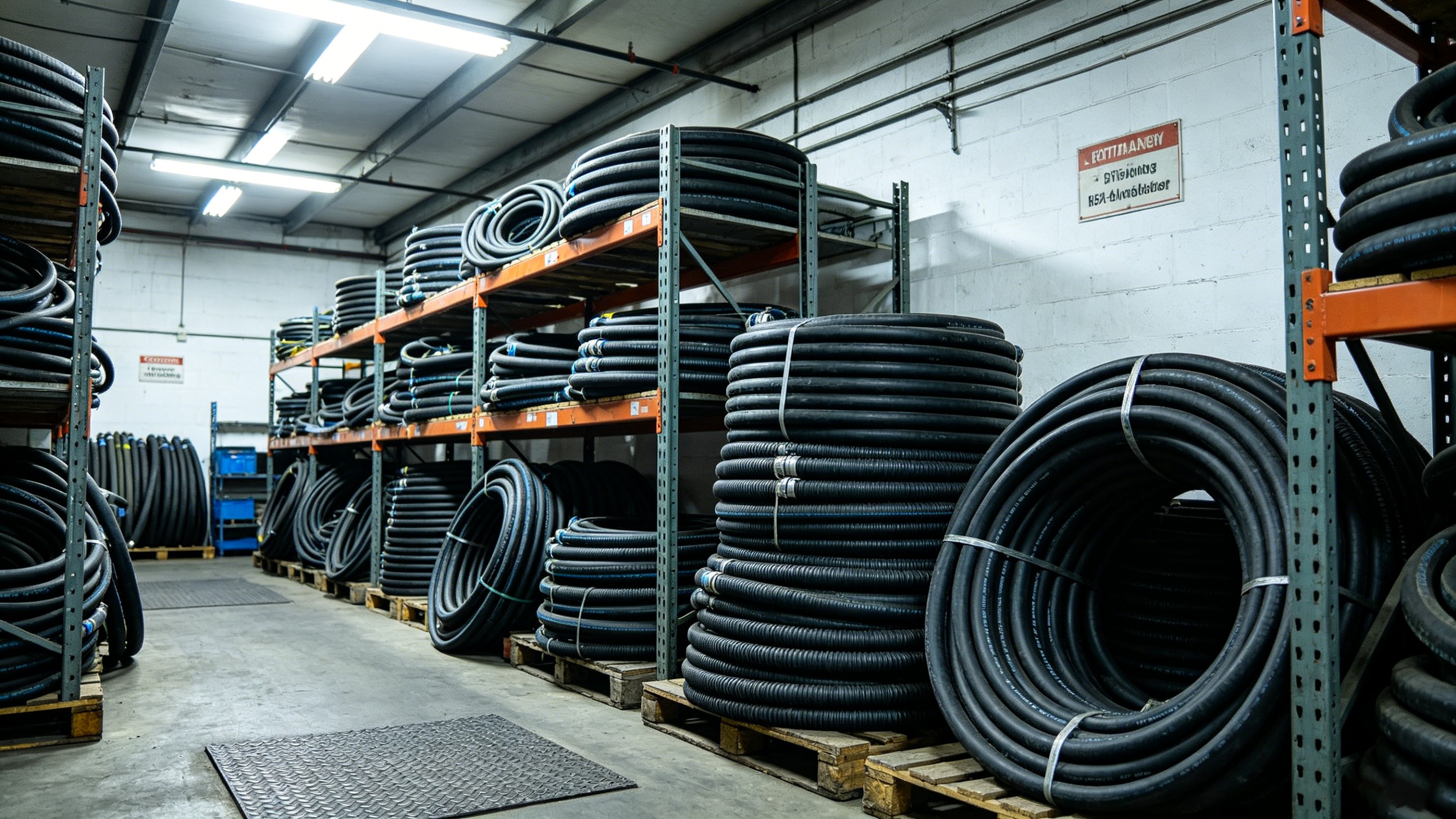
Keep Proper Storage
Store hoses in a clean, dry environment away from direct sunlight and heat sources.
10. What Industries Use Pressure Measuring Hoses?
Pressure measuring hoses are widely used across many industries.
Common applications include:
Construction Machinery
Used for hydraulic system testing and maintenance of excavators, loaders, cranes, and other equipment.
Industrial Manufacturing
Used in hydraulic machines, automation systems, and production equipment.
Hydraulic Component Testing
Used for testing hydraulic valves, pumps, cylinders, and other components.
Equipment Maintenance
Used by technicians to diagnose hydraulic system problems and improve maintenance efficiency.
11. How Long Does a Pressure Measuring Hose Last?
The service life of a pressure measuring hose depends on:
Working pressure
Frequency of use
Installation method
Operating environment
Maintenance condition
A high-quality nylon resin pressure measuring hose used under proper conditions can provide long-term reliable performance.
Regular inspection and correct operation are essential for maximizing hose lifespan.
12. Why Choose a Professional Pressure Measuring Hose Manufacturer?
A reliable manufacturer can provide better product consistency, safety, and technical support.
Professional hose manufacturers focus on:
High-quality raw materials
Advanced production processes
Strict quality inspection
Customized hose solutions
For industrial applications, choosing a manufacturer with experience in hydraulic hose production helps ensure stable performance and reduce maintenance costs.
Conclusion
Pressure measuring hoses play an important role in hydraulic system monitoring and testing. Choosing the correct hose, installing it properly, and performing regular maintenance can significantly improve system safety and measurement accuracy.
Nylon resin pressure measuring hoses provide excellent advantages including lightweight construction, high pressure resistance, flexibility, and chemical resistance, making them suitable for a wide range of hydraulic testing applications.
As a professional industrial hose manufacturer, we specialize in producing nylon resin pressure measuring hoses, nylon resin high pressure hoses, ultra-high pressure cleaning hoses, PU polyurethane hoses, PU steel wire hoses, and TPV rubber hoses. We provide reliable hose solutions for customers worldwide in hydraulic, industrial, and mechanical applications.