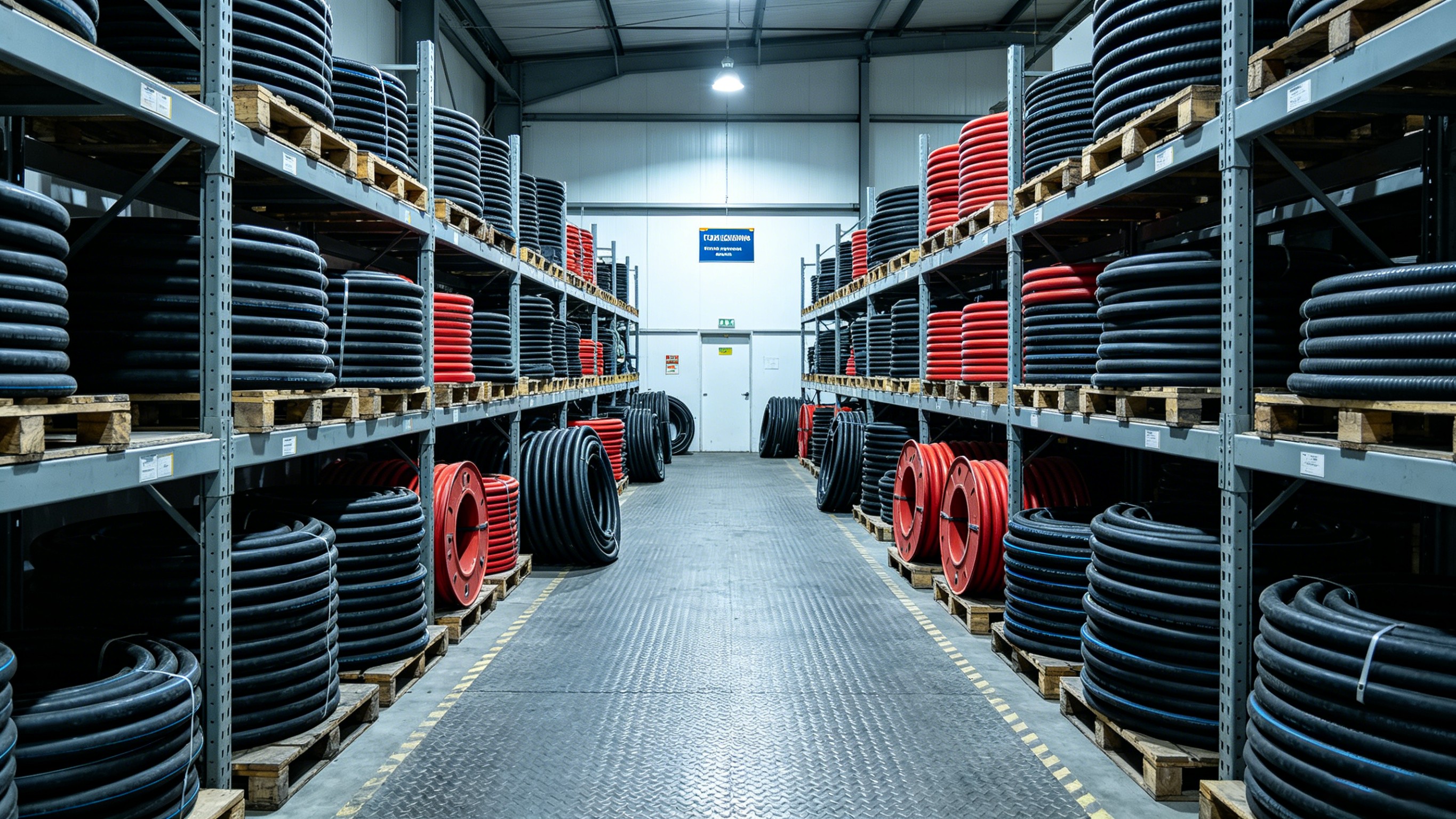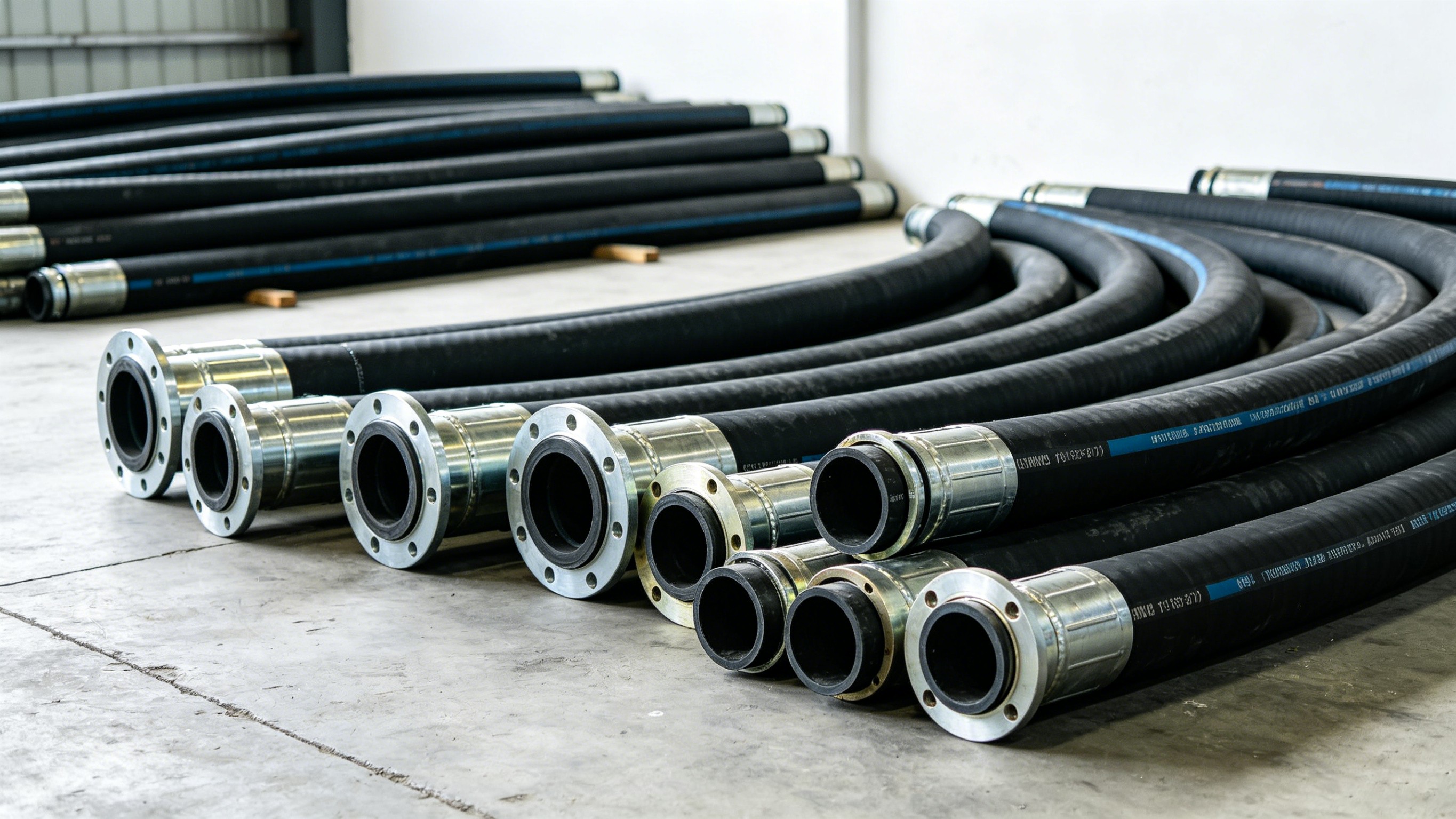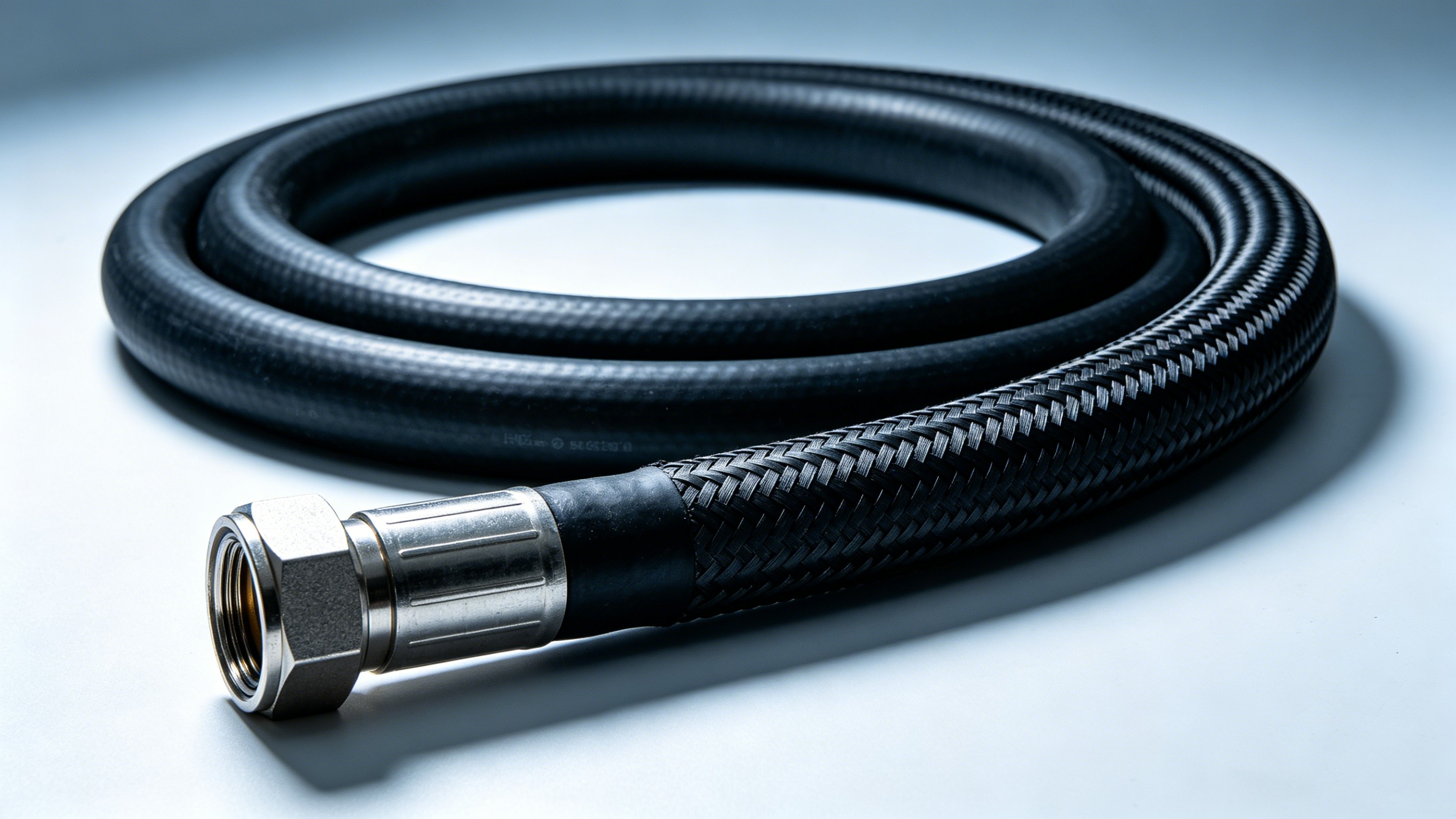
Common Problems and Solutions of PU Polyurethane Steel Wire Hoses
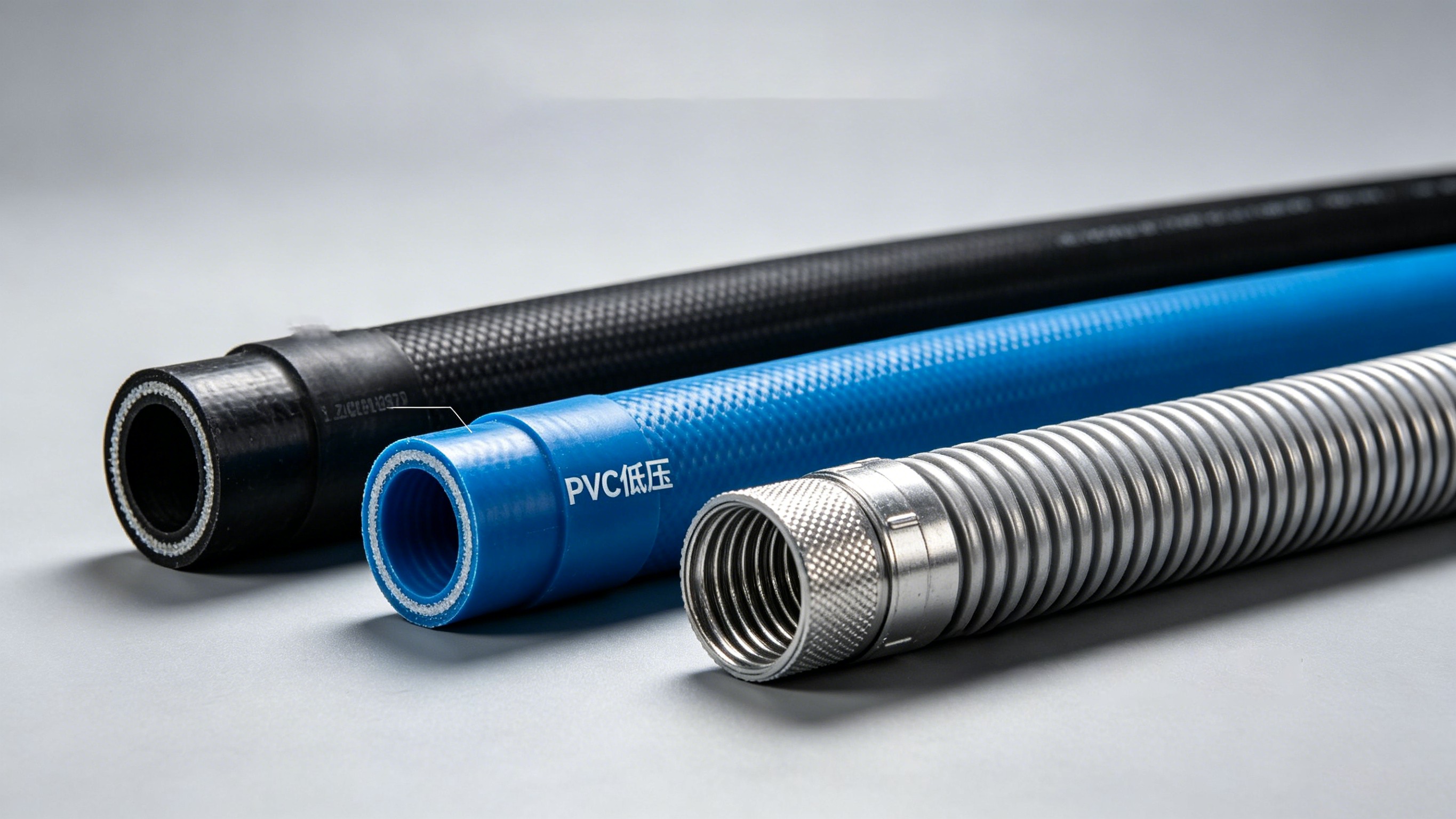
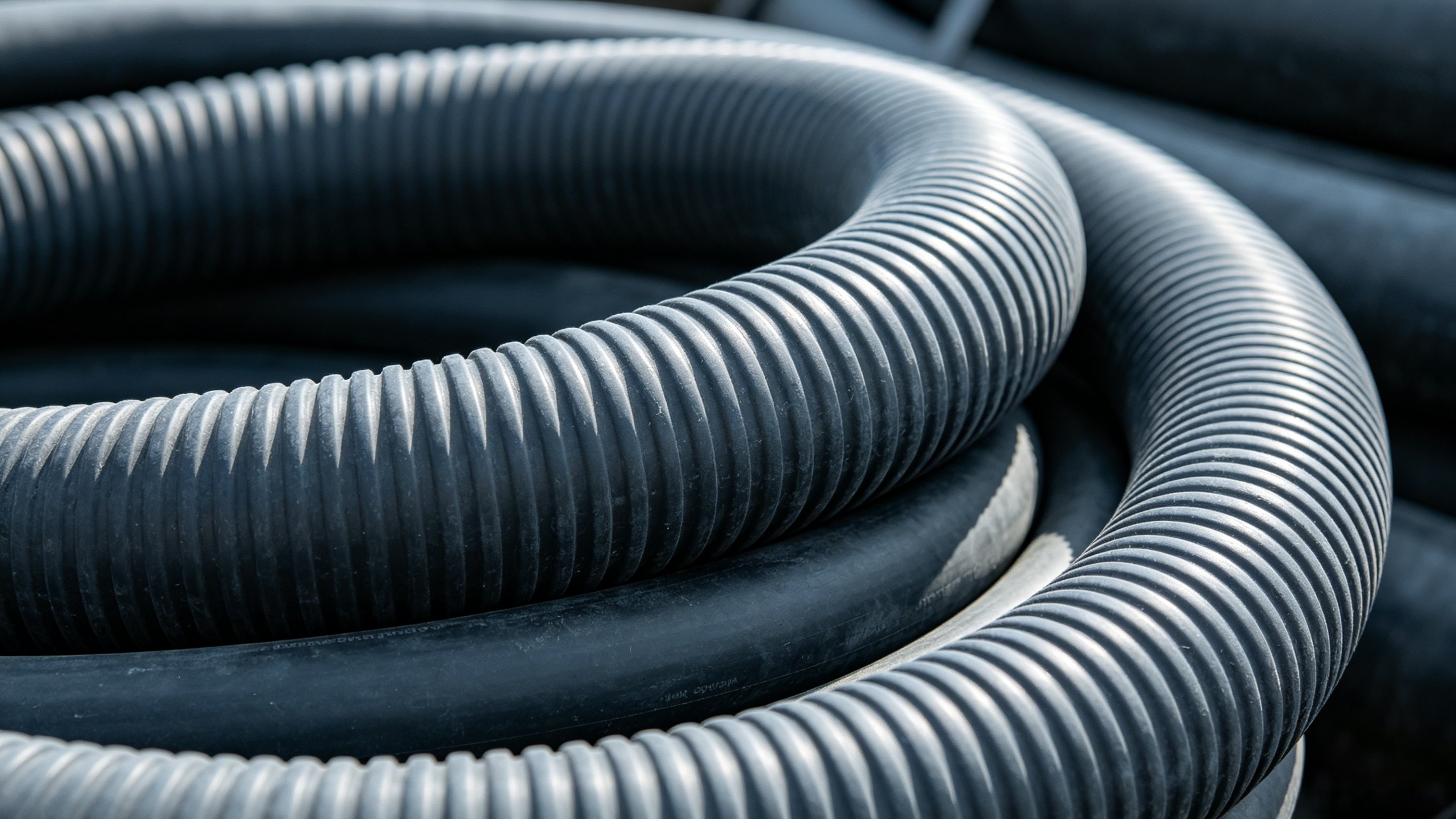
PU polyurethane steel wire hoses are widely used in industrial suction, ventilation, dust collection, and abrasive material conveying systems due to their excellent abrasion resistance, flexibility, and durability.
Compared with traditional PVC hoses, PU steel wire hoses provide better wear resistance and longer service life, especially when transporting materials such as dust, powder, wood chips, granules, and industrial particles.
However, during long-term operation, improper selection, incorrect installation, or unsuitable working conditions may still cause performance problems. Understanding these common issues and their solutions can help users improve hose reliability and reduce unexpected downtime.
1. Why Does a PU Steel Wire Hose Wear Out Quickly?
Abrasion resistance is one of the biggest advantages of polyurethane hoses. However, excessive wear may still occur when the hose is used under unsuitable conditions.
Common Causes:
Conveying Highly Abrasive Materials
Materials such as sand, ceramic particles, metal dust, and sharp granules can continuously impact the inner wall of the hose, accelerating wear.
Incorrect Hose Selection
Different applications require different hose wall thicknesses and polyurethane grades. A lightweight hose may not be suitable for heavy-duty abrasive conveying.
Excessive Airflow Speed
High-speed material movement increases friction between particles and the inner hose wall.
Solutions:
1.Select a PU hose with suitable wall thickness
2.Choose a wear-resistant polyurethane material
3.Match the hose specifications with the conveying material
4.Regularly inspect internal wear conditions
For applications involving highly abrasive materials, selecting a heavy-duty PU steel wire hose can significantly improve service life.
2. Why Does a PU Steel Wire Hose Collapse During Suction?
PU steel wire hoses are often used in vacuum and suction systems. If the hose collapses during operation, it may affect airflow efficiency or stop material transportation.
Common Causes:
Insufficient Vacuum Resistance
Not all flexible hoses are designed for strong negative pressure applications.
Incorrect Hose Structure
A hose without sufficient steel wire reinforcement may lose its shape under high vacuum conditions.
Excessive Bending
Sharp bends can reduce the hose's structural stability and increase the possibility of collapse.
Solutions:
1.Select a hose designed for vacuum applications
2.Choose reinforced PU steel wire hoses with suitable wire thickness
3.Maintain the recommended bending radius
4.Avoid excessive compression during installation
A properly designed steel wire reinforcement structure helps the hose maintain its shape under negative pressure.
3. Why Does a PU Hose Crack or Become Hard?
Although polyurethane has excellent durability, environmental factors may affect hose flexibility over time.
Common Causes:
Extreme Temperatures
Long-term exposure to very high or low temperatures may reduce material flexibility.
UV Exposure
Continuous exposure to direct sunlight may accelerate material aging.
Chemical Contact
Certain chemicals or solvents may affect polyurethane performance.
Solutions:
1.Select a hose suitable for the working temperature range
2.Avoid unnecessary outdoor exposure
3.Confirm chemical compatibility before use
4.Store hoses properly when not in operation
Proper material selection and storage conditions can help maintain hose flexibility.
4. Why Does the Steel Wire Inside the Hose Break?
The spiral steel wire is an important reinforcement component that provides structural support and vacuum resistance.
Steel wire damage may reduce hose performance and safety.
Common Causes:
Excessive Bending
Bending beyond the recommended radius creates repeated stress on the wire.
Twisting During Installation
Twisting causes uneven stress distribution inside the hose.
External Impact
Heavy objects or sharp materials may damage the hose structure.
Long-Term Fatigue
Frequent movement and repeated bending can gradually weaken the reinforcement wire.
Solutions:
1.Install the hose without twisting
2.Avoid sharp bends
3.Use proper supports for moving applications
4.Replace hoses with damaged reinforcement
Correct installation plays an important role in protecting the internal steel wire structure.
5. Why Does the Hose Lose Suction or Conveying Efficiency?
A PU steel wire hose may experience reduced performance after long-term use.
Common Causes:
Internal Material Build-Up
Dust, powder, or sticky particles may accumulate inside the hose.
Hose Diameter Is Incorrect
A hose that is too small may restrict airflow and reduce conveying efficiency.
Internal Wall Wear
Severe wear can affect airflow performance.
Air Leakage
Damaged hose surfaces or loose connections may reduce suction power.
Solutions:
1.Clean the hose regularly
2.Select the correct hose diameter
3.Check connection points
4.Replace severely worn hoses
Maintaining a smooth internal flow path helps improve system efficiency.
6. Why Does a PU Steel Wire Hose Leak?
Although PU hoses are highly durable, leakage can occur after extended use or mechanical damage.
Common Causes:
External Cuts or Abrasion
Sharp objects and rough surfaces can damage the hose wall.
Loose Connections
Improper installation of clamps or fittings may cause air leakage.
Hose Aging
Long-term use under harsh conditions may reduce material strength.
Solutions:
1.Inspect the hose surface regularly
2.Tighten or replace damaged fittings
3.Use protective measures in high-wear areas
4.Replace severely damaged hoses
Preventive inspection can reduce unexpected leakage problems.
7. Why Does a PU Steel Wire Hose Become Difficult to Install?
A flexible industrial hose should maintain good flexibility during installation and operation.
Common Causes:
Low Temperature Environment
Cold conditions may temporarily reduce flexibility.
Incorrect Storage
Long-term compression or improper storage may deform the hose.
Material Aging
Aging may reduce elasticity over time.
Solutions:
1.Store hoses properly
2.Avoid long-term compression
3.Select suitable hose materials for the environment
4.Replace severely aged hoses
Proper storage helps maintain the original flexibility of polyurethane hoses.
8. How to Prevent Premature Failure of PU Steel Wire Hoses?
Proper usage and maintenance are essential for maximizing hose life.
Recommended Practices:
Choose the Correct Hose Type
Consider:
Conveying materials
Working temperature
Vacuum requirements
Installation conditions
Install Correctly
Avoid:
Twisting
Excessive bending
Sharp-angle installation
Inspect Regularly
Check for:
Wear
Cracks
Leakage
Steel wire damage
Store Properly
Keep hoses:
Clean
Dry
Away from direct sunlight
Protected from heavy pressure
Choosing a Reliable PU Steel Wire Hose Manufacturer
The quality of a PU polyurethane steel wire hose depends on raw materials, manufacturing technology, and quality control.
A professional manufacturer should provide:
High-quality polyurethane materials
Strong steel wire reinforcement
Uniform wall thickness
Stable production processes
Customized solutions
Choosing a reliable supplier helps ensure consistent performance and reduces long-term operating costs.
Conclusion
PU polyurethane steel wire hoses provide excellent solutions for industrial suction, ventilation, and abrasive material conveying applications. Their outstanding wear resistance, flexibility, and lightweight design make them suitable for demanding environments.
However, problems such as excessive wear, hose collapse, cracking, leakage, and reinforcement damage may occur if the hose is incorrectly selected or maintained.
By understanding common failure causes and applying proper solutions, users can significantly improve hose performance and extend service life.
As a professional industrial hose manufacturer, we specialize in producing PU polyurethane steel wire hoses, PU plastic reinforced hoses, nylon resin high pressure hoses, pressure measuring hoses, ultra-high pressure cleaning hoses, and TPV rubber hoses. We provide reliable and customized hose solutions for industrial customers worldwide.