PU Steel Wire Hose for Abrasive Material Conveying: Applications and Benefits
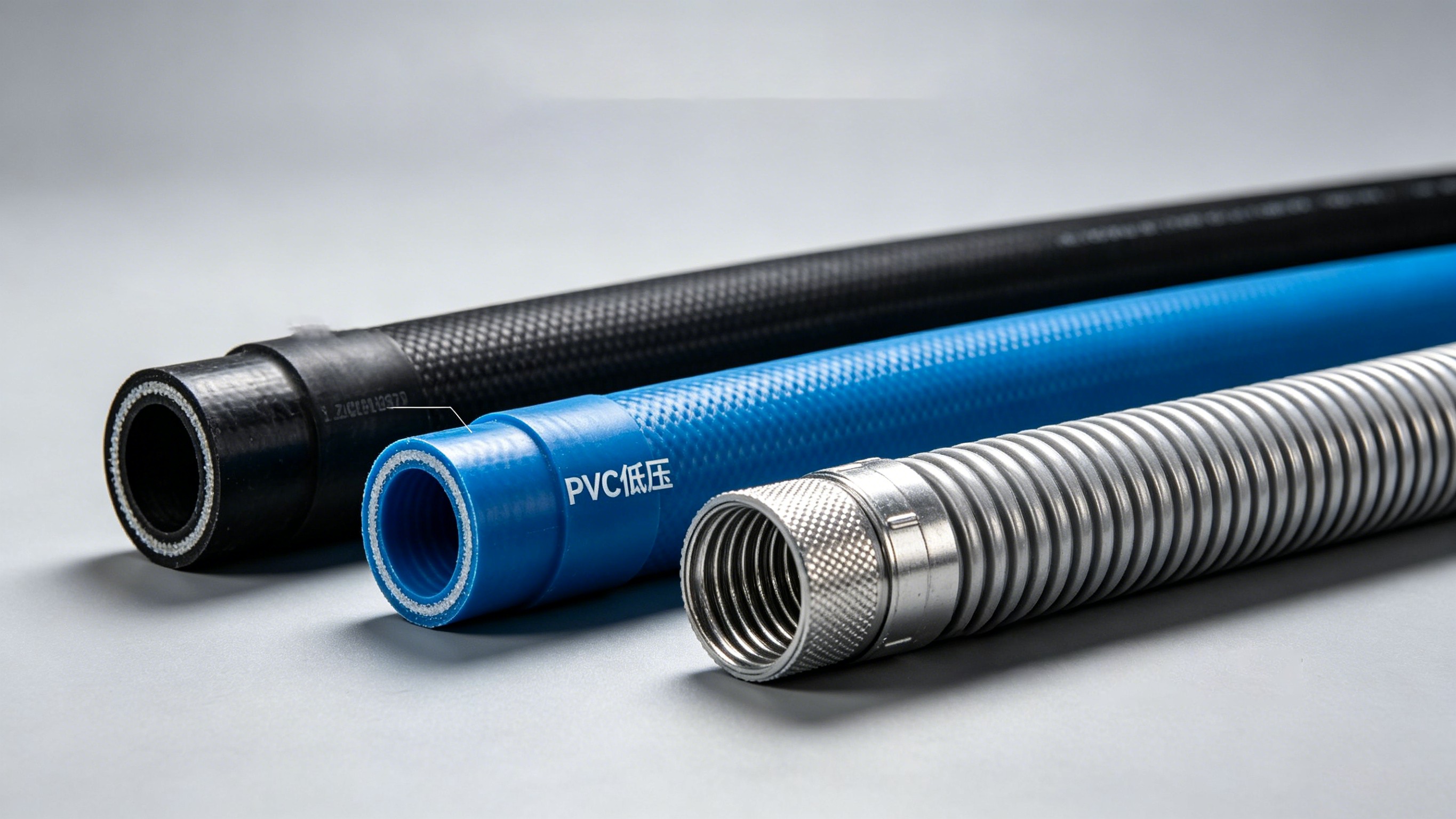
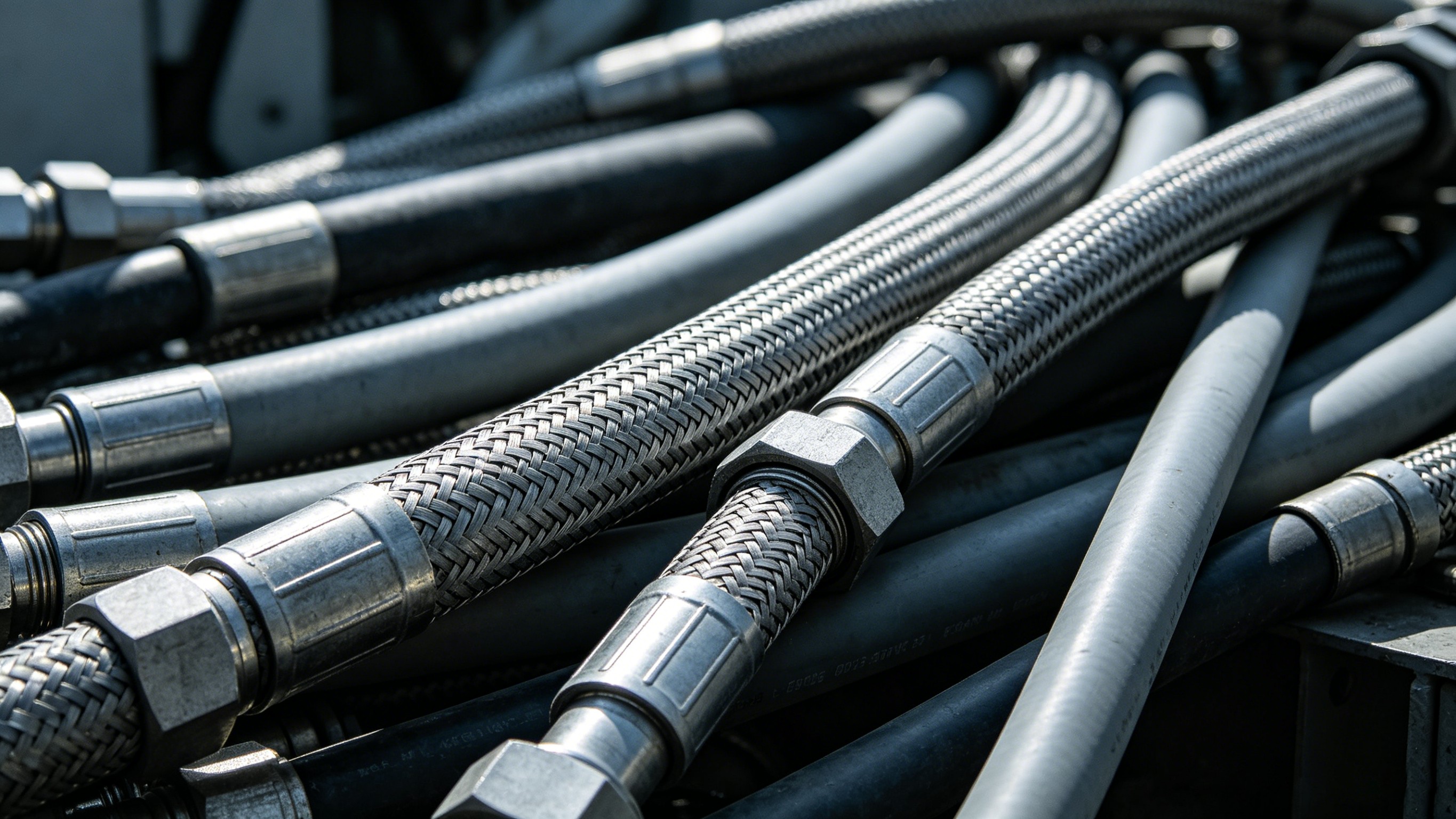
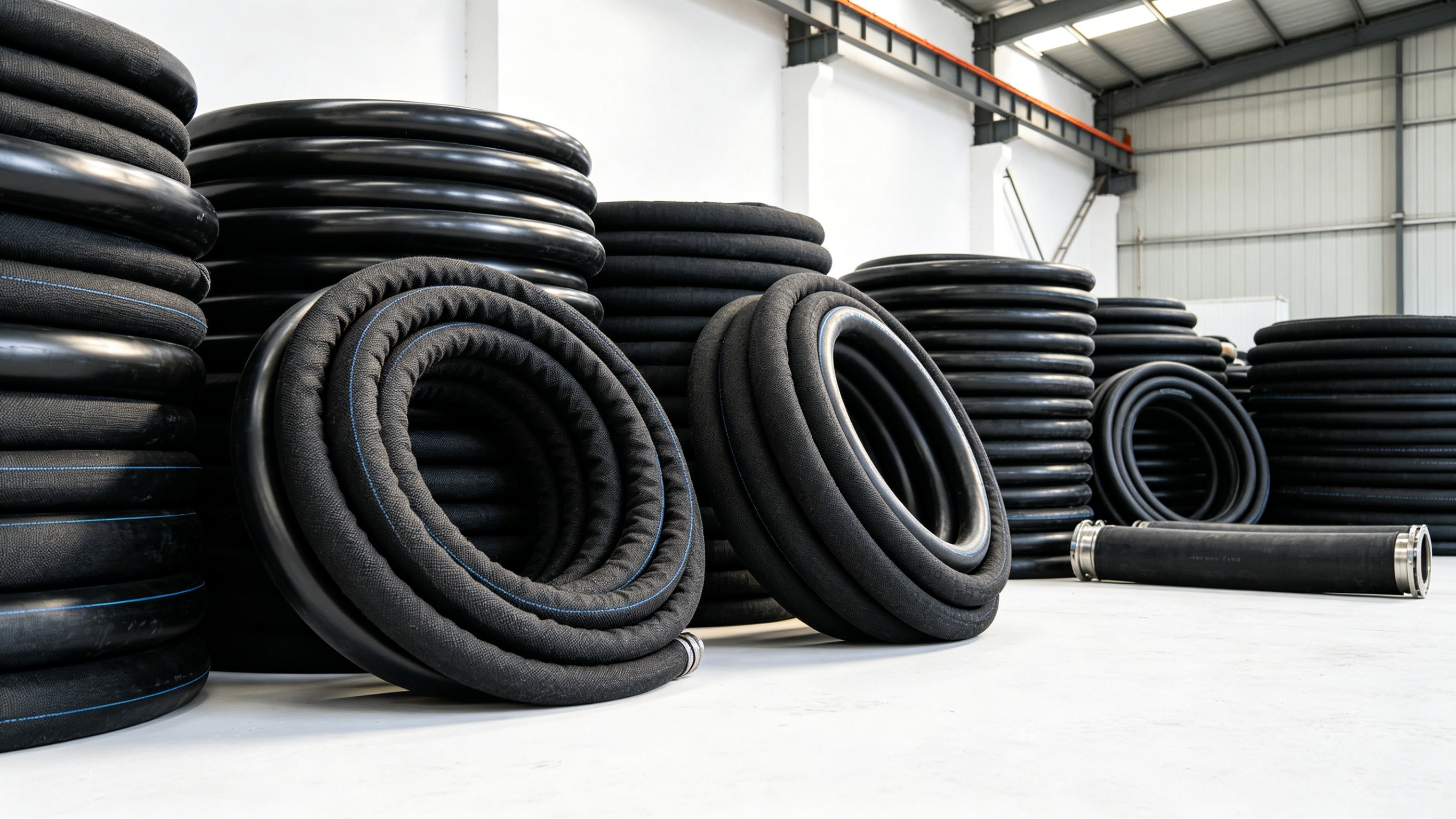
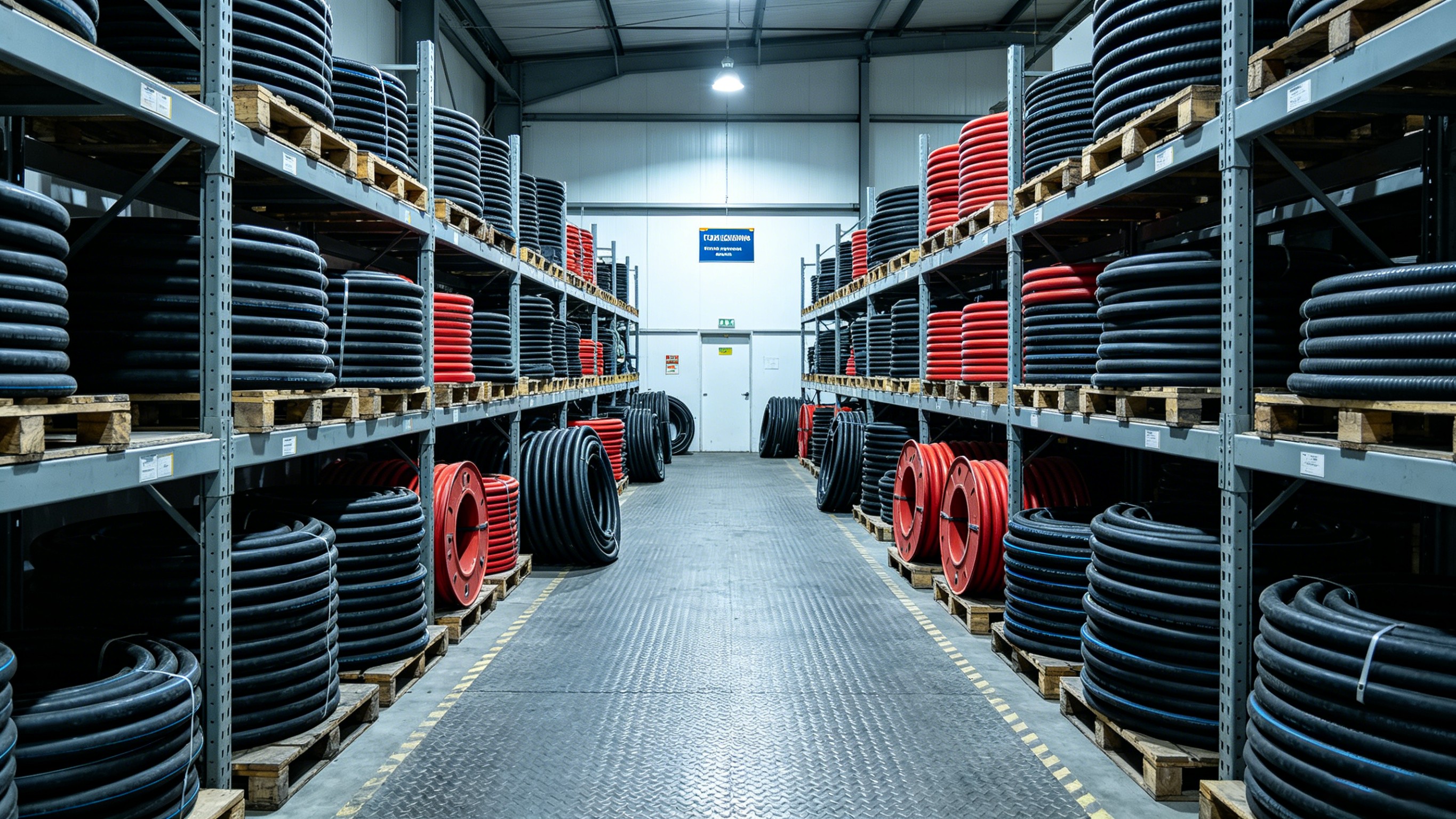
In many industrial production processes, the transportation of abrasive materials is an important part of manufacturing operations. Materials such as powders, granules, dust, wood chips, and mineral particles can cause severe wear on ordinary hoses during continuous conveying.
To improve equipment reliability and reduce maintenance costs, industries increasingly choose PU polyurethane steel wire hoses as a flexible and durable solution for abrasive material handling.
With excellent wear resistance, flexibility, and structural stability, PU steel wire hoses are widely used in industries including woodworking, ceramics, plastics, agriculture, chemical processing, and industrial dust collection.
Challenges of Abrasive Material Conveying Systems
Abrasive materials can create significant challenges for flexible hose systems.
During transportation, materials continuously impact and rub against the inner wall of the hose. Over time, this may lead to:
1.Inner wall wear
2.Reduced conveying efficiency
3.Hose leakage
4.Frequent replacement
5.Increased maintenance costs
Traditional hoses may not provide sufficient durability for these applications.
Therefore, industrial users require hoses that combine:
1.High abrasion resistance
2.Good flexibility
3.Strong mechanical strength
5.Long service life
PU polyurethane steel wire hoses are designed to meet these demanding requirements.
What Makes PU Steel Wire Hose Suitable for Abrasive Materials?
1. Outstanding Abrasion Resistance
The biggest advantage of PU steel wire hoses is their excellent resistance to mechanical wear.
Polyurethane has better abrasion resistance than many traditional plastic materials, allowing the hose to handle continuous contact with abrasive particles.
Typical transported materials include:
Sand
Powder
Wood chips
Plastic granules
Ceramic particles
Metal dust
Industrial waste
The wear-resistant PU inner wall helps reduce damage caused by high-speed material movement.
2. Strong Steel Wire Reinforcement
A spiral steel wire is embedded inside the polyurethane hose wall to improve structural performance.
The reinforcement layer provides:
Vacuum resistance
Shape stability
Compression resistance
Better flexibility
This allows the hose to maintain reliable performance during suction and conveying operations.
For systems involving negative pressure, the steel wire structure helps prevent hose collapse and maintains stable airflow.
3. Excellent Flexibility in Industrial Applications
Industrial conveying systems often require hoses to be installed around machines, corners, and limited spaces.
PU steel wire hoses provide:
Flexible routing
Easy installation
Small bending radius
Good movement capability
Compared with rigid piping systems, flexible polyurethane hoses offer greater installation convenience and adaptability.
4. Lightweight Alternative to Traditional Piping
Traditional metal pipes can provide durability but often have disadvantages:
Heavy weight
Difficult installation
Limited flexibility
Higher modification costs
PU steel wire hoses offer a lightweight alternative while maintaining excellent performance.
Benefits include:
Easier transportation
Faster installation
Reduced equipment load
Easier system adjustment
Applications of PU Steel Wire Hose in Abrasive Material Conveying
1. Powder and Granule Transportation
Many industries require flexible hoses for transporting powders and granules.
Common materials include:
Plastic particles
Chemical powders
Food-grade powders
Industrial granules
PU steel wire hoses provide smooth material flow and excellent wear resistance.
2. Wood Processing Industry
Woodworking operations produce abrasive waste materials such as:
Sawdust
Wood chips
Cutting debris
PU hoses are widely used in:
CNC woodworking machines
Sawdust extraction systems
Industrial vacuum equipment
Their wear-resistant structure helps handle continuous wood waste transportation.
3. Ceramic and Mineral Processing
Ceramic manufacturing involves materials that can quickly wear ordinary hoses.
Applications include:
Ceramic powder conveying
Mineral particle transportation
Dust collection systems
PU steel wire hoses provide improved durability in these harsh environments.
4. Plastic Processing Industry
Plastic processing plants often need to transfer:
Plastic pellets
Granules
Production waste
PU steel wire hoses are suitable for:
Material feeding systems
Recycling equipment
Industrial vacuum systems
Their smooth inner surface helps reduce material accumulation.
5. Agricultural and Industrial Applications
PU hoses can also be used for transporting:
Grain
Seeds
Agricultural particles
Lightweight materials
Their flexibility makes them suitable for mobile equipment and changing work environments.
How to Select the Right PU Steel Wire Hose for Abrasive Materials?
Choosing the correct hose specification is essential for achieving the best performance.
1. Consider Material Abrasiveness
Different materials create different wear levels.
For example:
Fine dust → standard PU hose
Wood chips → abrasion-resistant hose
Sharp particles → heavy-duty PU hose
2. Consider Hose Wall Thickness
A thicker polyurethane wall generally provides better wear resistance.
For highly abrasive materials, users should select hoses designed for heavy-duty applications.
3. Consider Conveying Method
Different systems require different hose structures.
Suction Applications
Require:
Strong vacuum resistance
Good flexibility
Stable structure
Pressure Conveying Applications
Require:
Higher mechanical strength
Suitable pressure resistance
4. Consider Operating Environment
Evaluate:
Temperature conditions
Chemical exposure
Frequency of movement
Installation space
Selecting according to actual conditions helps maximize hose performance.
Maintenance Tips for Abrasive Material Conveying Hoses
Even durable PU hoses require proper maintenance.
Regularly Check Wear
Inspect:
Inner wall thickness
Surface condition
Steel wire reinforcement
Avoid Excessive Bending
Maintain the recommended bending radius to protect the hose structure.
Prevent External Damage
Avoid contact with:
Sharp edges
Rough surfaces
Heavy equipment
Replace When Necessary
Replace hoses when:
Severe wear occurs
Leakage appears
Steel wire is damaged
Why Choose PU Steel Wire Hose for Industrial Material Conveying?
Compared with ordinary hoses, PU steel wire hoses provide better performance in demanding environments.
Main advantages include:
Excellent abrasion resistance
Lightweight design
Flexible installation
Good vacuum resistance
Long service life
These characteristics make them an efficient solution for industries requiring continuous transportation of abrasive materials.
Conclusion
PU polyurethane steel wire hoses are an ideal choice for abrasive material conveying applications. Their combination of wear-resistant polyurethane material and strong steel wire reinforcement provides reliable performance in challenging industrial environments.
From woodworking and ceramic processing to plastic production and industrial dust collection, PU steel wire hoses help improve system efficiency, reduce maintenance frequency, and provide long-term value.
Selecting the correct hose according to material characteristics and operating conditions is essential for achieving the best results.
As a professional industrial hose manufacturer, we specialize in producing PU polyurethane steel wire hoses, PU plastic reinforced hoses, nylon resin high pressure hoses, pressure measuring hoses, ultra-high pressure cleaning hoses, and TPV rubber hoses. We provide customized industrial hose solutions for customers worldwide.