Nylon Resin Pressure Measurement Hoses – The Precision Link in Hydraulic Diagnostics
In hydraulic systems, accurate pressure monitoring is not just a matter of performance optimization — it is a critical requirement for equipment safety, predictive maintenance, and failure prevention. At the heart of every reliable pressure measurement setup lies the connecting hose itself. Nylon resin pressure measurement hoses have emerged as the industry's preferred solution for this precision task, combining high-pressure capability with exceptional flexibility and chemical resistance.
What Is a Nylon Resin Pressure Measurement Hose?
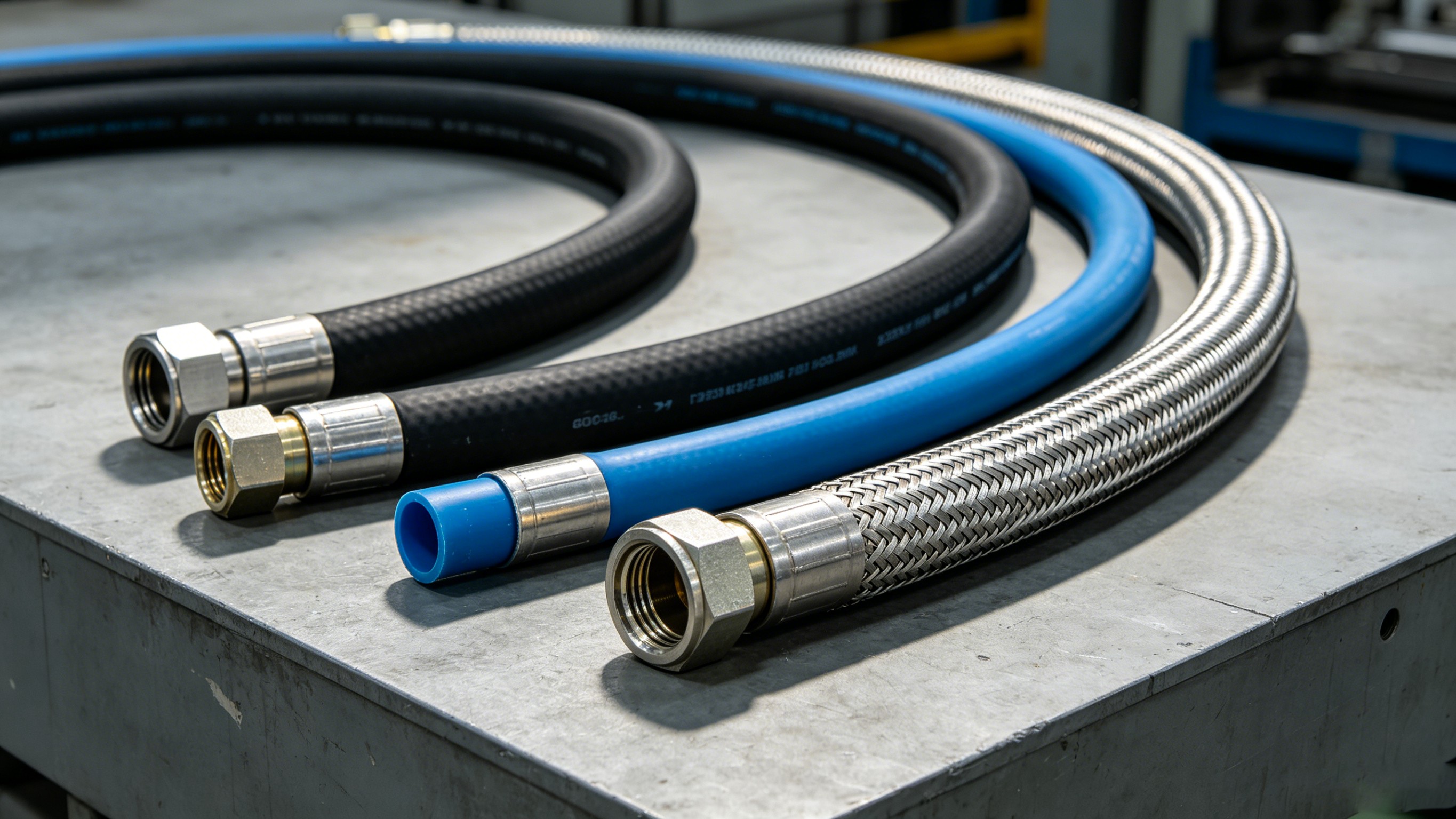
A nylon resin pressure measurement hose is a specialized flexible conduit designed specifically for connecting hydraulic test points to pressure gauges, transducers, or diagnostic instruments. Unlike standard delivery hoses, measurement hoses demand higher precision in pressure transmission, minimal volume expansion under load, and reliable sealing performance even under dynamic pressure fluctuations.
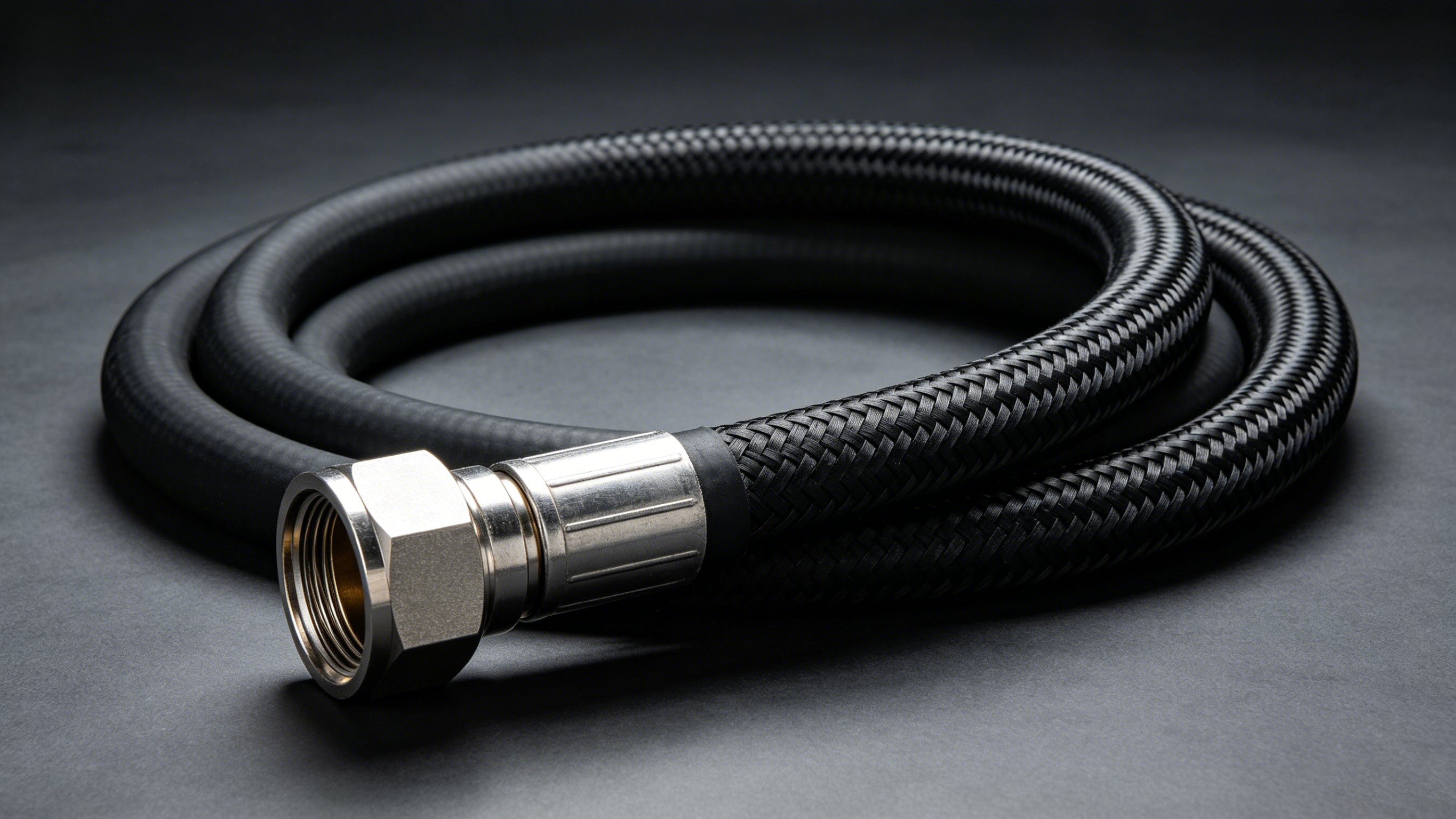
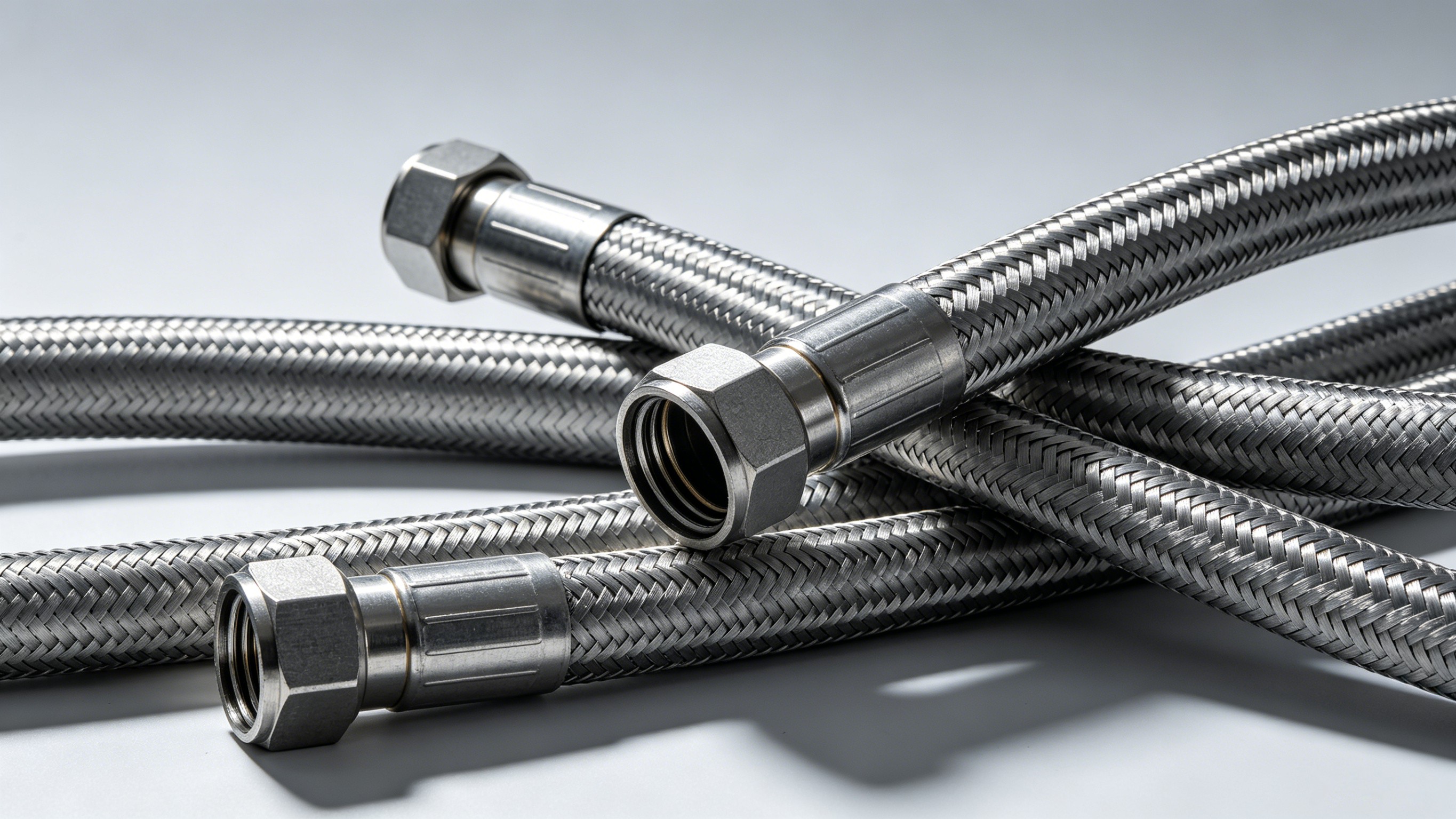
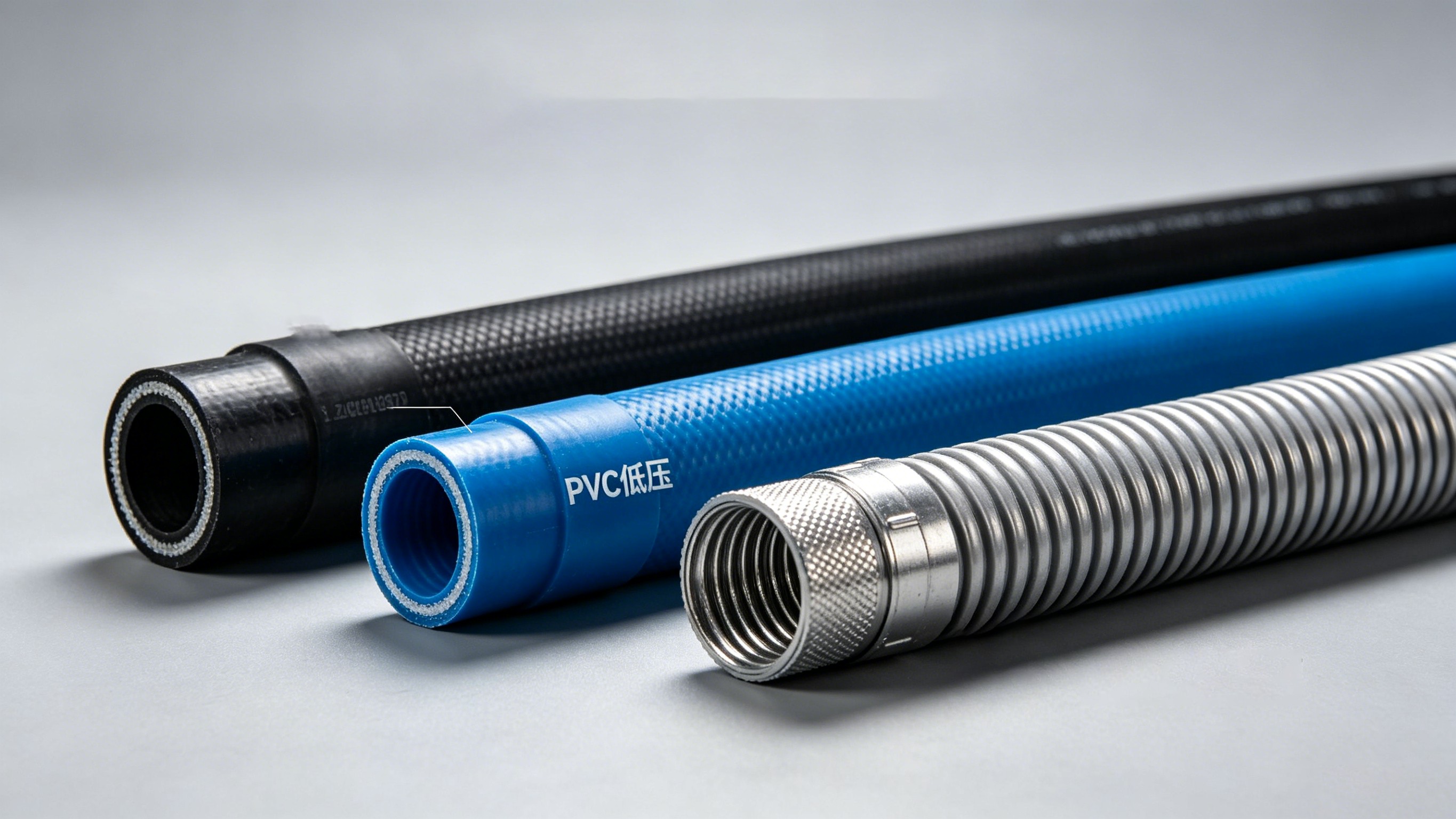
Typically constructed with a nylon inner core, a high-tensile steel wire braid reinforcement layer, and a transparent or translucent polyurethane outer cover, these hoses allow visual inspection of fluid condition while ensuring accurate pressure signal transmission without attenuation or distortion.
Key Features That Ensure Measurement Accuracy
1. Minimal Volumetric Expansion for True Pressure Readings
One of the most critical parameters for a measurement hose is volumetric expansion under pressure. Nylon resin tubes exhibit extremely low expansion rates compared to rubber or standard thermoplastic hoses. This characteristic ensures that the pressure transmitted from the test point to the gauge is virtually identical to the actual system pressure, eliminating reading errors caused by hose dilation.
2. High Burst Pressure with Safety Margin
Most nylon resin pressure measurement hoses are rated for working pressures up to 40MPa to 70MPa, with burst pressures reaching 2.5 to 3 times the working pressure. This generous safety margin provides operators with confidence during high-pressure diagnostics, especially in applications involving construction equipment, injection molding machines, and heavy-duty hydraulic presses.
3. Broad Chemical Compatibility for Diverse Fluids
The nylon inner core is compatible with a wide range of hydraulic fluids, including mineral oils, synthetic esters, water-glycol mixtures, and phosphate esters. This chemical versatility allows the same hose type to be used across different machinery brands and fluid specifications, simplifying inventory management for maintenance departments.
4. Enhanced Flexibility for Confined Spaces
Equipment compartments and hydraulic power units often leave limited room for gauge connections. Nylon resin measurement hoses offer superior bend radius performance compared to metal tubing or stiff rubber alternatives. This flexibility allows technicians to route the hose around obstacles without risking kinking or flow restriction, enabling pressure checks in previously inaccessible locations.
5. Visual Fluid Monitoring
The transparent or translucent PU outer cover, combined with a clear nylon inner layer, provides visual access to the fluid flowing through the hose. Technicians can quickly spot contamination, aeration, or discoloration — early warning signs of system issues — without needing to draw fluid samples.
Where Are They Used?
Application Why Nylon Resin Measurement Hoses Are Chosen
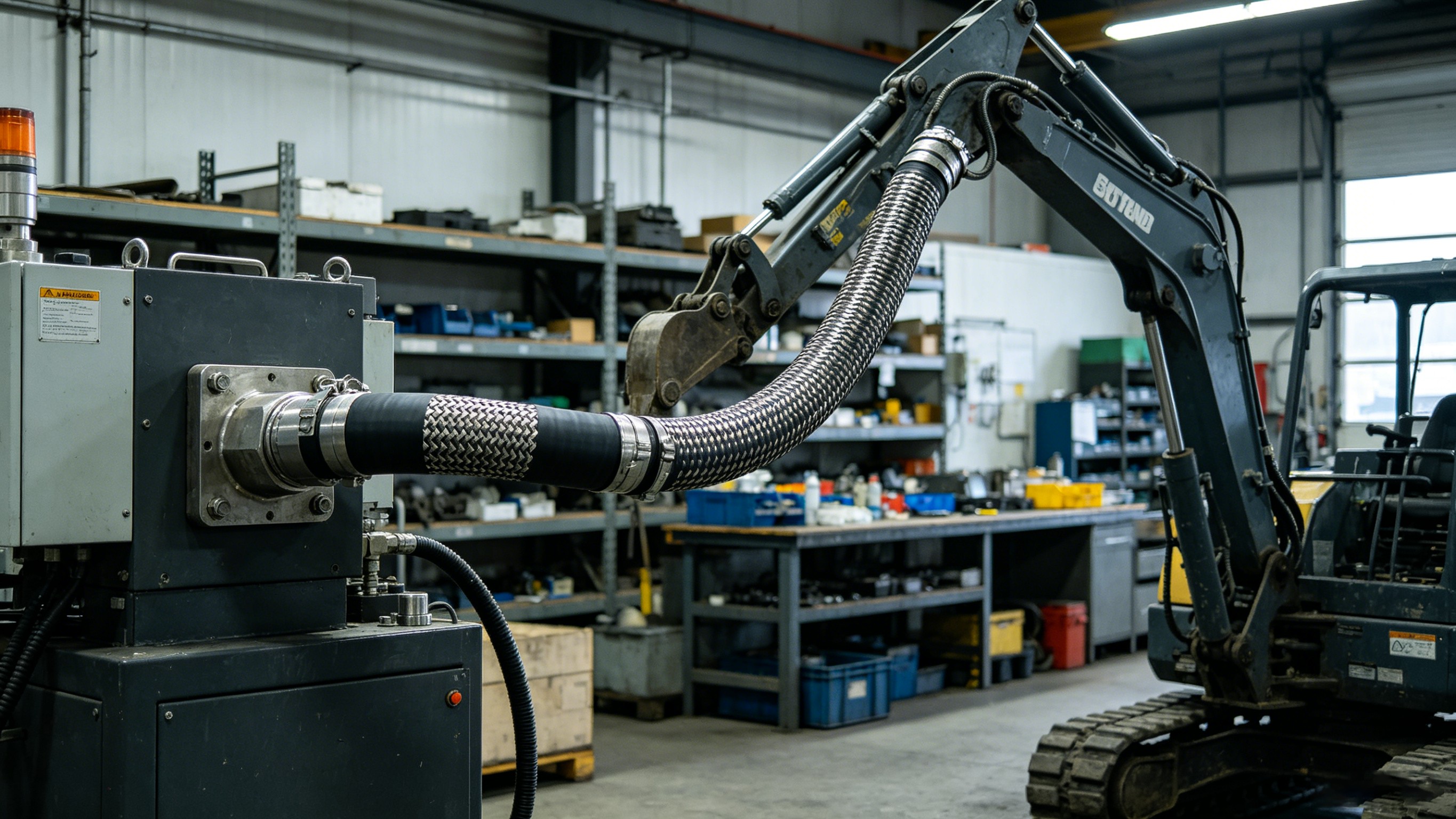
Mobile construction equipment (excavators, loaders) Withstand high-pressure spikes; flexible routing through tight chassis spaces
Injection molding machines Chemical resistance to diverse hydraulic oils; accurate pressure feedback for process control
Hydraulic press systems Reliable sealing under cyclic pressure; minimal expansion for repeatable readings
Wind turbine pitch control Compact routing; durable against temperature extremes
Marine and offshore hydraulics Corrosion-resistant fittings; salt-spray resistant outer materials
Field service test kits Lightweight and portable; durable enough for frequent connection/disconnection cycles
Connection Systems: Quick and Reliable
Nylon resin pressure measurement hoses are typically fitted with industry-standard connections, including:
M16 x 2 female swivel nuts (common in European machinery)
¼" NPT or ½" NPT threads (prevalent in North American equipment)
G ¼" or G ½" BSPP threads (widely used in Asian and UK markets)
Quick-coupler adapters for tool-less connection to test points
Many manufacturers offer custom length options and fitting configurations to match specific machine requirements, ensuring a secure, leak-free interface at every connection point.
Maintenance and Replacement Best Practices
To ensure measurement accuracy and operator safety, consider the following guidelines:
Regularly inspect the outer protective layer: Check for signs of
----------------------------------------------------------------cuts, abrasions, or chemical corrosion. Replacement cycle: It is recommended to replace every 2 years or when significant wear occurs. In demanding applications, the cycle should be shortened. Avoid excessive bending: Although the hose is flexible, it should not be bent to less than the recommended minimum bending radius to prevent damage to the reinforcement layer. Proper storage: When not in use, store in a cool, dry place away from direct sunlight and ozone sources.
Conclusion
In the world of hydraulic diagnostics, the quality of the measurement hose directly determines the reliability of the data collected. Nylon resin pressure measurement hoses combine the mechanical strength required for high-pressure service with the flexibility and chemical resilience needed for practical field use. Whether you are performing routine maintenance, troubleshooting a system fault, or commissioning new equipment, choosing the right measurement hose is an investment in both accuracy and safety.
— This article is written by the technical team of [Your Company Name]. For sizing assistance, custom length inquiries, or fitting configuration support, please reach out to our application engineers.