Ultimate Guide to PU Polyurethane Steel Wire Hose: The Reliable Choice for Industrial Air and Material Transfer
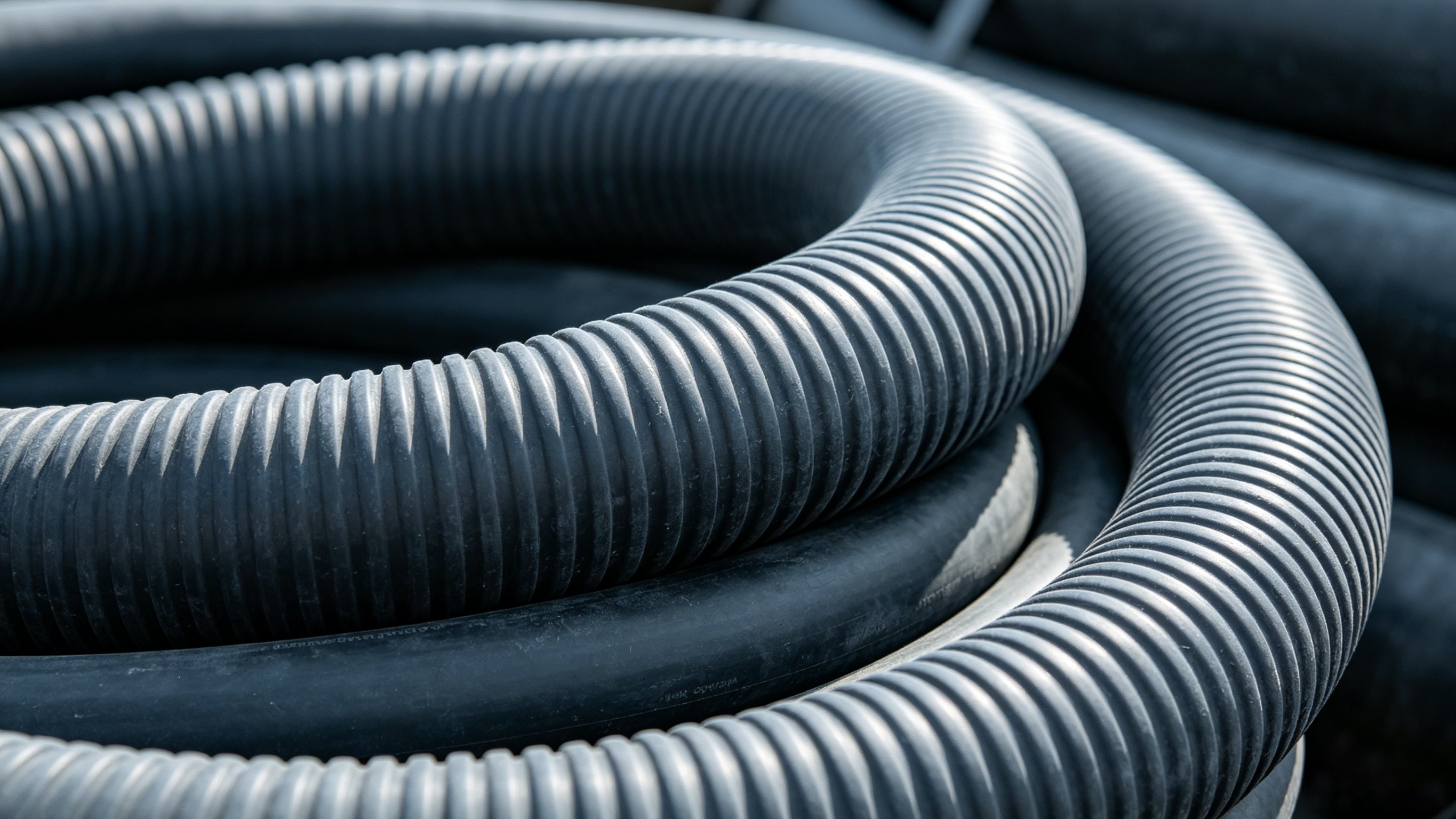
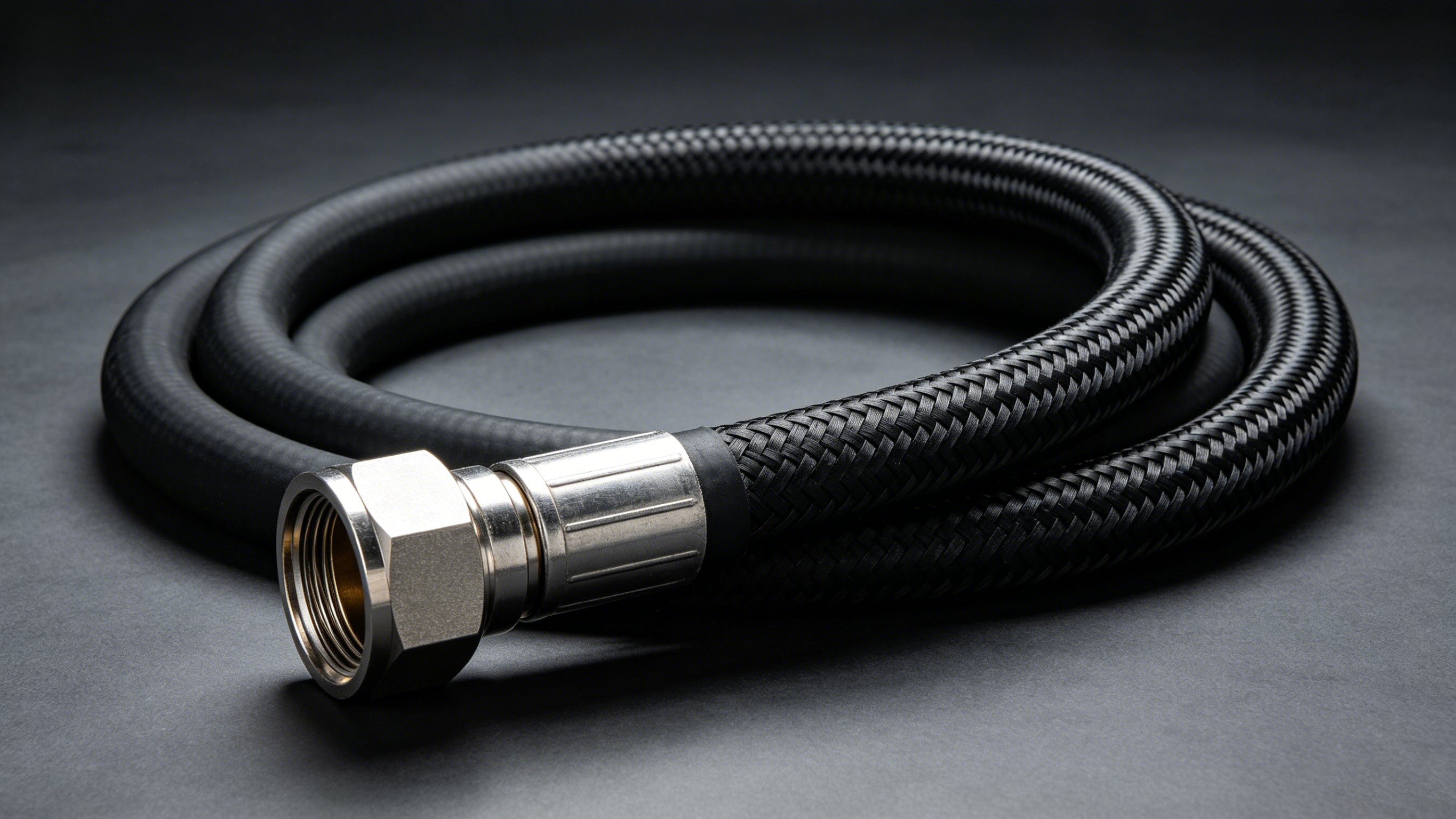
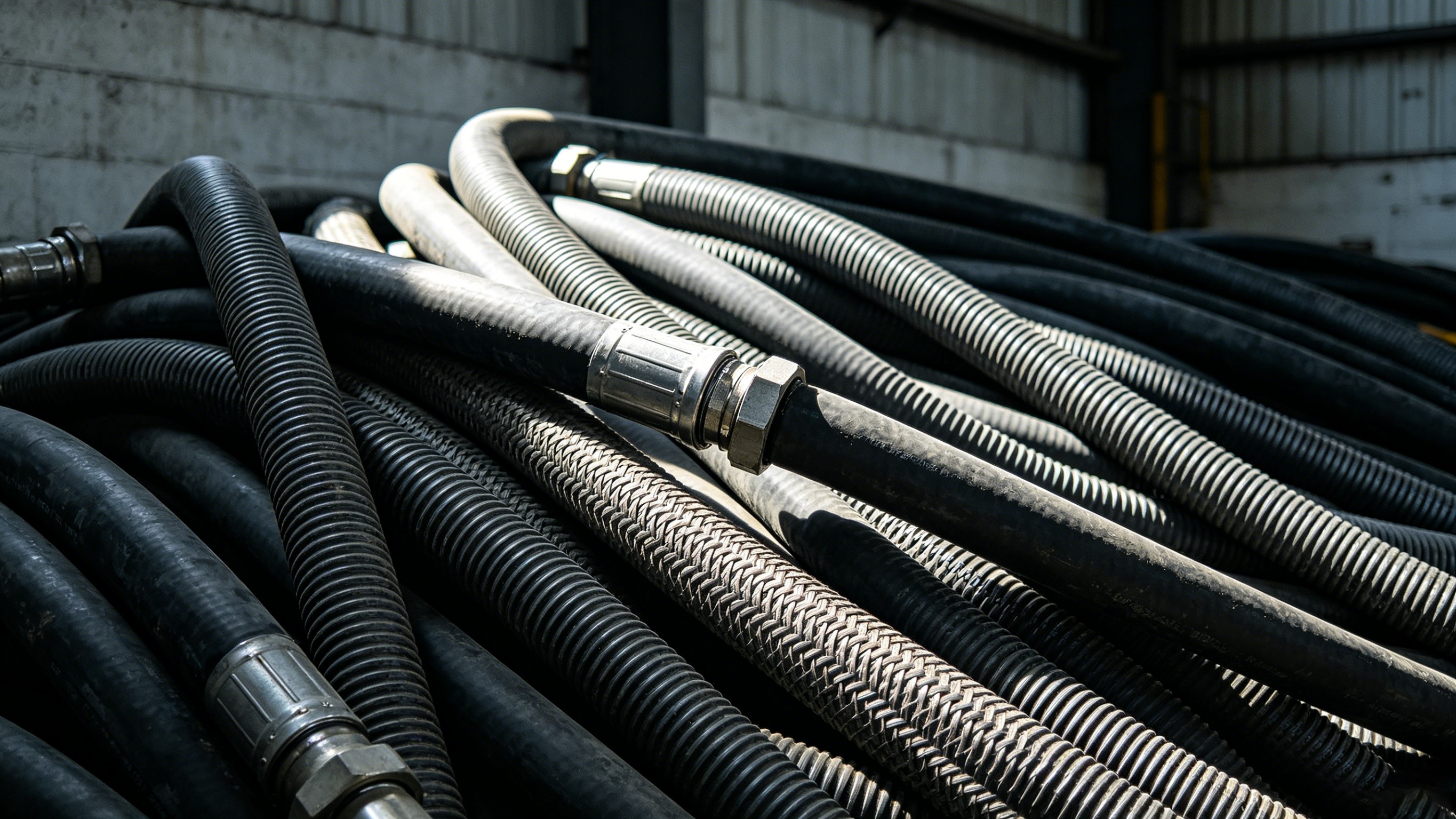
In industrial environments, the performance of air and material transfer hoses directly affects operational efficiency and workplace safety. PU polyurethane steel wire hoses (often referred to as steel wire-reinforced PU hoses or PU wire hose) have become the standard for many demanding applications. Their unique combination of flexibility, strength, and durability makes them ideal for pneumatic systems, dust extraction, and material conveying.
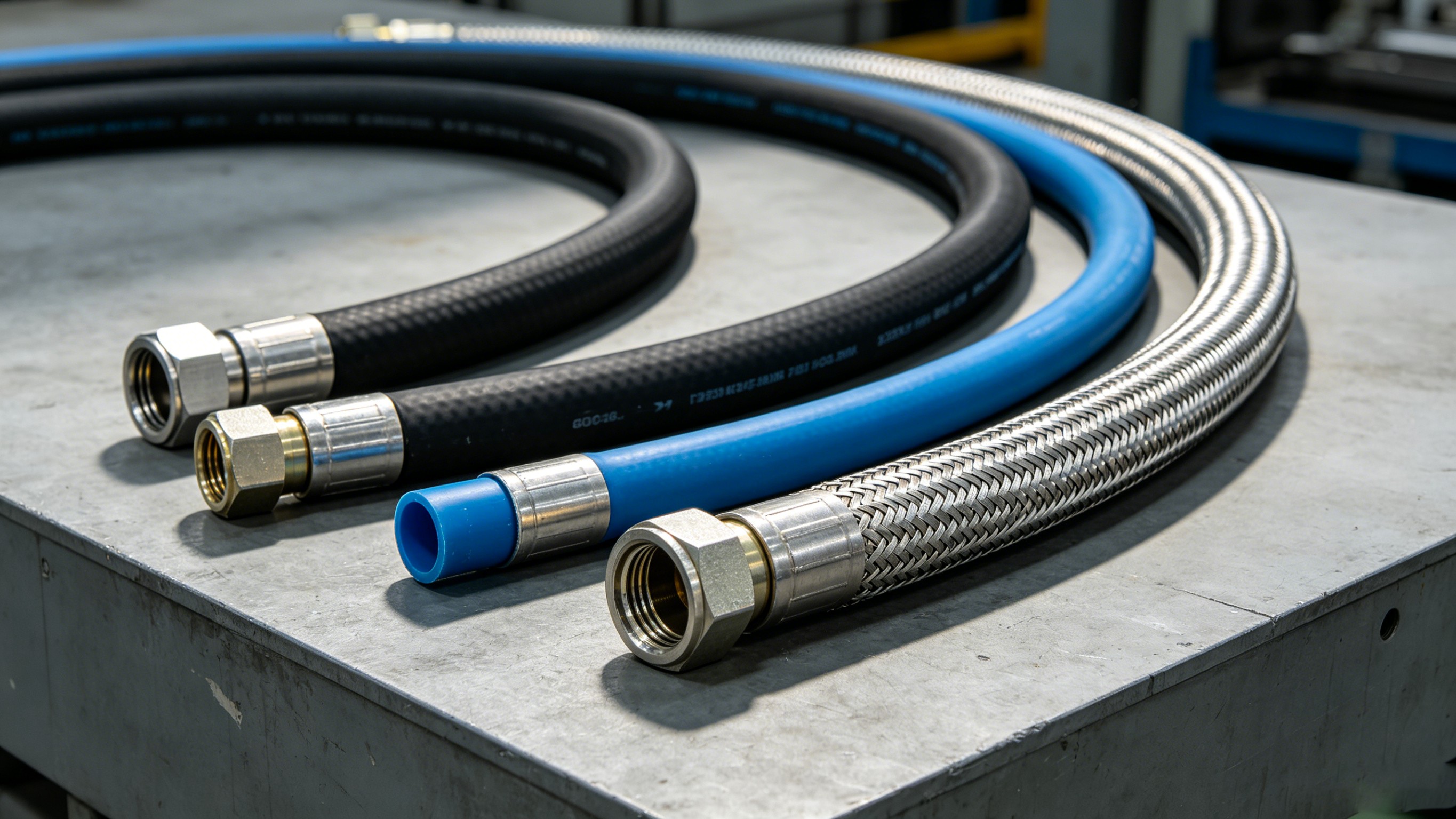
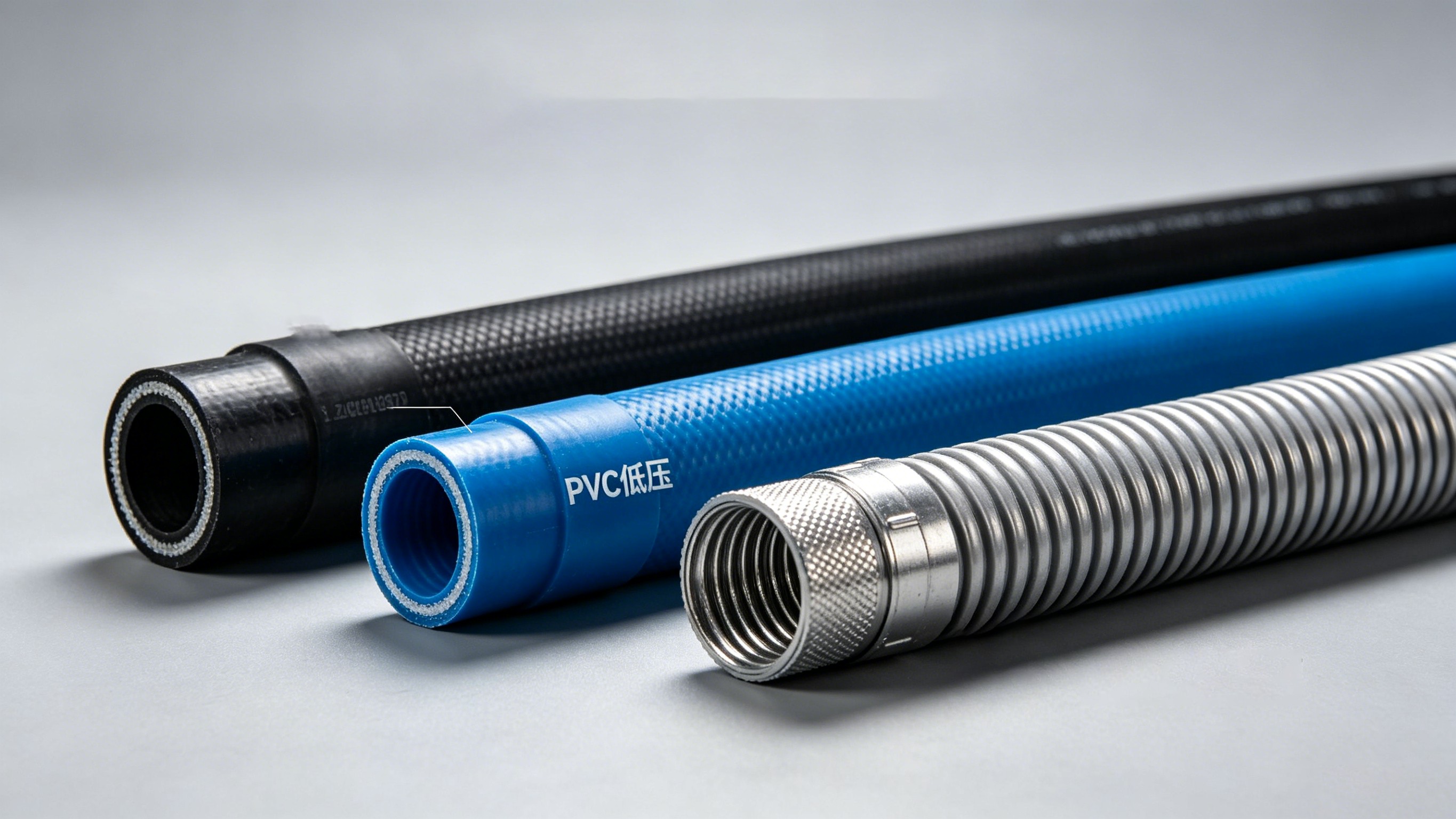
Unlike standard rubber or PVC hoses, PU steel wire hoses feature a high-quality polyurethane tube reinforced with embedded steel wire helix. This engineering design delivers an optimal balance between pressure resistance and flexibility, ensuring long-term reliability in tough working conditions.
Construction and Design Features
High-Grade Polyurethane Material
The main body of these hoses is manufactured from premium polyurethane. This material offers exceptional resilience and resistance to wear, ensuring long service life even when constantly exposed to friction or flexing. The polyurethane construction also provides excellent resistance to oils, greases, and many chemicals.
Steel Wire Helix Reinforcement
Embedded within the hose wall is a high-strength steel wire helix. This steel wire reinforcement enables the hose to resist crushing, kinking, and deformation under vacuum or pressure. It also ensures the hose maintains its structural integrity even in bending or twisting applications.
Smooth Inner Bore
The inner surface of the PU steel wire hose is smooth, minimizing pressure loss and allowing efficient material flow. This design feature reduces the risk of clogging and ensures consistent airflow or material transfer.
Key Performance Advantages
Superior Wear Resistance
PU steel wire hoses offer outstanding abrasion resistance—significantly outperforming rubber and PVC alternatives. The polyurethane material has extremely high tear strength and is resistant to scuffing and impact damage. This makes the hose ideal for applications involving abrasive materials such as sand, grain, plastic pellets, or wood chips.
Excellent Flexibility with High Strength
The combination of flexible polyurethane and strong steel wire reinforcement provides an optimal balance. The hose remains highly flexible and easy to maneuver, even in tight spaces, while the steel helix prevents collapse under vacuum. It also retains its shape without permanent kinking, reducing the risk of flow restrictions.
Extended Temperature Range
PU steel wire hoses typically operate effectively within a temperature range of -40°C to +90°C (with peaks up to +120°C). This broad range ensures reliable performance in both cold outdoor environments and hot industrial settings.
High Flow Capacity
The smooth inner wall minimizes friction, allowing for high-volume air or material flow with reduced pressure drop. This results in more efficient operation and lower energy costs.
Oil, Grease, and Chemical Resistance
The PU material resists degradation from contact with oils, hydraulic fluids, greases, and various chemicals. This ensures reliable performance in applications where exposure to these substances is frequent.
Lightweight Construction
Despite its strength and durability, PU steel wire hose is remarkably lightweight. This reduces operator fatigue in manual handling applications and simplifies installation.
Applications Across Industries
Dust Extraction and Ventilation Systems
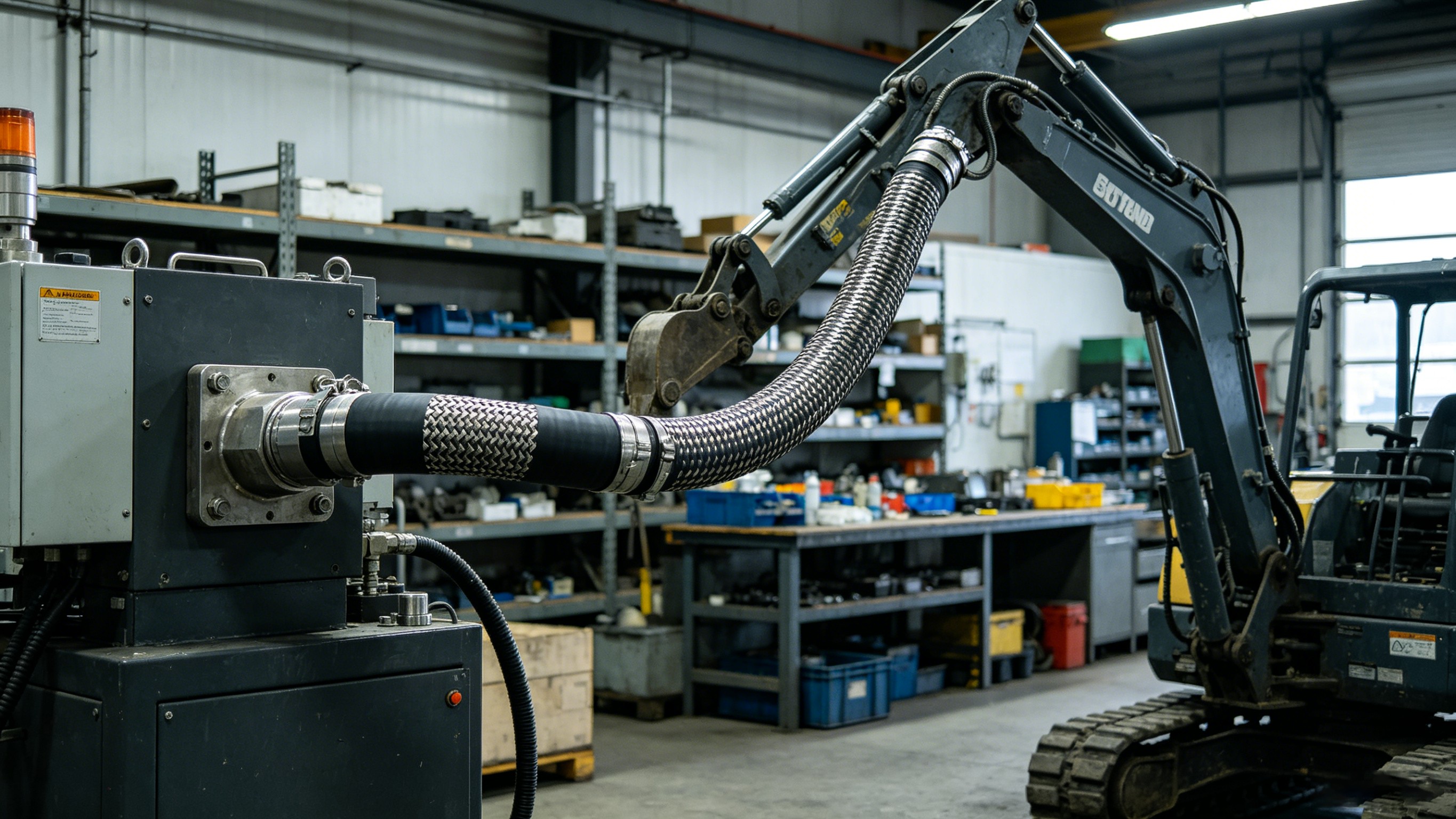
PU steel wire hoses are extensively used in industrial dust extraction and ventilation systems. The smooth inner bore ensures efficient airflow, while the steel wire reinforcement prevents collapse under negative pressure. These hoses are commonly found in woodworking, metalworking, and manufacturing facilities where dust control is critical.
Material Transfer and Pneumatic Conveying
In pneumatic conveying systems, PU steel wire hoses transport granular or powdered materials such as grains, plastic pellets, cement, and chemicals. Their abrasion resistance ensures long service life, and the anti-static properties available in some variants prevent dust explosion risks.
Air Compressor Systems
These hoses are also used for compressed air distribution in industrial settings. Their flexibility and durability make them suitable for connecting portable air tools, spray painting equipment, and pneumatic machinery.
High-Pressure Cleaning
Some PU steel wire hoses are engineered for high-pressure cleaning applications. They can withstand the pressure and are resistant to cleaning chemicals, making them suitable for pressure washers and industrial cleaning equipment.
Robotics and Automation
In automated production lines and robotic applications, the flexibility and fatigue resistance of PU steel wire hoses are essential for reliable performance in continuous motion systems.
Vacuum Applications
The steel wire helix provides structural integrity under negative pressure, making these hoses ideal for vacuum systems used in material handling and suction applications.
Selecting the Right PU Steel Wire Hose
When choosing a PU steel wire hose for your application, consider the following factors:
Required Working Pressure: Ensure the hose's pressure rating meets your system requirements with an adequate safety margin.
Temperature Range: Verify that the hose material is suitable for your operating temperature extremes.
Chemical Compatibility: Confirm that the PU material is resistant to any chemicals, oils, or solvents it will encounter.
Abrasion Requirements: For abrasive materials, choose a hose with appropriate wall thickness and wear resistance.
Size Requirements: Select the correct inner diameter to achieve the desired flow rate while maintaining manageable weight and flexibility.
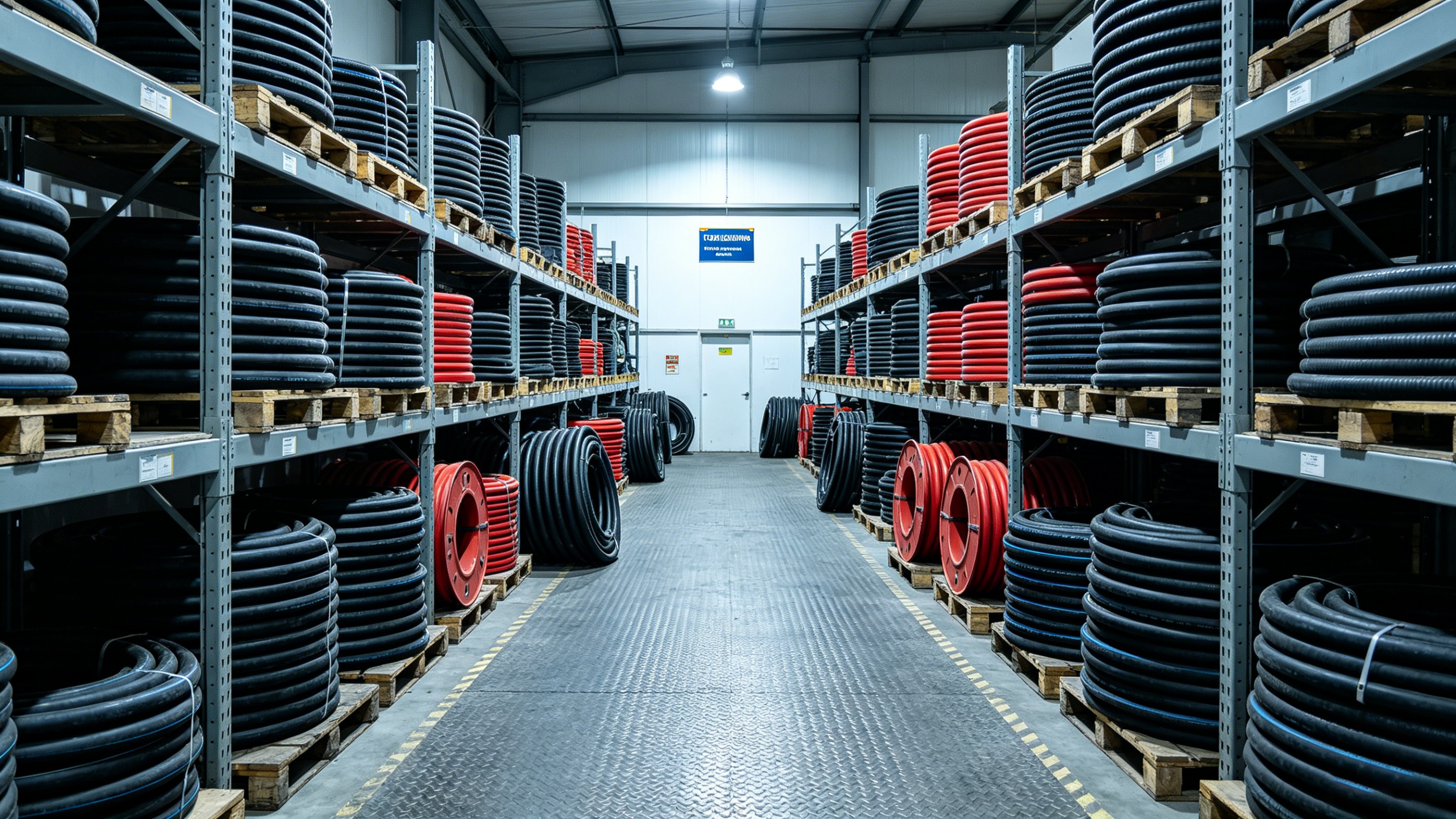
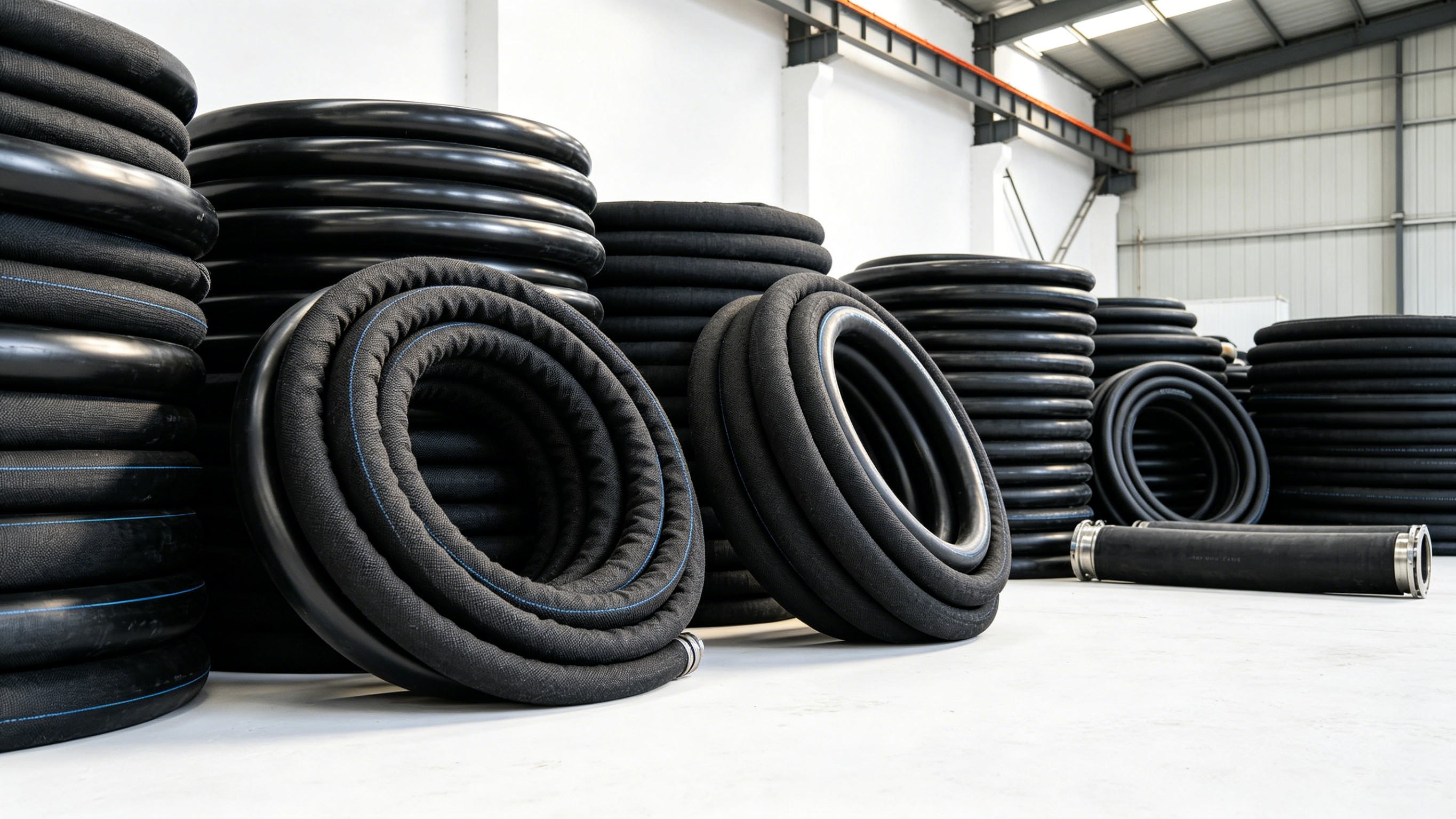
Length: Consider whether you need a custom length or a standard reel.
Installation and Maintenance Tips
To maximize the service life of your PU steel wire hose:
Avoid Sharp Bends: Even with the steel wire reinforcement, sharp bends can stress the hose and reduce its lifespan. Follow the manufacturer's minimum bend radius recommendations.
Protect from Abrasion: Use protective sleeves or guides where the hose may rub against sharp edges or surfaces.
Inspect Regularly: Periodically check for signs of wear, cracks, or damage to the steel wire helix.
Proper Storage: When not in use, store the hose in a cool, dry location away from direct sunlight and ozone sources.
Pressure Management: Avoid sudden pressure surges that may stress the hose structure.
Conclusion
PU polyurethane steel wire hoses offer a robust and reliable solution for a wide range of industrial air and material transfer applications. Their excellent flexibility, durability, and abrasion resistance make them a cost-effective choice in demanding environments.
By selecting the right PU steel wire hose for your specific requirements and following proper installation and maintenance practices, you can ensure long-lasting performance and operational efficiency.## 标题文字 ##