Understanding TPV Rubber Hose: The Versatile Solution for Industrial Fluid Transfe
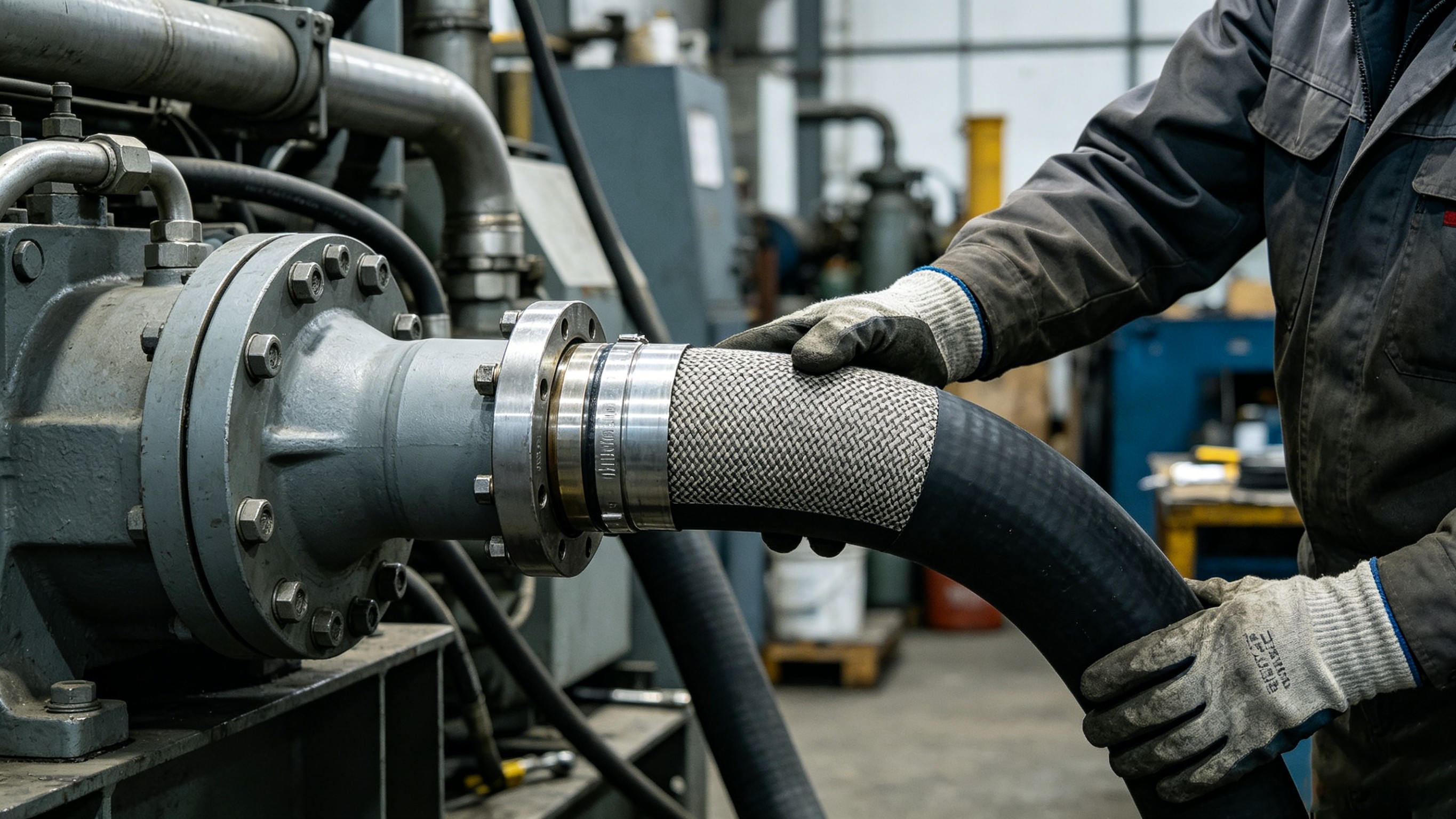
In the world of industrial hoses, TPV (Thermoplastic Vulcanizate) rubber hoses represent a significant advancement in materials technology. TPV is a high-performance elastomer that combines the excellent physical properties of thermoset rubber with the processing efficiency of thermoplastics. This unique material offers a compelling combination of flexibility, durability, chemical resistance, and temperature stability that makes it ideal for demanding fluid transfer applications across multiple industries.
As manufacturers continue to seek alternatives to traditional vulcanized rubber, TPV hoses have emerged as a preferred choice for applications requiring superior performance without compromising cost-effectiveness or environmental sustainability. This comprehensive guide explores the characteristics, benefits, and applications of TPV rubber hoses to help you make informed decisions for your industrial fluid handling needs.
What is TPV?
Thermoplastic Vulcanizate (TPV) is a class of thermoplastic elastomers (TPEs) created through the dynamic vulcanization process. During manufacturing, a rubber phase is cross-linked within a thermoplastic matrix, creating a material that exhibits rubber-like elasticity and thermoplastic processability. This unique combination of properties results in a material that can be processed like plastic (injection molded, extruded, or blow molded) while delivering the performance characteristics of thermoset rubber.
The most common TPV composition includes a polypropylene (PP) matrix with a fully vulcanized EPDM rubber phase. This combination provides excellent resistance to heat, weathering, and chemicals while maintaining flexibility and resilience. The dynamic vulcanization process ensures that the rubber particles are finely dispersed throughout the thermoplastic matrix, creating a material with exceptional physical properties.
Key Properties of TPV Rubber Hoses
Excellent Flexibility and Elasticity
TPV rubber hoses offer outstanding flexibility and elastic recovery, even at low temperatures. They maintain their flexibility over a wide temperature range, ensuring reliable performance in cold environments where traditional rubber hoses may become stiff and brittle. The material's excellent elastic memory allows it to return to its original shape after bending or compression, reducing the risk of kinking or permanent deformation.
Superior Chemical Resistance
One of the most significant advantages of TPV rubber hoses is their exceptional chemical resistance. The material demonstrates excellent resistance to:
Oils and greases: TPV hoses maintain their integrity when exposed to mineral oils, synthetic lubricants, and greases
Acids and alkalis: The material resists degradation from a wide range of acidic and alkaline solutions
Solvents: TPV shows good resistance to many organic solvents
Hydraulic fluids: The material maintains its properties when exposed to various hydraulic fluids
Cleaning agents: TPV hoses can withstand exposure to industrial cleaning chemicals
This chemical resistance makes TPV hoses suitable for applications where exposure to aggressive substances is common.
Broad Temperature Range
TPV rubber hoses operate effectively across a wide temperature range, typically from -40°C to +135°C. Some specialized grades can handle temperatures up to +150°C. This broad operating window ensures reliable performance in diverse environments, from cold outdoor installations to hot industrial settings.
Excellent Weather and Ozone Resistance
Unlike traditional rubber compounds that can degrade when exposed to UV radiation, ozone, and weathering, TPV materials exhibit excellent weatherability. The polypropylene matrix provides inherent resistance to UV degradation, while the cross-linked rubber phase maintains flexibility. This makes TPV hoses ideal for outdoor applications where exposure to the elements is unavoidable.
Low Compression Set
TPV materials demonstrate excellent compression set resistance, meaning they maintain their sealing properties even after prolonged compression. This is particularly important for hose applications where the material may be clamped, bent, or subjected to constant pressure.
High Tensile Strength and Tear Resistance
The material's unique morphology provides excellent tensile strength and tear resistance, ensuring long service life in demanding applications. TPV hoses resist damage from mechanical stress, flexing, and impact.
Lightweight and Easy to Handle
Compared to traditional rubber hoses, TPV alternatives are generally lighter while maintaining comparable strength and durability. This reduces operator fatigue in manual handling applications and simplifies installation.
Recyclability and Sustainability
As a thermoplastic material, TPV is recyclable, offering environmental advantages over thermoset rubber products that cannot be reprocessed. The ability to recycle production scrap and end-of-life products supports sustainability initiatives and reduces waste.
How TPV Compares to Traditional Rubber
Property TPV Rubber Hose Traditional EPDM/NBR Rubber Hose
Processing Thermoplastic (injection/extrusion) Thermoset (requires vulcanization)
Recyclability Yes No
Production Speed Faster Slower
Weight Lighter Heavier
Temperature Range -40°C to +135°C -40°C to +100°C (typically)
Chemical Resistance Excellent Good
Weather Resistance Excellent Requires additives
Consistency Uniform Variable
Surface Finish Smooth May be rough
Applications Across Industries
Automotive Industry
TPV rubber hoses are extensively used in automotive applications due to their excellent resistance to heat, oils, and weathering. Common applications include:
Air intake and ducting systems
Coolant and heater hoses
Vacuum and brake booster lines
Fuel system components
HVAC and air conditioning lines
Underhood fluid transfer lines
Industrial Machinery
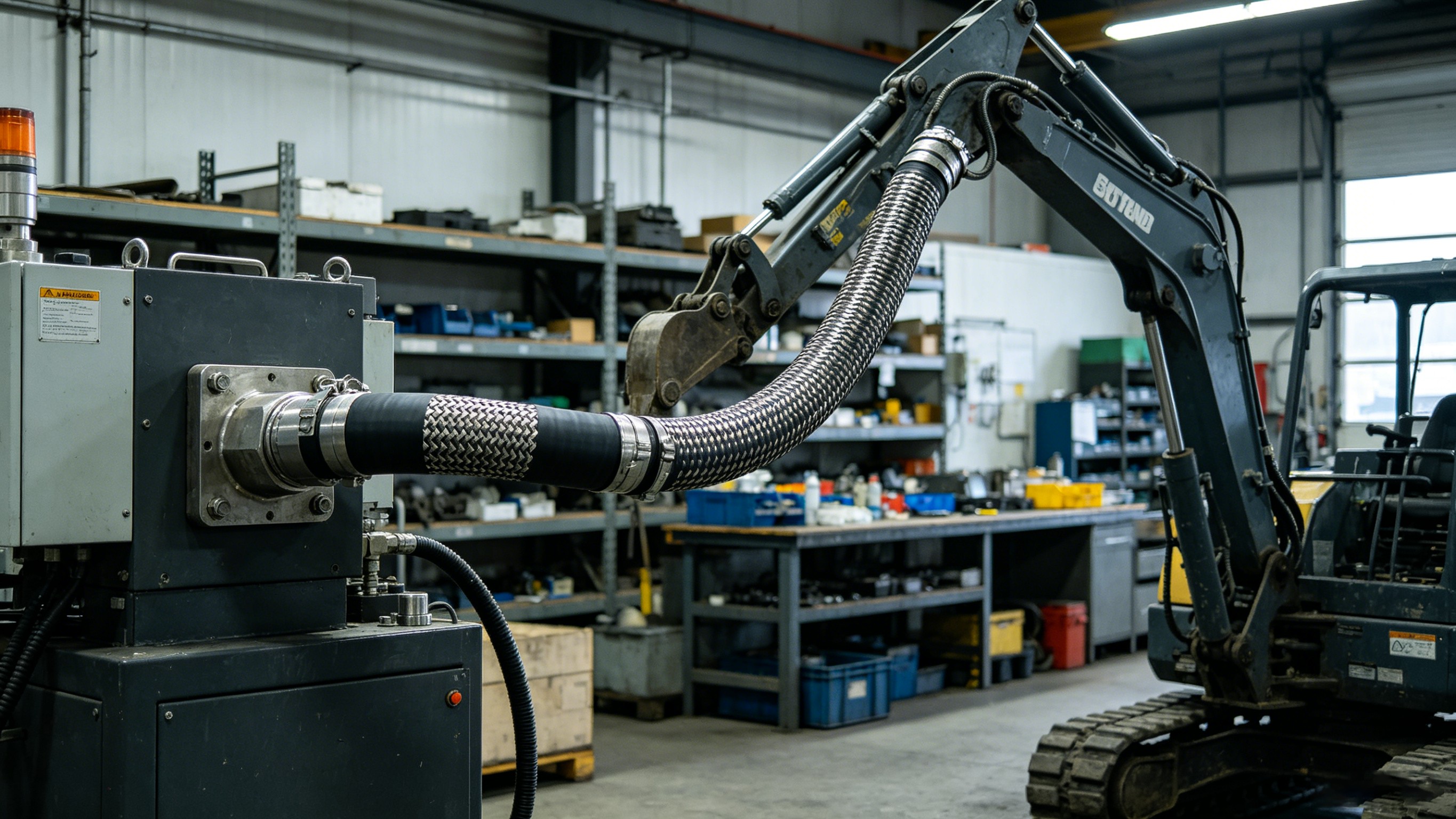
In manufacturing and industrial settings, TPV hoses serve various fluid transfer applications:
Pneumatic lines and compressed air systems
Coolant and lubricant delivery lines
Hydraulic return lines
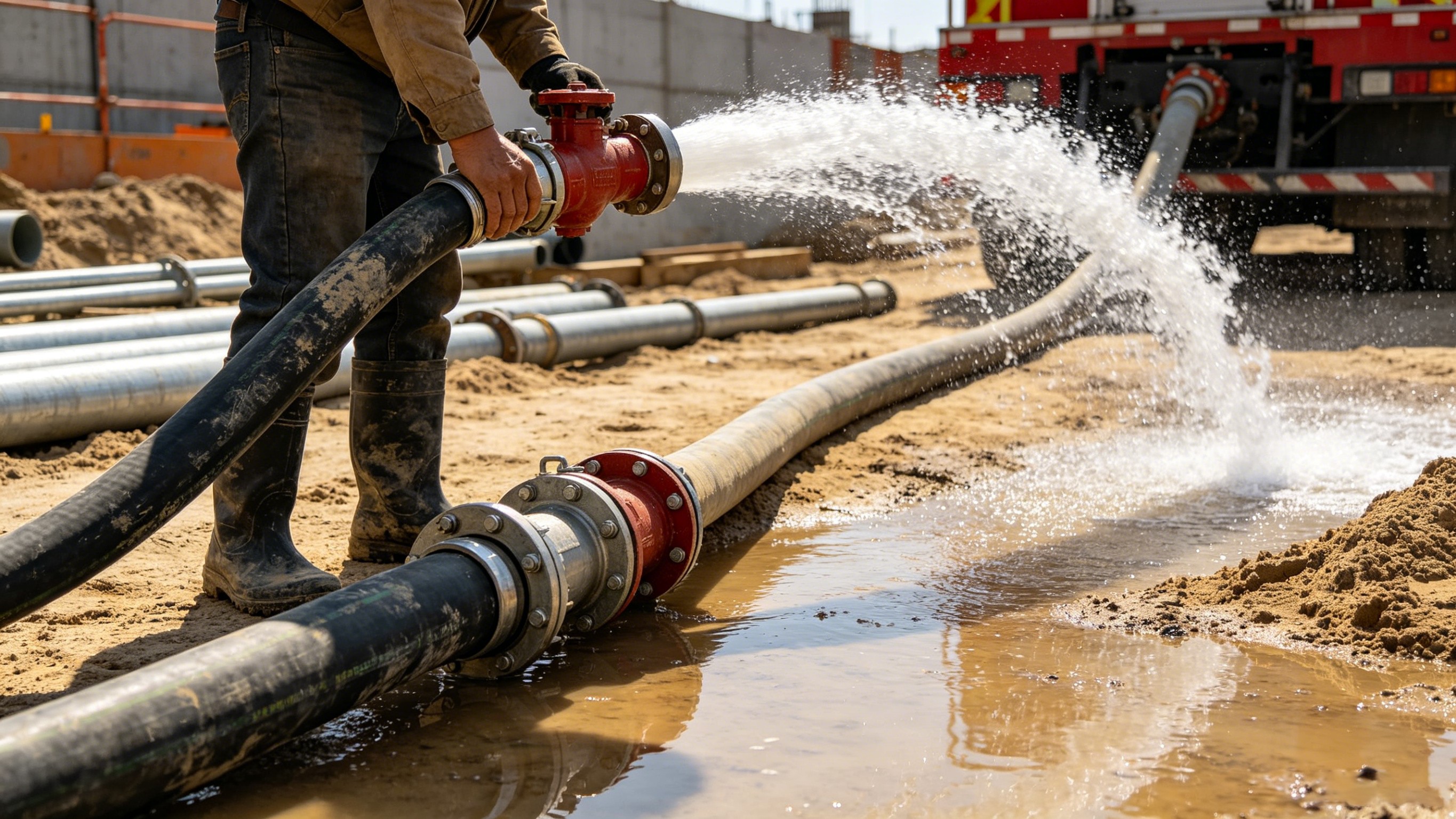
Chemical transfer applications
Water and coolant circulation systems
Dust extraction and ventilation systems
Agricultural Equipment
Agricultural machinery relies on TPV hoses for:
Hydraulic fluid transfer
Fuel and lubricant lines
Spraying equipment
Irrigation systems
Pneumatic control lines
Marine Applications
The excellent weather and saltwater resistance of TPV hoses makes them suitable for:
Fuel lines
Bilge pump hoses
Ventilation systems
Cooling water lines
Livewell and baitwell systems
Food and Beverage Industry
Food-grade TPV hoses are available for applications requiring FDA-compliance. These hoses are used for:
Food ingredient transfer
Beverage filling lines
Sanitary fluid transfer
Dairy processing
Brewing and wine production
Medical Applications
Certain TPV grades meet biocompatibility requirements and are used in:
Medical device tubing
Surgical suction lines
Respiratory equipment
Fluid delivery systems
Laboratory equipment
Factors to Consider When Selecting TPV Hoses
Temperature Requirements: Ensure the TPV grade selected meets your minimum and maximum operating temperature requirements.
Chemical Exposure: Verify compatibility with all chemicals, fluids, and gases the hose will contact.
Pressure Rating: Select a hose with appropriate working pressure and burst pressure ratings for your application.
Size and Flexibility: Consider inner diameter, wall thickness, and bend radius requirements for your specific installation.
Regulatory Compliance: For food, medical, or drinking water applications, ensure the hose meets relevant regulatory standards (FDA, USP, NSF, etc.).
Environmental Factors: Consider exposure to UV radiation, ozone, weathering, and other environmental conditions.
Cost Considerations: While TPV hoses may have higher upfront costs than some alternatives, their superior durability and longevity often result in lower total cost of ownership.
Installation and Maintenance Best Practices
To maximize the service life of TPV rubber hoses:
Avoid Excessive Bending: Follow manufacturer-recommended minimum bend radius specifications to prevent kinking and stress.
Use Proper Fittings: Ensure fittings are compatible and properly installed to prevent leaks and stress points.
Protect from Sharp Edges: Use protective sleeves or guards where hoses may contact sharp surfaces.
Inspect Regularly: Check for signs of wear, cuts, abrasion, or chemical attack.
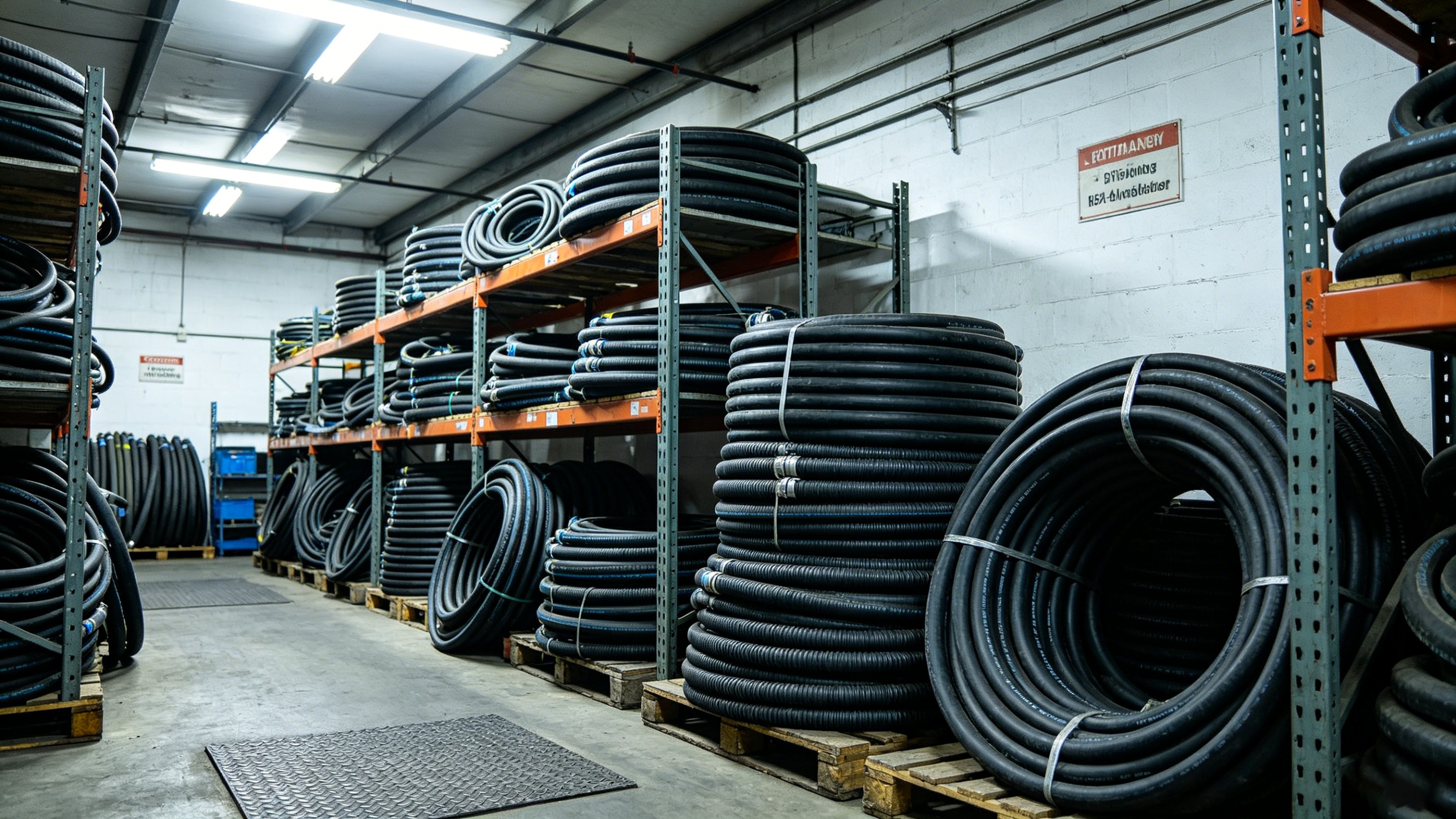
Proper Storage: Store hoses in a cool, dry location away from direct sunlight and ozone sources.
Pressure Management: Avoid sudden pressure surges and operate within specified pressure limits.
Conclusion
TPV rubber hoses represent a modern solution for industrial fluid transfer applications, combining the best properties of thermoset rubber with the processing and environmental advantages of thermoplastics. Their excellent chemical resistance, broad temperature range, flexibility, and durability make them a superior choice for demanding applications across automotive, industrial, agricultural, and many other sectors.
By understanding the unique characteristics of TPV materials and selecting the appropriate hose for your specific requirements, you can achieve reliable performance, reduced maintenance costs, and improved operational efficiency. As industries continue to prioritize performance, sustainability, and cost-effectiveness, TPV rubber hoses are increasingly becoming the material of choice for challenging fluid handling applications.