Everything You Need to Know About Nylon Resin Pressure Measuring Hoses: Precision and Reliability in Hydraulic Testing
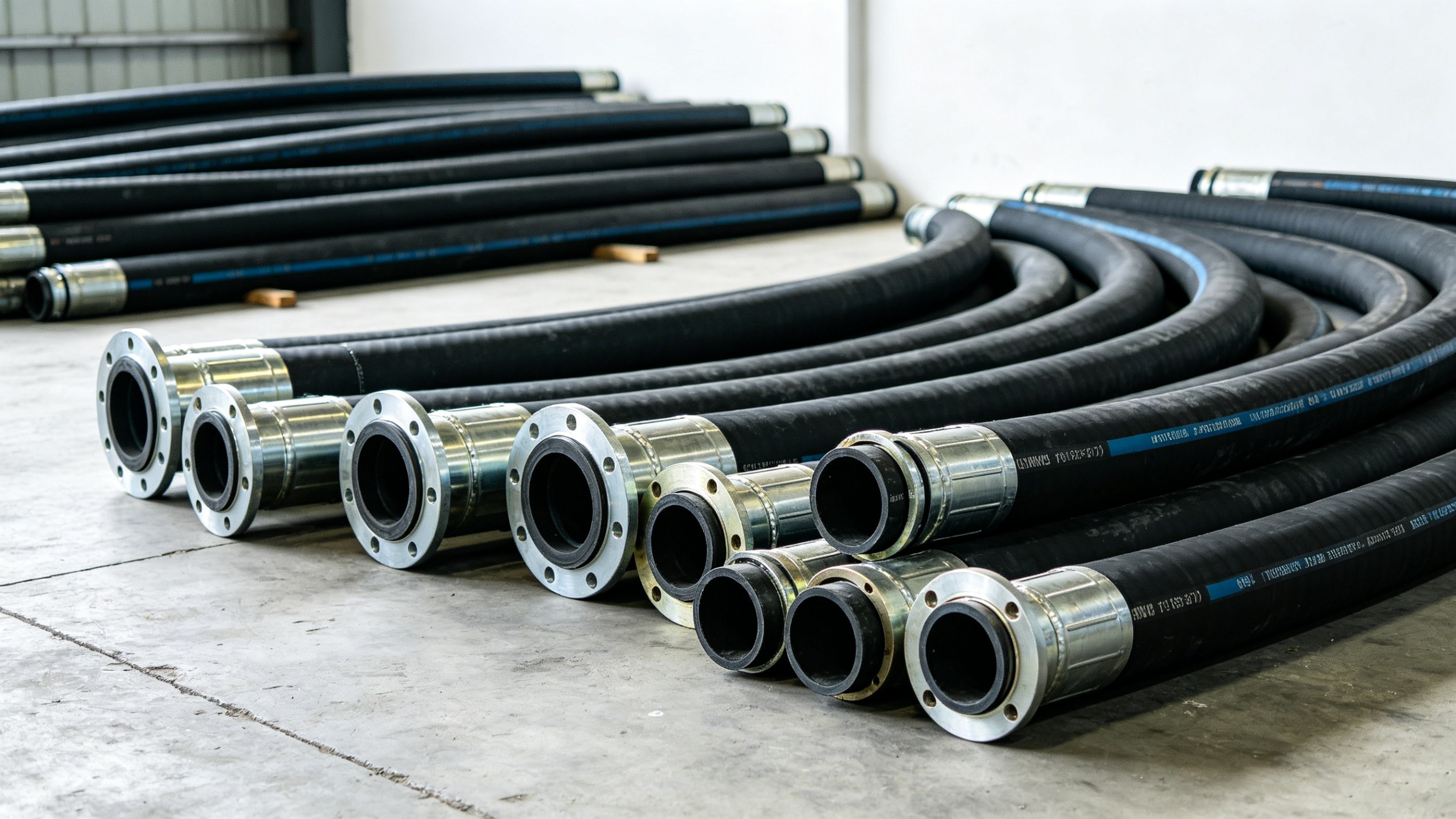
n the world of hydraulic systems, accurate pressure measurement is essential for proper diagnostics, maintenance, and system optimization. Nylon resin pressure measuring hoses (also commonly referred to as nylon resin pressure test hoses or hydraulic measuring hoses) are specialized components designed specifically for this critical function. These hoses serve as the vital connection between hydraulic systems and pressure measurement instruments, enabling technicians to monitor system pressure safely and accurately.
Unlike standard hydraulic hoses used for fluid transmission, pressure measuring hoses are engineered with a focus on precision, reliability, and safety. Their unique construction and material selection ensure that pressure readings remain accurate while the hose withstands the demanding conditions of hydraulic testing environments. This comprehensive guide explores the features, benefits, and applications of nylon resin pressure measuring hoses to help you understand their value in hydraulic system maintenance and diagnostics.
What is a Nylon Resin Pressure Measuring Hose?
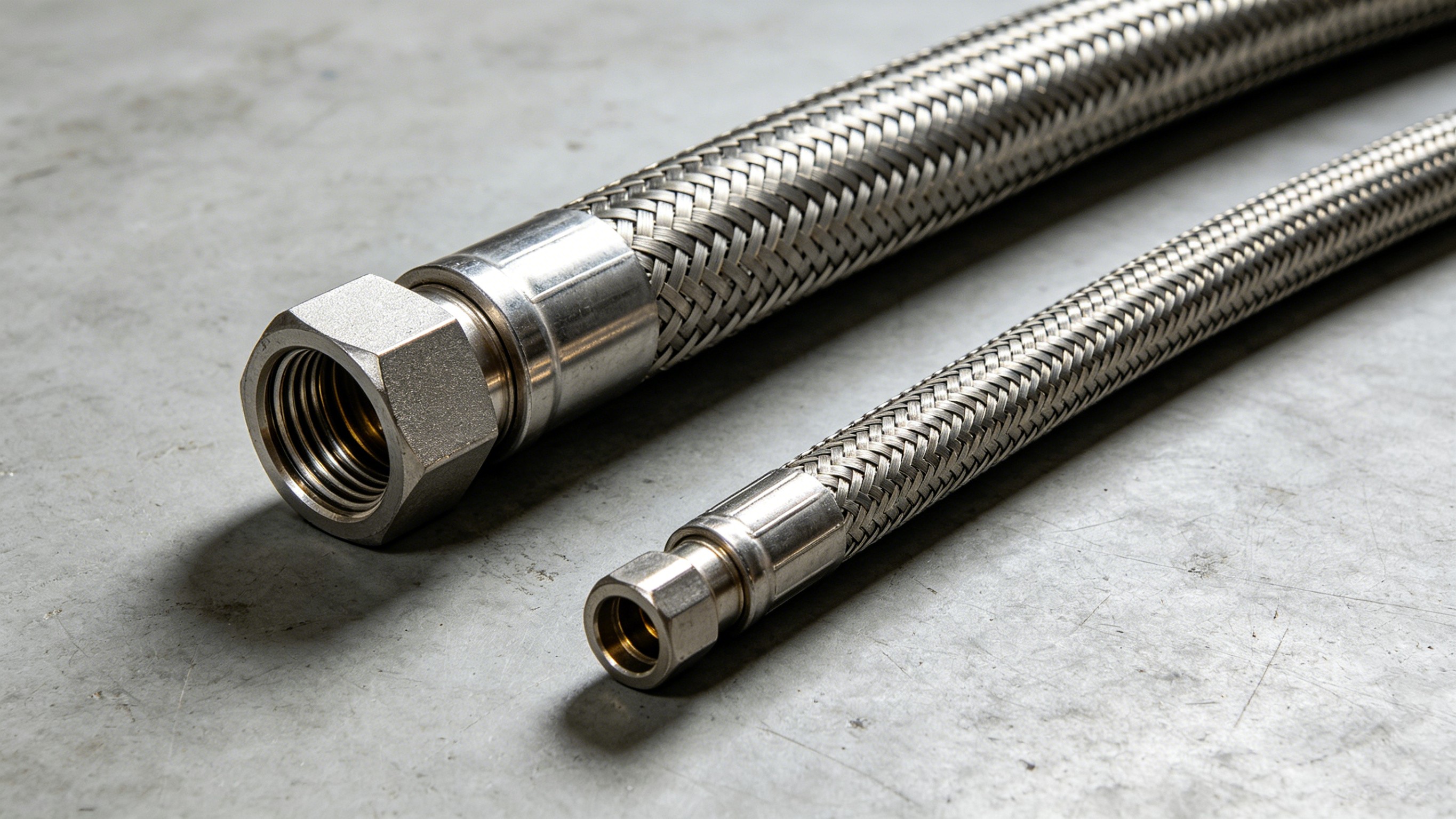
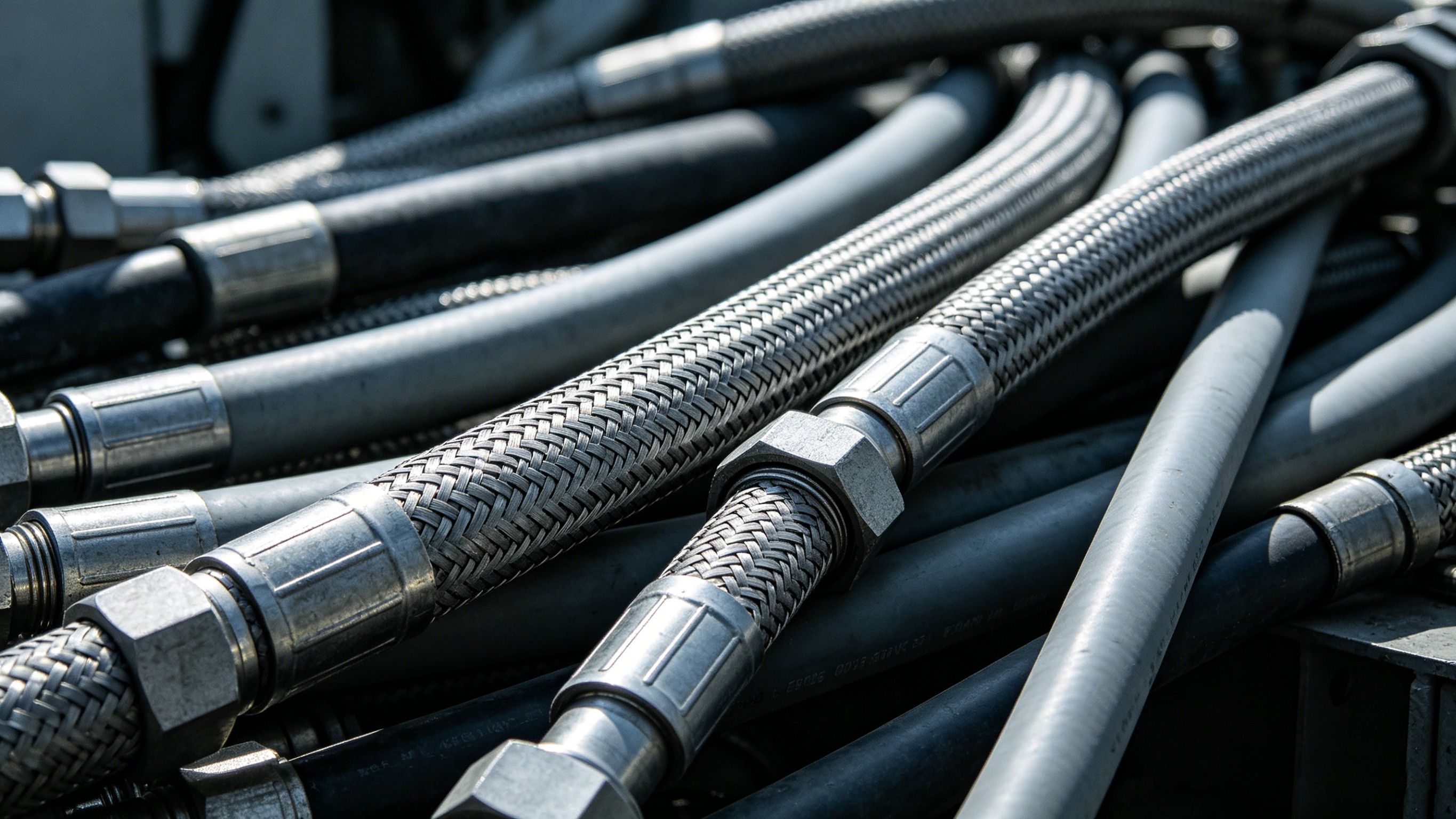
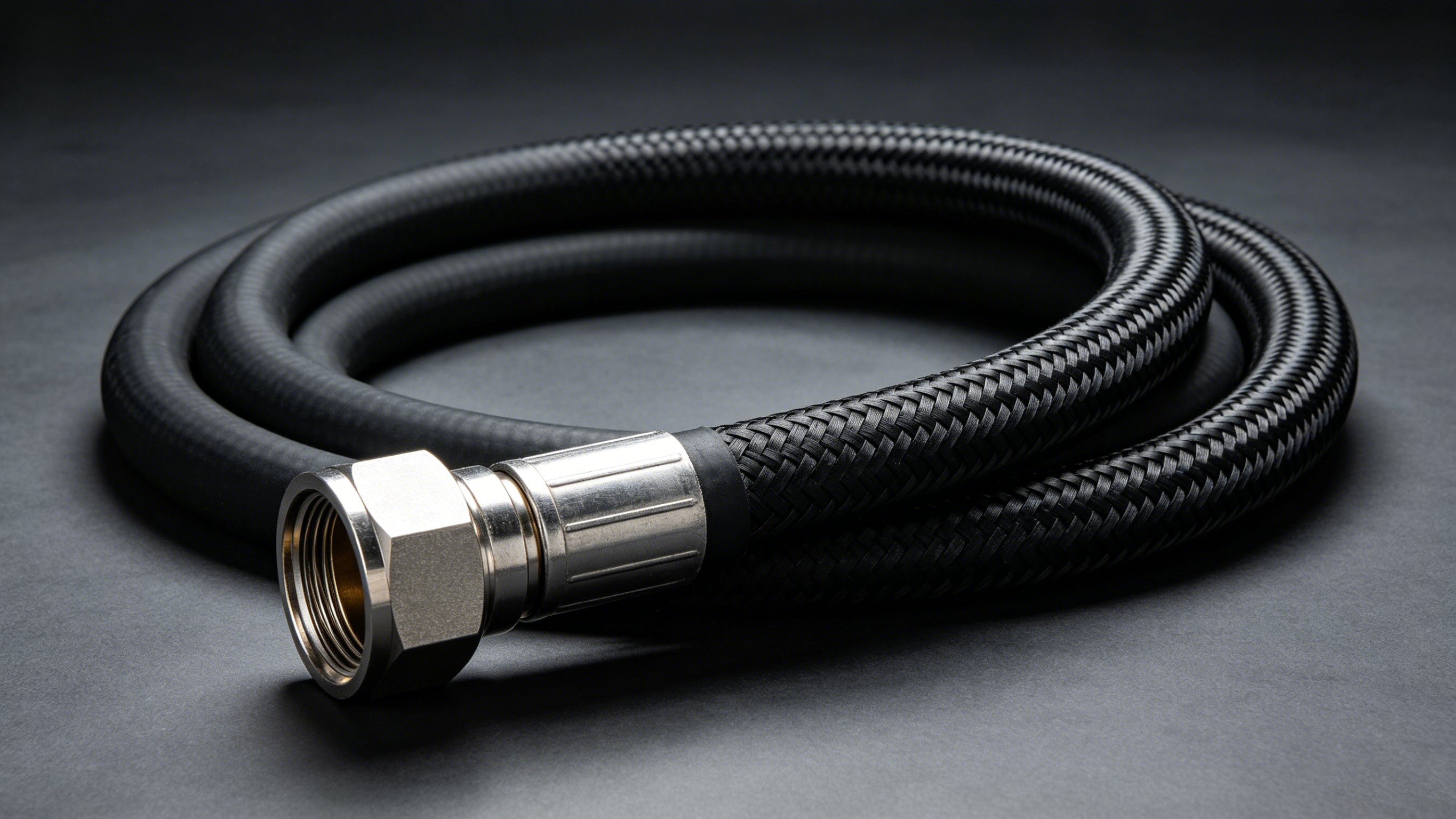
A nylon resin pressure measuring hose is a flexible connector specifically designed to transmit fluid pressure from a hydraulic system to a pressure gauge, transducer, or other measurement instrument. These hoses typically feature a multi-layer construction:
Inner Core: Made of high-quality nylon resin that provides excellent sealing and chemical resistance
Reinforcement Layer: High-strength steel wire or synthetic fiber braiding for pressure containment
Outer Cover: Usually polyurethane or another abrasion-resistant material for protection
The combination of these layers creates a hose that is both flexible enough to connect easily to test points and strong enough to contain high system pressures safely.
Key Features and Advantages
High Pressure Capacity
Nylon resin pressure measuring hoses are designed to handle extremely high pressures, typically ranging from 10 MPa to 260 MPa (approximately 1,450 psi to 37,700 psi), depending on the specific model and size. For example, a 3mm inner diameter measuring hose commonly achieves a working pressure of up to 63 MPa (9,135 psi) . The burst pressure is generally three times the working pressure, providing a substantial safety margin.
Compact and Lightweight Design
Despite their high-pressure capability, these hoses are remarkably compact. A typical 3mm ID measuring hose has an outer diameter of only 6mm, making it easy to route in tight spaces. The lightweight construction reduces strain on connection points and makes handling easier during testing procedures.
Excellent Dimensional Stability
Nylon resin exhibits minimal swelling or deformation when exposed to hydraulic fluids. This dimensional stability ensures that the hose's internal volume remains consistent, which is crucial for accurate pressure transmission and measurement.
Exceptional Sealing Performance
The nylon inner core provides an excellent sealing surface that prevents fluid leakage even at high pressures. This is essential for maintaining test accuracy and preventing contamination of the surrounding work environment.
Smooth Inner Surface
The smooth inner bore of nylon resin measuring hoses offers multiple benefits:
Minimizes pressure drop and flow resistance
Prevents fluid contamination from internal debris
Easy to clean and maintain
Reduces turbulence that could affect pressure readings
Superior Chemical and Oil Resistance
Nylon resin provides significantly better oil resistance than traditional rubber compounds—more than five times better in many cases . This ensures long service life even when used with various hydraulic fluids, lubricants, and cleaning agents.
Broad Temperature Range
These hoses perform reliably across a wide temperature range, typically from -40°C to +120°C, making them suitable for use in diverse environmental conditions.
High Fatigue Resistance
The reinforced construction provides excellent resistance to pressure pulsations and cyclic loading, ensuring reliable performance over many testing cycles.
Applications of Nylon Resin Pressure Measuring Hoses
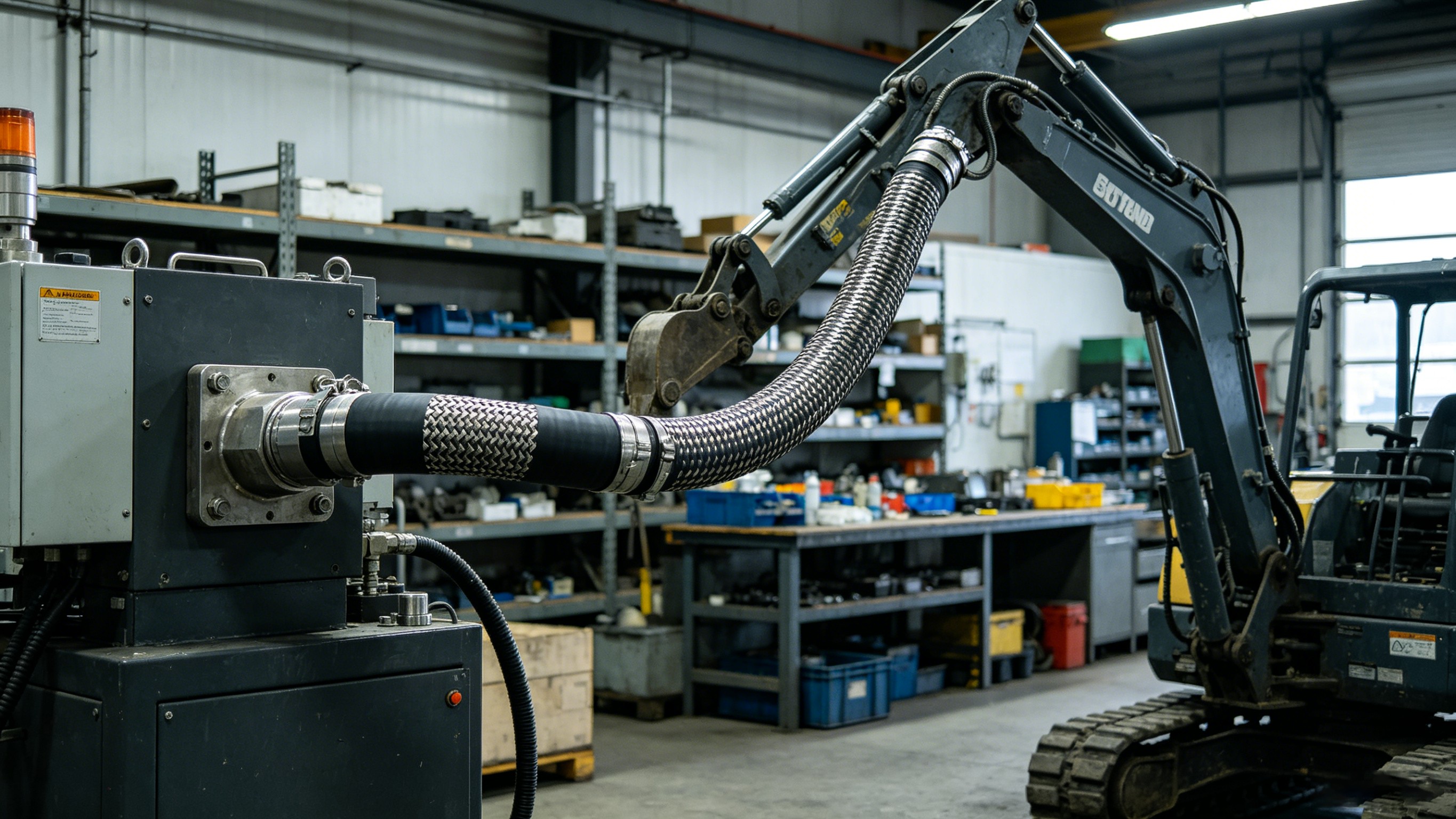
Engineering Machinery Maintenance
Pressure measuring hoses are essential tools for maintaining and diagnosing hydraulic systems in:
Excavators and backhoes
Loaders and dozers
Cranes and hoists
Forklifts and material handling equipment
Road construction machinery
Hydraulic System Testing and Diagnostics
These hoses are used to connect pressure gauges or transducers to test points for:
System pressure verification
Troubleshooting hydraulic malfunctions
Pump and valve performance testing
Pressure drop measurements
Flow analysis
Production Line Quality Control
In manufacturing environments, pressure measuring hoses are used for:
Component pressure testing
Assembly verification
Quality assurance checks
Leak testing
Laboratory and Research Applications
Research and development facilities use these hoses for:
Hydraulic component characterization
Fluid power research
Material testing
System development and validation
Field Service and On-Site Testing
Portable pressure measuring hoses enable technicians to perform on-site hydraulic system diagnostics at customer locations, reducing equipment downtime.
Pressure Measuring Hose vs. Standard Hydraulic Hose
While both types of hoses may look similar, they serve distinctly different purposes:
Feature Pressure Measuring Hose Standard Hydraulic Hose
Primary Purpose Pressure measurement and diagnostics Fluid power transmission
Pressure Accuracy High precision required Less critical
Dimensional Stability Critical for accuracy Less critical
Length Typically short (1-3 meters) Often longer
Flexibility High for easy connection Varies by application
Pressure Rating Matches or exceeds system pressure Matches application requirements
Outer Protection Adequate for testing environment Heavy-duty for industrial use
Important Selection Criteria
When choosing a nylon resin pressure measuring hose for your application, consider these factors:
Pressure Requirements: Select a hose with a working pressure rating that exceeds your maximum system pressure by an adequate safety margin.
Connection Types: Ensure the end fittings match your system's test ports and pressure gauge connections. Common options include threaded connections, quick-couplings, and custom fittings.
Length: Choose a length that allows convenient connection between the test point and measurement instrument without excessive slack.
Fluid Compatibility: Verify compatibility with your hydraulic fluid and any cleaning agents used.
Temperature Environment: Consider both ambient and fluid temperature ranges.
Frequency of Use: For frequent testing, consider hoses with enhanced durability features.
Certification: Ensure hoses meet relevant quality and safety standards.
Installation and Usage Best Practices
Pre-Use Inspection
Before each use, inspect the hose for:
Visible damage or wear
Cuts or abrasions on the outer cover
Bent or damaged fittings
Signs of fluid leakage
Proper connection security
Connection Procedure
Ensure the system is depressurized before connecting the measuring hose
Clean the test port and fittings before connection
Hand-tighten the connection, then use appropriate tools for final tightening (avoid over-tightening)
Check for leaks before taking pressure readings
Bleed air from the hose if necessary for accurate readings
During Use
Avoid sharp bends that exceed the minimum bend radius
Protect the hose from contact with hot surfaces or sharp edges
Monitor the hose for signs of stress or leakage during testing
Do not exceed the rated working pressure
Post-Use Maintenance
Relieve pressure before disconnecting
Clean the hose and fittings after use, especially when working with corrosive fluids
Store the hose in a clean, dry location away from direct sunlight
Cap fittings to prevent contamination
Periodically test hoses for pressure rating verification (hydrostatic testing)
Safety Considerations
Pressure measuring hoses contain high-pressure fluids that can be dangerous if not handled properly. Essential safety practices include:
Never exceed the rated working pressure
Use appropriate personal protective equipment
Always bleed pressure before disconnecting the hose
Keep the hose clear of personnel during pressurized testing
Replace hoses that show any signs of damage or wear
Follow the manufacturer's recommended replacement intervals
Use properly rated fittings and adapters
Maintenance and Replacement Schedule
Regular inspection and timely replacement are essential for safe and accurate pressure measurement. A typical maintenance schedule might include:
Daily: Visual inspection before and after use
Monthly: Detailed inspection and testing of frequently used hoses
Annually: Formal pressure testing of all measuring hoses
As needed: Replacement of any hose showing signs of damage or wear
Conclusion
Nylon resin pressure measuring hoses are indispensable tools for anyone involved with hydraulic system maintenance, testing, or diagnostics. Their combination of high-pressure capacity, dimensional stability, chemical resistance, and flexibility provides the precision and reliability needed for accurate pressure measurements.
By selecting the right measuring hose for your application and following proper usage and maintenance practices, you can ensure accurate diagnostics, reduce equipment downtime, and maintain safe working conditions. Whether you're maintaining heavy construction equipment, performing quality control on a production line, or conducting research in a laboratory, a reliable pressure measuring hose is essential for understanding and optimizing hydraulic system performance.