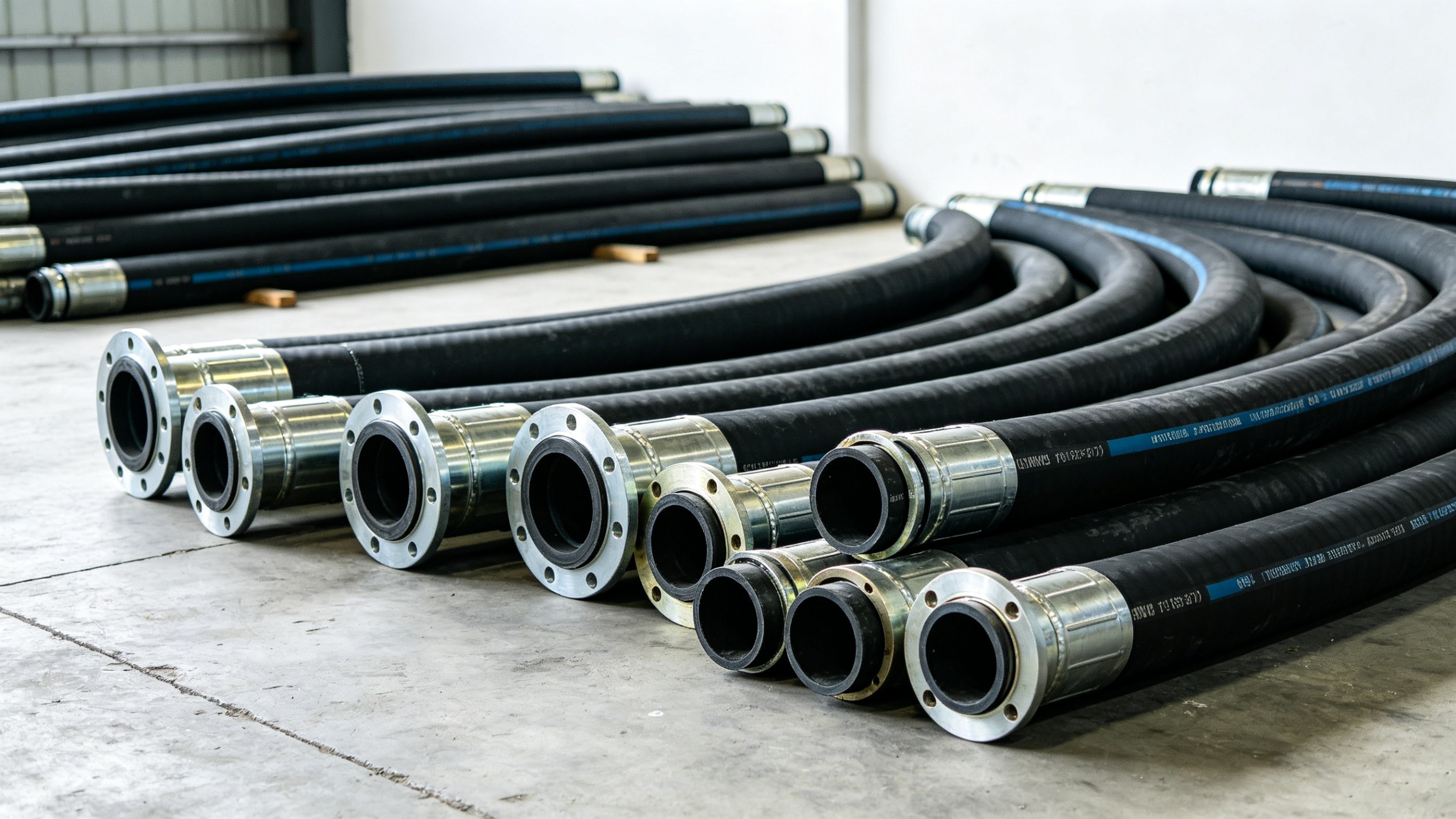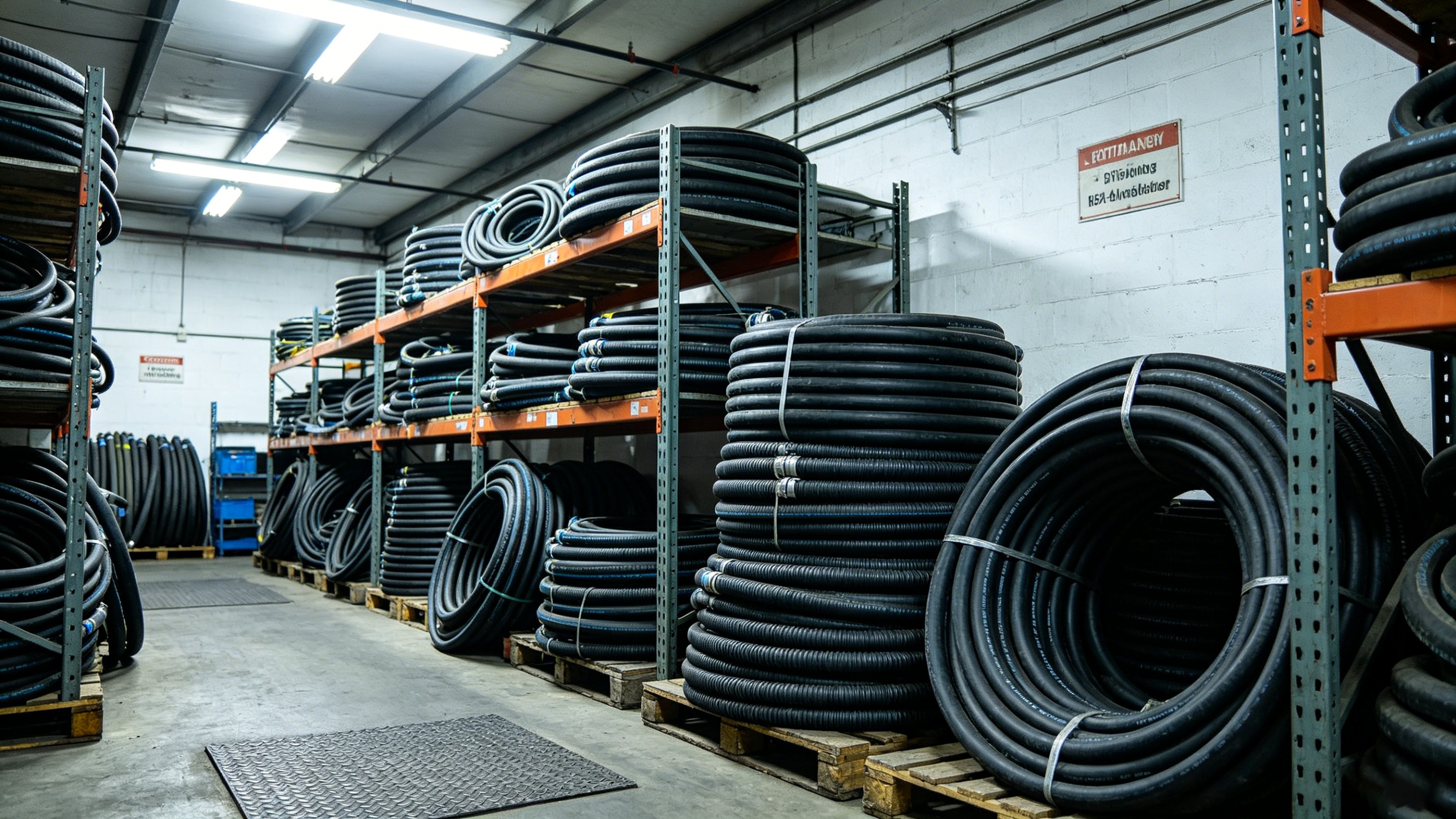
A Comprehensive Analysis of TPV Rubber Hoses: Advantages and Applications
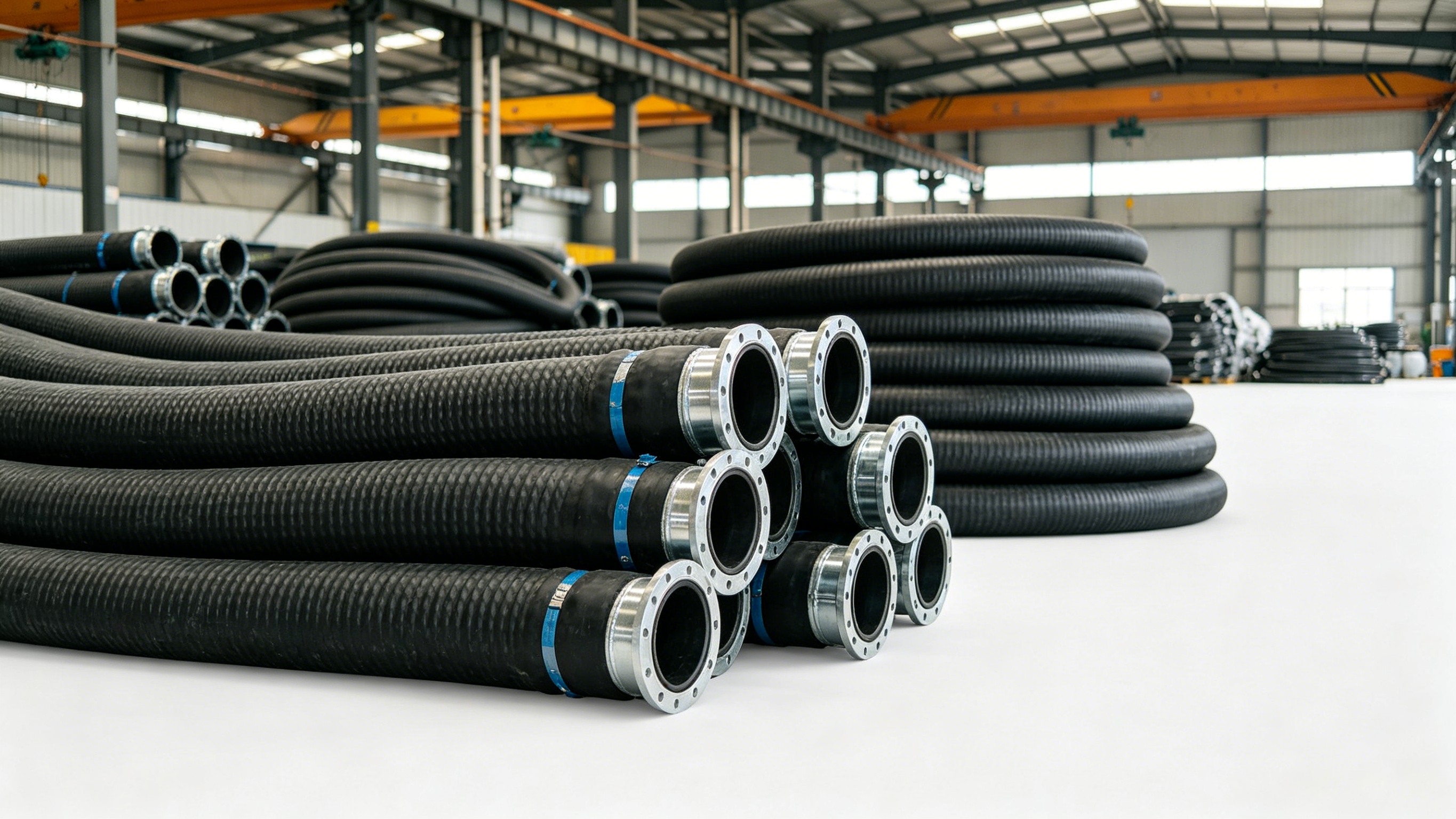
In the industrial hose field, traditional rubber hoses and plastic hoses have long each held their own ground. However, with continuous advances in materials technology, a new type of material that combines the best of both — TPV (Thermoplastic Vulcanizate) — is steadily gaining attention. What makes TPV hoses so unique? And which applications are they best suited for? This article provides a detailed analysis.
I. What Is TPV Material?
TPV, or Thermoplastic Vulcanizate, is a blend material produced through dynamic vulcanization technology, in which a rubber phase is dispersed within a thermoplastic resin matrix. In simple terms, it fuses the elasticity of rubber with the processability of thermoplastic plastics — delivering both the high elasticity and sealing performance of traditional vulcanized rubber, and the ability to be efficiently formed through extrusion, injection molding, and other thermoplastic processes. Moreover, scrap and waste material can be recycled and reused.
Currently, the most common TPV systems are based on EPDM (Ethylene Propylene Diene Monomer) / PP (Polypropylene), with NBR (Nitrile Butadiene Rubber) / PP systems also available. Different systems give TPV hoses different performance characteristics.
II. Core Advantages of TPV Rubber Hoses
1. Excellent Oil and Chemical Resistance
TPV hoses based on the NBR/PP system demonstrate particularly outstanding oil resistance, capable of prolonged contact with mineral oils, lubricants, hydraulic fluids, and similar media without significant swelling or performance degradation. Compared to traditional rubber hoses, TPV materials offer stronger resistance to oils and a wide range of chemicals, resulting in longer service life.
2. Outstanding Weather and Aging Resistance
TPV hoses based on the EPDM/PP system excel in weather resistance. After prolonged exposure to outdoor sunlight, high temperatures, and ozone, they maintain excellent elasticity and mechanical properties without cracking, hardening, or discoloration. This makes them particularly well-suited for long-term outdoor applications.
3. Wide Operating Temperature Range
TPV hoses typically operate reliably across a temperature range of -60°C to +135°C, with certain specially formulated grades capable of withstanding short-term temperatures up to 150°C. They retain flexibility in low-temperature environments — unlike standard PVC hoses that become hard and brittle — and maintain structural stability at elevated temperatures without softening or deformation.
4. Good Elasticity and Sealing Performance
TPV materials exhibit resilience and compression set characteristics comparable to traditional rubber. Hoses made from TPV recover quickly after repeated bending without permanent deformation. Their excellent elasticity also ensures superior sealing performance, making them suitable for applications with demanding sealing requirements.
5. Lightweight Advantage
Compared to traditional rubber hoses, TPV hoses have a lower density and are lighter in weight at equivalent specifications. This not only reduces transportation and installation costs but also decreases the overall load on equipment — a critical advantage for weight-sensitive applications such as automotive and mobile machinery.
6. Environmental Friendliness and Recyclability
TPV materials are free of halogens and heavy metals, and do not produce toxic gases when burned. They comply with environmental regulations such as RoHS and REACH. More importantly, TPV hose scrap and end-of-life products can be recycled, re-pelletized, and reused, significantly reducing material waste and aligning with green manufacturing trends.
7. High Processing Efficiency and Cost-Effectiveness
Unlike traditional rubber hoses that require complex vulcanization processes, TPV hoses can be continuously produced through direct extrusion. This results in shorter processing cycles, lower energy consumption, reduced scrap rates, and more competitive overall production costs.
III. Typical Application Areas
**
1. Automotive Industry
**
TPV hoses are most widely used in the automotive sector, including:
Cooling system hoses (radiator hoses, heater hoses)
Air conditioning system hoses
Intake system hoses
Fuel system hoses (NBR/PP system)
Brake system auxiliary hoses
Body seals and dust covers
The automotive industry demands hoses with exceptional temperature resistance, oil resistance, weather resistance, and lightweight properties — requirements that TPV materials comprehensively meet, making them a preferred choice for many OEMs.
2. Home Appliance Industry
TPV hoses are increasingly used in home appliances, including:
Washing machine inlet and drain hoses
Dishwasher connection hoses
Refrigerator compressor hoses
Water dispenser internal hoses
Air conditioner condensate drain hoses
Home appliances have strict requirements for material safety, environmental compliance, and service life. TPV hoses are non-toxic, odorless, and free from plasticizer migration risks, making them highly suitable for applications involving drinking water or food contact.
3.Industrial Fluid Conveyance
In industrial settings, TPV hoses are widely used for:
Cooling water circulation hoses
Low-pressure pneumatic system hoses
Lubrication system hoses
Chemical conveyance hoses (media compatibility verification required)
Flexible connection hoses in automated equipment
4. Construction and Infrastructure
Flexible connection hoses in HVAC systems
Solar water heating system hoses
Building sealing and waterproofing applications
5. Medical Devices
Certain medical-grade TPV materials can be used for:
Respiratory equipment hoses
Infusion auxiliary hoses
Flexible connection hoses for medical equipment
Medical-grade TPV materials must meet biocompatibility requirements, offering non-toxic, non-sensitizing, and sterilizable properties.
IV. TPV Hoses vs. Traditional Rubber Hoses
When comparing TPV hoses with traditional rubber hoses, several key differences stand out:
Processing Method: TPV hoses are produced through extrusion molding without the need for vulcanization, resulting in a simpler and more efficient manufacturing process. Traditional rubber hoses, on the other hand, require vulcanization treatment, which involves a more complex and time-consuming process.
Recyclability: TPV hoses are fully recyclable and reusable, significantly reducing material waste. Traditional rubber hoses are generally not recyclable once vulcanized.
Weight: TPV hoses are lighter in weight compared to traditional rubber hoses at equivalent specifications, offering advantages in transportation, installation, and overall equipment weight reduction.
Oil Resistance: TPV hoses based on the NBR/PP system deliver excellent oil resistance. Traditional rubber hoses vary in oil resistance depending on the specific rubber compound used.
Weather Resistance: TPV hoses based on the EPDM/PP system provide excellent weather resistance. Traditional rubber hoses vary in weather resistance depending on the rubber type.
Elasticity: TPV hoses offer elasticity that is close to that of traditional rubber, making them comparable in sealing and flexibility performance.
Production Cost: TPV hoses generally have lower production costs due to their streamlined manufacturing process, lower energy consumption, and reduced scrap rates. Traditional rubber hoses tend to be more expensive to produce.
Environmental Friendliness: TPV hoses are more environmentally friendly, being free of halogens and heavy metals, and fully recyclable. Traditional rubber hoses rank average in this regard.
V. Selection Recommendations
When selecting TPV hoses, we recommend focusing on the following key aspects:
Confirm the material system: Choose the appropriate TPV system based on the conveyed medium. For oil-resistant applications, prioritize the NBR/PP system; for weather-resistant applications, prioritize the EPDM/PP system.
Verify the temperature range: Ensure the hose's operating temperature range covers both the maximum and minimum temperatures of your actual working conditions.
Check the pressure rating: TPV hoses are primarily used in low-to-medium pressure applications. For high-pressure use, confirm that the product's rated pressure meets your requirements.
Confirm environmental certifications: If the application involves food contact, medical use, or export products, verify that the product has passed the relevant certification standards.
Choose a reliable supplier: TPV formulations and process capabilities vary significantly among manufacturers. We recommend selecting suppliers with comprehensive quality control systems and strong technical support capabilities.
Conclusion
As a next-generation high-performance hose material, TPV rubber hoses are progressively replacing traditional rubber and plastic hoses in an ever-growing number of applications, thanks to their comprehensive advantages in oil resistance, weather resistance, aging resistance, lightweight construction, and environmental recyclability. With continued advances in materials technology and accumulating application experience, the future prospects for TPV hoses are even brighter. If you have any questions during the selection process, please feel free to contact our technical team — we will recommend the most suitable product solution based on your specific requirements.