Application Cases of High-Pressure Hoses in Automotive Cooling Systems
The automotive cooling system is one of the most critical systems for ensuring normal engine operation. High-pressure hoses serve as the vital conduits within this system, directly responsible for the safe and efficient circulation of coolant. This article explores the selection, installation, and maintenance of high-pressure hoses in automotive cooling systems through several typical application cases.
I. Overview of Automotive Cooling System Architecture
A typical automotive cooling system consists of the following key components:
Radiator: Dissipates heat from the coolant to the atmosphere
Water pump: Provides the driving force for coolant circulation
Thermostat: Regulates coolant flow based on engine temperature
Expansion tank: Accommodates coolant volume changes due to thermal expansion and contraction
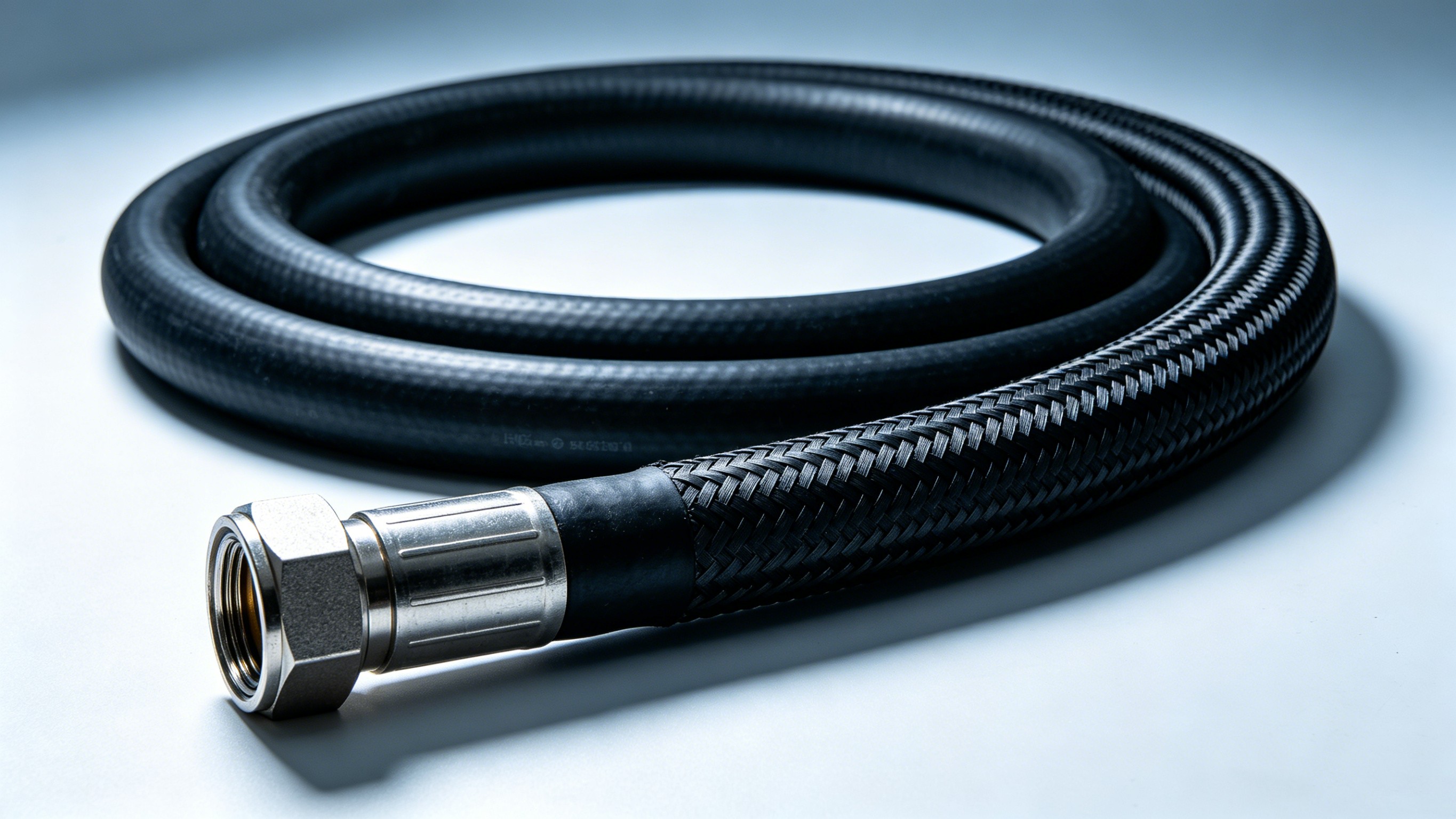
High-pressure hoses: Connect the above components to form a closed circulation loop
Among these, high-pressure hoses serve as the "blood vessels" of the cooling system, directly determining the reliability and safety of the entire system.
II. Typical Application Case 1: Radiator Hoses
Application Scenario
Radiator hoses are the most common high-pressure hoses in automotive cooling systems, connecting the engine to the radiator's upper and lower ports. They are typically divided into the upper radiator hose (carrying high-temperature coolant from the engine to the radiator) and the lower radiator hose (returning cooled coolant from the radiator to the engine).
Operating Conditions
Working temperature: Typically 90°C to 120°C, with short-term peaks reaching up to 130°C
Working pressure: 1.0 to 1.5 bar (system pressure maintained by the radiator cap)
Medium: Ethylene glycol-based antifreeze coolant
Environment: Engine compartment, exposed to high temperatures, oil mist, and vibration
Selection Requirements
For radiator hoses, the following requirements should be prioritized:
Temperature resistance: The hose must withstand sustained high
temperatures of 120°C or above, with short-term resistance to
temperatures exceeding 135°C
Pressure resistance: The rated pressure should be at least 2 to 3 times the system working pressure to ensure an adequate safety margin
Coolant compatibility: The inner layer material must be resistant to ethylene glycol-based antifreeze without swelling, softening, or degradation
Vibration resistance: The engine compartment environment involves continuous vibration, so the hose must possess good fatigue resistance
Aging resistance: Long-term exposure to high temperatures and oil mist requires excellent aging and ozone resistance
Recommended Material
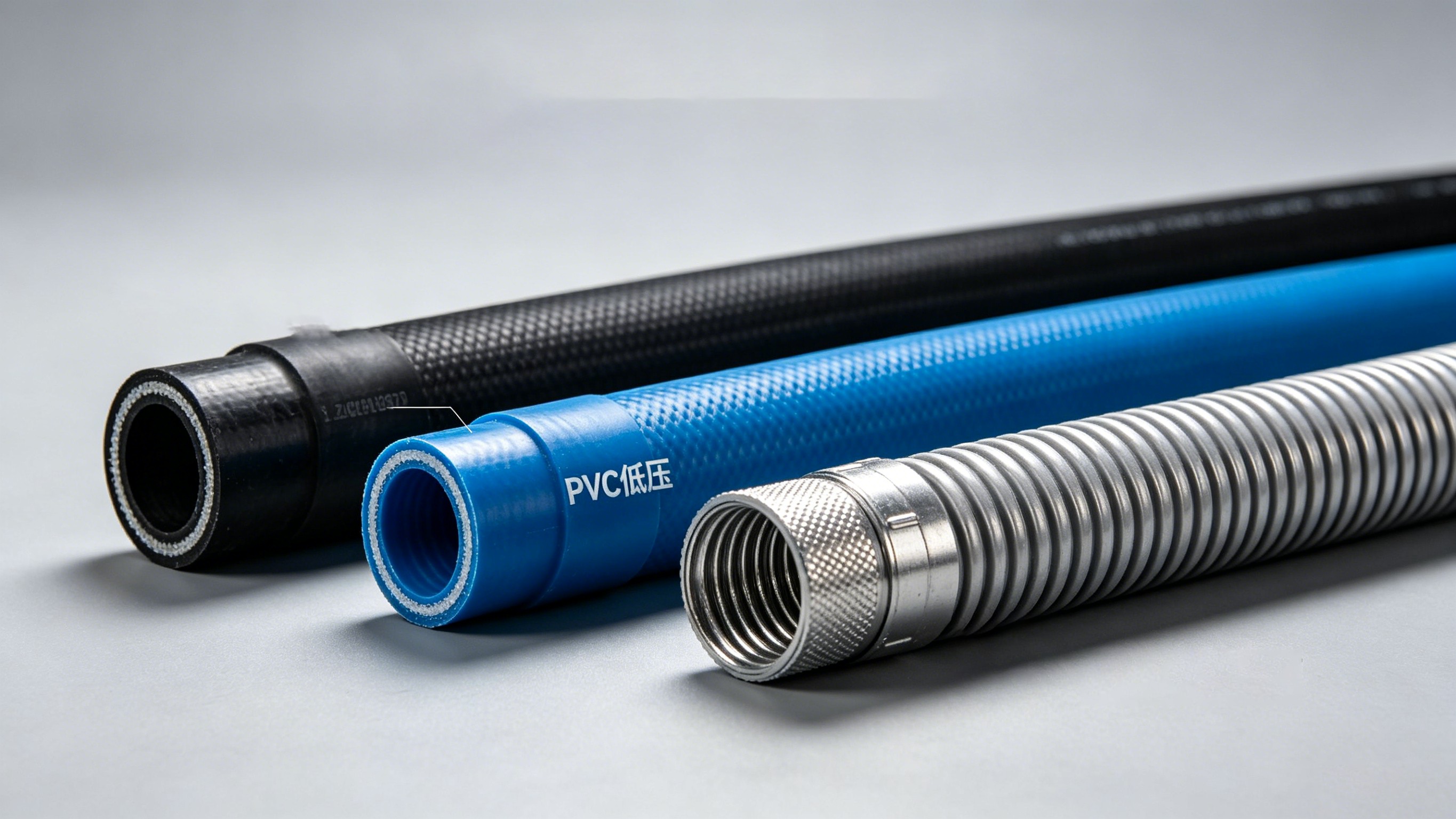
EPDM (Ethylene Propylene Diene Monomer) rubber is currently the mainstream material for radiator hoses. EPDM offers outstanding heat resistance, ozone resistance, and coolant compatibility, with a typical service life of 4 to 6 years under normal conditions
Common Failure Modes and Prevention
Softening and bulging of the hose body: Usually caused by prolonged exposure to temperatures exceeding the material's rated limit or coolant contamination. Prevention: Regularly check coolant quality and replace it on schedule; inspect the hose for softness or bulging during routine maintenance.
Cracking at the hose-to-fitting junction: Typically caused by clamp force degradation or vibration-induced fatigue. Prevention: Use spring-type constant-tension clamps and inspect clamp tightness during each service
Internal layer peeling or blockage: Caused by incompatible coolant or use of expired coolant. Prevention: Use manufacturer-recommended coolant and strictly follow replacement intervals.
III. Typical Application Case 2: Turbocharger Coolant Hoses
Application Scenario
In turbocharged engines, the turbocharger operates at extremely high rotational speeds (up to 200,000 to 300,000 rpm) and temperatures (exhaust gas temperatures can exceed 900°C). To prevent the turbocharger's bearing housing from overheating, a dedicated coolant circulation circuit is required. The high-pressure hoses in this circuit connect the engine's cooling system to the turbocharger's coolant inlet and outlet ports.
Operating Conditions
Working temperature: 120°C to 150°C (near the turbocharger, temperatures can be even higher)
Working pressure: 1.5 to 2.5 bar
Medium: Ethylene glycol-based antifreeze coolant
Environment: Extreme high temperatures, intense vibration, and oil mist contamination
Selection Requirements
Turbocharger coolant hoses face more demanding conditions than standard radiator hoses:
Higher temperature resistance: Must withstand sustained temperatures of 150°C or above
Enhanced vibration resistance: The turbocharger generates high-frequency vibration, requiring the hose to have excellent fatigue resistance
Compact routing: Space in the engine compartment is limited, often requiring hoses with smaller bending radii
Thermal shielding: In some cases, heat shields or thermal insulation sleeves are needed to protect the hose from direct radiant heat
Recommended Material
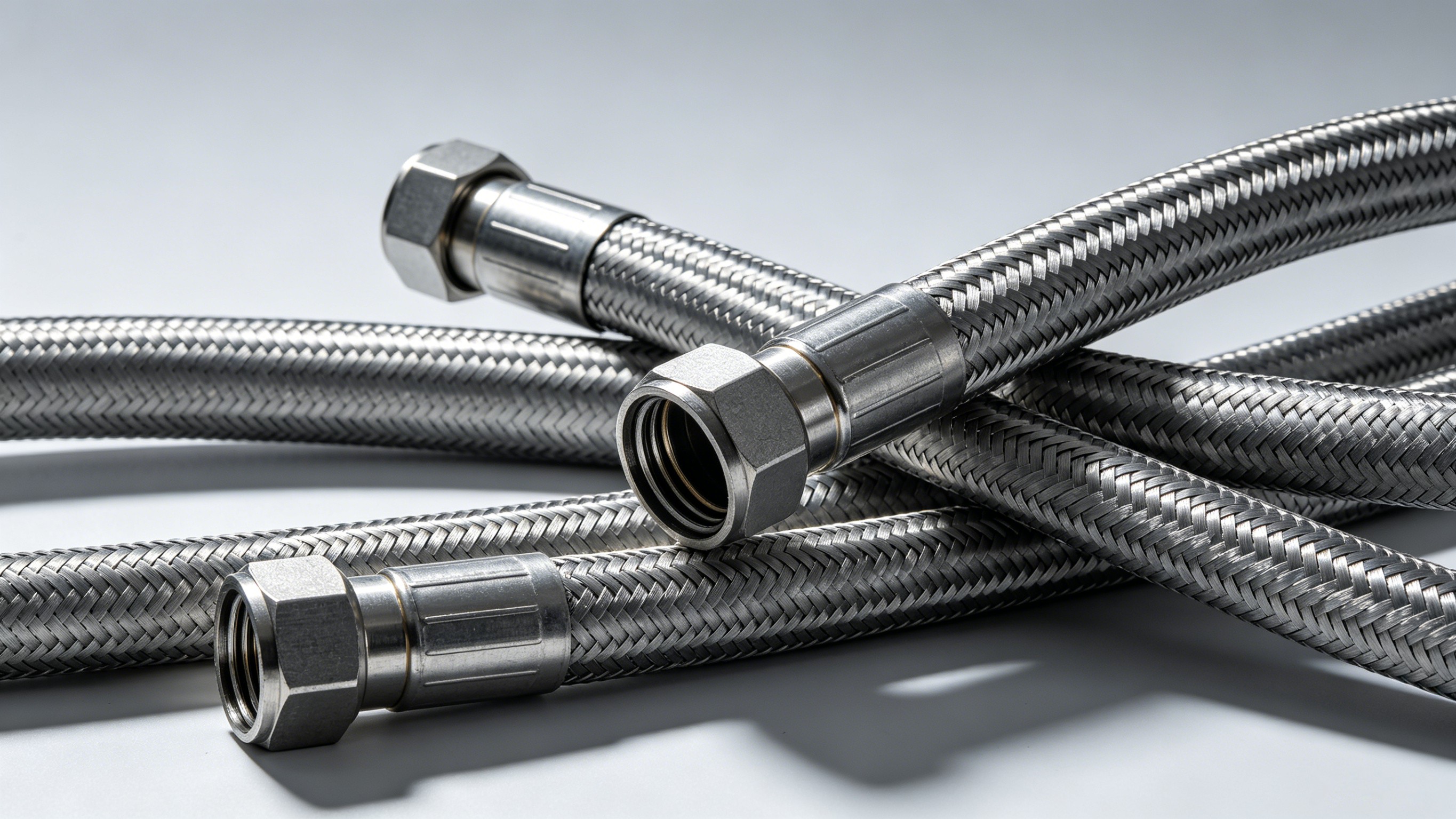
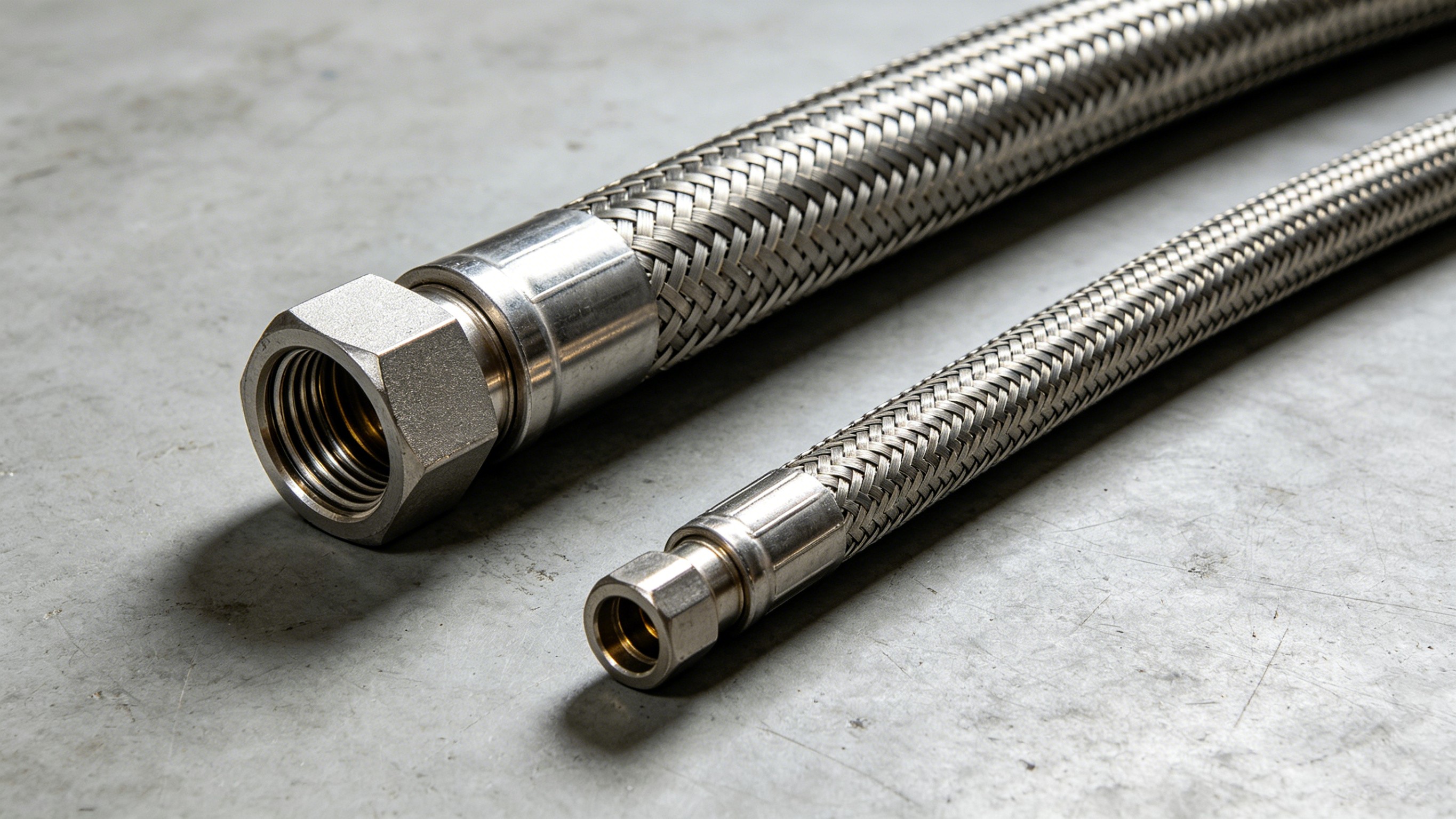
For turbocharger coolant hoses, high-temperature-grade EPDM or silicone rubber hoses are typically recommended. Silicone rubber hoses can withstand sustained temperatures of up to 180°C, offering superior heat resistance, though at a higher cost. For applications with extreme temperature requirements, metal braided hoses with PTFE (Polytetrafluoroethylene) inner liners may be used.
Common Failure Modes and Prevention
Premature hardening and cracking: Caused by prolonged exposure to temperatures near or above the material's upper limit. Prevention: Select hoses with a temperature rating that includes a sufficient safety margin above the actual operating temperature.
Fitting leaks due to vibration: Caused by loosening of clamps or fittings under sustained high-frequency vibration. Prevention: Use locking-type fittings or flange connections, and regularly inspect fitting tightness.
Thermal degradation from radiant heat: Caused by proximity to the turbocharger housing or exhaust manifold without adequate thermal shielding. Prevention: Install thermal shields or wrap the hose with thermal insulation sleeves.
IV. Typical Application Case 3: Heater Core Hoses
Application Scenario
Heater core hoses connect the engine cooling system to the vehicle's heating system. Hot coolant from the engine flows through the heater core inside the dashboard, where a blower fan forces air across it to provide cabin heating and defrosting.
Operating Conditions
Working temperature: 80°C to 110°C
Working pressure: 1.0 to 1.5 bar
Medium: Ethylene glycol-based antifreeze coolant
Environment: Passes through the firewall into the passenger
compartment, relatively moderate conditions
Selection Requirements
Heater core hoses generally operate under less demanding conditions than radiator or turbocharger hoses, but still require:
Adequate temperature and pressure resistance: Standard specifications are sufficient for most applications
Flexibility: These hoses often need to navigate tight spaces through the firewall, requiring good flexibility
Long service life: Since replacement is labor-intensive (often requiring dashboard removal), durability is critical
Recommended Material
Standard EPDM rubber hoses are typically sufficient for heater core applications. In some premium vehicles, pre-formed molded hoses are used to ensure precise routing and a clean appearance.
Common Failure Modes and Prevention
Slow leaks at fittings: Often go unnoticed until coolant level drops significantly. Prevention: Include heater hoses in routine cooling system inspections.
Internal deposits restricting flow: Caused by degraded coolant or mixing incompatible coolant types. Prevention: Flush the cooling system and replace coolant at recommended intervals.
V. General Selection Principles for Cooling System Hoses
Based on the above cases, the following general selection principles can be summarized:
1. Temperature Rating with Safety Margin
The hose's maximum rated temperature should be at least 20°C to 30°C above the actual maximum operating temperature. For locations near heat sources such as turbochargers or exhaust manifolds, an even larger margin is recommended.
2. Pressure Rating with Safety Margin
The hose's rated pressure should be at least 2 to 3 times the system's maximum working pressure. Although cooling system pressures are relatively low, pressure spikes can occur during rapid temperature changes or when the radiator cap malfunctions.
3. Material Compatibility Verification
Confirm that the hose inner layer material is compatible with the specific coolant being used. Different coolant formulations (e.g., OAT, HOAT, IAT) may have varying chemical compatibility with hose materials.
4. Environmental Adaptability
Consider the specific environmental conditions at the installation location, including vibration intensity, exposure to oil mist or chemicals, UV exposure (for underhood hoses near open areas), and proximity to heat sources.
5. Compliance with OEM Specifications
For replacement applications, always select hoses that meet or exceed the original equipment manufacturer's specifications. Using substandard hoses may lead to premature failure and potentially costly engine damage.
VI. Installation and Maintenance Best Practices
Installation Guidelines
Ensure the hose follows a natural path without twisting, kinking, or excessive bending
Maintain the specified minimum bending radius at all points
Use the correct type and size of clamps, and tighten to the specified torque
Avoid contact between the hose and sharp edges, moving parts, or hot surfaces
For pre-formed hoses, verify that the shape matches the intended routing before installation
Maintenance Recommendations
Inspect all cooling system hoses visually at every oil change or at least twice per year
Check for signs of softening, bulging, cracking, hardening, or discoloration
Squeeze the hose by hand — a healthy hose should feel firm yet flexible; a mushy or excessively hard hose indicates degradation
Inspect clamp areas for leaks, corrosion, or signs of seepage
Replace coolant at the manufacturer's recommended intervals to prevent internal hose degradation
As a general rule, replace all cooling system hoses every 4 to 6 years, even if no visible damage is present
Conclusion
High-pressure hoses play an indispensable role in automotive cooling systems. From radiator hoses to turbocharger coolant lines and heater core hoses, each application presents unique challenges in terms of temperature, pressure, vibration, and environmental exposure. Proper hose selection, correct installation, and proactive maintenance are essential for ensuring the long-term reliability of the cooling system and, by extension, the engine itself.
If you need assistance selecting the right hose for a specific automotive cooling system application, please feel free to contact our technical team. We can provide product recommendations and technical support tailored to your requirements.