TPV Rubber Hose: Structure, Performance, and Selection Guide
TPV (Thermoplastic Vulcanizate) rubber hoses are widely used in automotive, industrial, and HVAC applications due to their unique combination of rubber-like flexibility and thermoplastic processability. They offer excellent heat resistance, weather resistance, and sealing performance, making them a reliable choice for demanding environments.
I. Structural Characteristics of TPV Rubber Hoses
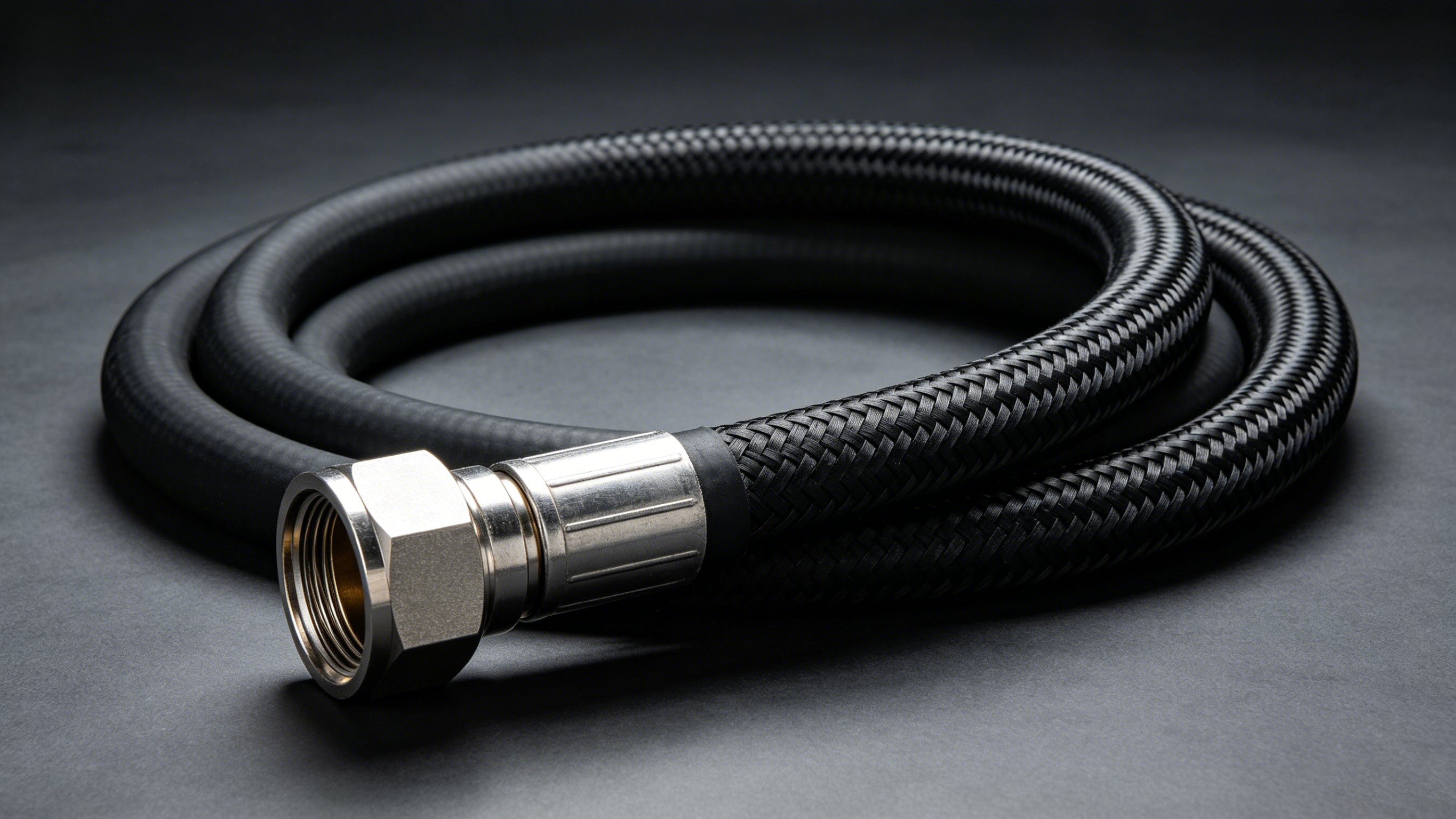
TPV rubber hoses are made from a blend of vulcanized rubber particles dispersed in a thermoplastic matrix. This unique structure provides the elasticity of rubber with the processing advantages of thermoplastics. Common structures include:
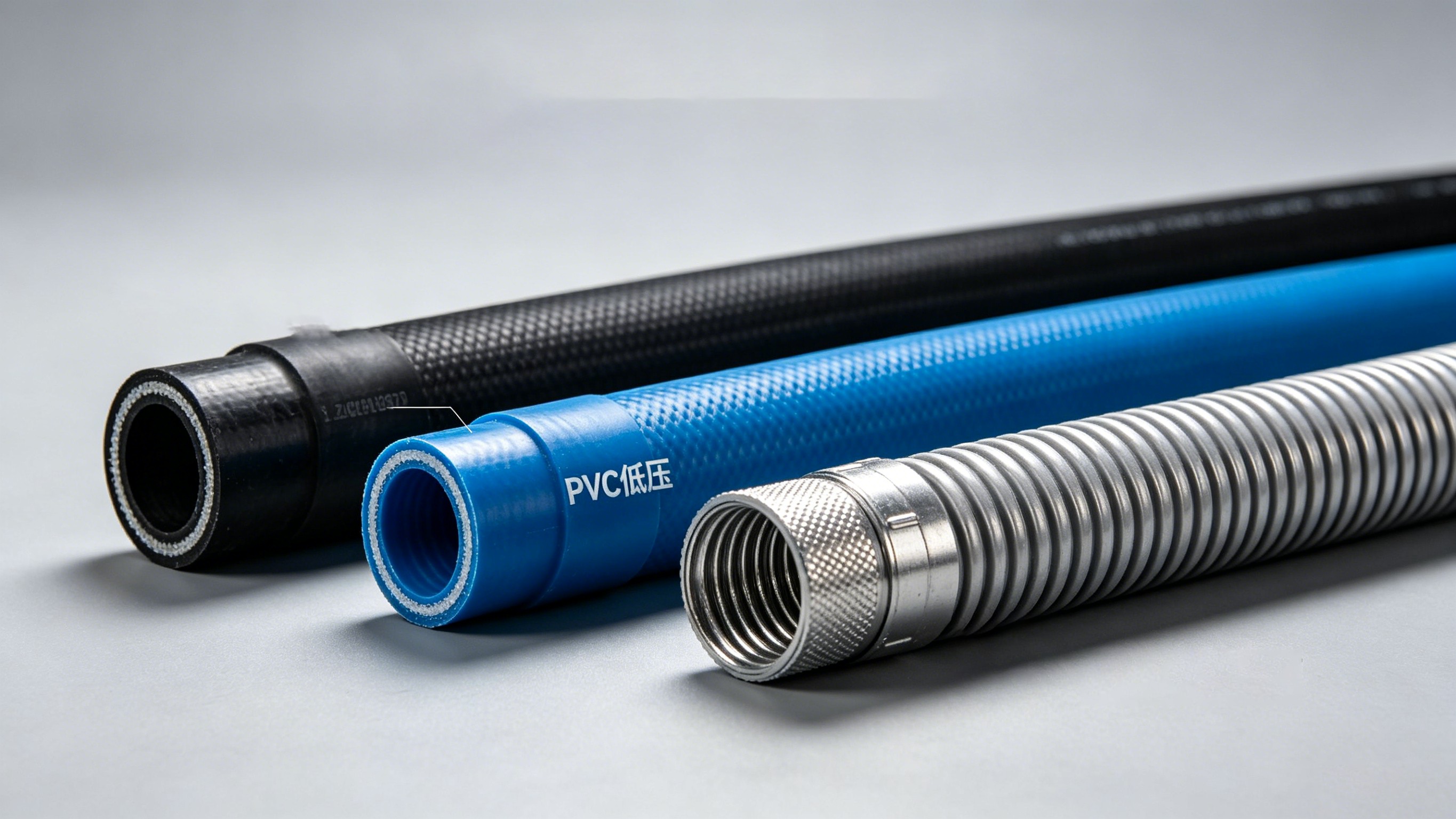
Single-layer TPV hose: Used for low-pressure fluid and air transfer, offering flexibility and weather resistance.
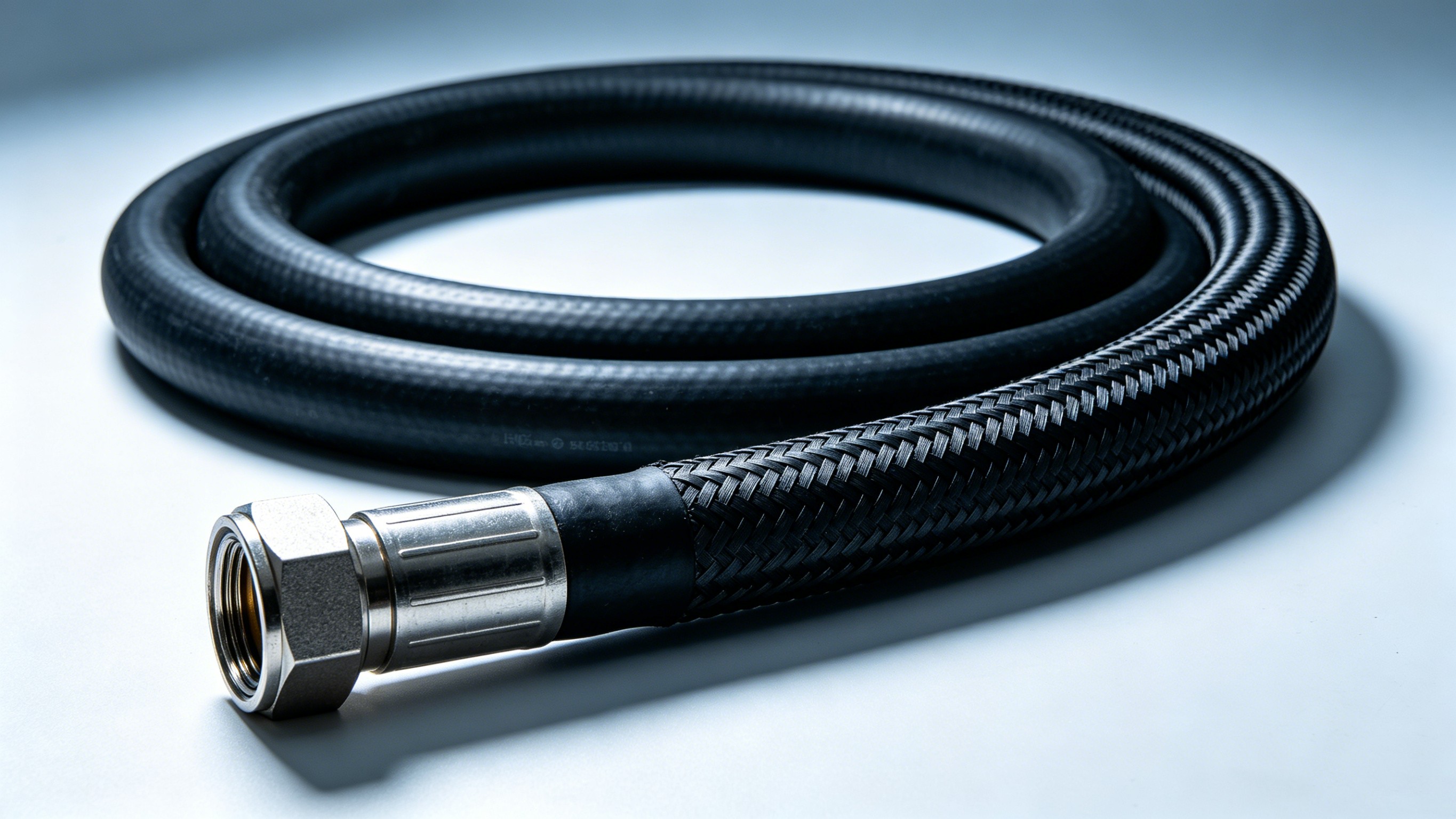
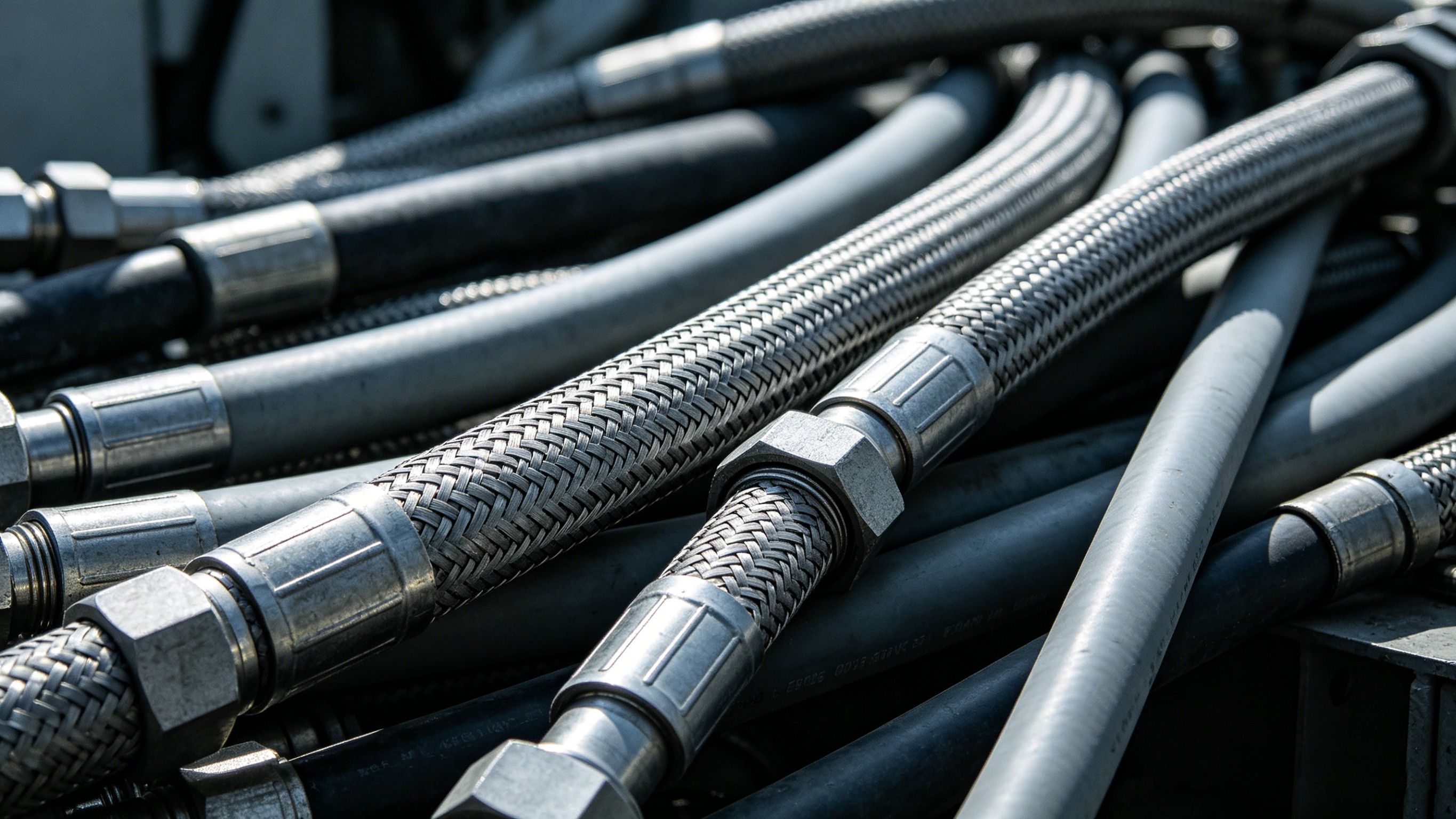
Reinforced TPV hose: With fiber braiding or textile reinforcement for higher pressure applications.
Multi-layer TPV hose: With inner layer for media compatibility, reinforcement layer for pressure resistance, and outer layer for abrasion and weather protection.
II. Core Performance Advantages of TPV Rubber Hoses
Excellent Flexibility and Elasticity
TPV hoses maintain rubber-like flexibility over a wide temperature range, making them easy to install and resistant to fatigue from repeated flexing.
Outstanding Heat Resistance
TPV materials can withstand continuous operating temperatures from -60°C to +135°C, with short-term peaks up to +150°C, suitable for hot water and hot air applications.
Superior Weather and UV Resistance
TPV hoses are highly resistant to UV radiation, ozone, and weathering, making them ideal for outdoor applications without degrading.
Good Chemical Resistance
TPV offers good resistance to water, glycol, mild acids, and bases, as well as many automotive fluids.
Excellent Sealing Performance
TPV materials provide tight sealing with various fittings, reducing leakage risk in critical systems.
Lightweight and Durable
TPV hoses are lighter than traditional rubber hoses and offer long service life with minimal maintenance.
Environmentally Friendly
TPV materials are recyclable and free from halogen and heavy metals, meeting modern environmental requirements.
III. Typical Application Scenarios
Automotive: Cooling system hoses, heater hoses, air intake hoses, windshield washer hoses.
HVAC: Refrigerant lines, condensate drain hoses, ventilation ducts.
Industrial: Pneumatic lines, water transfer, chemical transfer.
Household appliances: Washing machine hoses, dishwasher hoses, water heater connections.
Medical equipment: Flexible tubing for medical devices and fluid transfer.
Outdoor equipment: Garden hoses, irrigation lines, pool and spa hoses.
IV. Key Points for Selecting TPV Rubber Hoses
Temperature Range
Confirm the maximum and minimum operating temperatures. TPV hoses are suitable for -60°C to +135°C, but verify specific grade ratings.
Pressure Rating
Select the appropriate pressure rating based on system requirements. Reinforced TPV hoses are available for higher pressure applications.
Media Compatibility
Check compatibility with the fluid or gas being conveyed, especially for chemicals, oils, and fuels.
Flexibility and Bending Radius
Choose a hose with sufficient flexibility and appropriate bending radius for the installation space.
Weather and UV Exposure
For outdoor applications, select TPV hoses with enhanced UV and weather resistance.
Connection and Fittings
Ensure the hose diameter and material are compatible with the selected fittings and clamps.
Certifications
For automotive and medical applications, ensure the hose meets relevant standards such as SAE, ISO, or FDA.
V. Conclusion
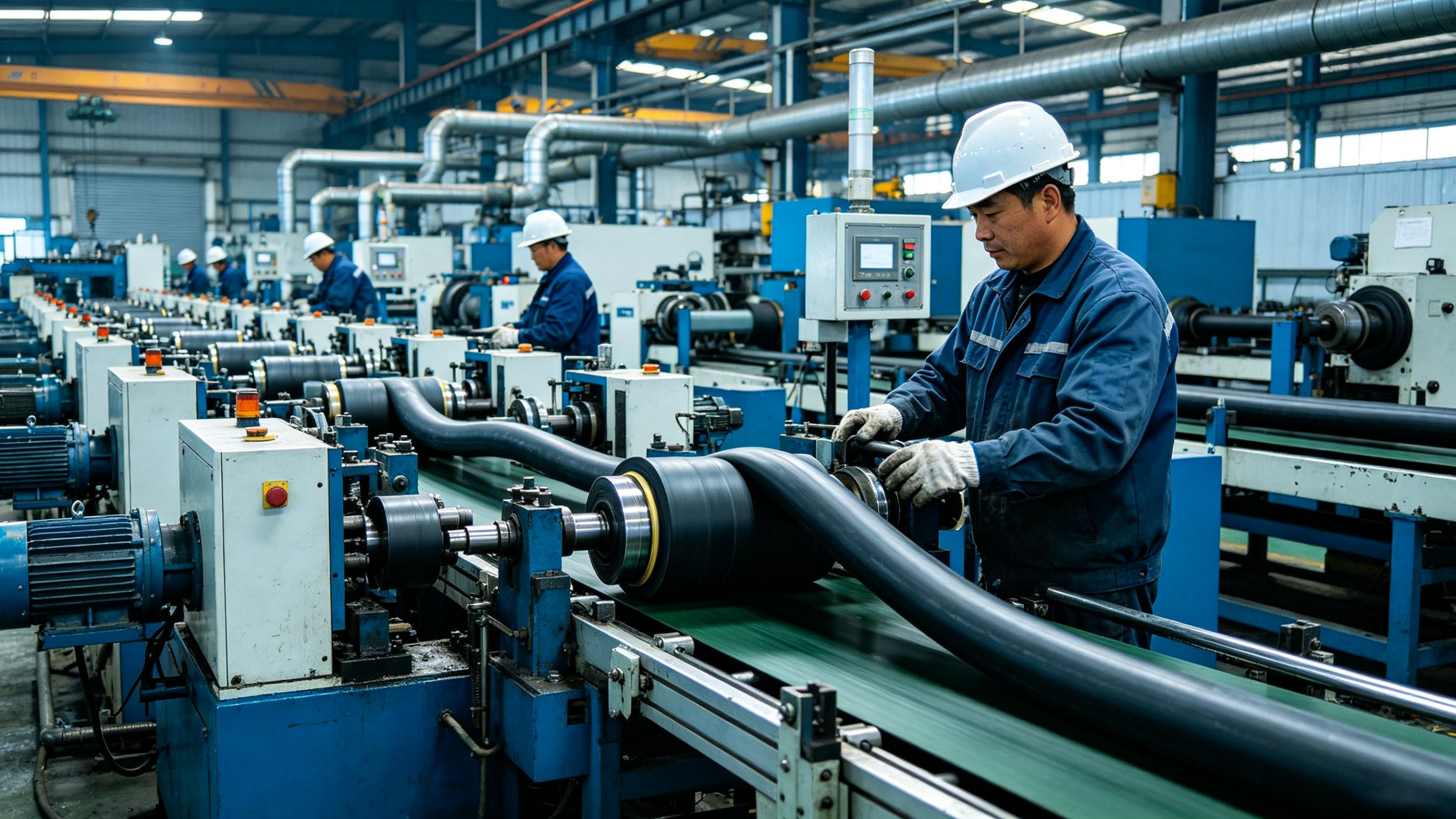
TPV rubber hoses combine the best properties of rubber and thermoplastics, offering excellent flexibility, heat resistance, and weather resistance for a wide range of applications. As a professional hose manufacturer, we offer high-quality TPV rubber hoses in various specifications and sizes to meet diverse industrial needs. For more information or custom solutions, please contact us.