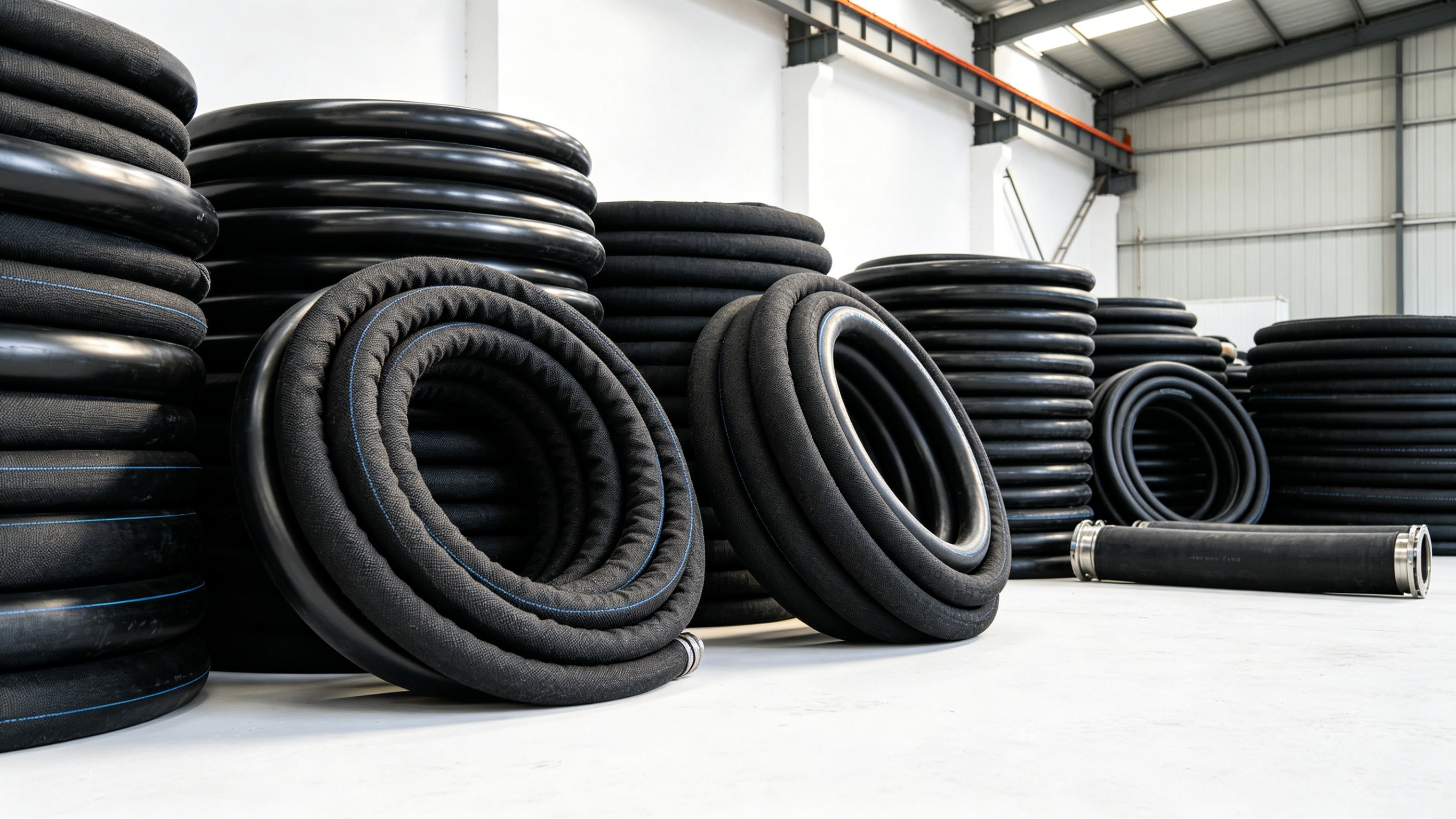
Choosing Hoses for Chemical Transfer Applications
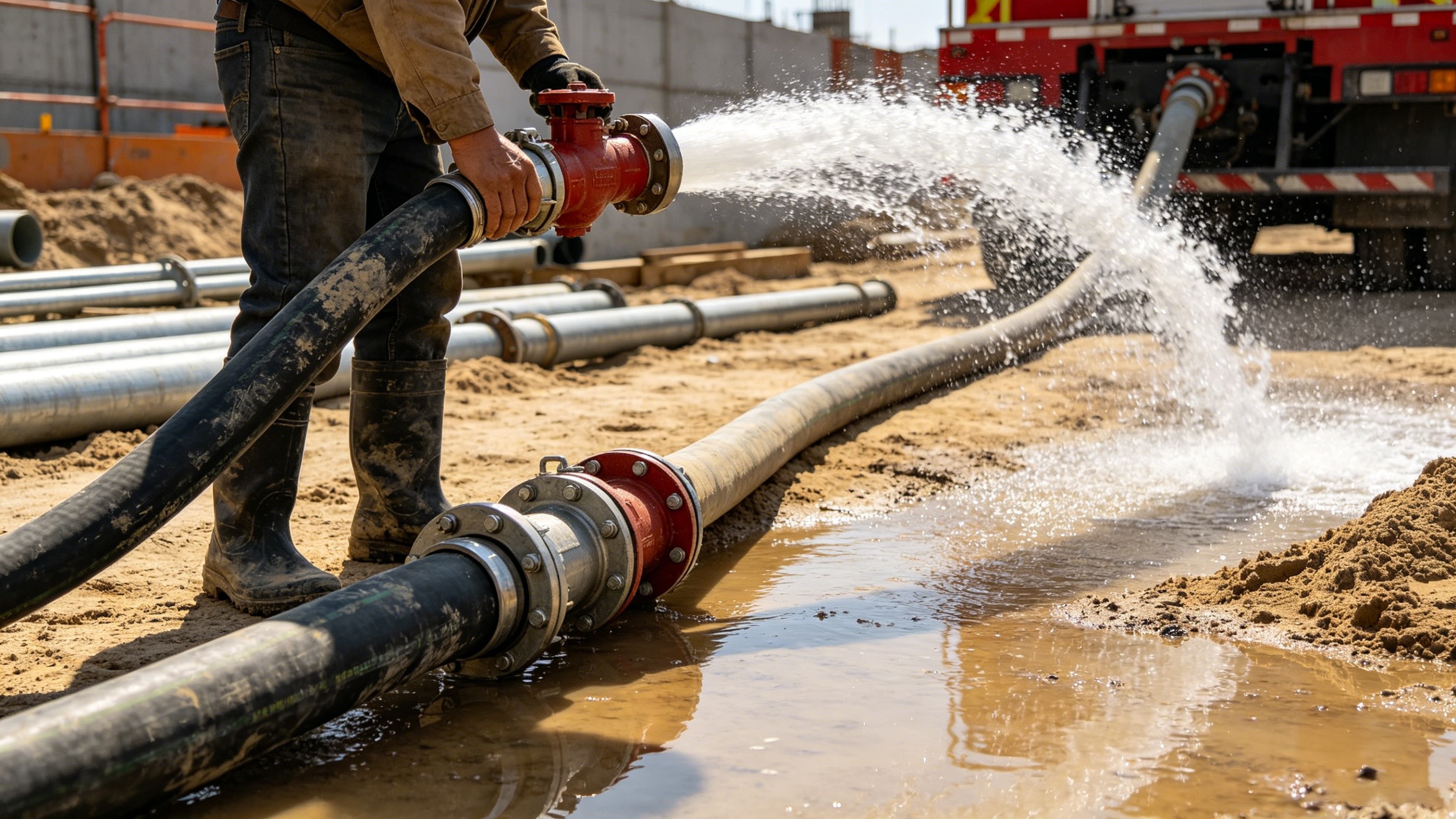
Chemical transfer is a critical process in many industries, including chemical manufacturing, oil and gas, water treatment, pharmaceuticals, and industrial processing. The safe transportation of chemicals requires specialized hose solutions that can withstand aggressive substances, varying temperatures, and demanding operating conditions.
Choosing the wrong hose can result in leaks, contamination, equipment damage, and serious safety hazards. Understanding the key selection factors can help ensure reliable and efficient chemical transfer operations.
- Material Compatibility Is the First Priority
When selecting a chemical transfer hose, the most important factor is compatibility between the hose material and the chemical being conveyed.
Different chemicals react differently with hose materials. Some substances may cause swelling, hardening, cracking, or degradation if the material is not suitable. Therefore, it is essential to evaluate the chemical resistance properties of the hose before installation.
Polyurethane, nylon, and specially designed chemical-resistant materials are commonly used depending on the specific application requirements.
Selecting a compatible hose material helps ensure safety, maintain product purity, and extend service life.
- Consider Pressure and Temperature Requirements
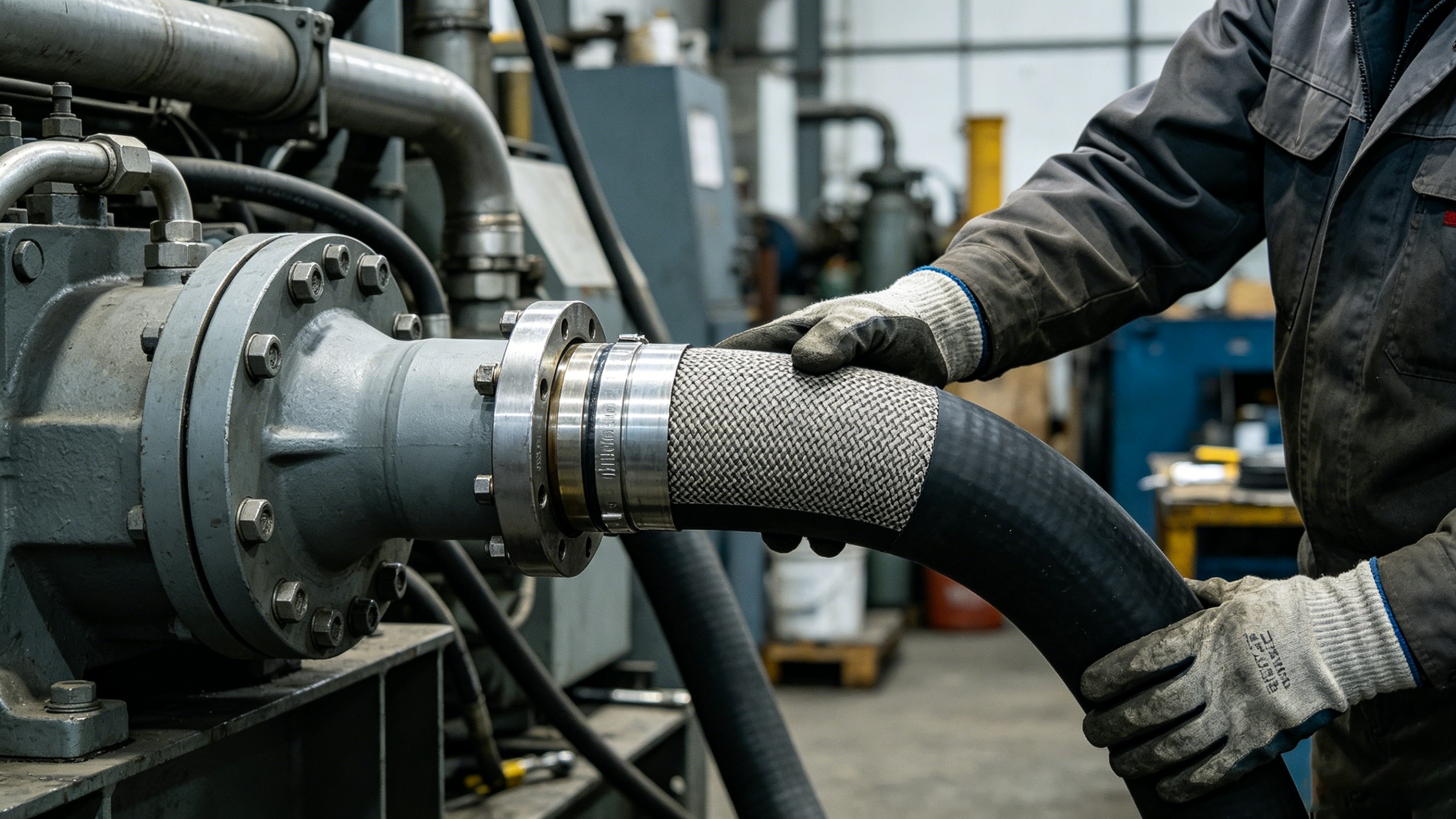
Chemical transfer systems often operate under different pressure and temperature conditions. The hose must be capable of handling the maximum working pressure while maintaining structural integrity.
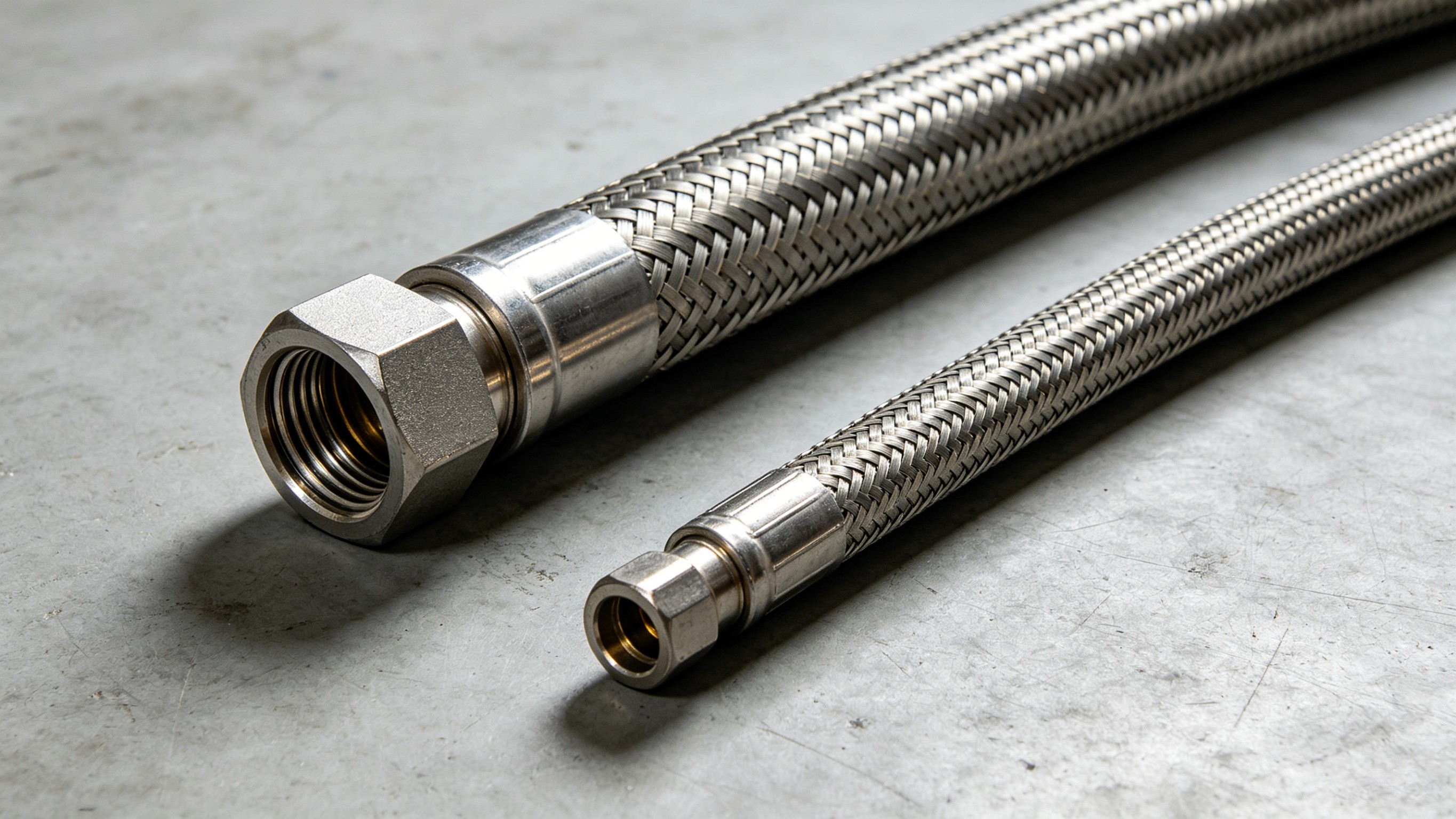
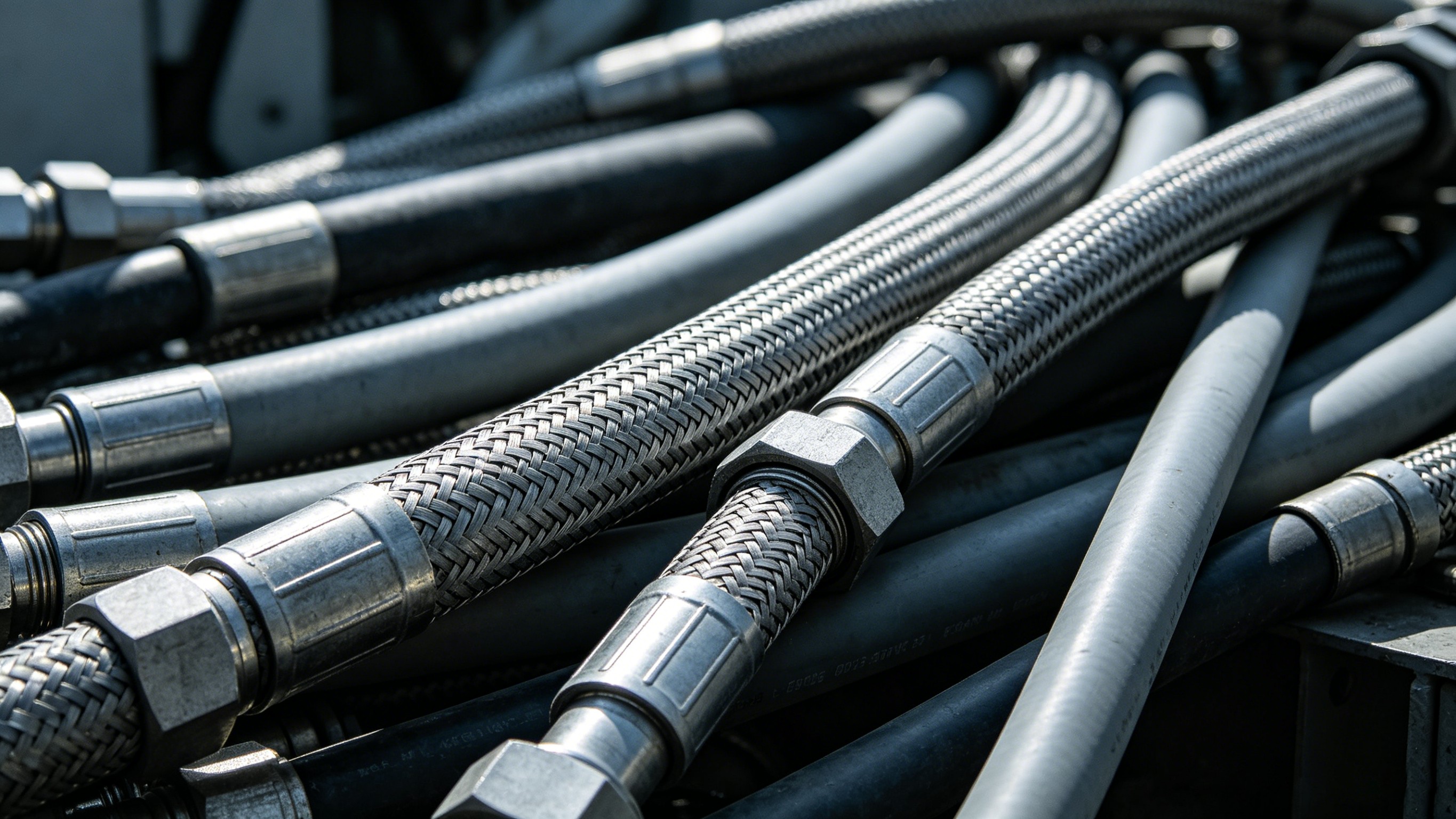
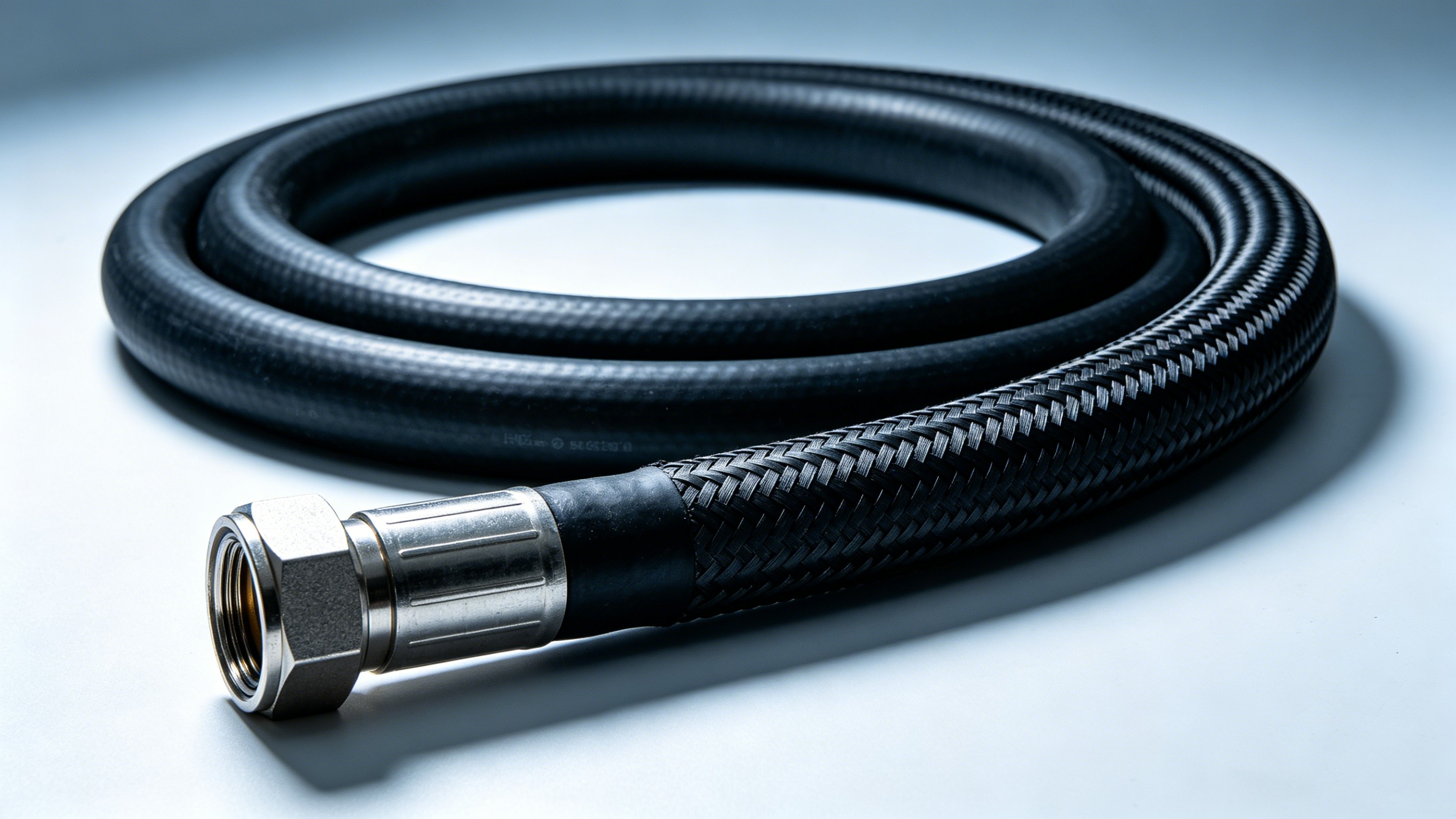
In high-pressure systems, reinforced hoses with fiber or steel wire reinforcement are often required. For applications involving elevated temperatures, heat-resistant hose materials should be selected to prevent premature wear or failure.
Understanding both normal operating conditions and potential pressure surges is important when choosing a suitable hose.
- Evaluate Flexibility and Installation Environment
The working environment can significantly influence hose performance.
In facilities with limited installation space, flexible hoses are easier to route and maintain. In applications involving continuous movement or vibration, hoses must be able to withstand repeated bending without damage.
Polyurethane hoses are often preferred for applications requiring flexibility and abrasion resistance, while reinforced hoses provide additional strength for more demanding environments.
Proper hose routing can also help reduce stress and improve overall system reliability.
- Safety and Maintenance Considerations
Safety is always a top priority in chemical transfer operations. Hoses should be regularly inspected for signs of wear, cracking, leakage, or deformation.
Preventive maintenance programs can help identify potential issues before they lead to system failure. Using high-quality hoses that meet industry standards further improves operational safety and reduces downtime.
Working with a trusted hose manufacturer ensures access to technical support and customized solutions for specific chemical applications.
Conclusion
Selecting the right chemical transfer hose requires careful consideration of material compatibility, pressure resistance, temperature requirements, and installation conditions. The proper hose not only improves operational efficiency but also enhances workplace safety and equipment reliability.
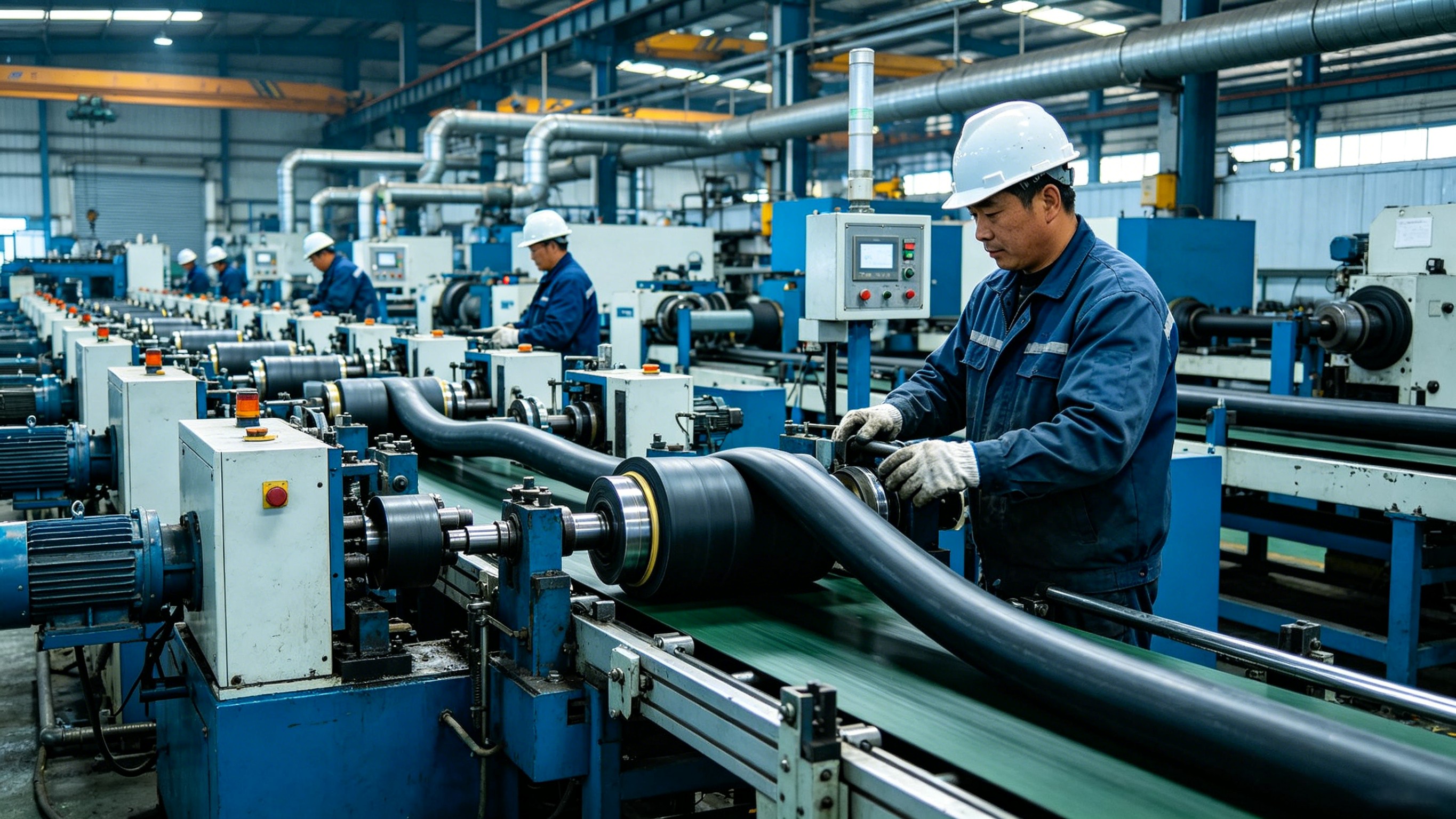
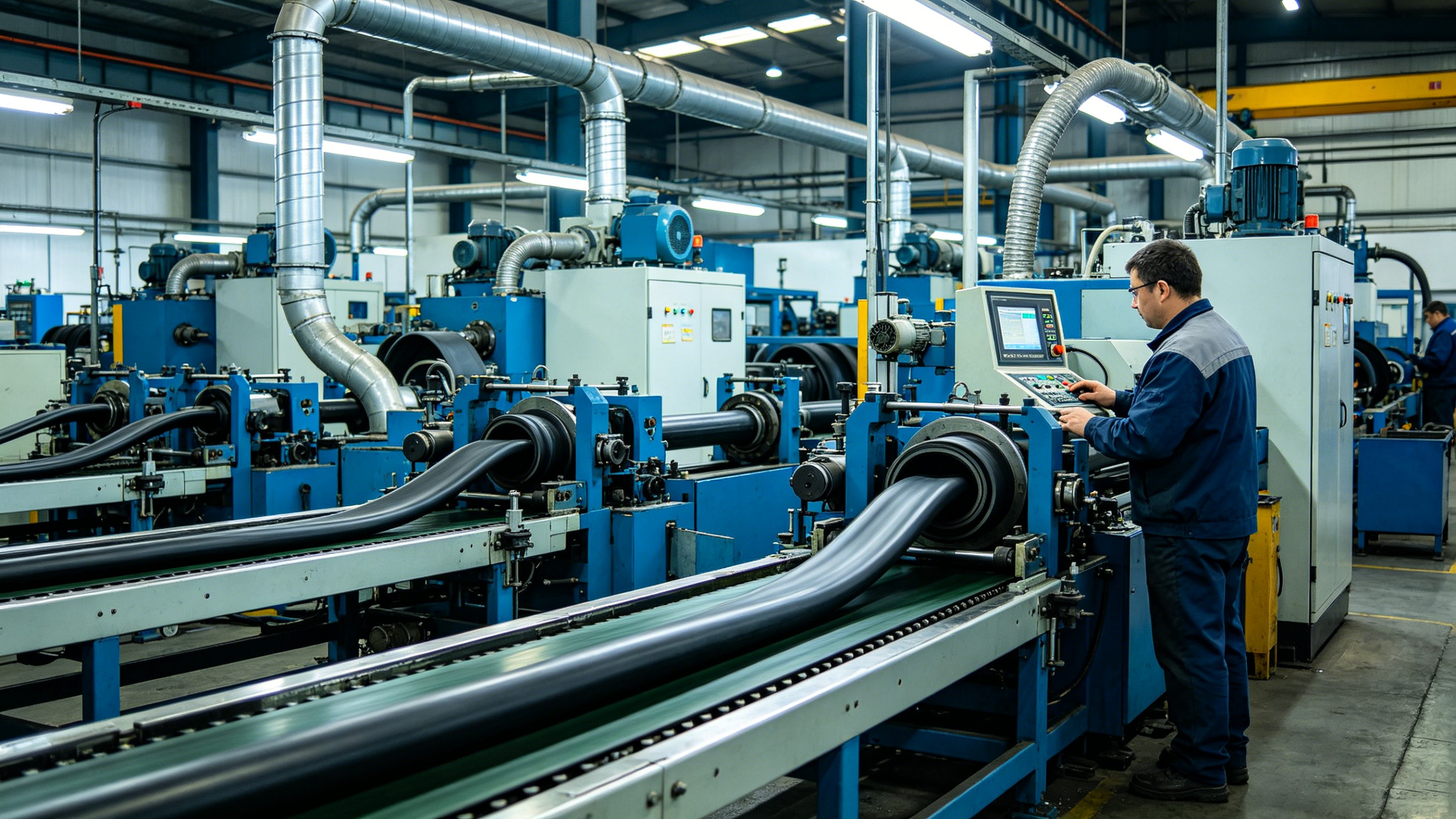
Shandong Danyu New Materials Technology Co., Ltd. manufactures polyurethane hoses, reinforced hoses, nylon tubing, high-pressure hoses, and customized industrial hose solutions for chemical transfer and other industrial applications. Contact us to learn more about our OEM manufacturing and bulk supply capabilities.