The Role of TPV Rubber Hoses in New Energy Vehicles: Lightweighting and Thermal Management Solutions
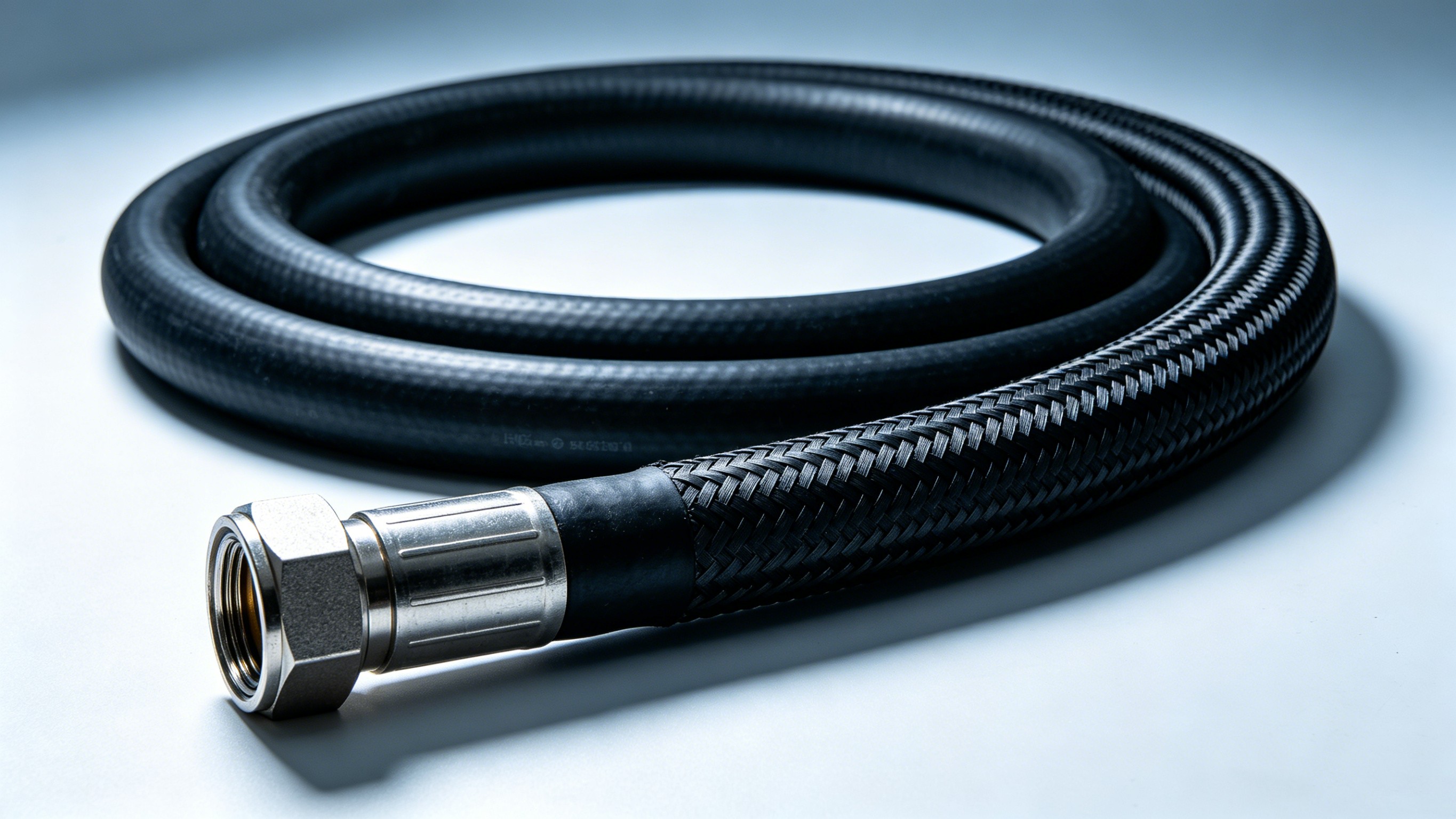
The Role of TPV Rubber Hoses in New Energy Vehicles: Lightweighting and Thermal Management Solutions
The global shift toward New Energy Vehicles (NEVs) is fundamentally transforming automotive engineering. Unlike traditional internal combustion engines, electric vehicles (EVs) rely on highly complex liquid cooling systems to manage the temperature of battery packs, motors, and power electronics. In this critical application, traditional rubber and metal hoses are rapidly being replaced by advanced thermoplastic elastomers.
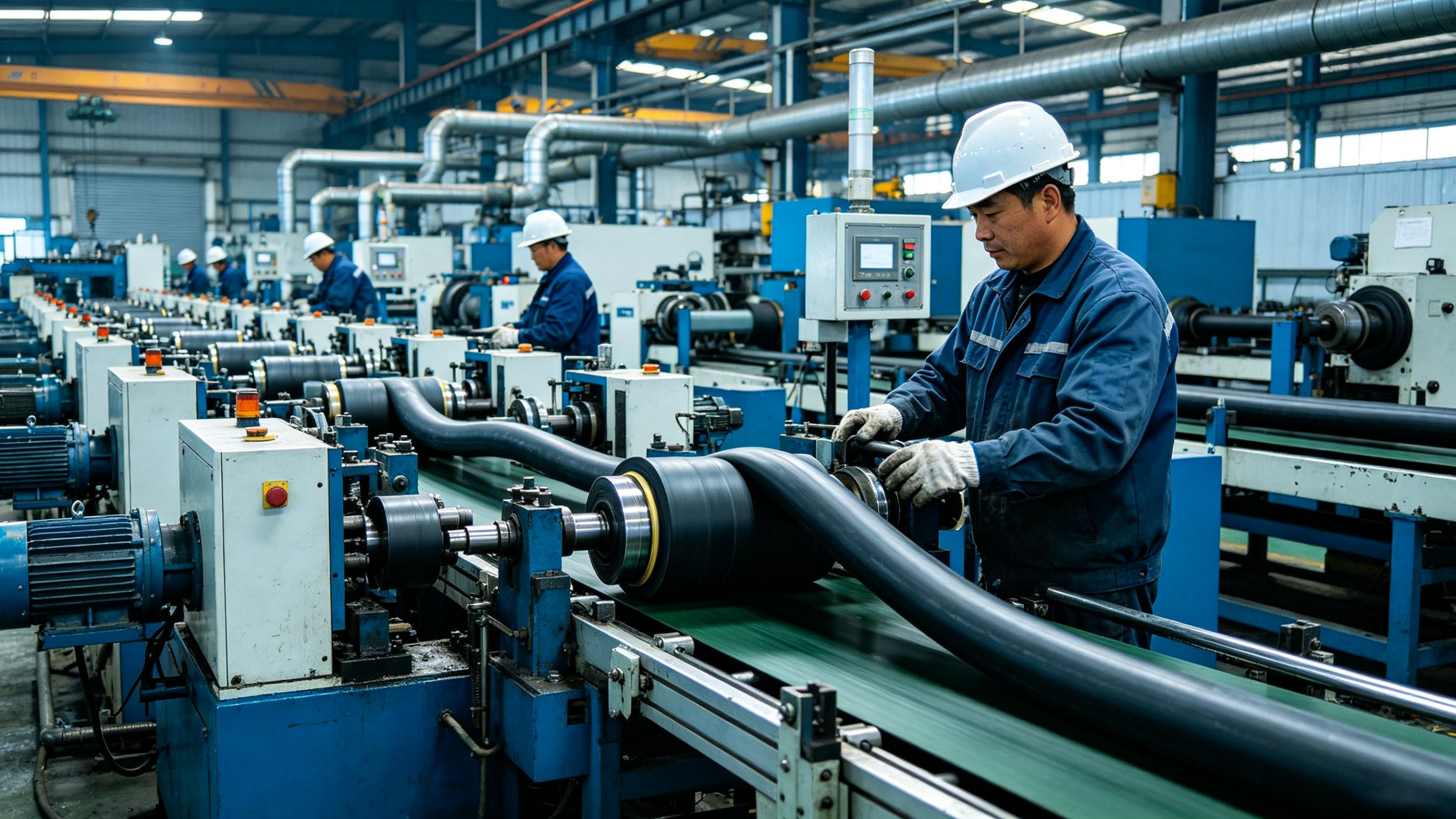
As a specialized manufacturer of TPV (Thermoplastic Vulcanizate) rubber hoses, we are at the forefront of this automotive revolution. Here is why TPV is becoming the material of choice for next-generation EV thermal management systems.
Unmatched Lightweighting for Extended Range
In EV design, every gram matters. Reducing vehicle weight directly translates to extended driving range and improved energy efficiency. TPV hoses have a density of just 0.90 to 0.97 g/cm³, making them significantly lighter than traditional EPDM rubber and heavy metal alternatives. By replacing conventional coolant lines with TPV, automakers can achieve substantial weight savings without compromising structural integrity.
Superior Hydrolysis and Chemical Resistance
EV battery cooling systems typically use water-glycol mixtures as coolants. Traditional polyamides (nylons) can suffer from hydrolysis (chemical breakdown by water) over time, leading to leaks. TPV, however, features a unique cross-linked micro-structure that provides exceptional resistance to hydrolysis, glycols, and polar coolants. This ensures long-term leak-free performance and protects expensive battery modules from catastrophic fluid damage.
Wide Temperature Resilience
EV powertrains generate significant heat, requiring coolant hoses to withstand demanding thermal cycles. TPV hoses maintain excellent flexibility and sealing performance across a broad temperature range, typically operating reliably from -40°C up to +135°C (with peak resistance up to +150°C). This resilience prevents cracking during cold starts and degradation during high-load thermal management.
Design Flexibility and Complex Routing
Battery packs and electric motors have extremely compact and intricate packaging requirements. TPV hoses offer exceptional flexibility and a tight bending radius, allowing engineers to route coolant lines through narrow, confined spaces without kinking. Furthermore, TPV can be easily heat-formed or co-extruded into complex 3D shapes, eliminating the need for multiple separate hoses and reducing the number of connection points (which are potential leak paths).
Sustainability and 100% Recyclability
The automotive industry is increasingly focused on sustainability. Unlike thermoset rubbers that must be vulcanized and ultimately end up in landfills, TPV is a thermoplastic material. It can be processed using energy-efficient extrusion methods and is 100% recyclable at the end of its lifecycle. Free from harmful plasticizers and heavy metals, TPV hoses perfectly align with the eco-friendly ethos of New Energy Vehicles.
Drive the Future with Advanced TPV Solutions
Don't let outdated materials compromise your EV's performance and safety. Transitioning to TPV rubber hoses offers the perfect balance of lightweighting, durability, and environmental responsibility.
Contact our automotive engineering team today to discuss your thermal management requirements. We provide factory-direct pricing, custom molding, and expert technical support to accelerate your NEV development. Request a quote or download our TPV automotive datasheet now!