The Science of Flow: How to Calculate Pressure Drop and Select the Right Hose Size
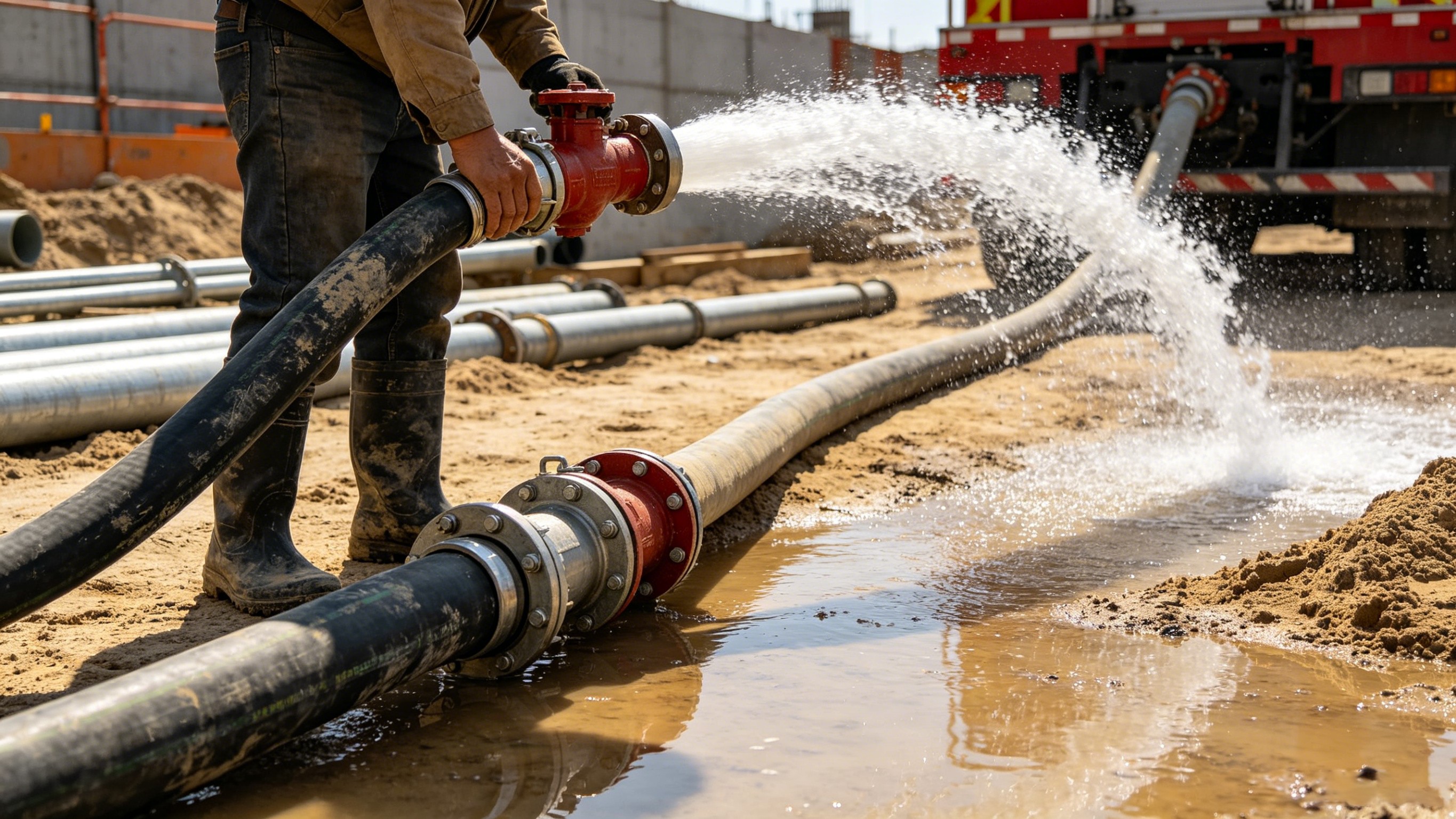
In industrial fluid and pneumatic systems, a hose is not just a simple pipe; it is a dynamic component that directly impacts system efficiency. Selecting a hose with the wrong inner diameter (ID) is one of the most common engineering mistakes. A hose that is too small will cause excessive pressure drop, leading to sluggish equipment performance, overheating, and premature pump failure. Conversely, a hose that is too large adds unnecessary weight and cost.
As a specialized manufacturer of PU, Nylon, TPV, and high-pressure hoses, our engineering team frequently helps clients optimize their fluid transfer systems. Here is a practical guide to understanding pressure drop and selecting the perfect hose size for your application.
Understanding Pressure Drop and Friction Loss
Pressure drop is the difference in pressure between the inlet and outlet of a hose, primarily caused by fluid friction against the inner wall. Several factors influence this loss:
Inner Diameter (ID): This is the most critical factor. Pressure drop is inversely proportional to the fifth power of the inner diameter. Simply put, reducing the hose ID by just 10% can increase pressure drop by nearly 60%.
Flow Rate: Higher flow rates exponentially increase friction and pressure loss.
Fluid Viscosity: Thicker fluids (like heavy hydraulic oils or adhesives) generate significantly more friction than water or air.
Hose Length: Longer hoses naturally result in greater pressure drop.
The Hidden Cost of Fittings and Bends
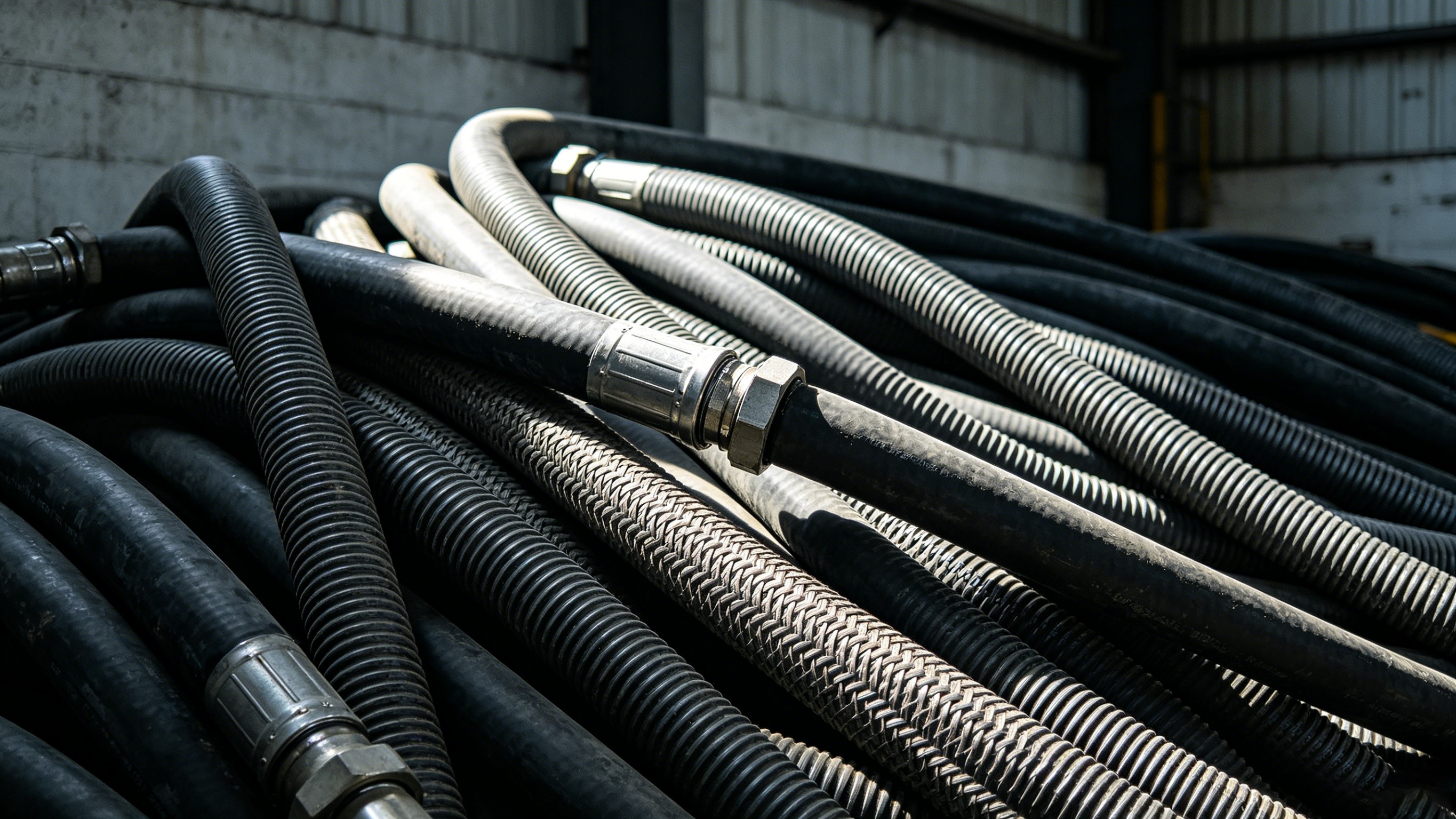
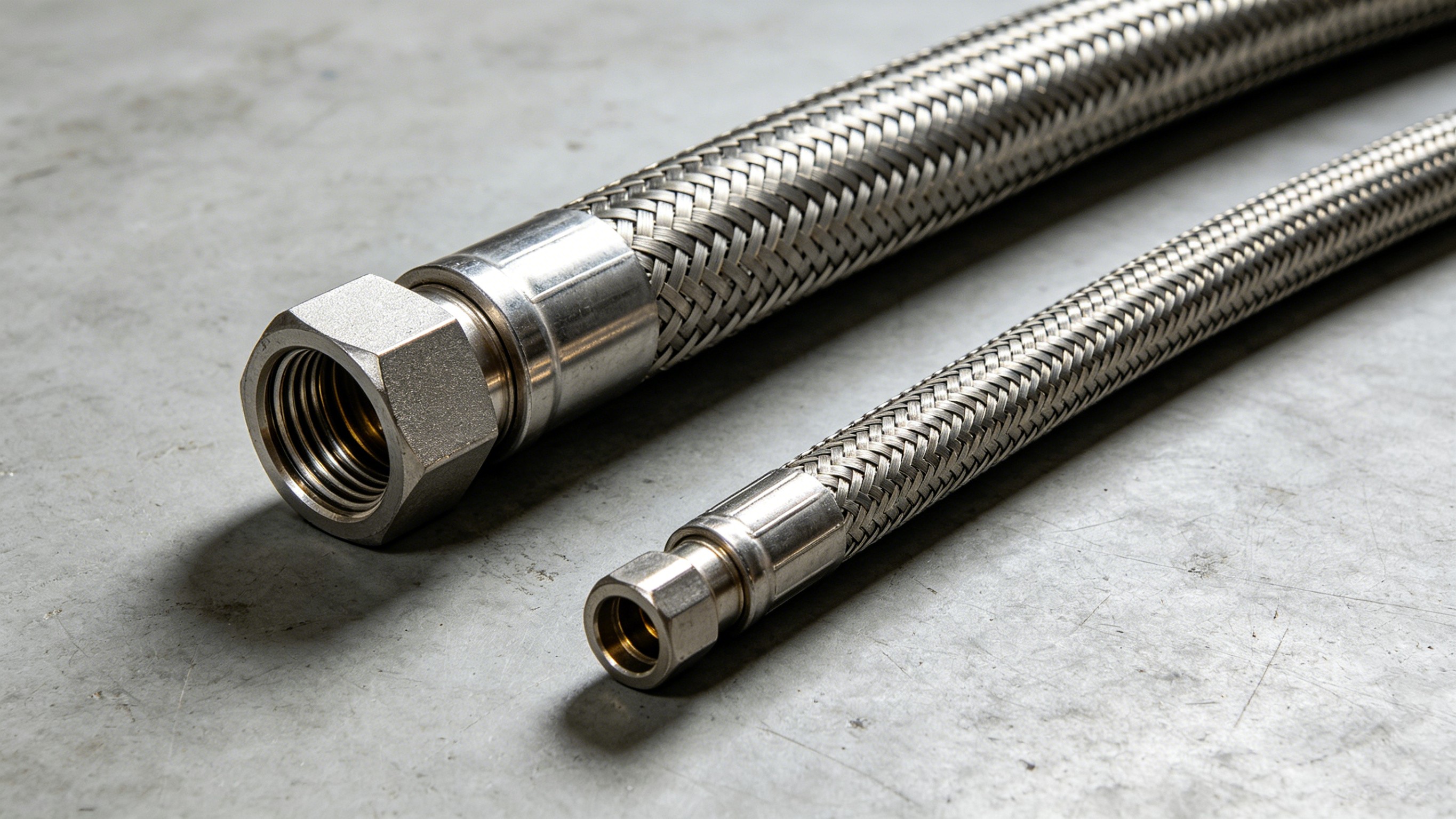
When calculating total system pressure drop, do not forget the hardware. Every elbow, coupling, and valve introduces additional flow restriction. As a general rule of thumb, a single 90-degree elbow can create the same pressure drop as several meters of straight hose. When designing complex routing paths, always factor in the equivalent length of these fittings.
Why Smooth Inner Walls Matter
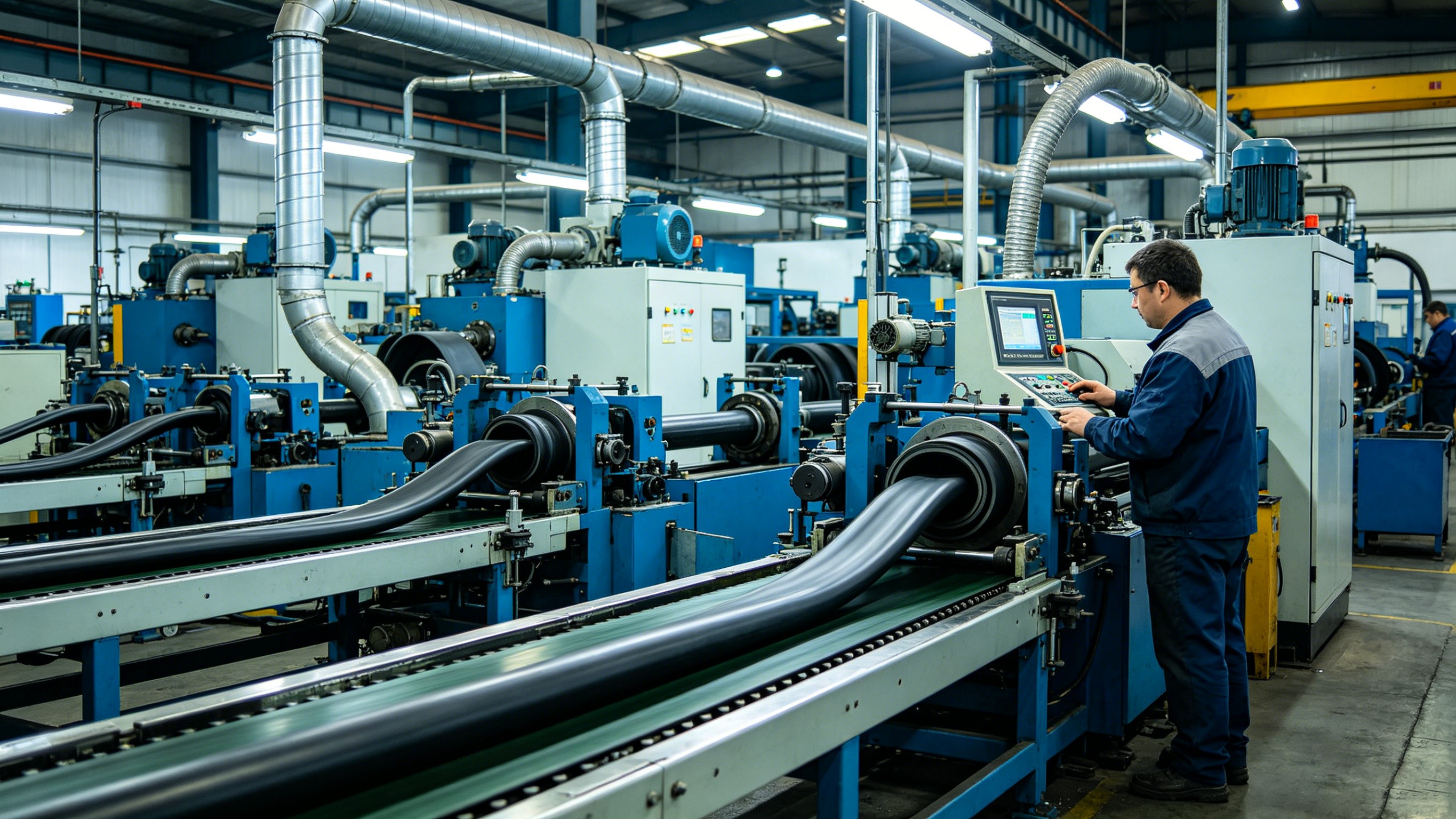
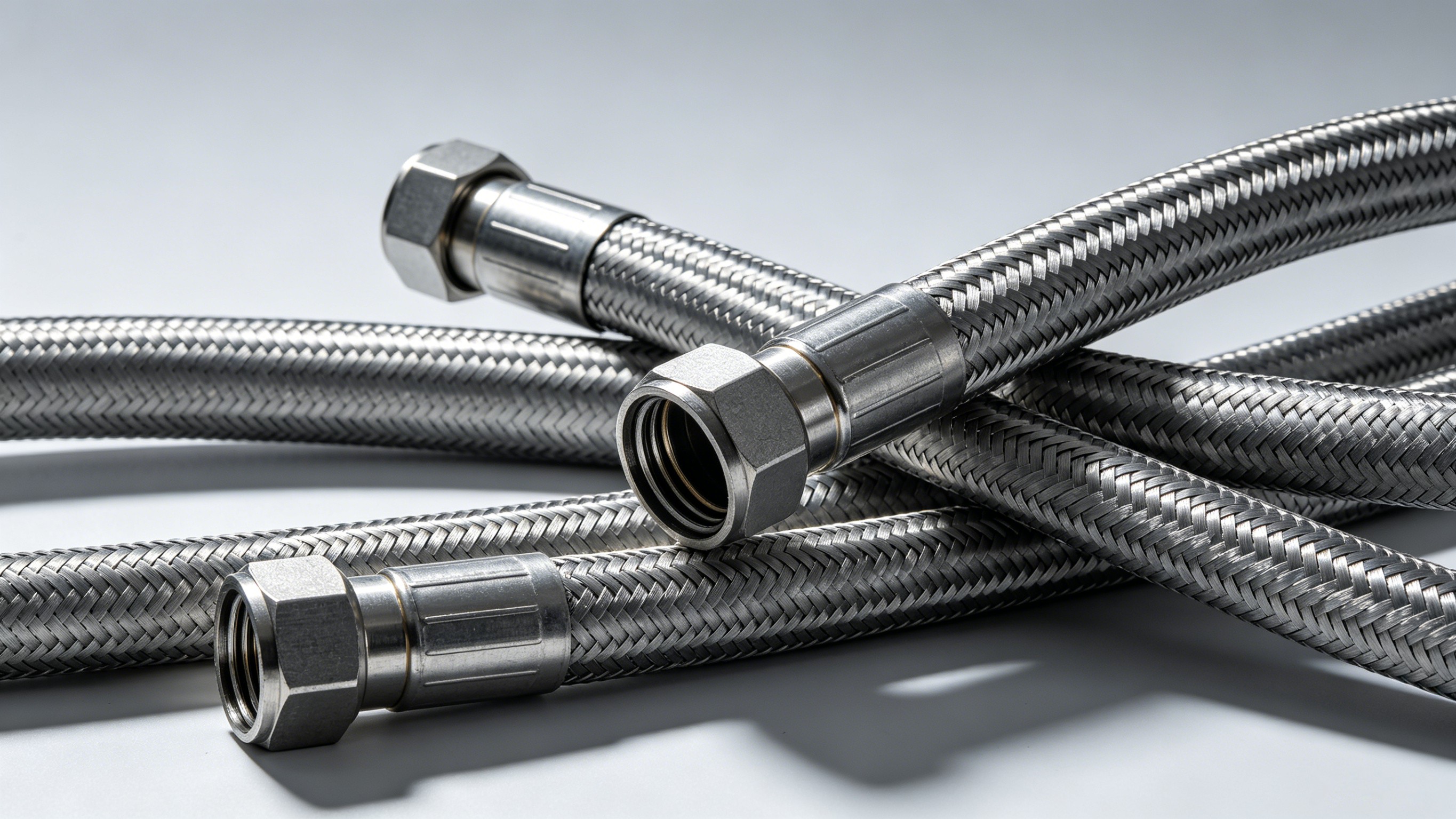
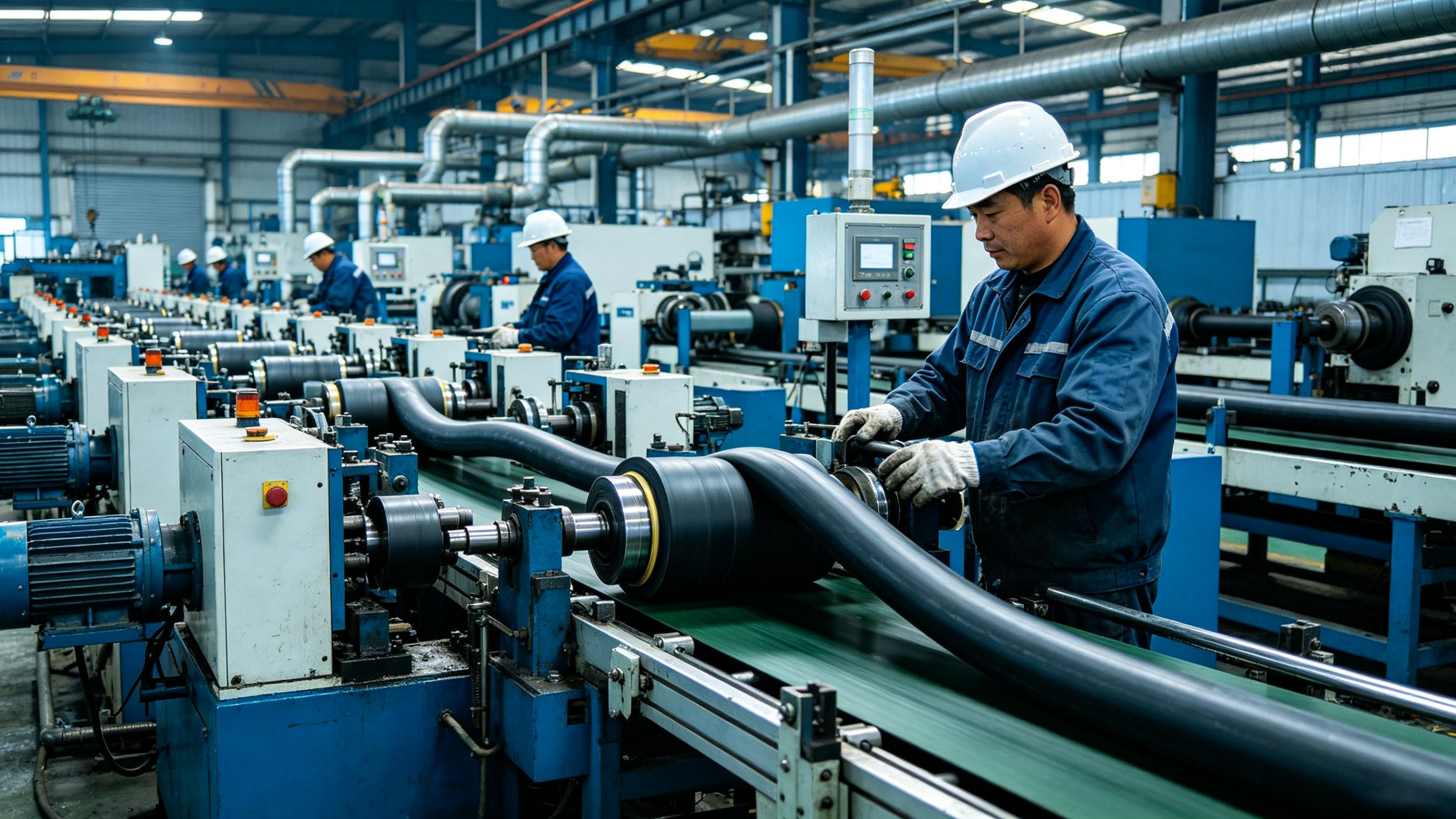
Not all hoses are created equal. Traditional rubber hoses often have rough inner walls that create turbulence and increase friction. Our Nylon Resin and PU hoses are manufactured using precision extrusion technology, resulting in an exceptionally smooth inner surface. This low-friction design significantly reduces pressure drop, ensuring that more power reaches your actuators and tools rather than being wasted as heat.
Expert Tips for Accurate Hose Sizing
To ensure optimal system performance, follow these best practices:
Use Flow Charts: Always consult manufacturer-provided flow and pressure drop charts. Never rely solely on nominal size.
Calculate for Peak Demand: Size your hose based on the maximum flow rate your system will experience, not the average.
Mind the Velocity: Keep fluid velocity within recommended limits (typically 3-5 m/s for suction lines, 5-7 m/s for pressure lines) to prevent cavitation and excessive wear.
Consider Temperature: Fluid viscosity changes with temperature. Ensure your hose sizing accounts for both cold-start conditions and peak operating temperatures.
Optimize Your System with Factory-Direct Expertise
Don't let improper hose sizing drain your system's efficiency and inflate your energy costs. Proper sizing is an investment that pays for itself in extended equipment life and reduced maintenance.
Need help calculating the right hose size for your specific application? Contact our engineering team today. We provide free technical consultations, custom flow analysis, and factory-direct pricing to ensure your fluid transfer systems operate at peak performance.