PU vs PVC Hoses for Industrial Vacuum: Why Upgrading Saves Long-Term Costs
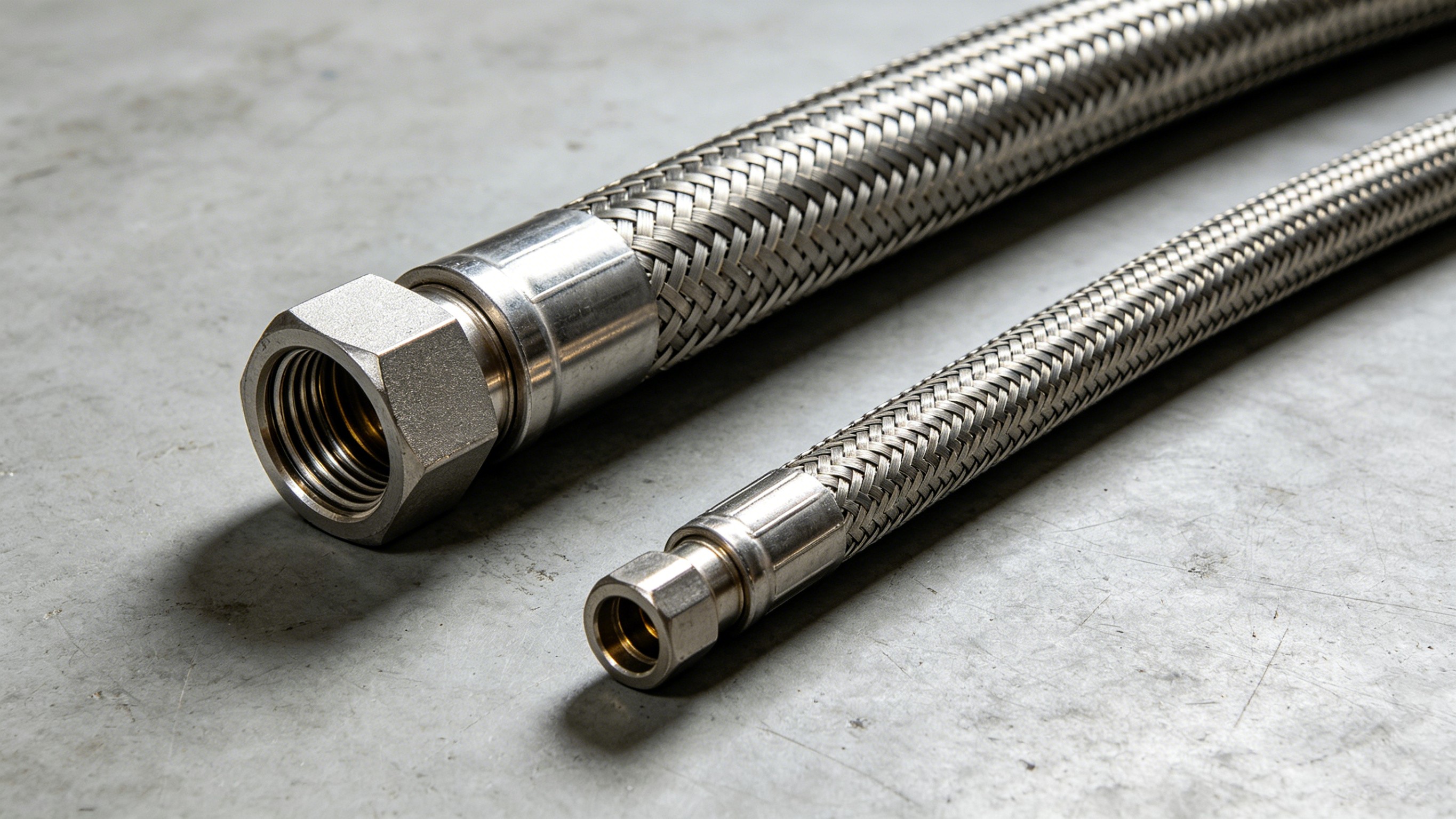
When selecting flexible ducting for industrial vacuum systems, dust extraction, or pneumatic conveying, facility managers often face a common dilemma: Should they choose standard PVC hoses or upgrade to PU (Polyurethane) steel wire hoses? While PVC may offer a lower upfront cost, it frequently leads to higher long-term expenses due to premature wear, cracking, and frequent replacements. As a specialized manufacturer of PU polyurethane hoses, we have compiled this comprehensive comparison to help you make a data-driven decision that protects your bottom line and operational safety.
Abrasion Resistance: The True Cost of Wear
Industrial environments are brutal. Materials like wood chips, metal shavings, glass dust, and plastic pellets act like sandpaper against the inner walls of your ducting.
PVC: Standard PVC has relatively low abrasion resistance. In heavy-duty applications, the inner wall can wear through in a matter of weeks, leading to vacuum leaks and system failure.
PU: Polyurethane is widely recognized as the "wear-resistant king" of industrial elastomers. Heavy-duty PU hoses offer abrasion resistance up to 30-50 times greater than PVC and natural rubber. While the initial investment is higher, PU hoses can last 5 to 10 times longer, drastically reducing replacement frequency and maintenance downtime.
Temperature Tolerance and Flexibility
Industrial facilities often experience extreme temperature fluctuations, from freezing winter nights to hot summer days or proximity to hot machinery.
PVC: PVC becomes highly rigid and brittle in cold temperatures (below 0°C), making it prone to cracking when bent or moved. In high heat, it can soften and lose its structural shape.
PU: PU maintains excellent flexibility across a wide temperature range, typically from -40°C to +90°C (with short-term peaks up to +125°C). It remains pliable in freezing conditions and resists softening in hot environments, ensuring consistent airflow and preventing kinks.
Safety: Anti-Static Properties and Fire Resistance
Safety is a non-negotiable factor in dust extraction, especially when handling combustible materials like flour, coal dust, or fine wood dust.
PVC: Standard PVC is highly susceptible to static buildup and is generally flammable. Using standard PVC in explosive dust environments is a severe safety hazard.
PU: Industrial PU hoses can be manufactured with integrated anti-static properties (surface resistance < 10⁹ Ω) via the embedded copper-plated steel wire helix. This safely grounds static electricity, preventing sparks. Additionally, PU hoses can be formulated to meet strict fire-retardant standards (e.g., UL94 V-0), providing critical protection against dust explosions.
Weight and System Efficiency
PVC: Heavier and stiffer, PVC hoses place more strain on vacuum motors and are difficult to route through complex CNC machinery or drag chains.
PU: PU hoses are up to 30% lighter than equivalent rubber hoses and significantly more flexible. This reduces the load on your extraction fans, lowers energy consumption, and makes installation in tight spaces effortless.
Make the Smart Upgrade
Don't let the false economy of cheap PVC hoses drain your maintenance budget. Upgrading to high-performance PU steel wire hoses is an investment in safety, efficiency, and long-term cost savings. Ready to upgrade your dust extraction system? Contact our engineering team today. We offer free consultations to help you select the optimal PU hose specification and provide competitive factory-direct pricing.