How to Choose the Right Industrial Hose: Nylon Resin vs. PU Polyurethane vs. TPV Rubber
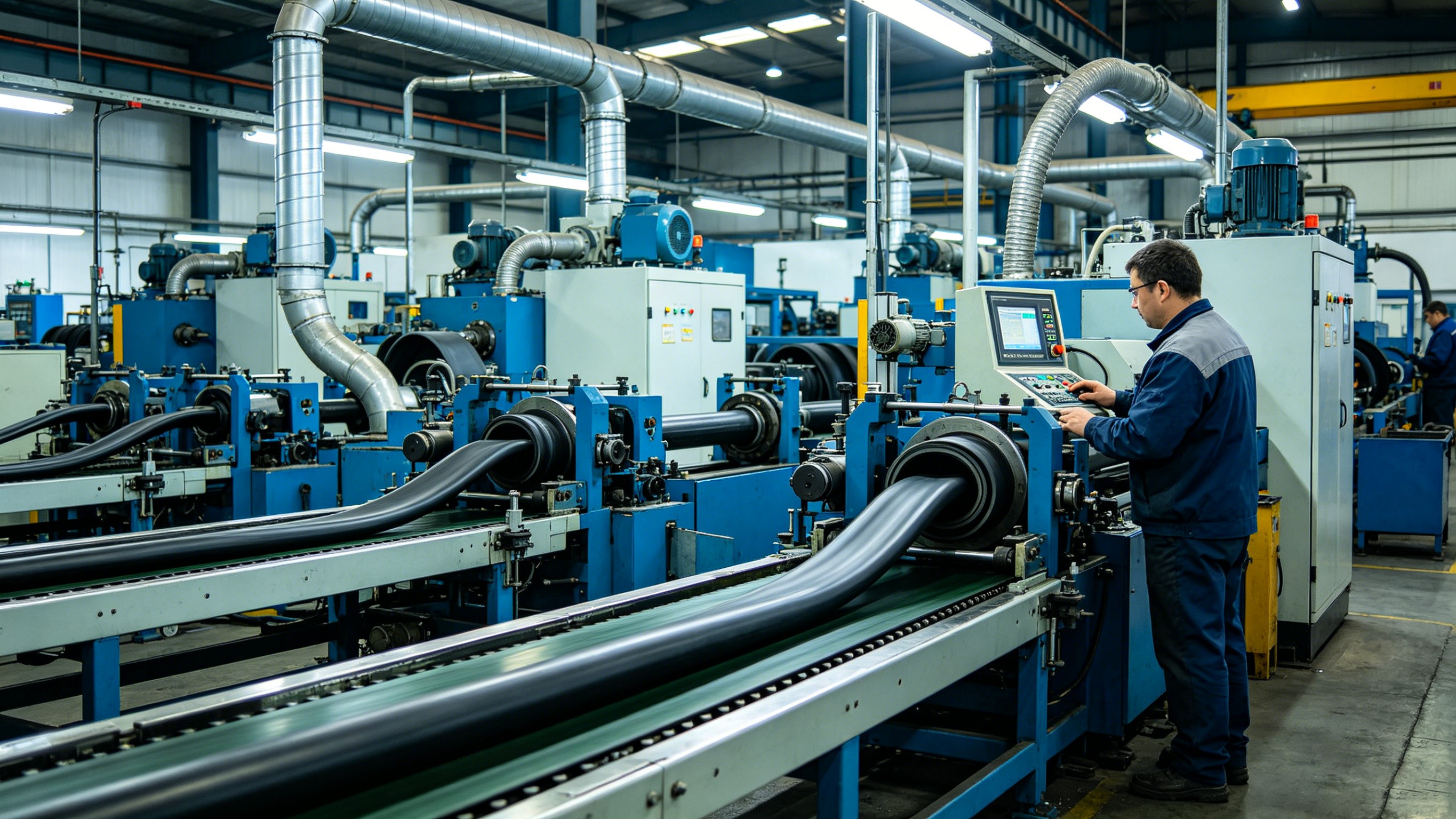
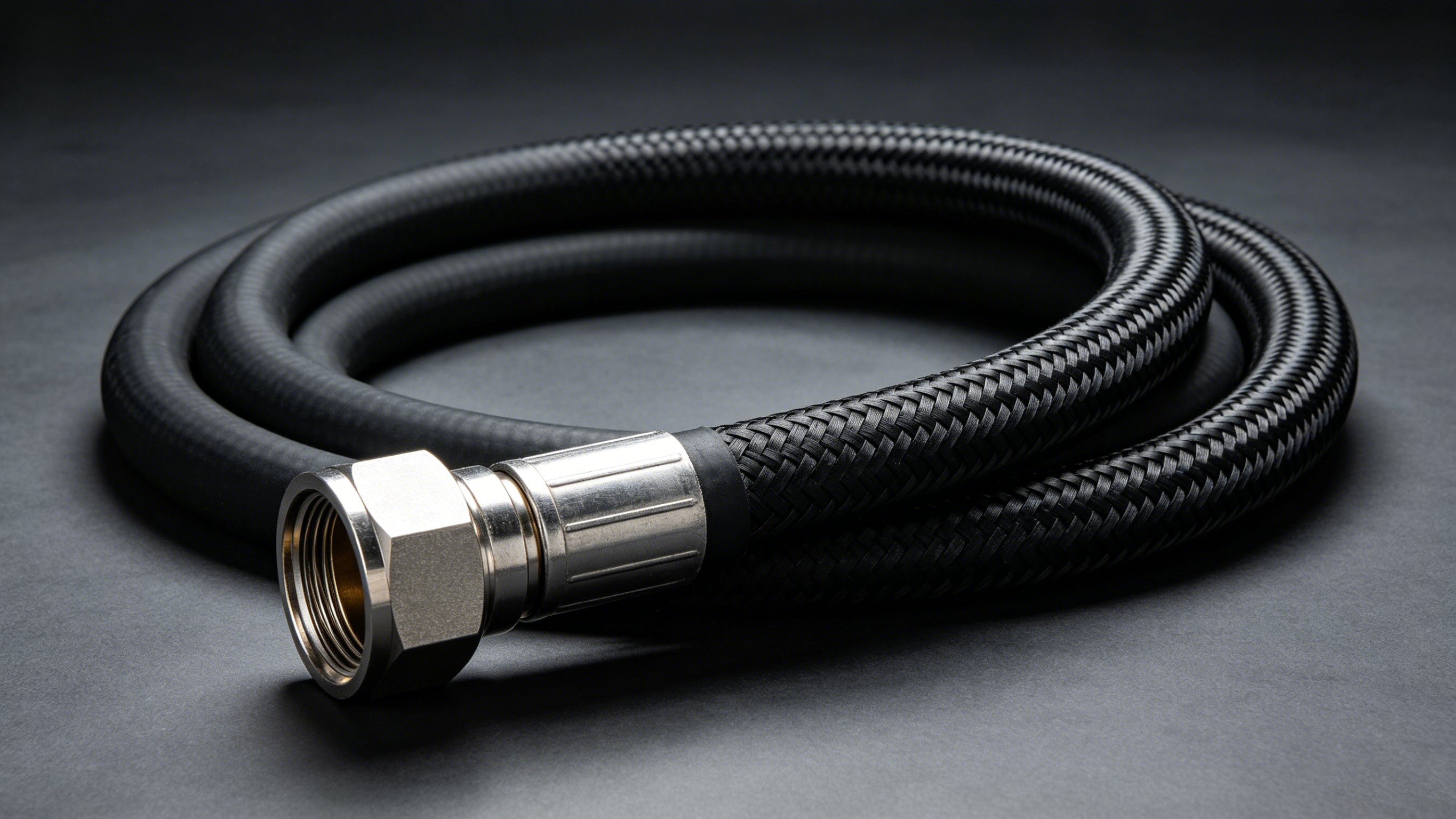
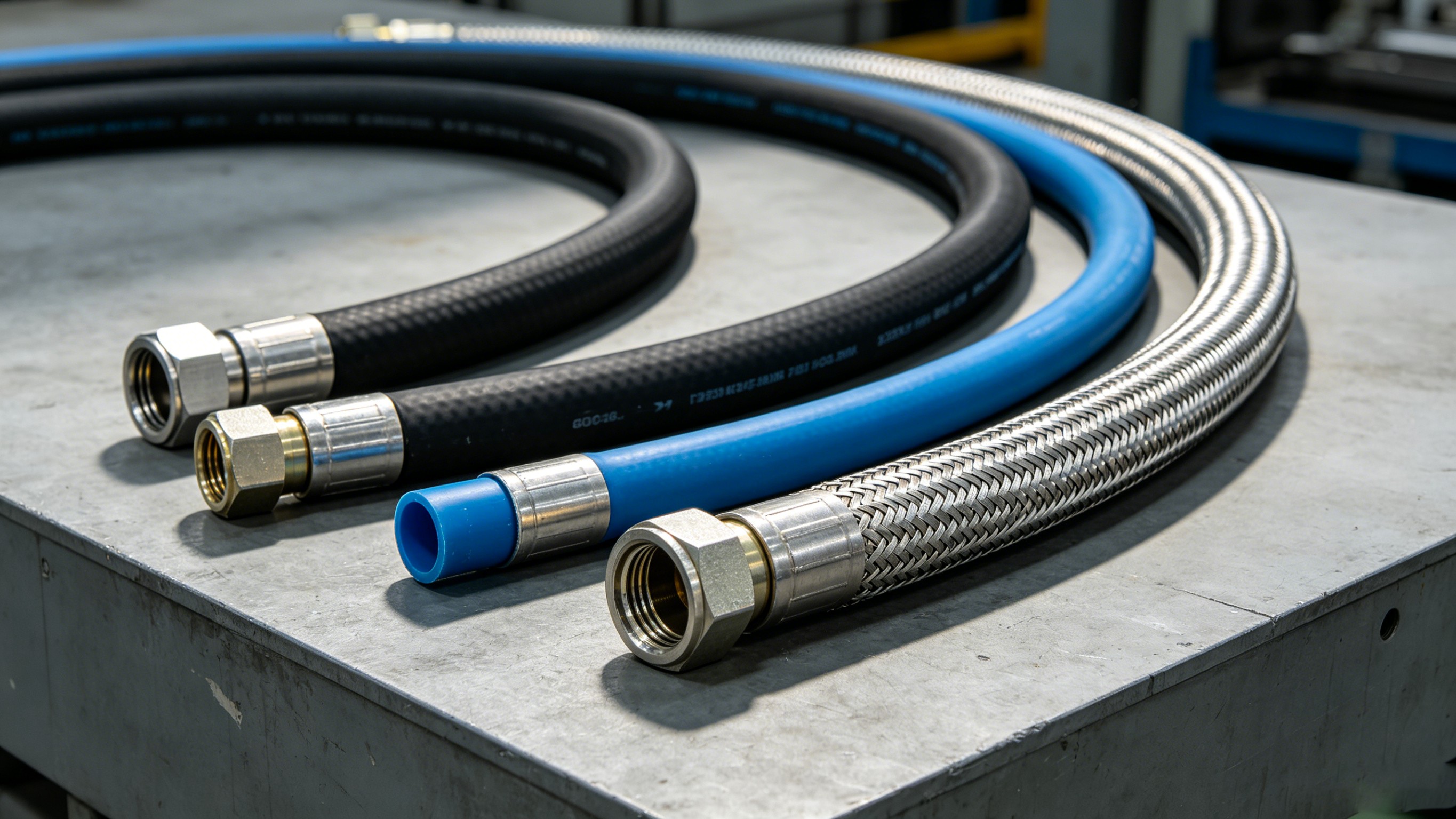
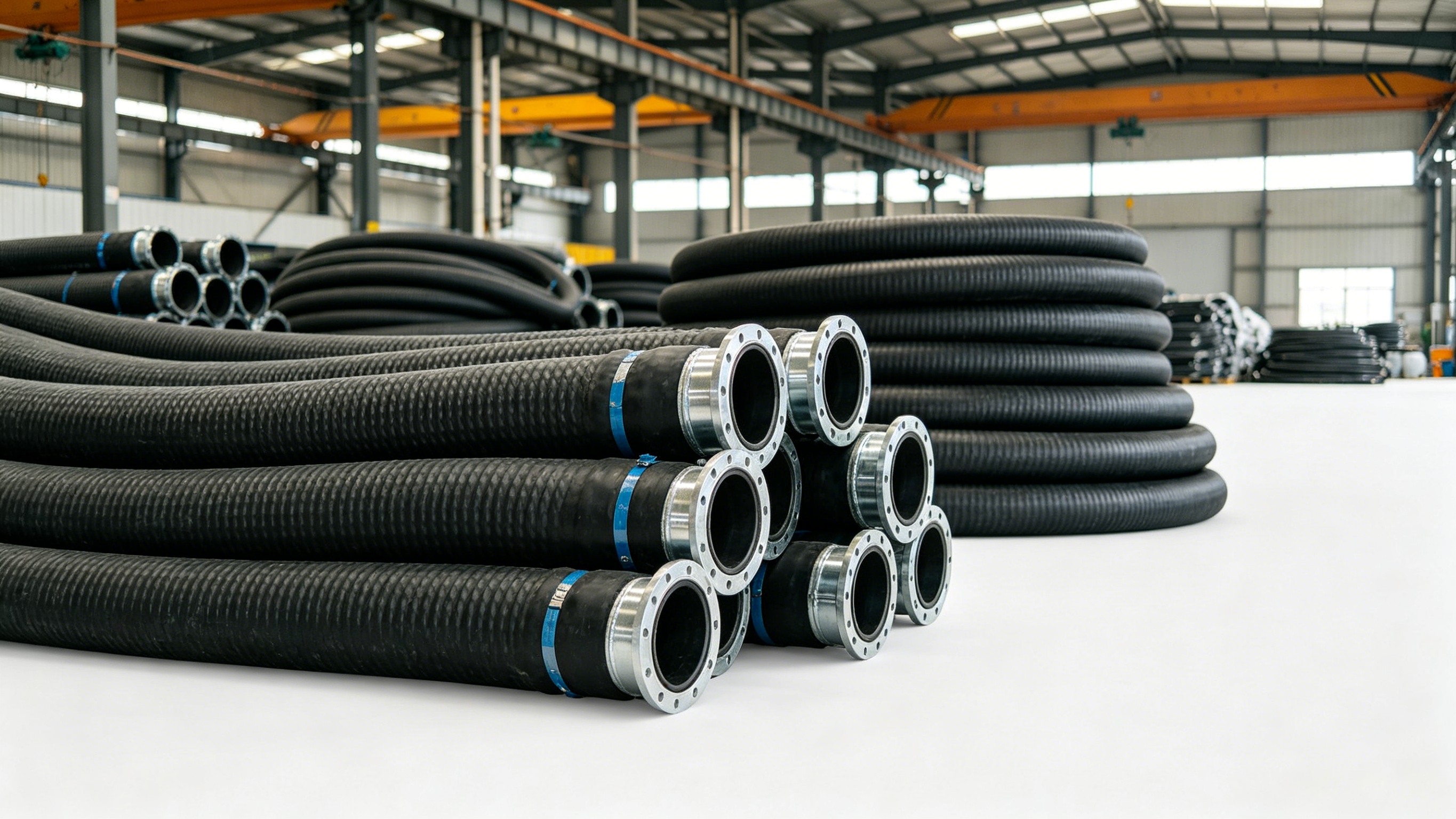
When it comes to industrial fluid and air transfer, selecting the correct hose material is critical for safety, efficiency, and cost-effectiveness. As a professional manufacturer of nylon resin high-pressure hoses, nylon resin pressure test hoses, PU polyurethane steel wire hoses, PU polyurethane plastic rib hoses, ultra-high pressure cleaning hoses, and TPV rubber hoses, we understand that each material serves a distinct purpose.
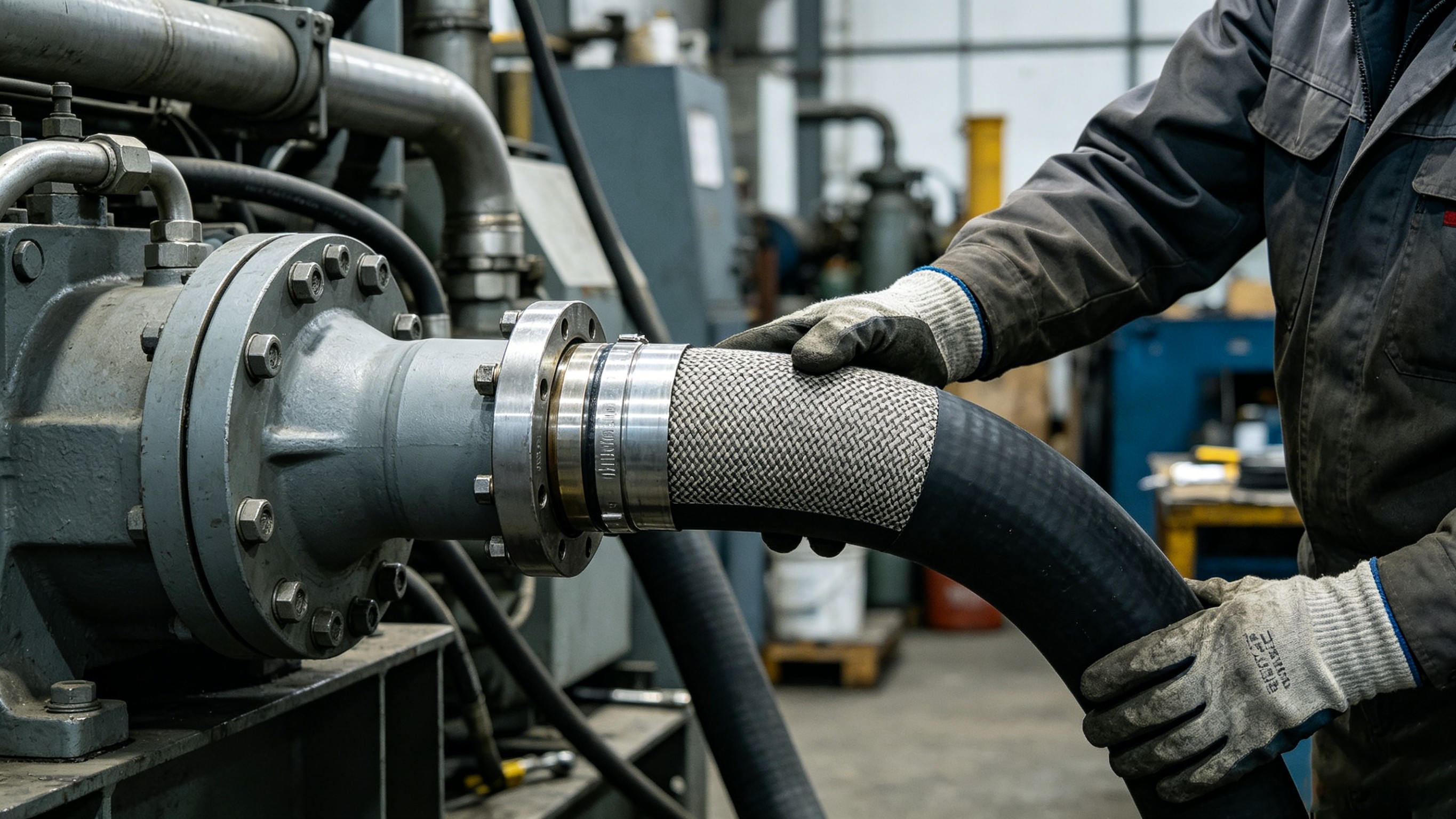
Whether you are building a hydraulic system, designing a pressure testing kit, or setting up a pneumatic conveying line, this guide will help you understand the key differences between these three major hose categories.
1. Nylon Resin Hoses (PA Hoses)
Nylon resin hoses, often made from PA6, PA11, or PA12, are known for their excellent strength-to-weight ratio, high burst pressure, and resistance to oils, greases, and many chemicals.
Nylon Resin High-Pressure Hoses: Ideal for hydraulic control lines, lubrication systems, and high-pressure fluid transfer. They offer tight bend radii and excellent dimensional stability.
Nylon Resin Pressure Test Hoses: Specifically designed for pressure gauges, test benches, and measurement equipment. They provide accurate pressure transmission with minimal volumetric expansion, ensuring reliable readings.
Best for: Hydraulic systems, pressure testing, chemical injection, and applications requiring high strength and low weight.
2. PU Polyurethane Hoses (with Steel Wire or Plastic Rib Reinforcement)
PU polyurethane hoses are highly flexible, abrasion-resistant, and offer good resistance to oils, ozone, and weathering. When reinforced, they can handle significant pressure and vacuum.
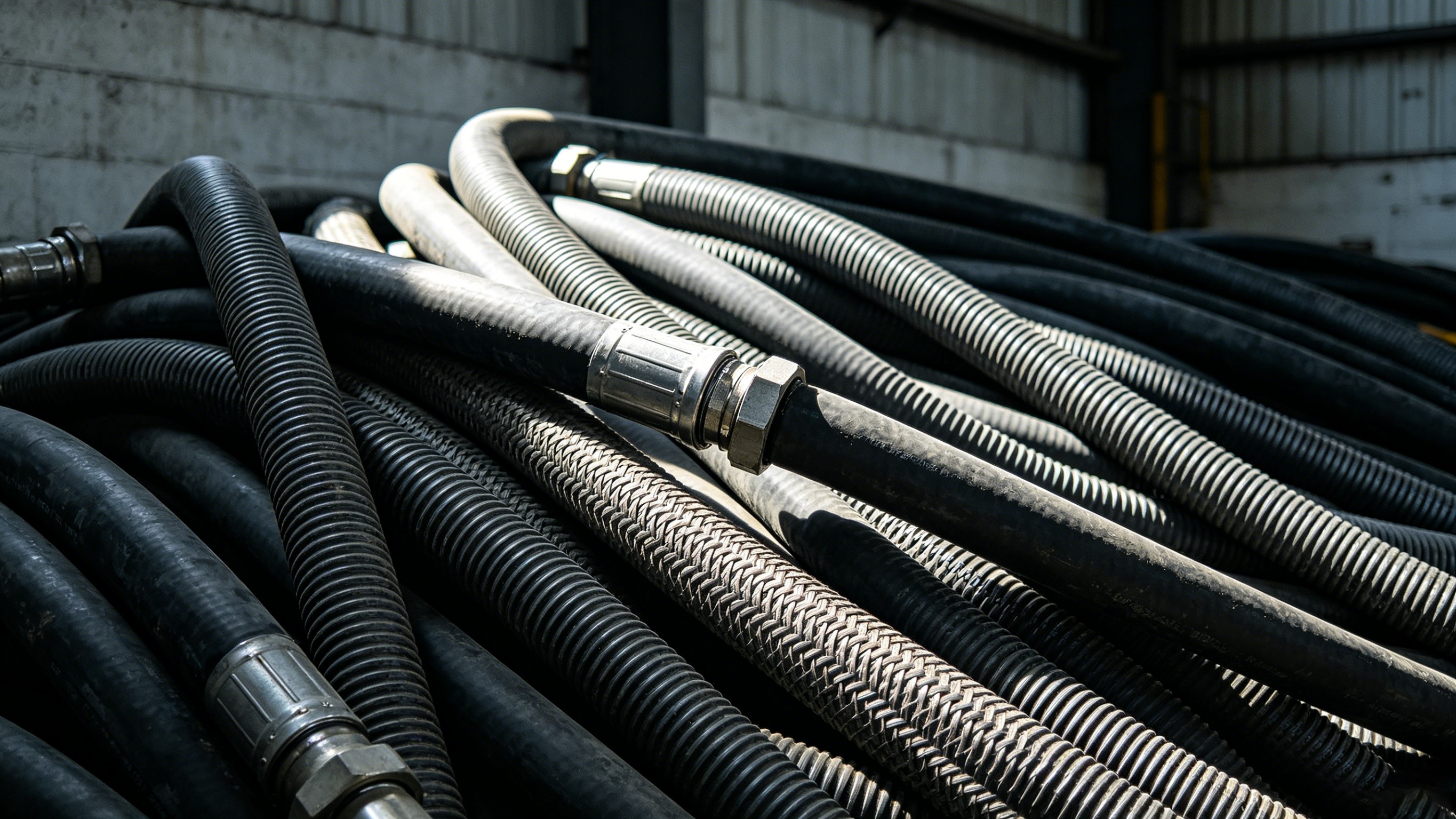
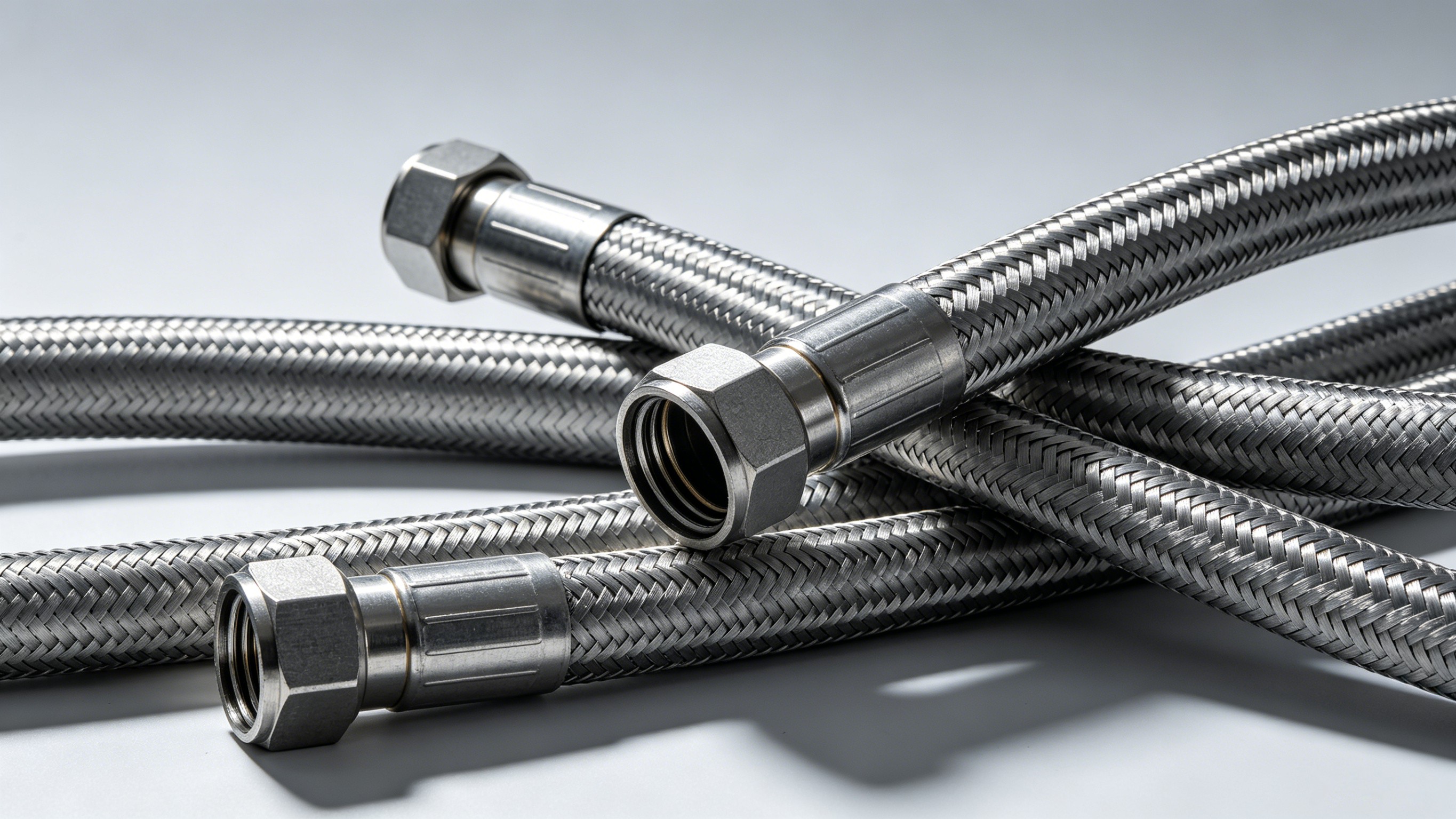
PU Polyurethane Steel Wire Hoses (Air Ducts): The embedded steel wire provides structural reinforcement, making these hoses ideal for pneumatic conveying, dust collection, and ventilation where both flexibility and pressure resistance are needed.
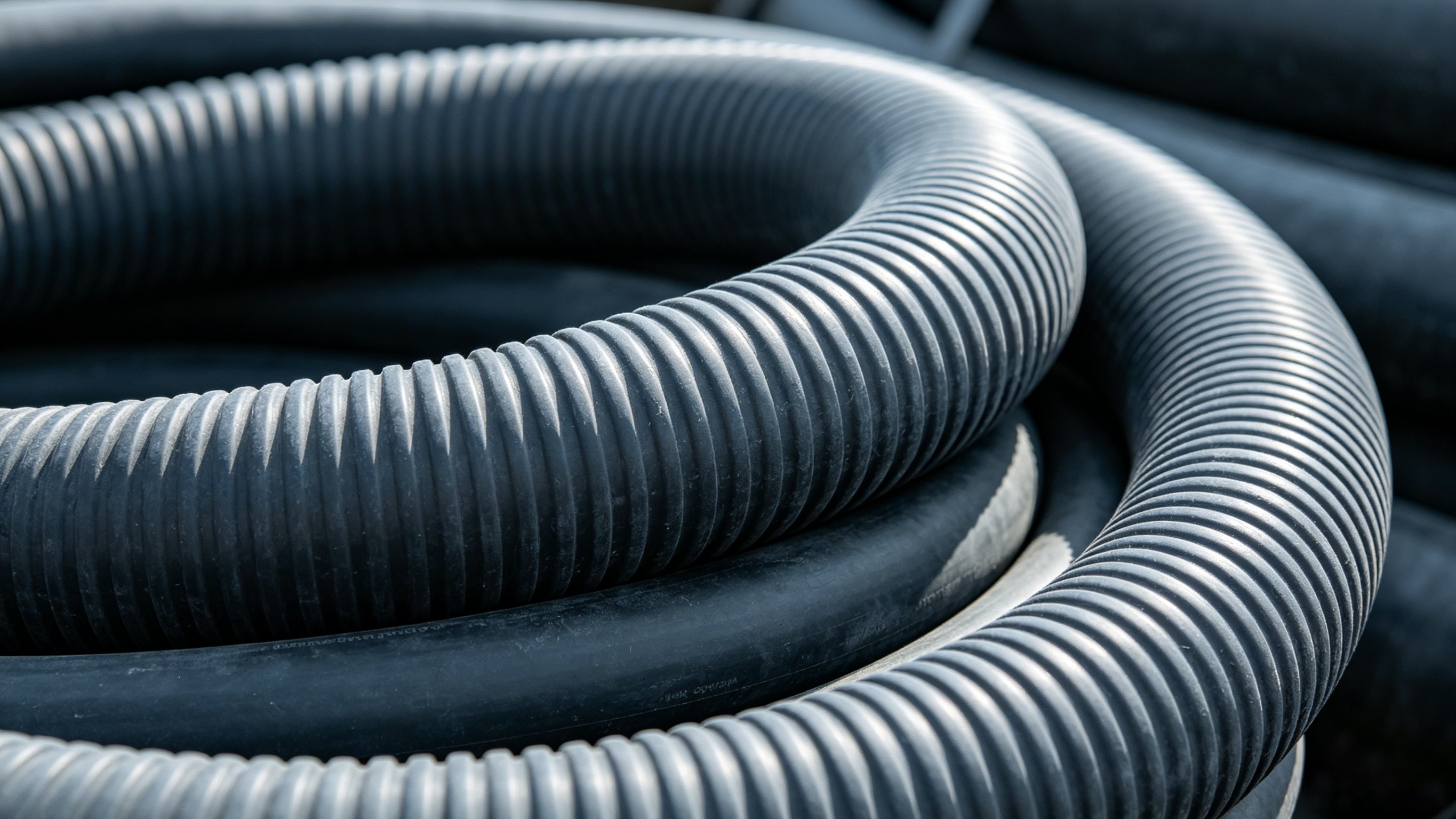
PU Polyurethane Plastic Rib Hoses: The rigid plastic rib (usually PVC or PP) offers excellent crush resistance and allows the hose to glide smoothly over surfaces. These are commonly used in woodworking, material handling, and industrial vacuum systems.
Best for: Pneumatic conveying, dust extraction, ventilation, and applications requiring high flexibility and abrasion resistance.
3. TPV Rubber Hoses (Thermoplastic Vulcanizate)
TPV rubber hoses combine the elastic properties of rubber with the processing advantages of thermoplastics. They offer excellent flexibility, UV resistance, and a wide temperature range.
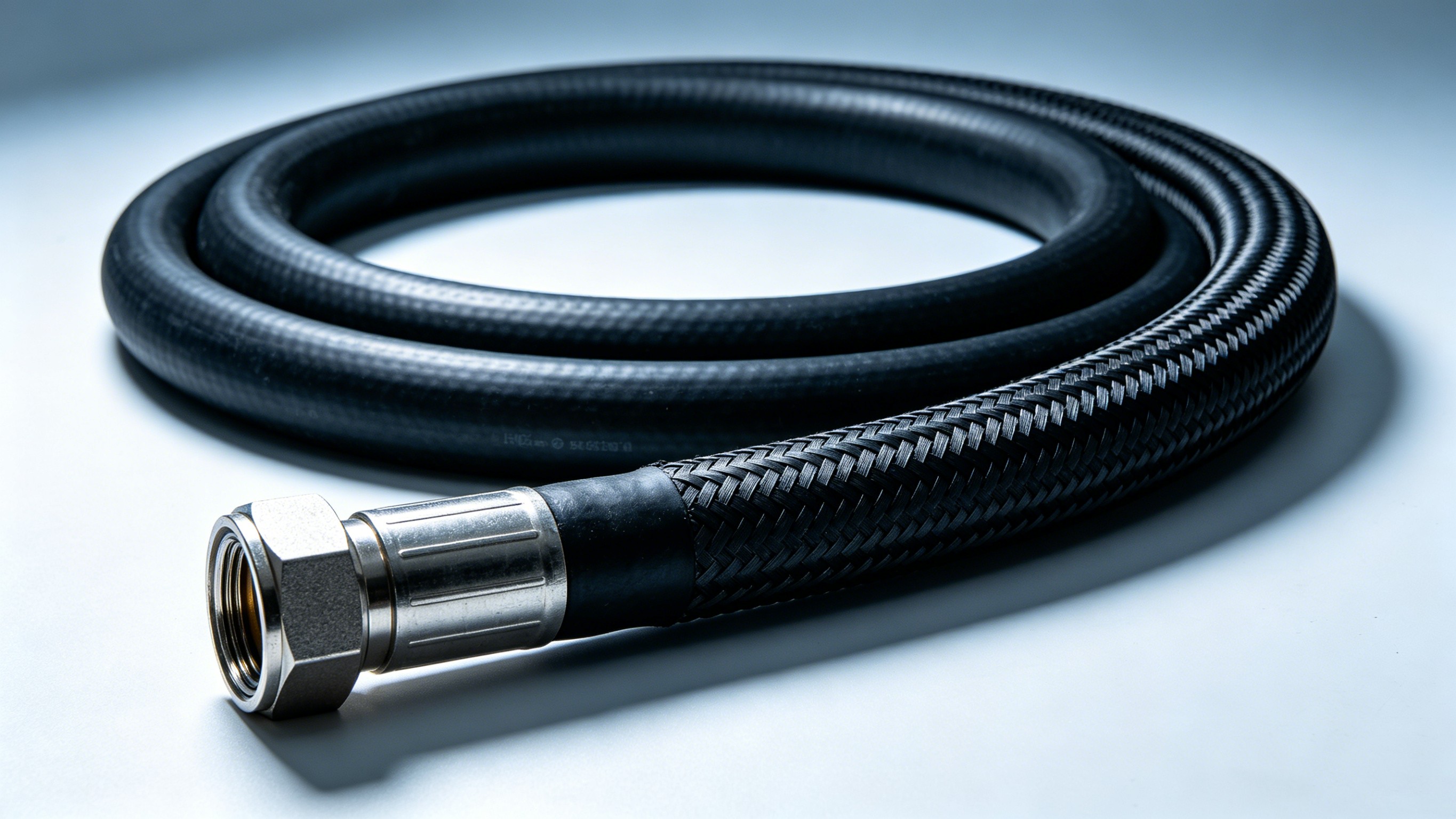
TPV Rubber Hoses: Commonly used in automotive, industrial, and outdoor applications where a rubber-like feel and durability are required. They are lightweight, recyclable, and resistant to weathering and ozone.
Best for: Automotive cooling systems, outdoor equipment, general industrial fluid transfer, and applications needing a rubber-like flexible hose.
4. Ultra-High Pressure Cleaning Hoses
While not a material category on its own, ultra-high pressure (UHP) cleaning hoses are typically constructed with specialized thermoplastic or rubber cores and multiple layers of high-tensile steel wire reinforcement. They are designed for pressures exceeding 1,000 bar (15,000 psi) and are used in industrial cleaning, water jetting, and surface preparation.
Best for: Industrial cleaning, hydrodemolition, water jet cutting, and surface preparation.
Summary Comparison Table
Hose Type Key Features Typical Applications
Nylon Resin High strength, low weight, chemical resistant Hydraulics, pressure testing
PU + Steel Wire Flexible, abrasion resistant, reinforced Pneumatic conveying, ventilation
PU + Plastic Rib Crush resistant, smooth glide Woodworking, vacuum systems
TPV Rubber Rubber-like, UV resistant, flexible Automotive, outdoor, general fluid
UHP Cleaning Extreme pressure, multi-layer reinforcement Industrial cleaning, water jetting
Conclusion
Choosing the right hose depends on your specific application requirements: pressure, temperature, chemical exposure, flexibility, and abrasion resistance. As a manufacturer with expertise in all these hose types, we can help you select or customize the perfect solution for your needs.