Industrial Hose Materials Decoded: Nylon, PU, or TPV — Which Is the Best Fit for Your Application?
In industrial operations, the hose material you choose directly determines equipment lifespan and operational stability. Facing mainstream materials like nylon resin, PU polyurethane, and TPV rubber, many customers struggle with "choosing the wrong material and facing frequent replacements." As a direct manufacturer, we break down the core advantages and ideal applications of each material to help you make the right choice.
Nylon Resin Hoses: The "All-Rounder" for High-Pressure, Lightweight Needs
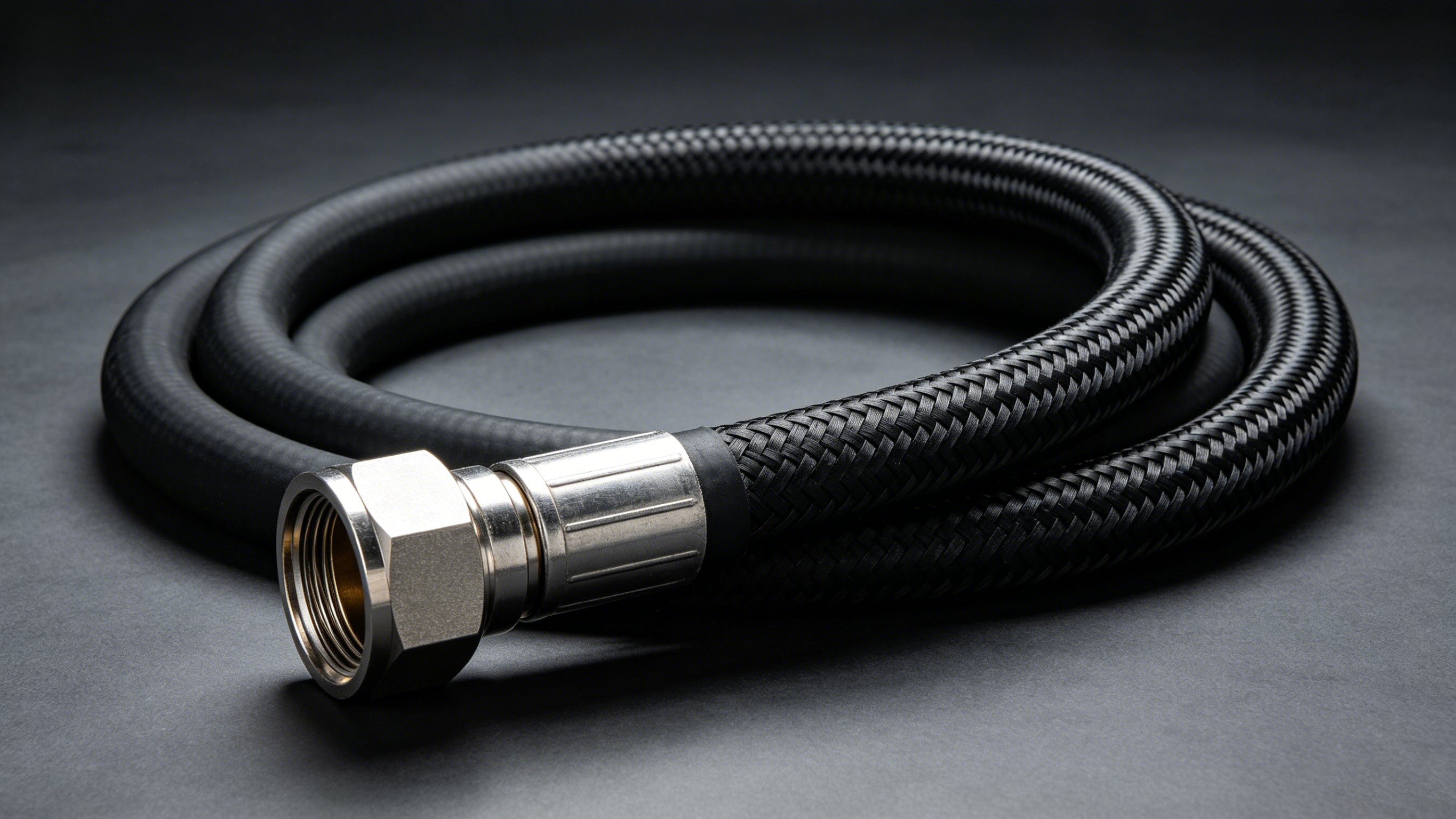
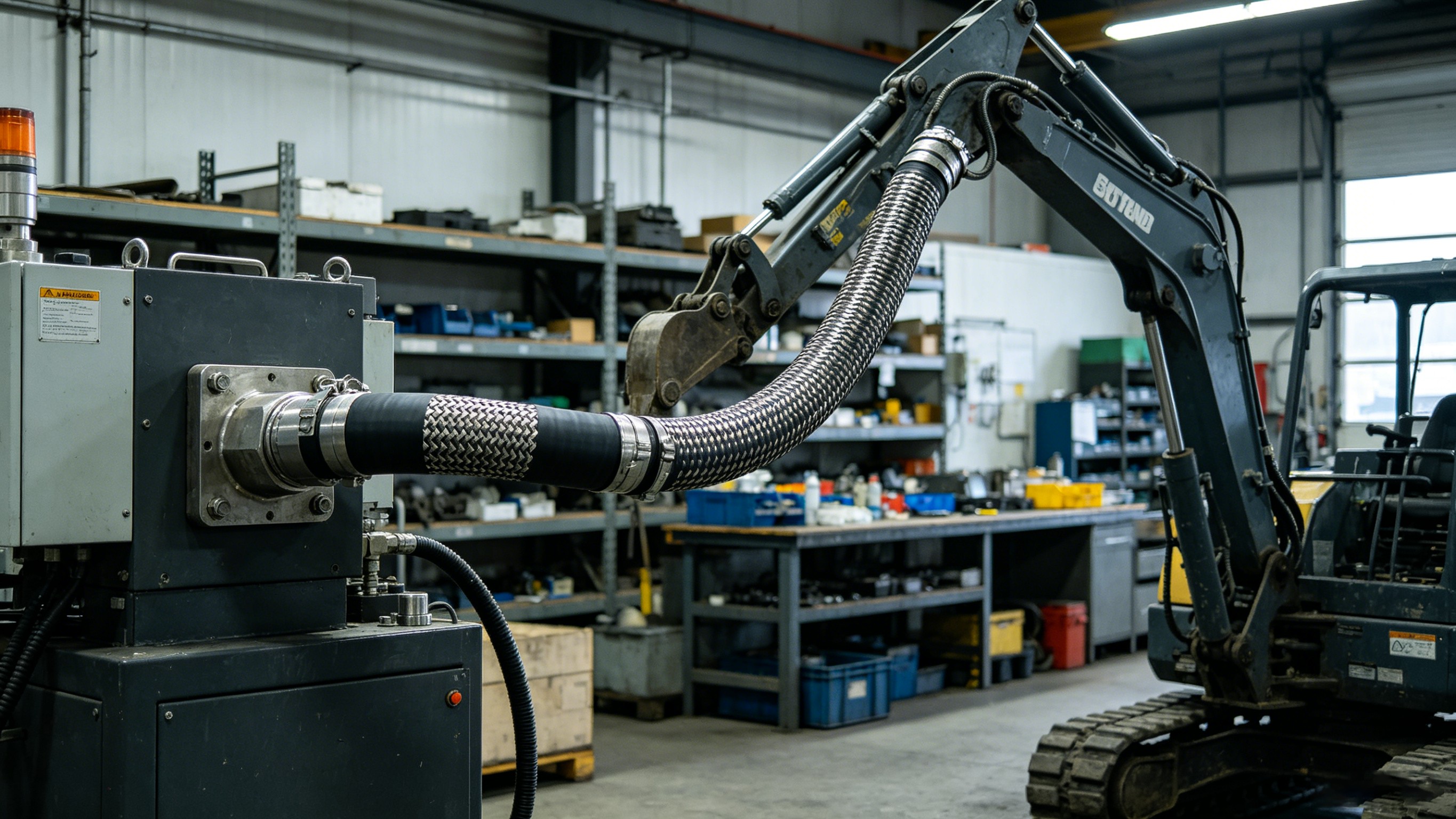
The core advantage of nylon resin high-pressure and test hoses is "light yet strong" — their density is only 1/3 of rubber, yet they can withstand working pressures of 30-80MPa. This makes them perfect for mobile hydraulic equipment where weight matters, such as robotic arms on automotive production lines. The inner layer uses food-grade nylon resin, which is not only oil and acid/alkali resistant, but also meets SAE 100R7 certification, enabling precise pressure transmission in hydraulic systems and avoiding pressure loss from hose expansion. In pressure testing scenarios, their small bending radius (only 5 times the outer diameter) allows test connectors to easily fit into tight spaces, making them an essential accessory for hydraulic equipment debugging and maintenance.
PU Polyurethane Hoses: The "Abrasion Expert" for Dust Conveying
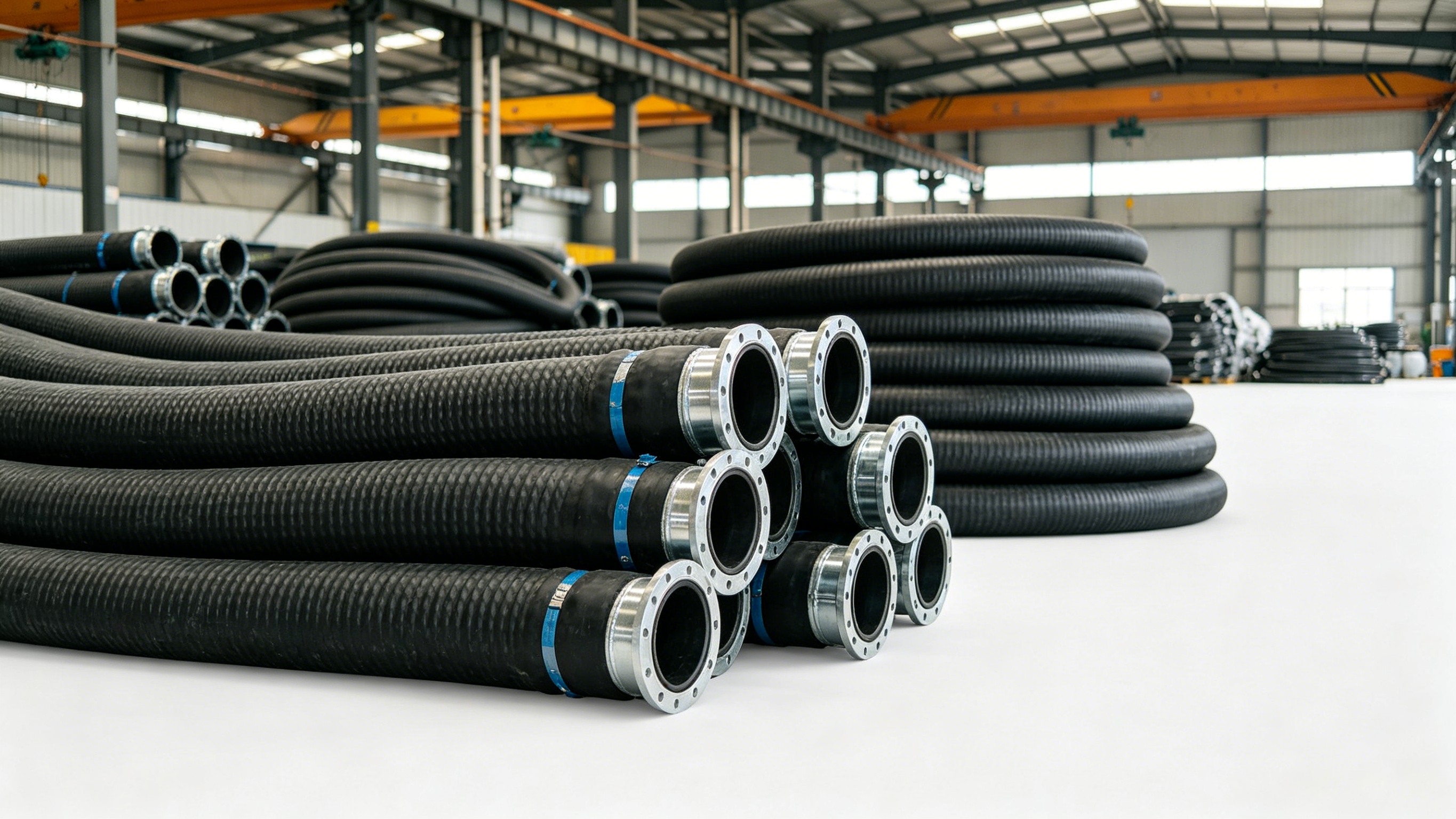
PU polyurethane steel wire hoses and plastic-reinforced hoses are "must-haves" for woodworking machinery and industrial dust collection. The steel wire reinforced type embeds a 0.5-1.2mm spiral steel wire skeleton, capable of withstanding -0.1MPa high negative pressure. It easily handles long-distance conveying of solid materials like wood chips, plastic particles, and metal powder, with abrasion resistance 5 times higher than natural rubber. The plastic-reinforced type adds an anti-static coating to the inner wall, with surface resistance ≤10⁶Ω, effectively preventing explosion risks from dust accumulation — ideal for central dust collection systems in woodworking workshops. In industrial cleaning, PU hoses' oil resistance (compatible with 120# gasoline, hydraulic oil, and other media) and flexibility allow them to handle the pulse pressure of various high-pressure washers, extending service life by 3 times compared to traditional PVC pipes.
TPV Rubber Hoses: The "Weather-Resistant King" for Extreme Environments
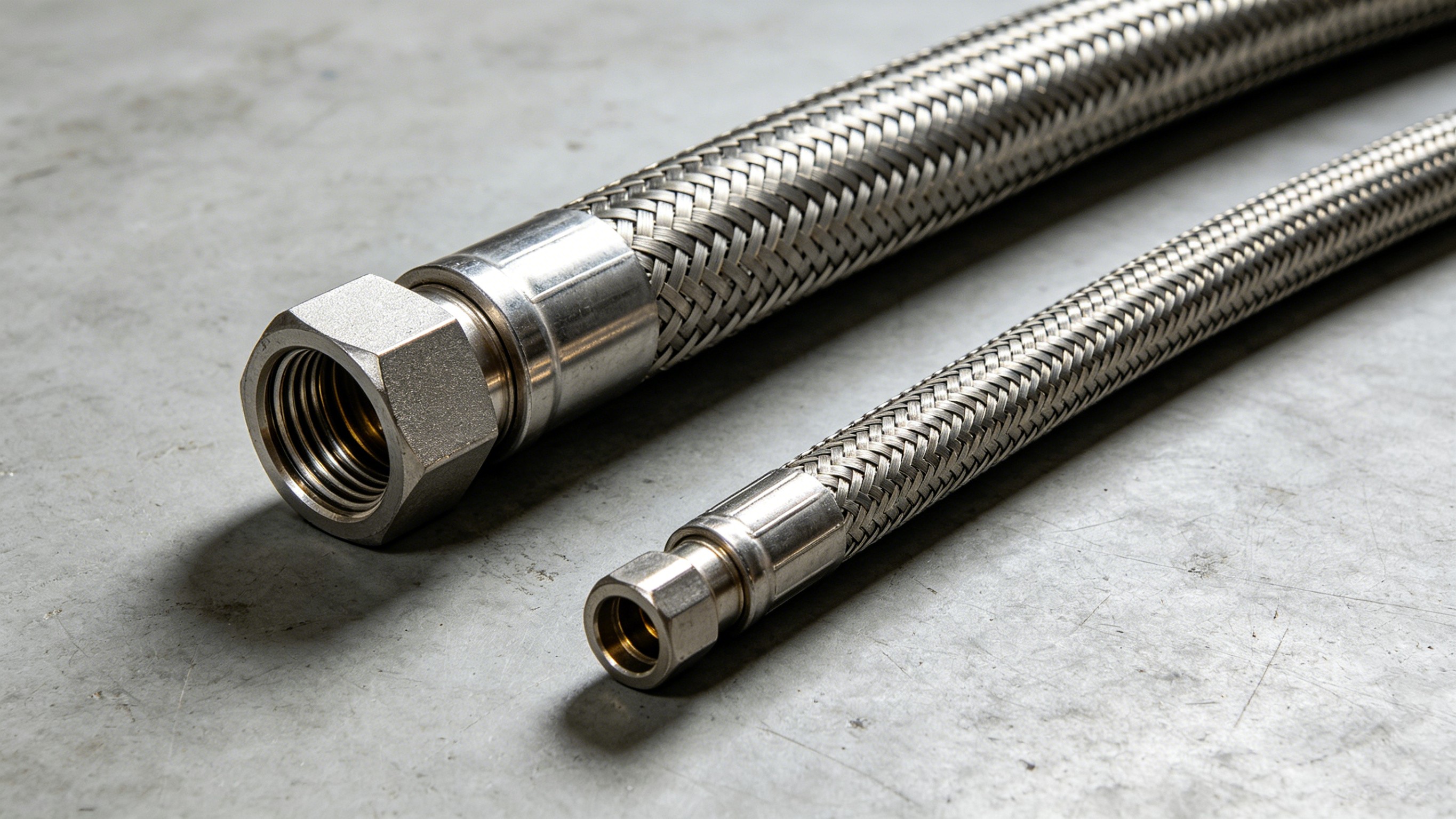
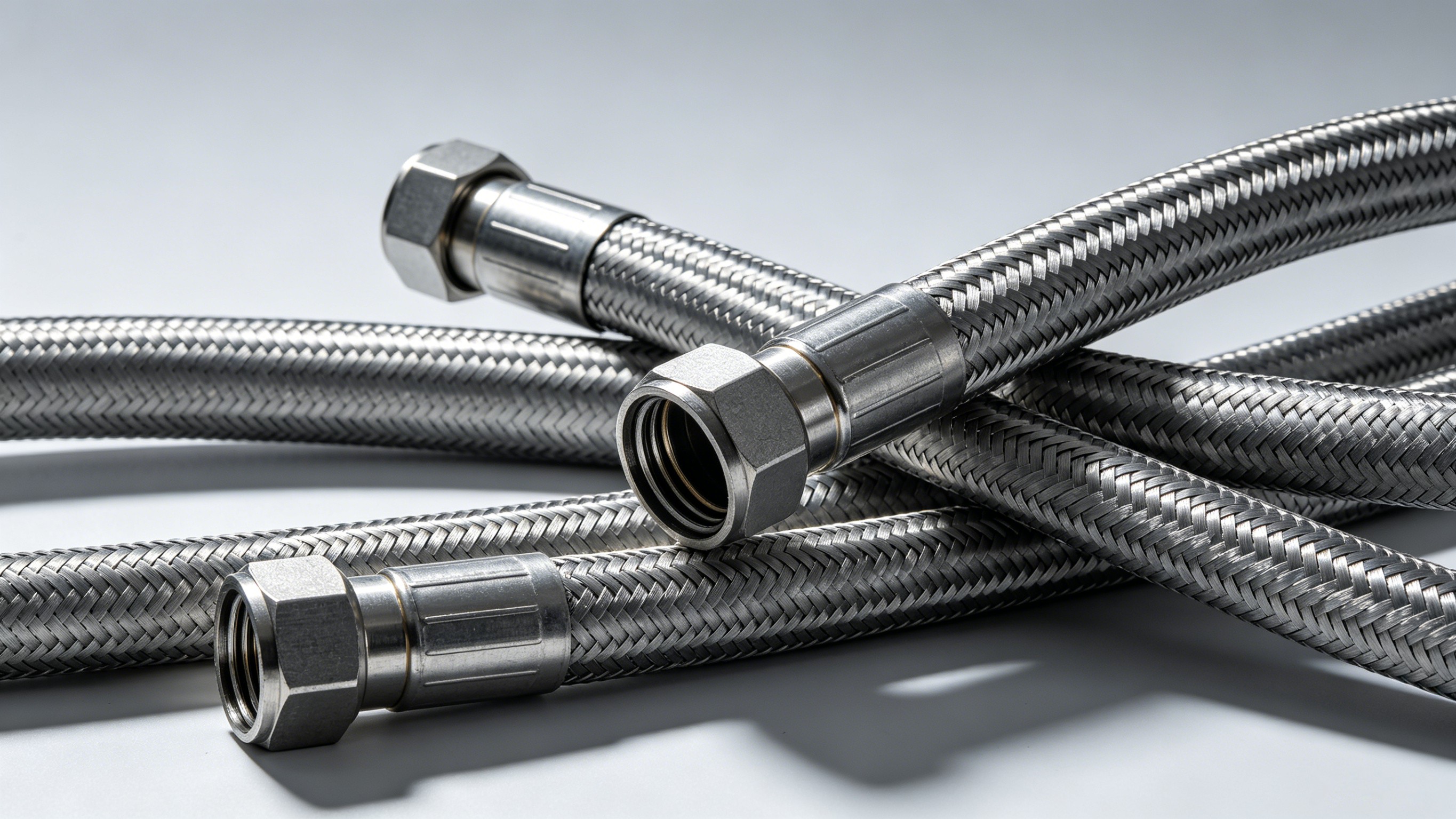
TPV (thermoplastic elastomer) rubber hoses are an upgraded alternative to traditional EPDM rubber. Their core advantage lies in "wide temperature range stability" — they maintain consistent performance from -40℃ to 120℃, making them ideal for outdoor chemical equipment in northern winters or high-temperature steam transfer in southern summers. The polypropylene phase in their molecular structure gives them excellent ozone and UV resistance: after 2,000 hours of outdoor exposure, there is no cracking, while traditional rubber hoses typically show aging within 3 months. In ultra-high-pressure cleaning scenarios, TPV hoses use multi-layer steel wire braiding to withstand 150MPa burst pressure, with an inner oil-resistant rubber layer ensuring no cleaning agent leakage. They are the ideal choice for tire cleaning lines in automotive manufacturing plants and undercarriage cleaning stations for engineering machinery.
The Manufacturer Advantage: From "Standard Products" to "Custom Solutions"
As a direct production facility, we don't just offer standard products that meet ISO and SAE certifications — we support "application-specific customization":
Size customization: Inner diameters can be adjusted from 2mm to 102mm, and lengths can be cut to order, avoiding on-site secondary processing;
Pressure customization: Adjust the number of steel wire braiding layers (1-4 layers) based on actual working conditions to achieve cost optimization;
Material customization: For special media (such as strong acids, strong alkalis, high-temperature steam), adjust the inner rubber compound formula to extend service life.
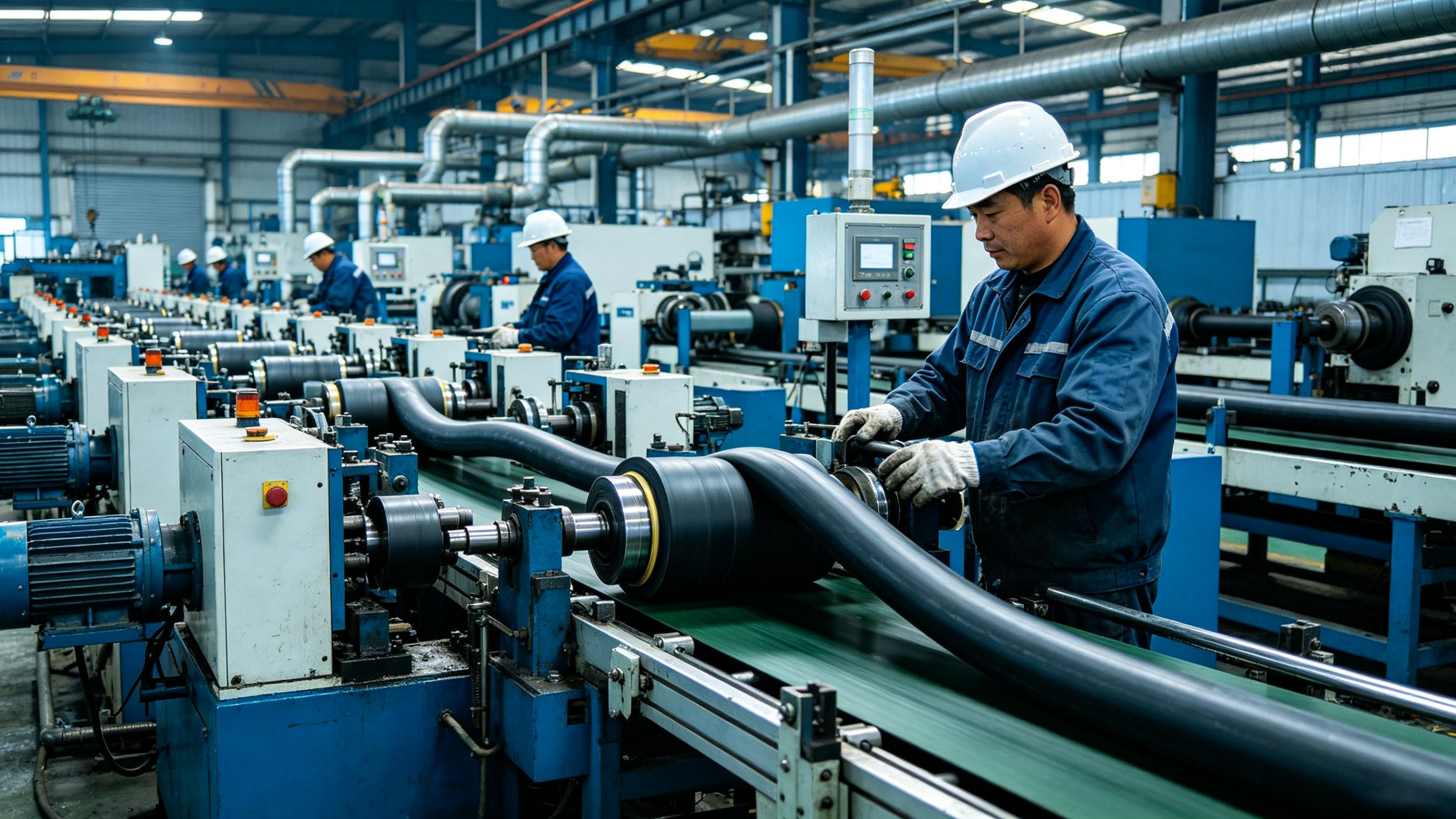
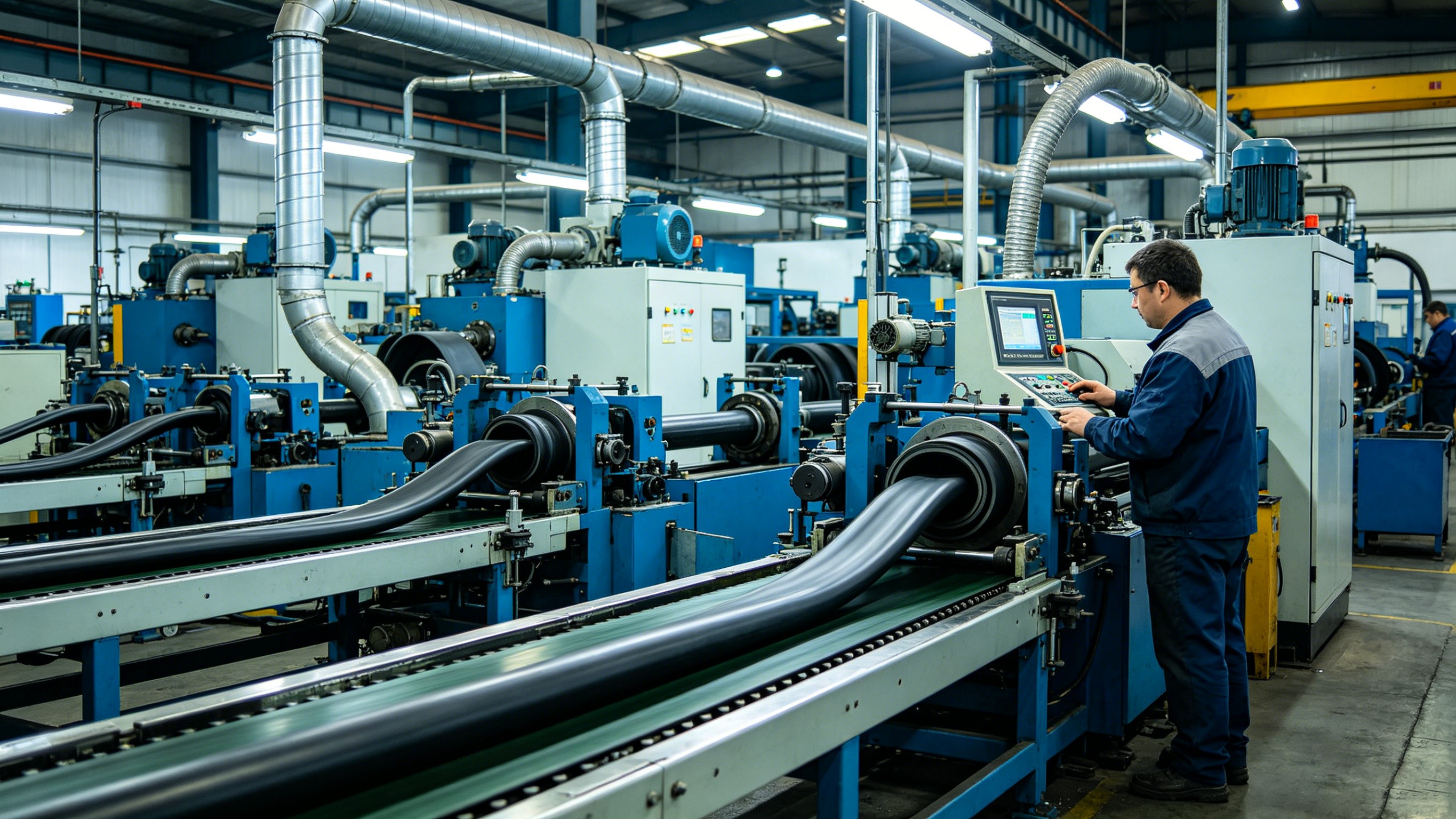
This integrated "production-testing-delivery" model shortens lead times (standard products ship within 3 days) and controls costs at the source, offering customers a 15%-20% better value proposition compared to trading companies.
Quick Material Selection Reference
High-pressure hydraulic, lightweight needs: Nylon resin — ideal for automotive production lines and engineering machinery hydraulic systems;
Dust conveying, abrasion resistance: PU polyurethane — perfect for woodworking machinery dust collection and industrial cleaning;
High temperature, weather resistance, corrosion resistance: TPV rubber — best for chemical equipment and outdoor high-pressure cleaning.
If you have specific working parameters (pressure, temperature, media), feel free to reach out to our technical team for one-on-one material selection advice.