How to Choose Industrial Hoses: A Selection Guide for Nylon, PU, TPV, and Ultra-High-Pressure Cleaning Hoses
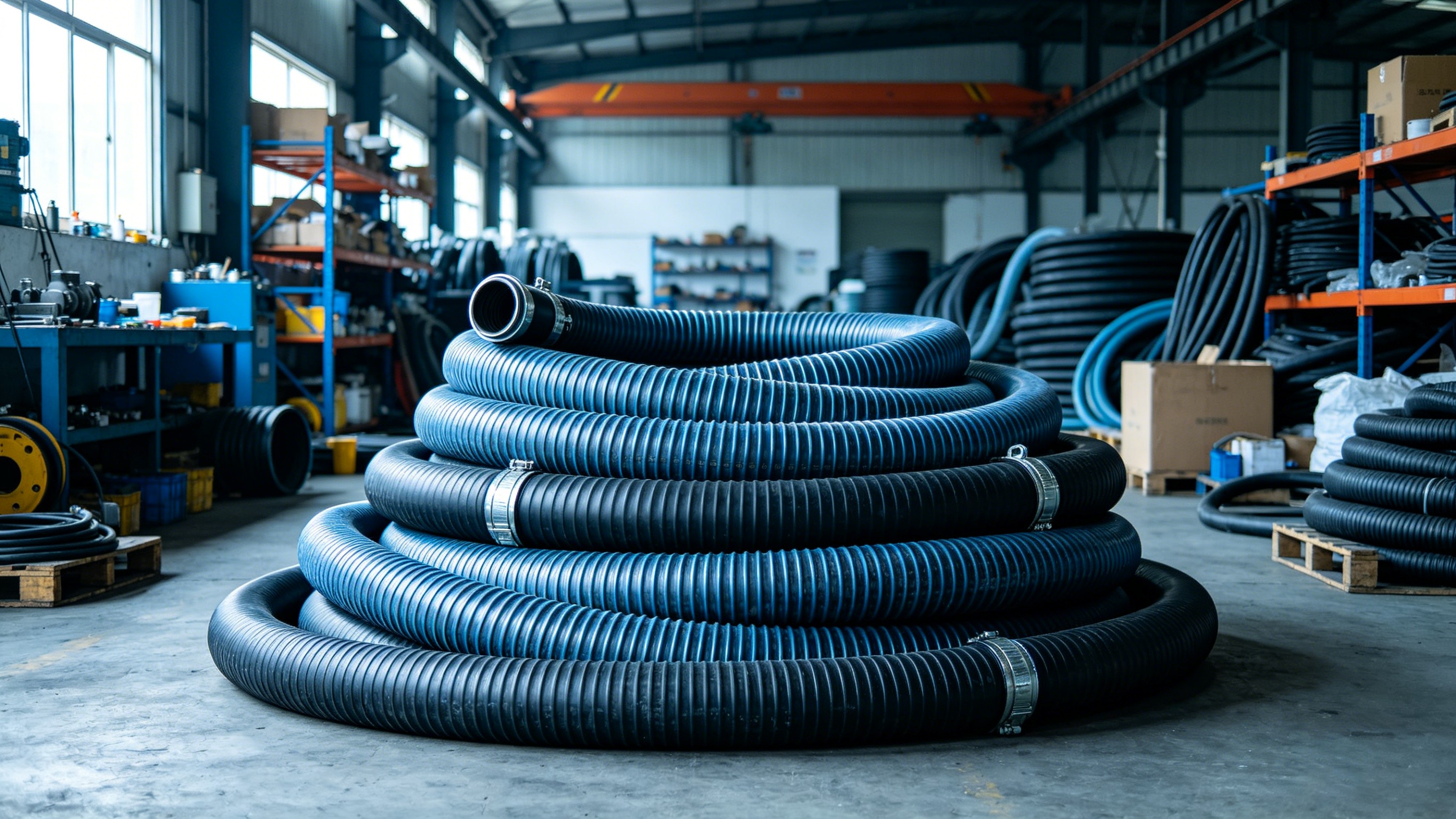
In industrial equipment, cleaning systems, pneumatic transmission, and pressure-testing systems, a hose may look like a minor component, but it directly affects safety, stability, and service life. Choosing the wrong hose can lead to frequent replacement and higher maintenance costs at best, or bursting, leakage, and even safety accidents at worst.
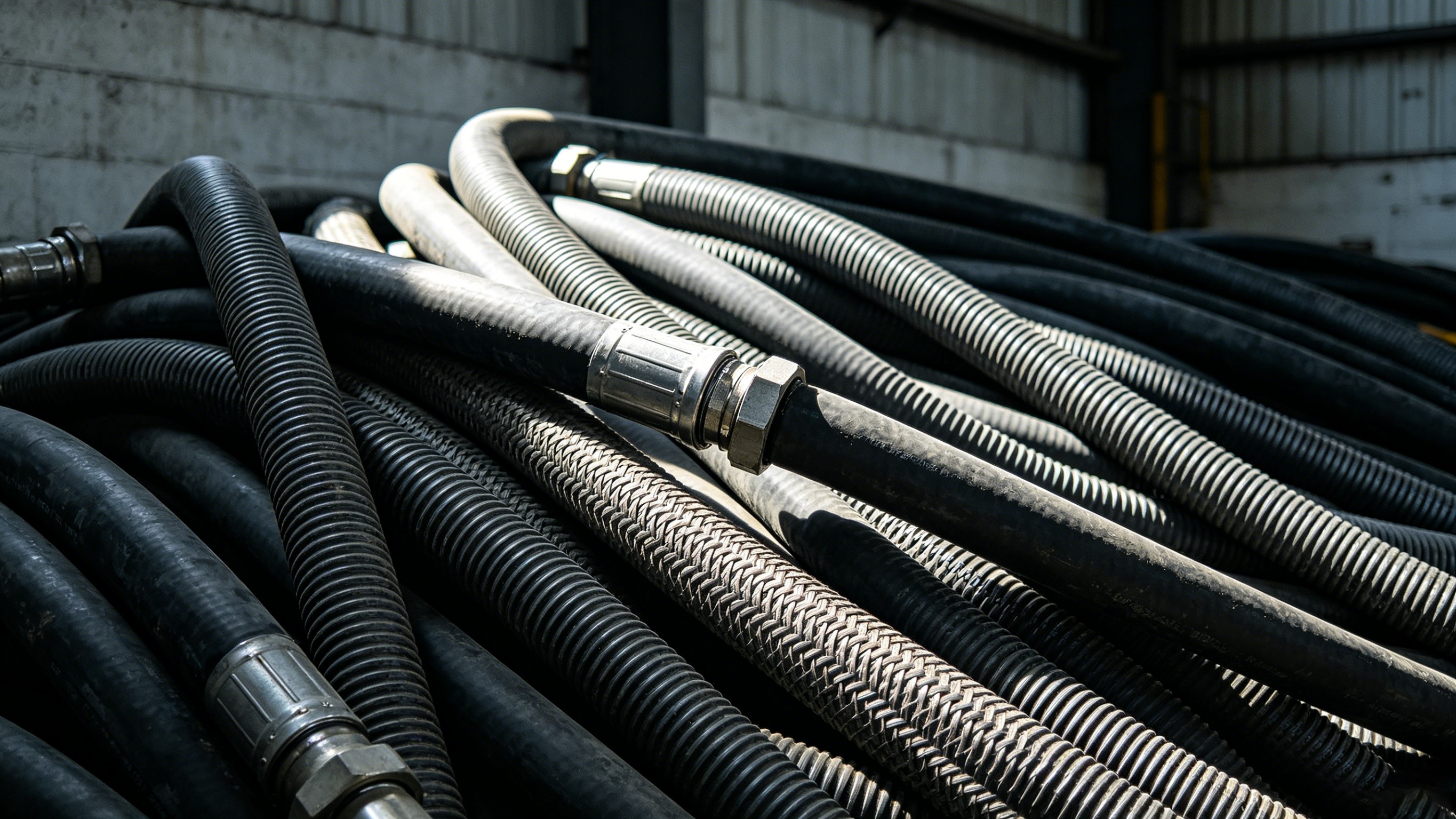
Common industrial hoses on the market today include nylon resin high-pressure hoses, nylon resin pressure-testing hoses, PU polyurethane steel wire hoses, PU polyurethane ribbed hoses, ultra-high-pressure cleaning hoses, and TPV rubber hoses. These materials differ significantly in pressure resistance, abrasion resistance, temperature resistance, chemical resistance, and flexibility. This article starts from real applications to help you clarify your selection logic.
1. Start with Working Pressure: High Pressure and Ultra-High
Pressure Are Two Different Lines
Working pressure is the first parameter in hose selection. It is important to note that the "burst pressure" of a hose is not the same as its "working pressure." As a rule of thumb, the working pressure should not exceed 1/4 to 1/3 of the minimum burst pressure, leaving enough safety margin.
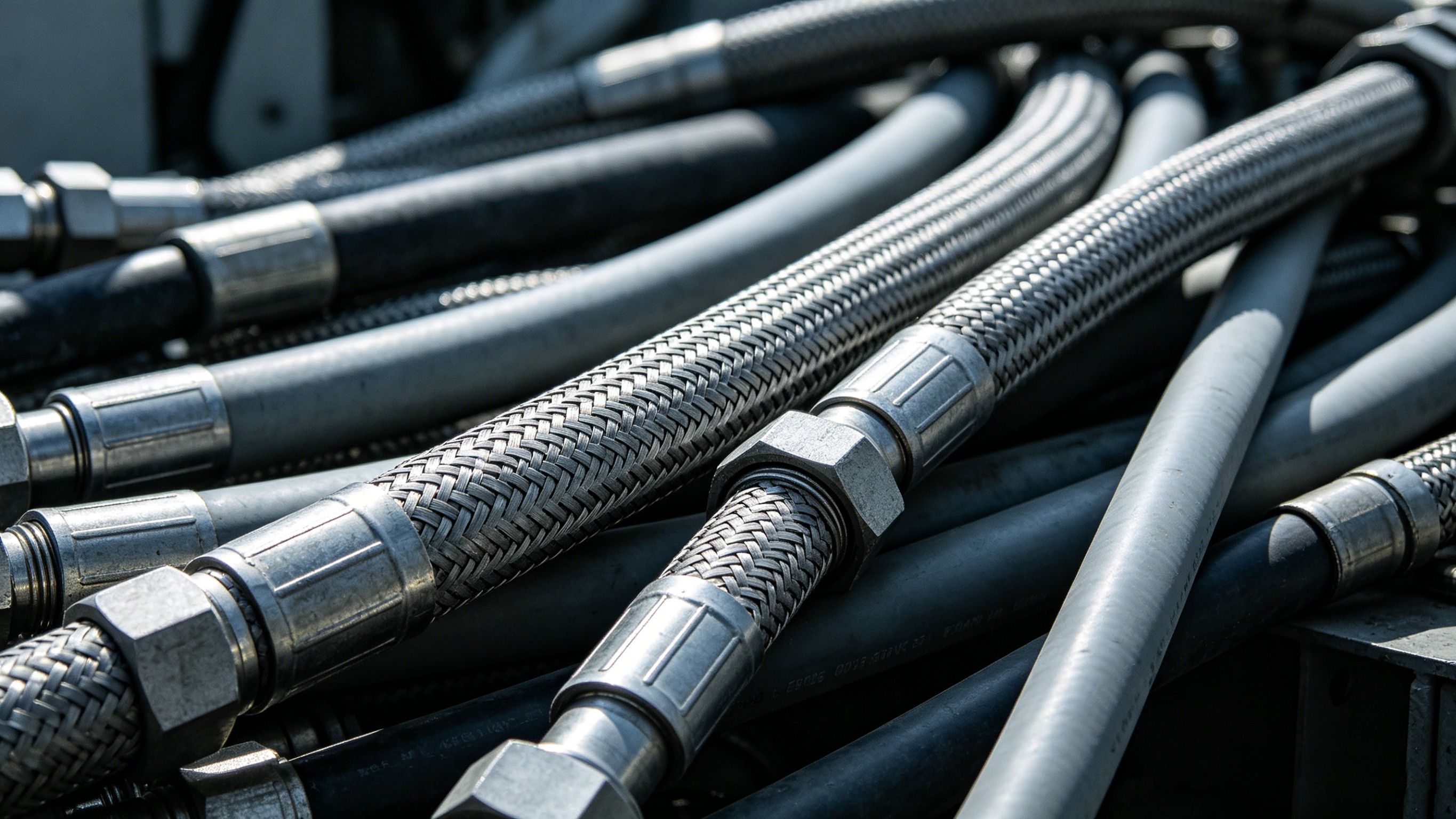
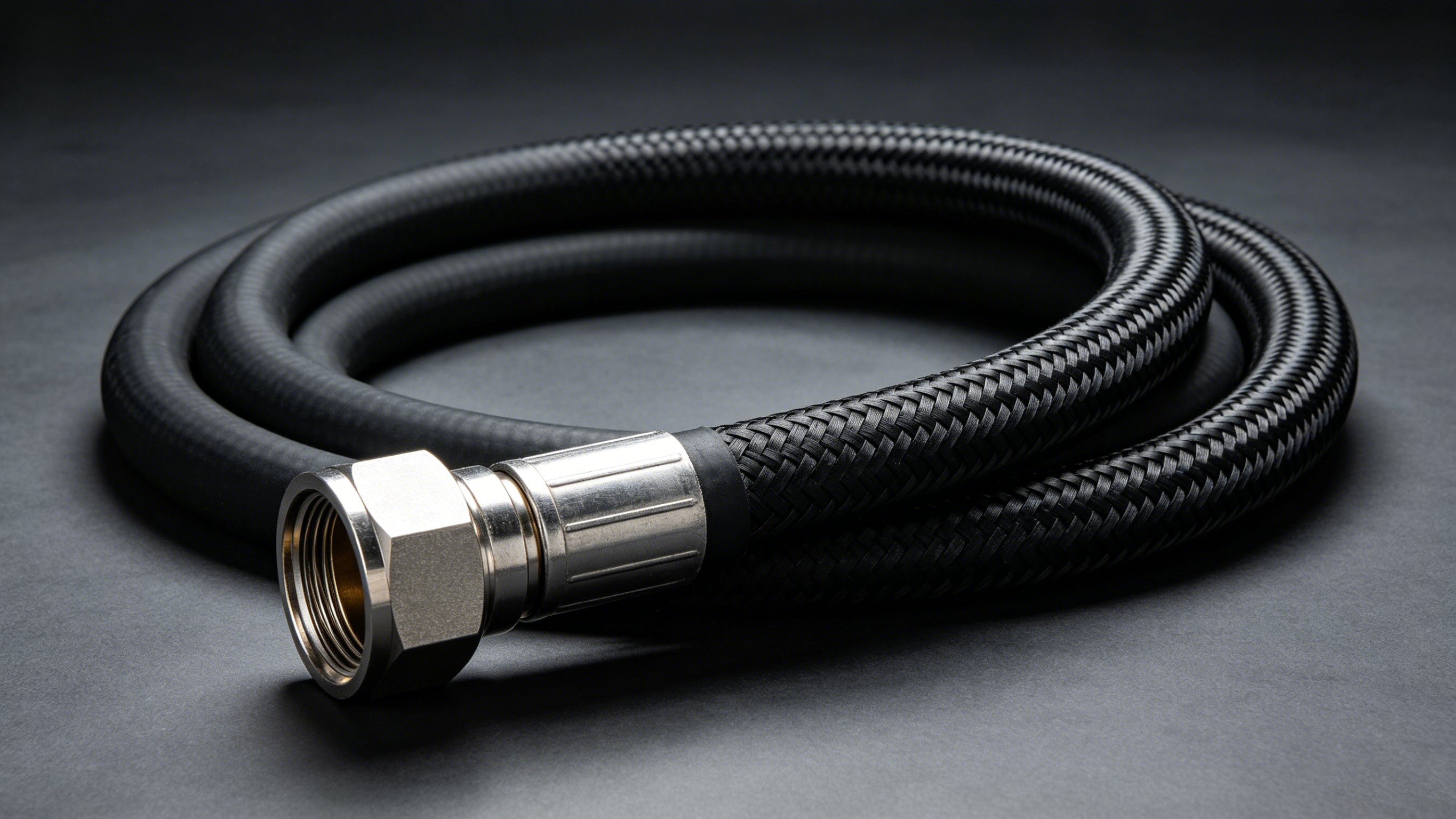
Nylon resin high-pressure hose: Suitable for medium and high-pressure applications such as hydraulic systems, pneumatic control systems, and high-pressure cleaning equipment. Nylon material offers high strength and good pressure resistance, and is lighter than rubber hose with a smaller bending radius, making it ideal for routing inside equipment with limited space.
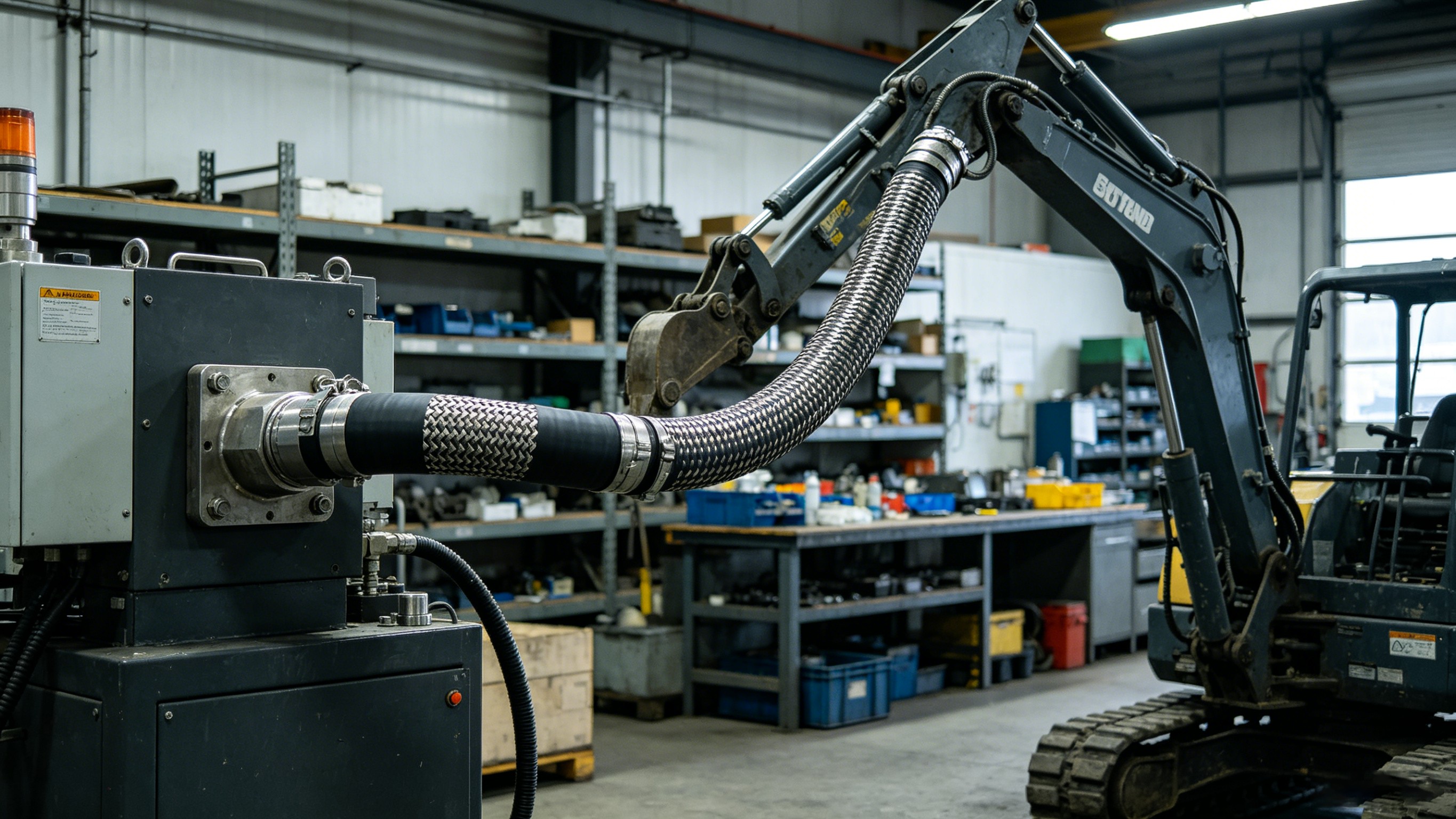
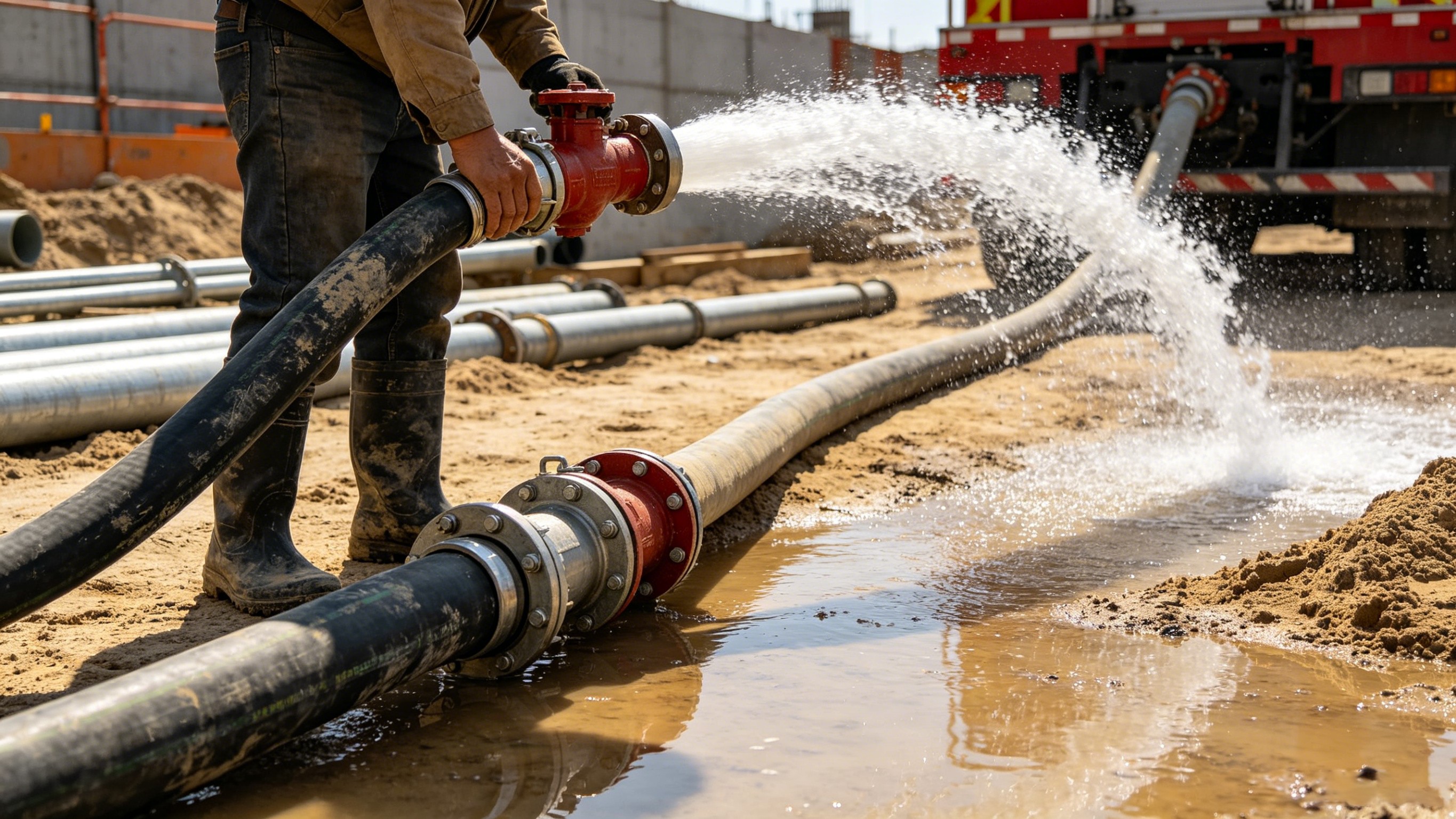
Ultra-high-pressure cleaning hose: Designed for ultra-high-pressure cleaning equipment, commonly used in industrial cleaning, pipe unclogging, ship rust removal, and concrete roughening. These hoses usually require multi-layer steel wire braiding or spiraling reinforcement, with pressure ratings far higher than ordinary high-pressure hoses. When selecting, pay close attention to the fitting connection method and pulse fatigue life.
Nylon resin pressure-testing hose: Mainly used to connect pressure gauges and pressure sensors to pressure-testing points. It features a small inner diameter, high pressure resistance, stable pressure transmission, and fast response to pressure fluctuations, making it suitable for hydraulic and pneumatic systems that require precise pressure measurement.
If your equipment operates at tens to over one hundred megapascals, ultra-high-pressure cleaning hoses and nylon resin high-pressure hoses are key candidates. If it is only for routine pressure testing or control lines, a nylon resin pressure-testing hose is more suitable.
2. Then Look at Abrasion Resistance and Flexibility: PU Polyurethane Stands Out
In applications requiring frequent movement, dragging, or bending, the abrasion resistance and flexibility of a hose are more critical than pressure resistance.
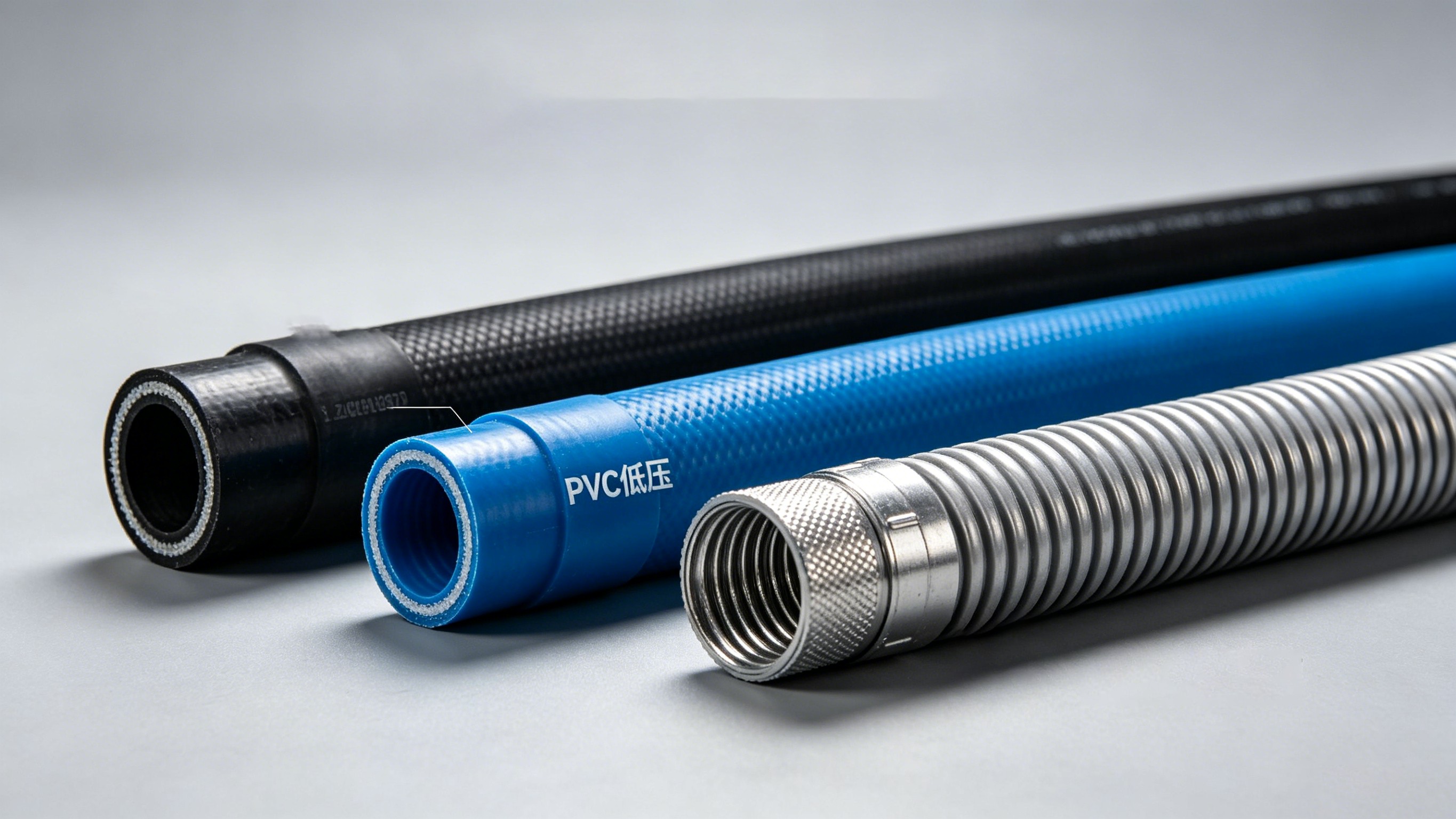
PU polyurethane steel wire hose: Embedded with steel wire reinforcement and a polyurethane wall, it combines high abrasion resistance, tear resistance, and a certain negative-pressure capability. It is commonly used in woodworking machinery, dust collection equipment, particle conveying, and pneumatic conveying. Compared with PVC hose, PU hose is more abrasion-resistant, more oil-resistant, and does not become hard or brittle at low temperatures.
PU polyurethane ribbed hose: The wall features a spiral rib, offering good flexibility. It can be compressed and bent, making it suitable for ventilation, dust collection, and light material conveying in confined spaces or applications requiring frequent movement. It is lightweight and easy to install, but not suitable for high-pressure applications.
If your working condition involves "high wear, frequent movement, and low pressure," PU polyurethane steel wire hoses and PU polyurethane ribbed hoses are often more suitable than nylon hoses.
Temperature and Chemical Resistance
: Where TPV Rubber Hoses Fit
TPV (thermoplastic vulcanizate) rubber hose combines the elasticity of rubber with the processing performance of plastic. It offers a wide temperature range, resistance to aging, ozone, and various chemical media, along with good flexibility for dynamic bending applications.
TPV rubber hoses are commonly found in automotive, industrial equipment, hot water and steam lines, and cooling systems. Compared with ordinary rubber hoses, TPV hoses are lighter, more weather-resistant, and recyclable. If your application involves large temperature variations, complex media, or long-term outdoor use, TPV rubber hose is worth prioritizing.
Nylon resin hoses also offer good temperature resistance, but may be affected by moisture and chemical media under prolonged high temperatures, so media compatibility must be confirmed during selection. PU polyurethane hoses have good oil resistance but relatively limited resistance to high temperatures and strong acids and alkalis.
4. Quick Selection by Application
Hydraulic systems, pneumatic control: Nylon resin high-pressure hose, nylon resin pressure-testing hose
Ultra-high-pressure cleaning, pipe unclogging: Ultra-high-pressure cleaning hose
Dust collection, particle conveying, woodworking machinery: PU polyurethane steel wire hose
Ventilation, light material conveying, bendable applications: PU polyurethane ribbed hose
Automotive, cooling, weather-resistant and chemical-resistant applications: TPV rubber hose
5. Additional Points to Note During Selection
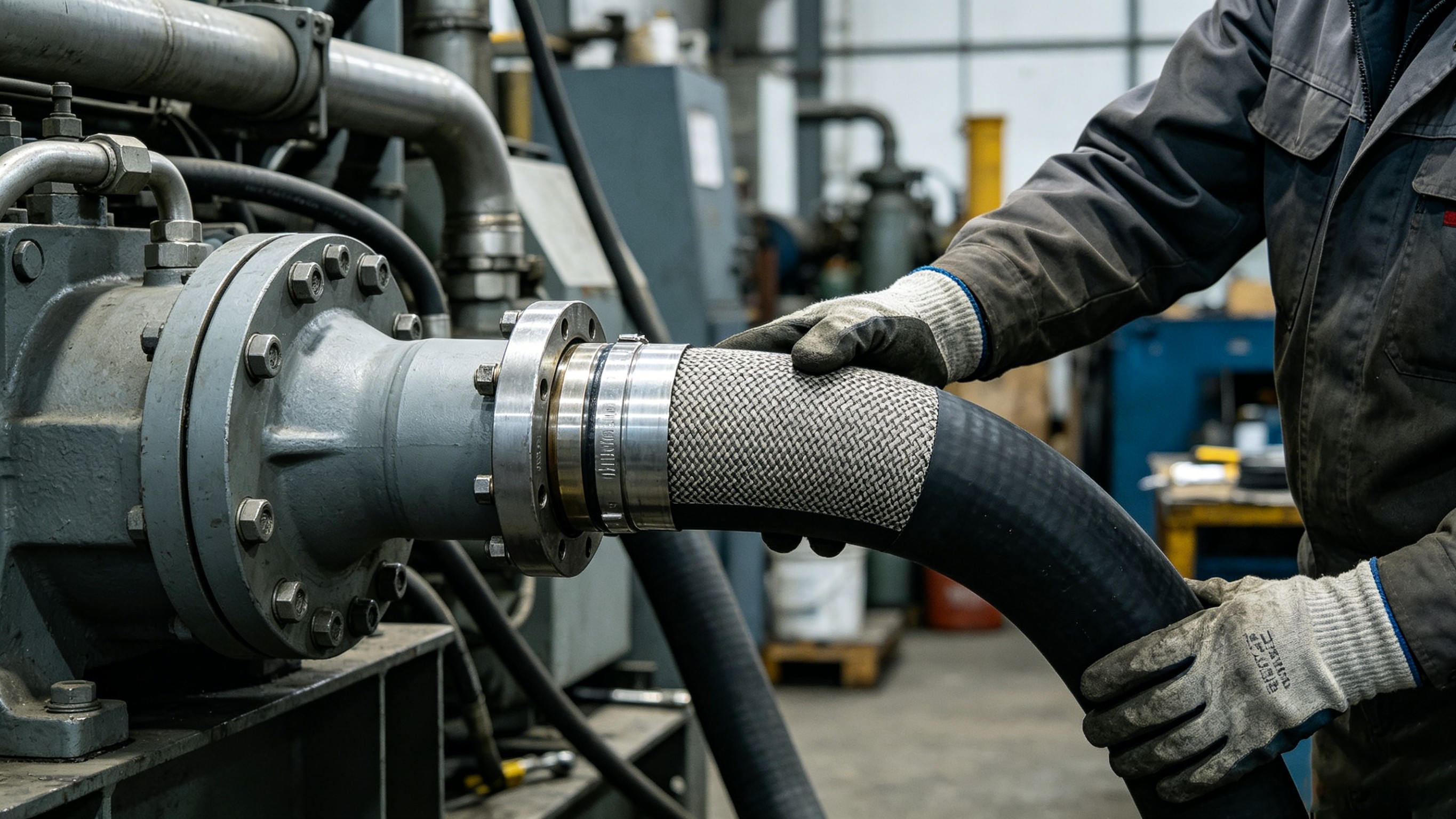
Fitting connection method: High-pressure and ultra-high-pressure hoses have high requirements for fitting crimping processes. A wrong fitting can easily become a leakage point.
Bending radius: The actual bending radius during installation must not be smaller than the hose's specified minimum bending radius, otherwise pressure life will be reduced.
Media compatibility: Different media such as oil, water, acids, alkalis, and gases have different requirements for hose materials. Material compatibility data should be requested when necessary.
Temperature range: Note whether the working temperature is ambient temperature or media temperature, as they affect the hose differently.
Certifications and testing: For export or specific industry requirements, confirm whether the hose has passed relevant certifications and pressure tests.
Conclusion
There is no "one-size-fits-all" industrial hose. The key is to match the actual working conditions. Nylon resin high-pressure hoses and nylon resin pressure-testing hoses excel in pressure resistance and precise pressure measurement. PU polyurethane steel wire hoses and PU polyurethane ribbed hoses stand out in abrasion resistance, flexibility, and lightweight design. Ultra-high-pressure cleaning hoses specialize in ultra-high-pressure applications, while TPV rubber hoses offer advantages in weather resistance and chemical resistance.
If you are selecting hoses for your equipment, feel free to contact us. We can provide targeted selection advice and sample support based on your pressure, media, temperature, and installation method.