PU Polyurethane Steel Wire Hose: A Wear-Resistant, Vacuum-Resistant, and Flexible Choice for Industrial Ventilation
In industrial dust collection, air suction and supply, particle conveying, and equipment exhaust systems, duct hoses need not only good flexibility but also resistance to vacuum, wear, and frequent movement. With strong wear resistance, vacuum resistance, light weight, and flexible bending, PU polyurethane steel wire hoses have become a commonly used ventilation line in woodworking machinery, dust collection equipment, printing machinery, food processing, and industrial vacuuming.
1. What Is a PU Polyurethane Steel Wire Hose?
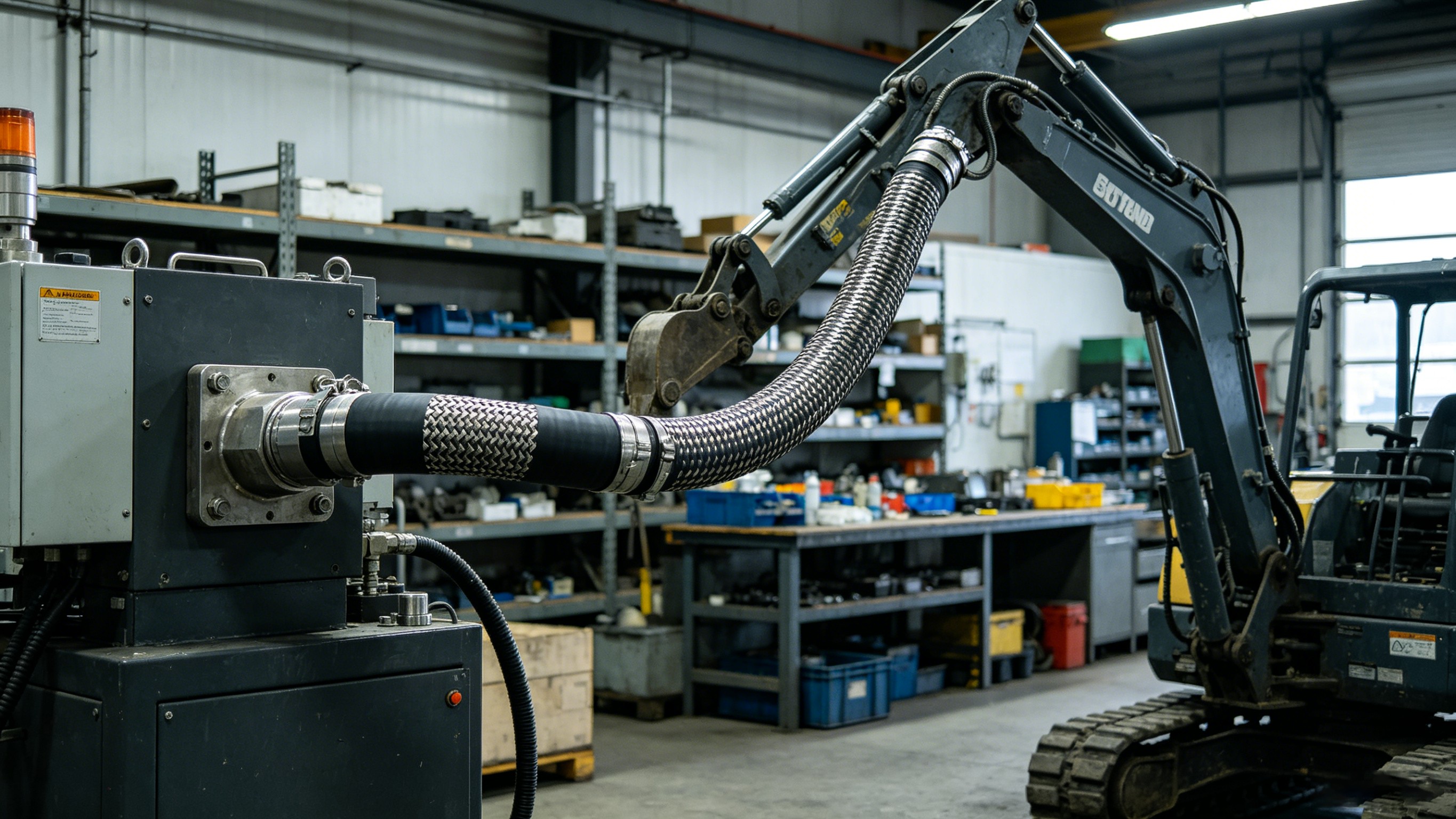
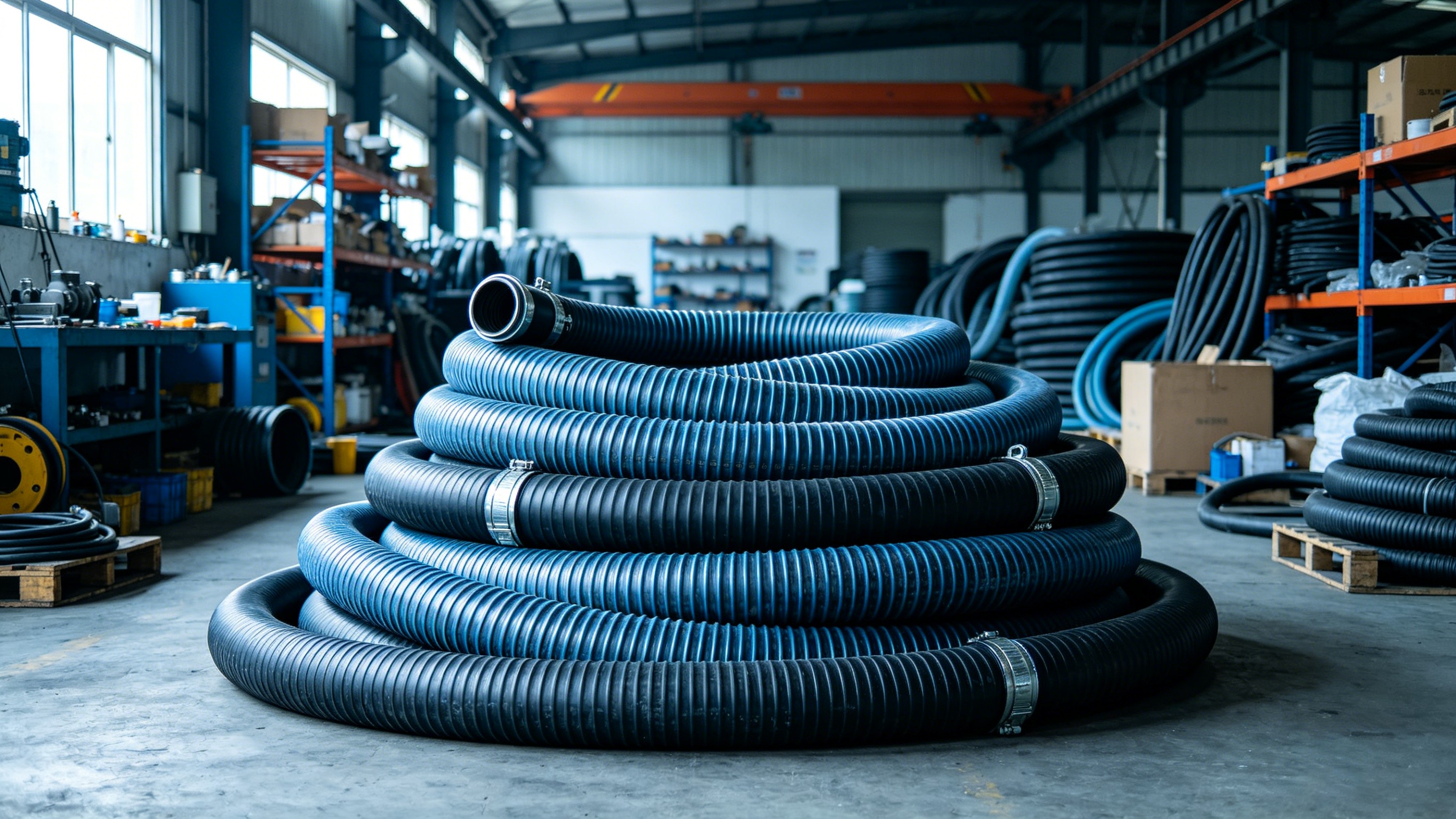
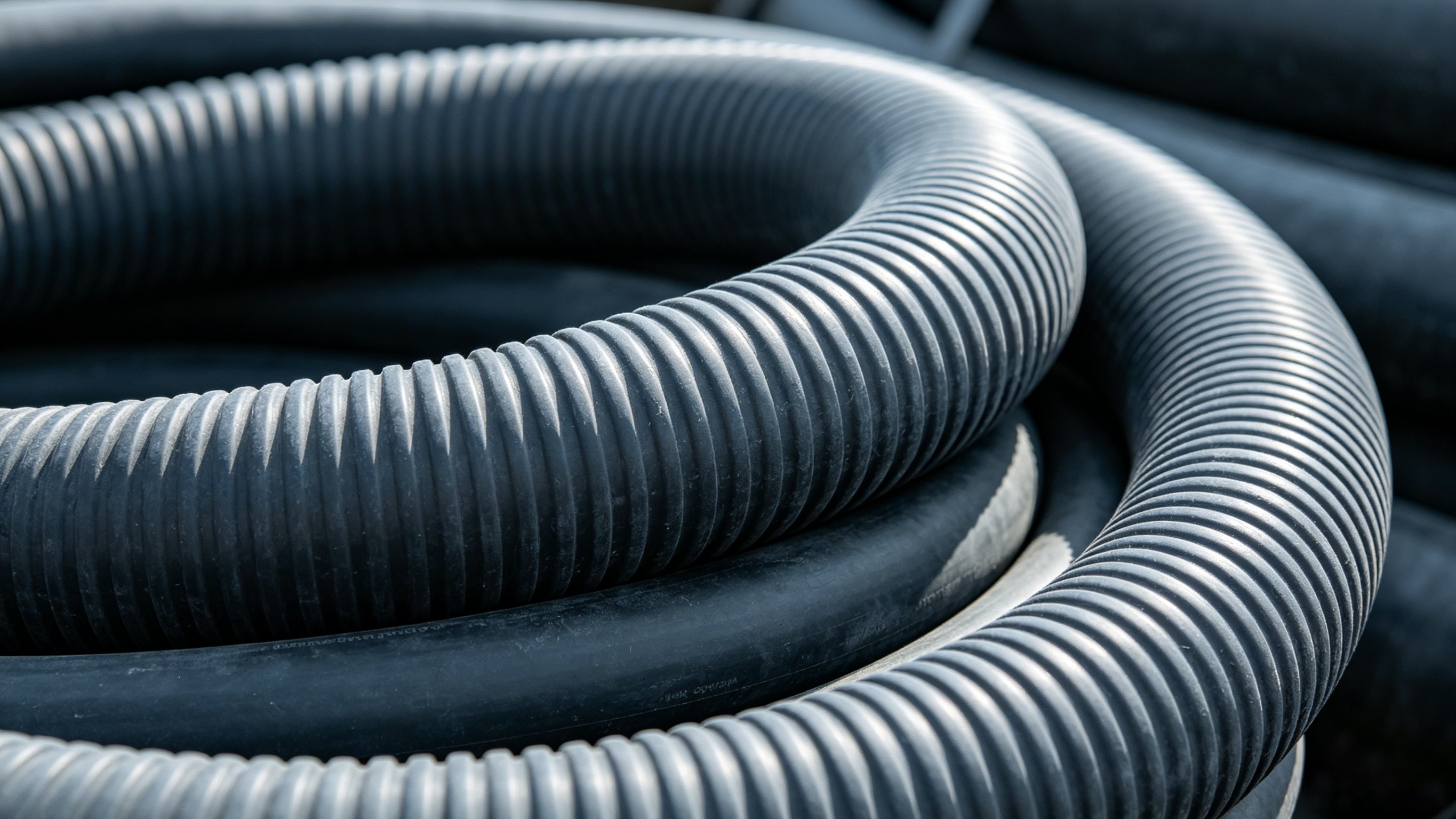
A PU polyurethane steel wire hose is a flexible ventilation hose made mainly from polyurethane (PU), with a spiral steel wire reinforcement embedded in the hose wall. The PU material provides good wear resistance, oil resistance, and flexibility, while the spiral steel wire provides structural support. This keeps the hose from collapsing under vacuum and maintains good bending performance.
According to different application requirements, PU polyurethane steel wire hoses can be produced with different wall thicknesses, steel wire pitches, and diameters. They can also be customized with an anti-static copper wire, flame retardant properties, or food-grade materials.
2. Core Advantages of PU Polyurethane Steel Wire Hoses
Strong wear resistance
PU polyurethane material offers excellent wear resistance, making it suitable for conveying abrasive media such as dust, particles, wood chips, and fibers. Its service life is usually longer than that of ordinary PVC hoses.
Vacuum-resistant and not easy to collapse
The embedded spiral steel wire skeleton keeps the hose in shape under negative pressure suction conditions. It does not easily collapse, ensuring stable operation of ventilation and dust collection systems.
Good flexibility and small bending radius
PU material itself is soft, and with the steel wire reinforcement structure, the hose can bend flexibly to adapt to complex equipment layouts and mobile dust collection needs.
Lightweight and easy to install
Compared with metal ducts and thicker rubber hoses, PU polyurethane steel wire hoses are lighter, making them easier to handle, install, and replace.
Resistant to oil and chemical corrosion
PU material has good resistance to grease and some chemicals, making it suitable for industrial workshops, machinery, and machining centers.
Smooth inner wall and low air resistance
The smooth inner wall of the hose creates low resistance when conveying airflow, helping improve ventilation and dust collection efficiency.
Highly customizable
Diameter, wall thickness, length, color, and steel wire pitch can be customized according to customer requirements. Special properties such as anti-static, flame retardant, and food-grade are also available.
3. Typical Applications
PU polyurethane steel wire hoses are widely used in the following fields:
Industrial dust collection: woodworking dust collection, grinding dust collection, and welding fume extraction;
Air suction and supply: ventilation and exhaust for printing machines, packaging machines, plastic machinery, and textile machinery;
Particle conveying: conveying light materials such as wood chips, plastic pellets, powder, and fibers;
Industrial vacuuming: central vacuum systems, mobile vacuum cleaners, and cleaning equipment;
Equipment matching: exhaust connections for CNC machine tools, engraving machines, laser cutting machines, and food processing equipment.
For ventilation and dust collection systems that require wear resistance, vacuum resistance, and flexible layout, PU polyurethane steel wire hoses are a practical choice that balances performance and cost.
4. How to Choose the Right PU Polyurethane Steel Wire Hose
When selecting a PU polyurethane steel wire hose, pay close attention to the following parameters:
Inner diameter and wall thickness
The inner diameter affects air volume and air speed, while wall thickness affects wear resistance and vacuum resistance. Both should be determined based on equipment interfaces and conveyed media.
Working pressure and vacuum
Clarify whether the system uses positive pressure air supply or negative pressure air suction, and confirm the maximum vacuum value the hose can withstand.
Conveyed media
Choose the appropriate wall thickness and material grade based on different media such as dust, particles, fibers, gas, or liquid.
Temperature range
Confirm whether the actual working temperature is within the allowable range of PU material. If necessary, choose a high-temperature resistant version.
Wear resistance level
For highly abrasive media such as wood chips, metal chips, and sand, choose a PU hose with greater wall thickness or a high wear-resistant type.
Special performance requirements
If anti-static, flame retardant, food-grade, or halogen-free properties are required, confirm available options with the manufacturer in advance.
Connection methods and accessories
Choose clamps, flanges, quick couplings, or other connection methods based on equipment interfaces to ensure firm sealing and easy assembly and disassembly.
5. Conclusion
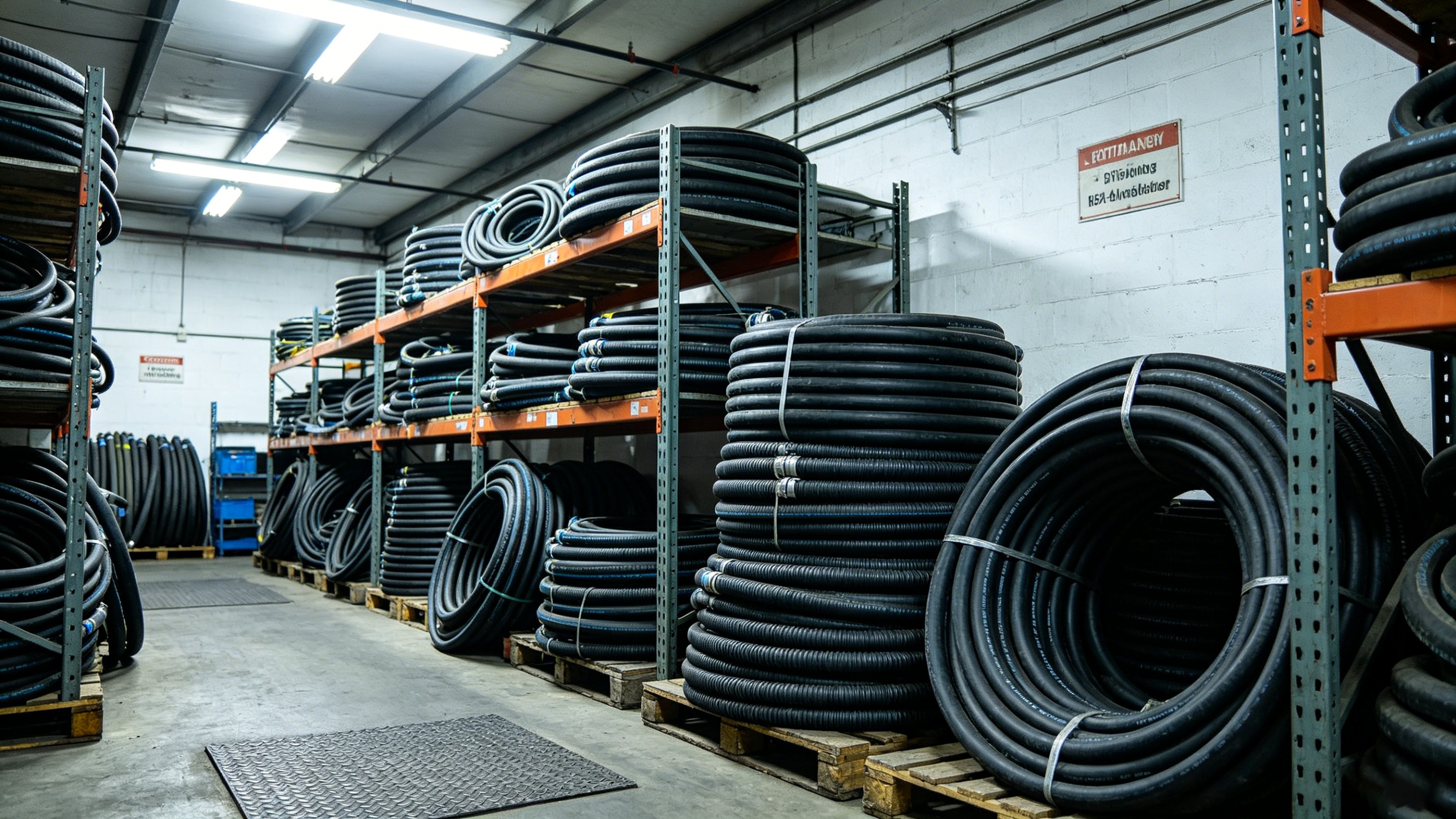
As industrial dust collection, ventilation, and material conveying systems continue to demand higher wear resistance, flexibility, and stability from hoses, the application range of PU polyurethane steel wire hoses continues to expand. As a hose manufacturer, we produce nylon resin high-pressure hoses, nylon resin pressure measuring hoses, PU polyurethane steel wire hoses, PU polyurethane ribbed hoses, ultra-high-pressure cleaning hoses, and TPV rubber hoses. We can provide suitable piping solutions for different working conditions.
If you are looking for PU polyurethane steel wire hoses that are wear-resistant, vacuum-resistant, and flexible, welcome to contact us for more specifications and selection advice.