Common Mistakes When Buying Industrial Hoses
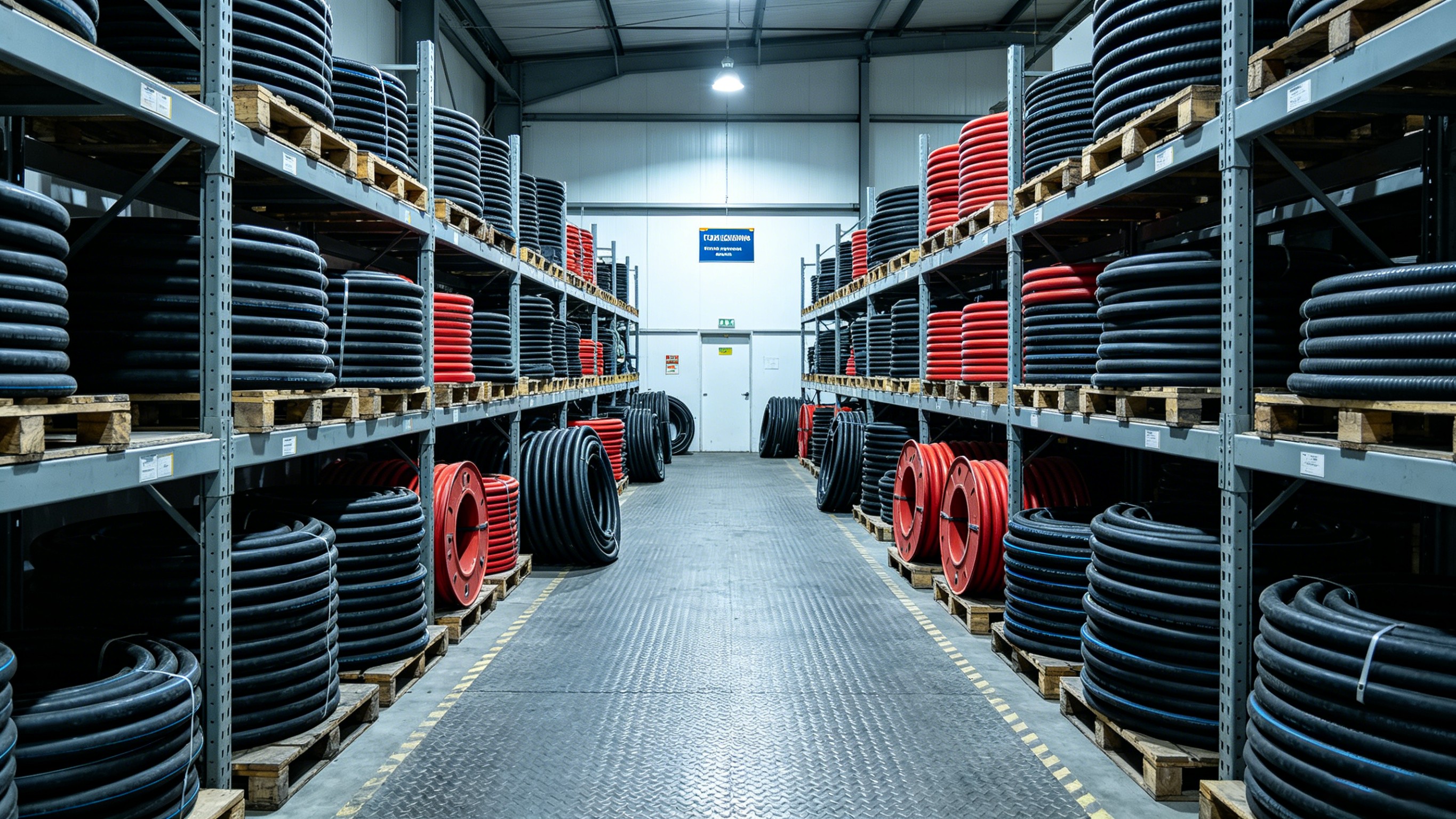
Industrial hoses are essential components in manufacturing, automation, construction, mining, and fluid transfer systems. However, many buyers focus primarily on price and overlook important technical factors when selecting hoses. This can lead to premature failures, increased maintenance costs, and unexpected downtime.
Understanding common purchasing mistakes can help businesses select the right hose solution and achieve better long-term performance.
- Choosing a Hose Based Only on Price
One of the most common mistakes is selecting the cheapest available option. While a lower purchase price may seem attractive, low-quality hoses often have shorter service lives and higher maintenance requirements.
Frequent replacements, production interruptions, and repair costs can quickly exceed any initial savings. A high-quality industrial hose typically provides better value through improved durability and reliability.
When evaluating hose options, buyers should consider total lifecycle cost rather than focusing solely on the purchase price.
- Ignoring Pressure Requirements
Many hose failures occur because the selected hose cannot safely handle the system's operating pressure.
Every industrial hose has a specific working pressure rating. Choosing a hose with an insufficient pressure rating increases the risk of leakage, deformation, or bursting.
Buyers should always verify both normal operating pressure and potential pressure spikes before making a purchasing decision.
Proper pressure selection helps improve safety and equipment performance.
- Overlooking Material Compatibility
Different hose materials are designed for different applications. Using an incompatible material can lead to rapid wear, chemical damage, or reduced performance.
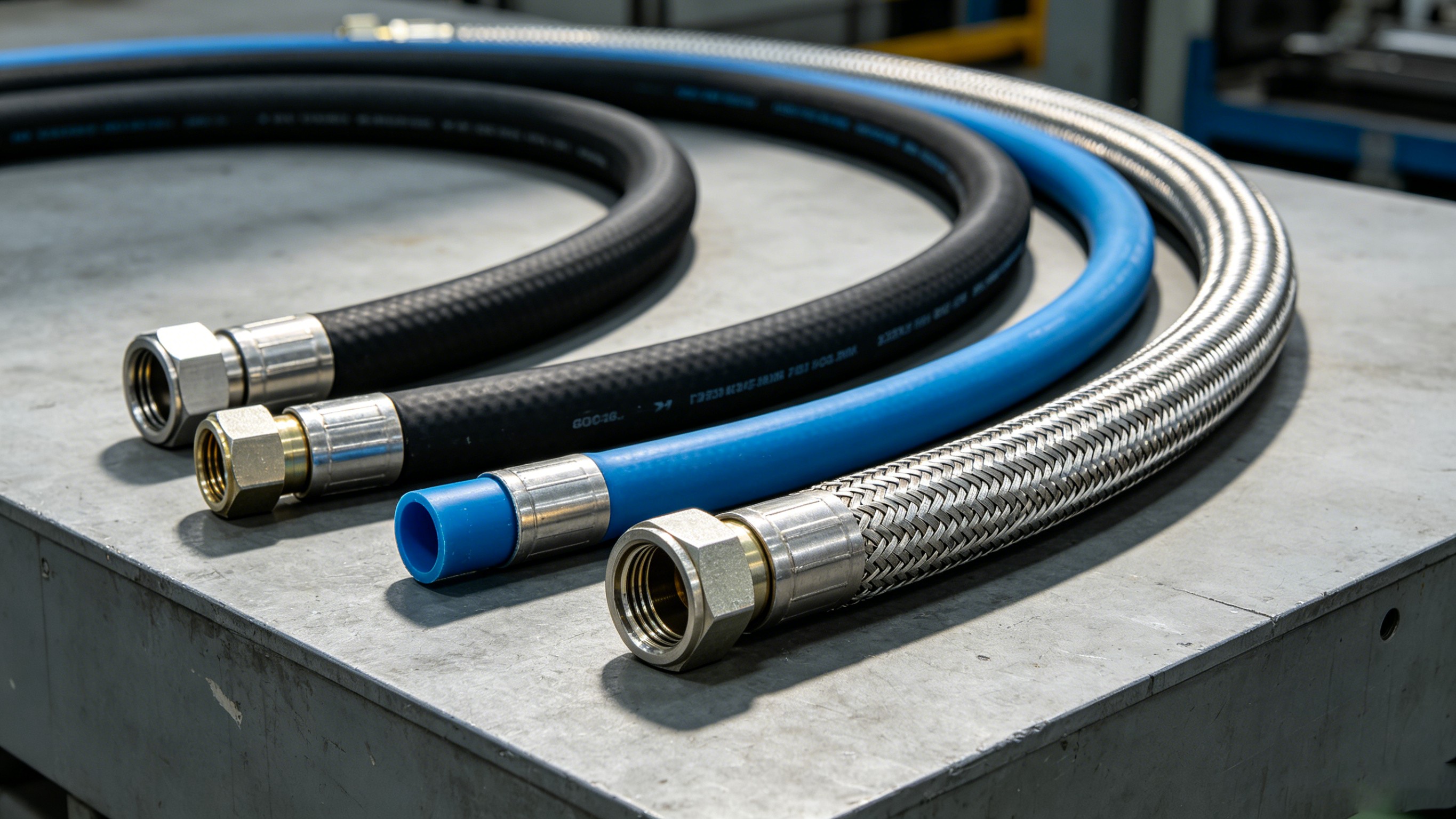
For example, polyurethane hoses offer excellent flexibility and abrasion resistance, while nylon tubing provides strong dimensional stability and pressure resistance.
Understanding the characteristics of each material helps ensure optimal performance in the intended application.
- Not Considering the Working Environment
Environmental conditions can significantly affect hose lifespan.
Factors such as temperature, UV exposure, moisture, chemicals, vibration, and abrasion should all be evaluated during the selection process.
A hose that performs well in one environment may not be suitable for another. Selecting products specifically designed for the operating conditions can greatly improve service life and reliability.
- Failing to Work with Experienced Suppliers
Technical support is often overlooked during the purchasing process. Experienced manufacturers can provide valuable guidance regarding hose selection, installation, and maintenance.
Working with a reliable supplier helps ensure that products meet application requirements and industry standards.
Professional support can also help avoid costly selection errors and improve overall system performance.
Conclusion
Avoiding common industrial hose purchasing mistakes can significantly improve equipment reliability, reduce maintenance costs, and enhance operational safety. By focusing on performance requirements rather than simply price, businesses can make smarter long-term investments.
Shandong Danyu New Materials Technology Co., Ltd. specializes in polyurethane hoses, hydraulic hoses, nylon tubing, reinforced hoses, and customized industrial hose solutions. Contact us for professional product recommendations and OEM manufacturing support.