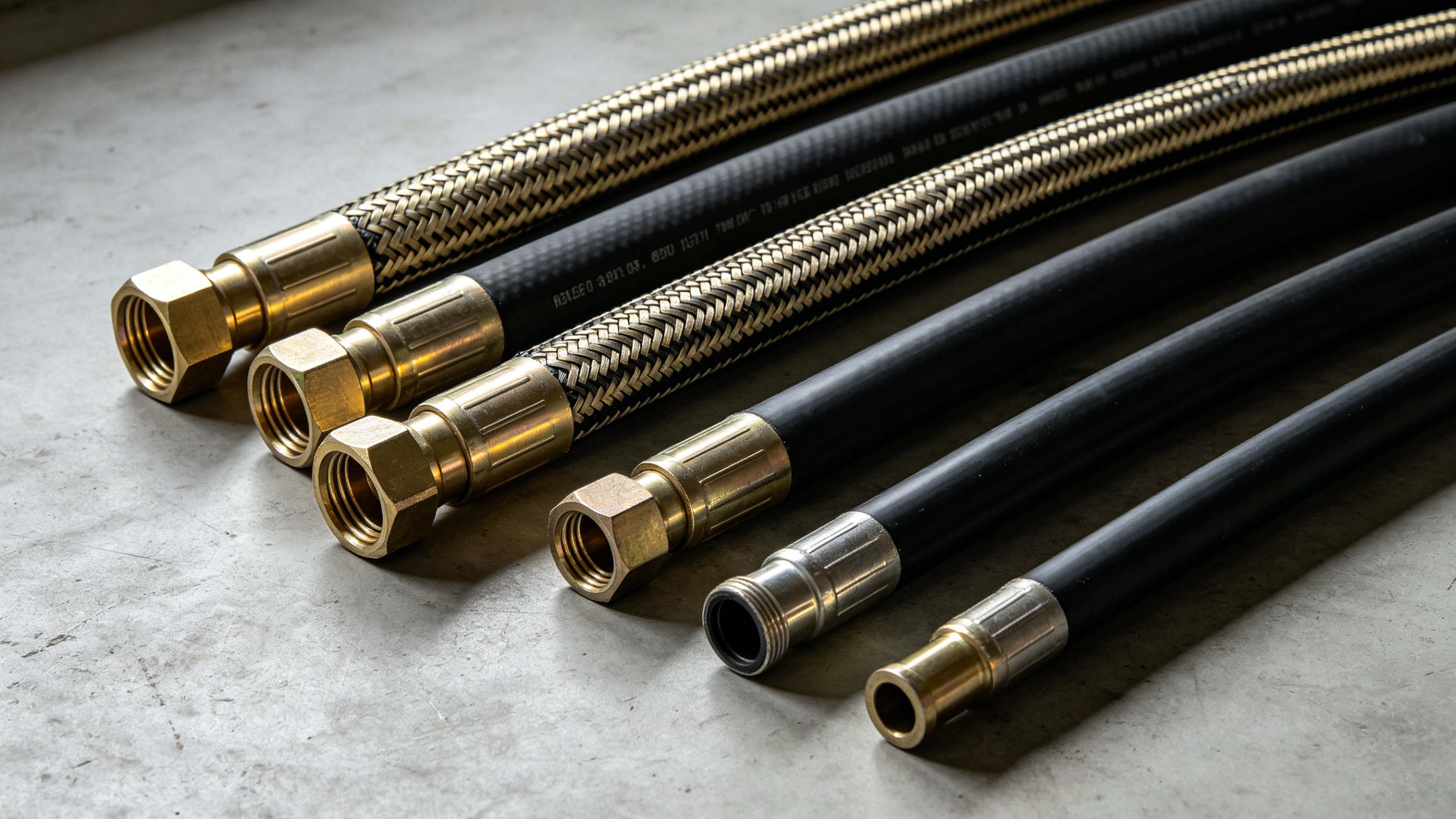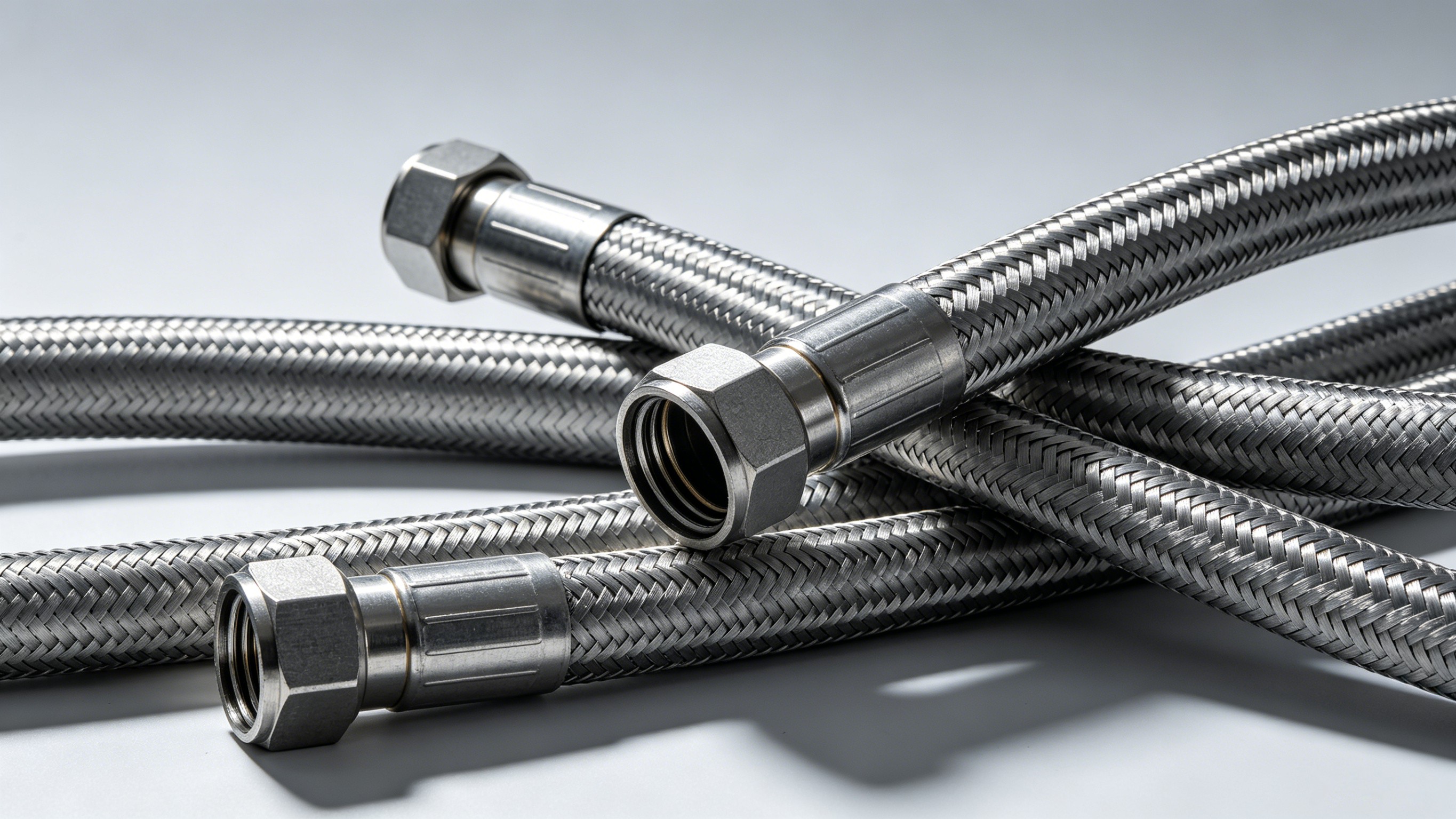
Common Industrial Hose Failures and Life Extension Tips: A Practical Guide for Cost Reduction and Efficiency Improvement
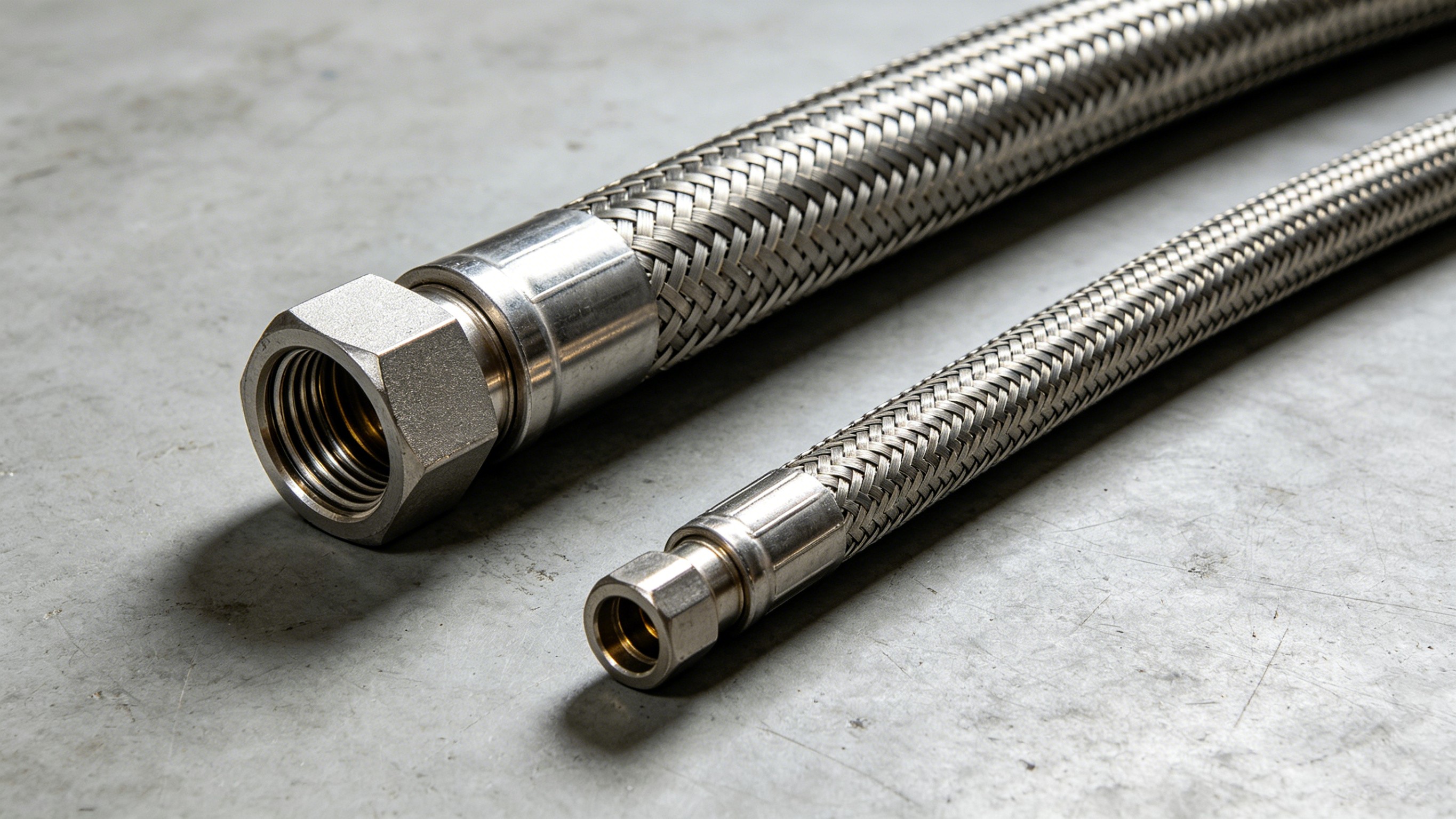
In industrial production, hoses may be small components, but they directly impact equipment operating efficiency and production costs. Industry statistics show that downtime losses caused by hose failures account for 15%-20% of total factory downtime. As a direct manufacturer specializing in industrial hoses with 20 years of production experience and customer feedback, we have summarized common hose failure causes and life extension tips to help you reduce replacement costs and improve production efficiency.
1. Common Hose Failures and Cause Analysis
1. Hose Bursting:The "Fatal Injury" of Overpressure**
Symptom: Sudden hose rupture, media spray, and equipment shutdown.
Causes:
Working pressure exceeds the hose's rated pressure (e.g., using a 10MPa hose instead of a 16MPa hose);
Frequent pressure pulses (e.g., frequent start-stop of hydraulic systems), leading to fatigue damage;
Reduced hose strength in high-temperature environments (e.g., long-term use of nylon resin hoses above 120°C).
Case: A car factory's hydraulic system originally used 10MPa nylon resin hoses. After system upgrades increased pressure to 14MPa, the hoses were not replaced, resulting in 2 bursts within 3 months and downtime losses exceeding 50,000 yuan.
2. Inner Wall Wear: The "Chronic Erosion" of Media Abrasion
Symptom: Thinning and perforation of the inner wall, leading to media leakage.
Causes:
Conveying media containing hard particles (e.g., wood chips, mineral powder) at high flow rates (>5m/s);
Rough inner wall (inferior products), exacerbating friction;
Excessive bending radius causing sudden local flow rate changes.
Case: A woodworking machinery factory in Shandong used PVC steel wire hoses to convey wood chips. Due to rough inner walls and insufficient bending radius, the hoses wore through in 3 months, requiring frequent replacements.
3. Outer Wall Wear: The "External Injury" of Environmental Friction Symptom: Worn outer wall, exposed reinforcement layer, or even breakage.
Causes:
Long-term friction between the hose and equipment, ground, or other objects;
Non-wear-resistant outer wall material (e.g., ordinary rubber vs. polyurethane);
Unfixed installation causing friction during equipment movement.
Case: An ultra-high-pressure cleaning tube at a chemical plant was dragged on the ground during use. The worn outer wall was penetrated by high-pressure water jets, nearly causing injury.
4. Connection Leakage: The "Hidden Danger" of Poor Connections
Symptom: Liquid seepage or dripping at connections, pressure drop.
Causes:
Mismatched connections and hoses (e.g., size deviation, thread mismatch);
Improper crimping process (e.g., insufficient crimping pressure, offset crimping position);
Corrosion of connection material (e.g., stainless steel connections used in strong acid environments).
Case: A hydraulic equipment factory used quick-change connections. Due to misalignment during crimping, 30% of connections leaked during testing, resulting in extremely high rework rates.
5. Aging and Cracking: The Double Blow of Time and Environment
Symptom: Hardening, cracking, and reduced elasticity of the hose body.
Causes:
Long-term exposure to UV rays and ozone (e.g., outdoor TPV hoses);
Temperature exceeding the hose's tolerance range (e.g., PU hoses used above 85°C);
Contact with incompatible media (e.g., nylon resin hoses exposed to strong oxidants).
Case: An outdoor cleaning equipment's TPV hose cracked within 1 year due to the absence of UV-resistant additives, reducing its lifespan by 50%.
2. Hose Life Extension Tips: Full-Process Management from Selection to Maintenance
1. Precise Selection: Matching Working Conditions is the Prerequisite
Pressure Matching: Working pressure ≤ 75% of the hose's rated pressure (e.g., select a 16MPa hose for a 10MPa system pressure) to reserve a safety margin;
Temperature Matching: Ensure both media and ambient temperatures are within the hose's tolerance range (e.g., select fluoroelastomer-modified TPV for high-temperature environments, resistant to 135°C);
Media Matching: Confirm compatibility between hose material and conveyed media (e.g., select TPV or fluoroelastomer for acid/alkali conveyance, nylon resin for oil conveyance);
Wear Resistance Matching: Select polyurethane outer walls (3-5 times more wear-resistant than rubber) for high-wear environments, and smooth inner walls (e.g., nylon resin inner wall roughness Ra≤0.8μm).
2. Standardized Installation: Avoid "Man-Made Damage"
Bending Radius: ≥ 6 times the hose's outer diameter (e.g., ≥60mm bending radius for a 10mm outer diameter hose) to avoid sharp bends;
Fixing Method: Use pipe clamps for fixing, with spacing ≤1 meter to avoid悬空晃动;
Connection Handling: Ensure connections match the hose, check for leaks after crimping, and conduct pressure tests if necessary;
Environmental Protection: Add protective sleeves (e.g., UV-resistant or wear-resistant sleeves) for outdoor use to avoid direct sunlight and friction.
3. Regular Maintenance: Early Detection and Early Treatment
Daily Inspection: Check the hose body for bulges, cracks, or wear, and connections for leaks weekly;
Pressure Testing: Conduct pressure tests on key hose parts every six months (e.g., test pressure for hydraulic system hoses = 1.5 times working pressure);
Cleaning and Maintenance: Rinse the inner wall with clean water after conveying particle media to avoid residual particle wear;
Timely Replacement: Replace immediately if any of the following occur:
Bulges, cracks, or worn outer wall on the hose body;
Unrepairable connection leaks;
Hose aging and hardening, with elasticity reduced by more than 30%.
3. Our Services: From Products to Solutions
As a direct manufacturer, we not only provide high-quality hoses but also offer value-added services such as selection guidance, installation training, and maintenance advice:
Free Selection: Provide working condition parameters (pressure, temperature, media, environment), and we will match the optimal hose model for you;
Customization: Support non-standard sizes, special materials, and custom connections, with delivery times as short as 7 days;
Technical Support: Our engineer team answers installation and maintenance questions online and provides remote troubleshooting guidance;
Sample Trial: Provide free samples for testing before bulk purchase, reducing trial-and-error costs.
Conclusion
Extending hose life by 30% means a 30% reduction in replacement costs and a 30% decrease in downtime. Through precise selection, standardized installation, and regular maintenance, you can significantly improve hose lifespan and achieve cost reduction and efficiency improvement for your factory. If you encounter hose failure issues or need selection advice, feel free to contact us for professional solutions!
Need me to plan the third article? It could focus on "How to Select Industrial Hoses Based on Working Conditions" or "Performance Comparison of Different Hose Materials".