How to Select the Right PU Polyurethane Steel Wire Hose for Air and Material Conveying
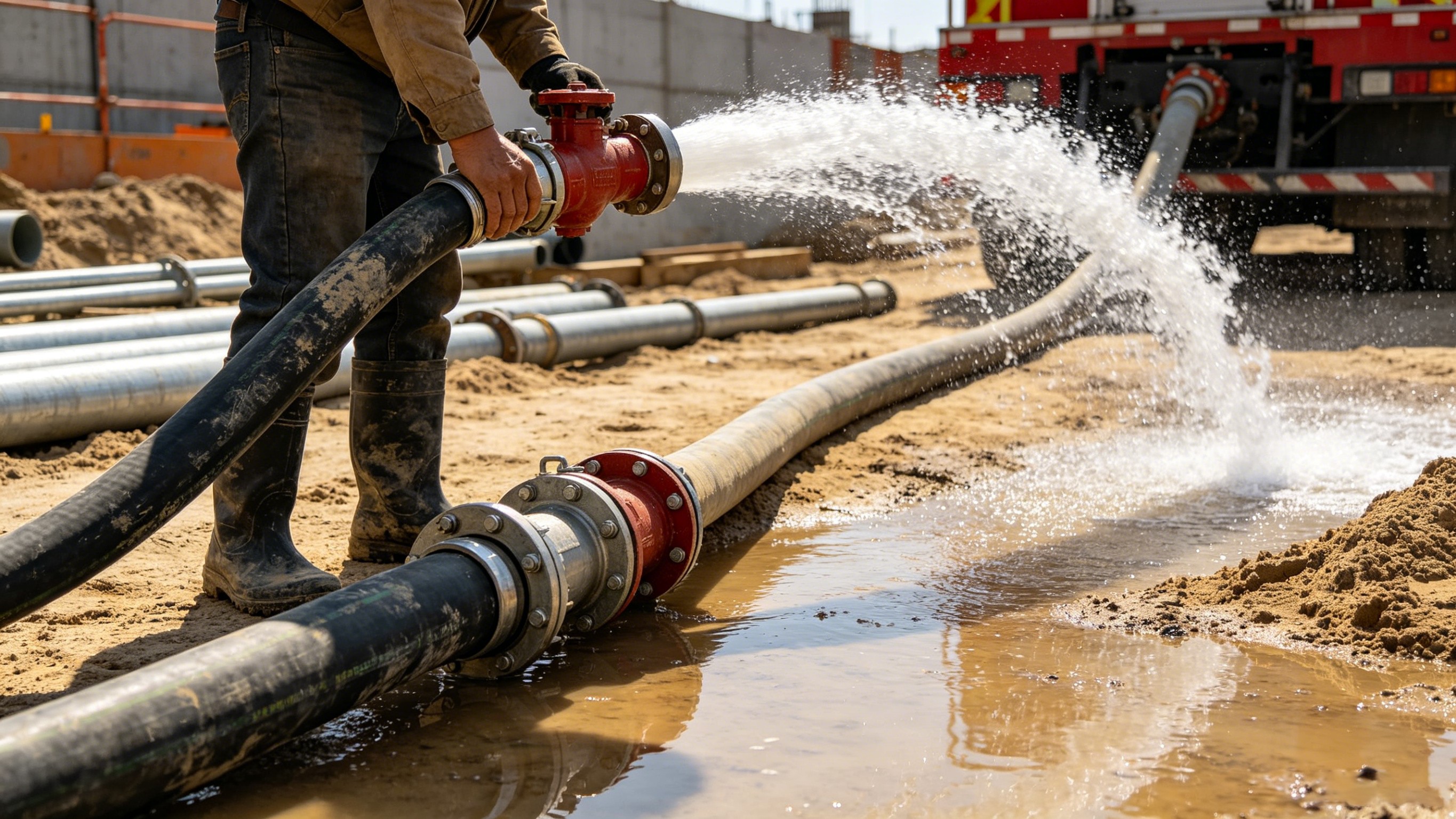
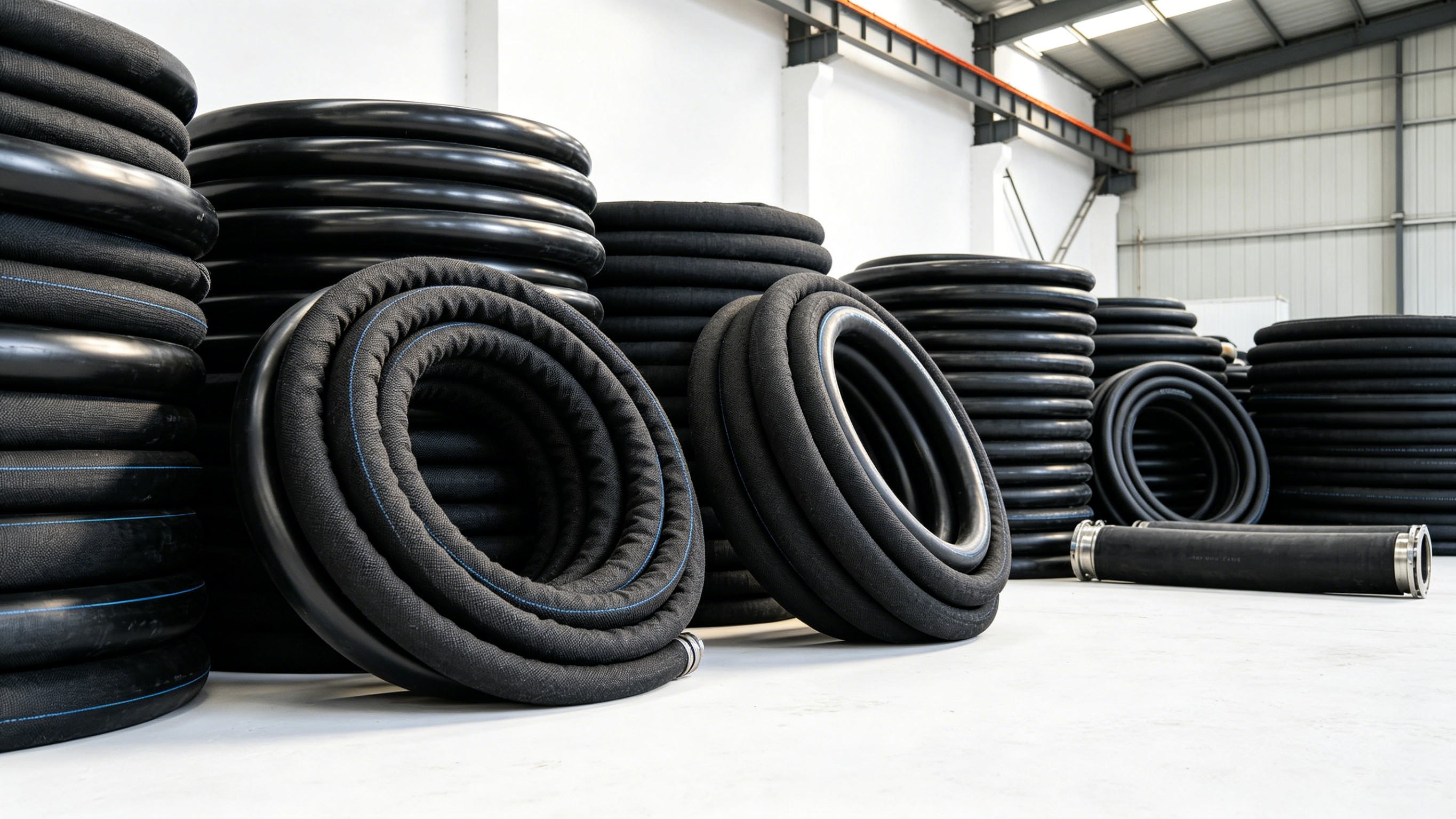
PU polyurethane steel wire hoses are widely used for dust collection, pneumatic conveying, wood chip transport, plastic granule conveying, ventilation, and industrial exhaust. Their lightweight structure, good flexibility, and abrasion resistance make them suitable for many material handling and air flow applications.
To select the right hose, consider the following key parameters.
1.Application Type
Confirm whether the hose will be used for dust extraction, wood chips, plastic granules, powder, sand, air ventilation, or other materials. Different materials cause different levels of abrasion and require different hose structures.
2.Inner Diameter
The inner diameter should match the equipment inlet or outlet size. A diameter that is too small may increase air resistance and reduce conveying efficiency. A diameter that is too large may increase cost and make installation less convenient.
3.Wall Thickness
Thicker walls provide better abrasion resistance and are suitable for heavy-duty material conveying. Thinner walls offer better flexibility and are more suitable for light dust collection or ventilation.
4.Steel Wire Structure
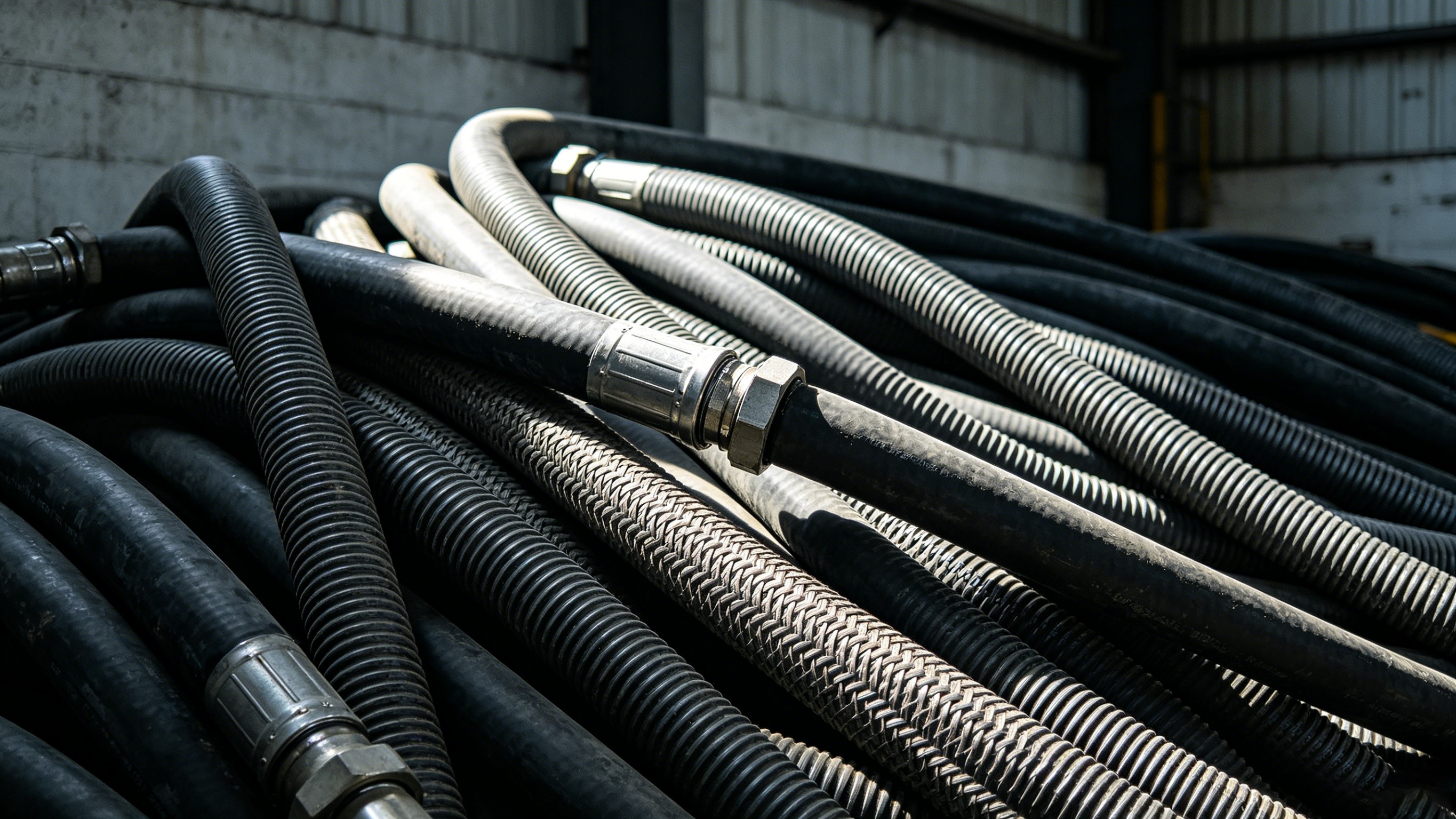
PU steel wire hoses are usually reinforced with embedded steel wire. This structure helps maintain shape, resist collapse, and improve flexibility. For applications with suction pressure or frequent bending, a reinforced steel wire structure is recommended.
5.Abrasion Resistance
For wood processing, plastic granule conveying, sand transport, and similar applications, choose hoses with higher abrasion resistance. For clean air or light dust, standard PU steel wire hoses may be sufficient.
6.Temperature Range
PU hoses have certain temperature limits. If the conveyed air or material is hot, confirm the temperature range before selection. Long-term exposure to temperatures beyond the rated range may reduce service life.
7.Static Conductivity
Some conveying applications involve static electricity. If required, choose a static-conductive or anti-static version to help reduce static buildup during material transport.
8.Bending Radius and Installation Space
Check the installation path, bending frequency, and available space. A hose with good flexibility can be easier to install in compact or moving equipment, while still maintaining stable conveying performance.
Common Selection Mistakes
Choosing wall thickness without considering material abrasiveness;
Ignoring inner diameter matching with equipment ports
Using standard hoses for high-temperature or static-sensitive applications;
Overlooking bending radius and installation movement requirements.
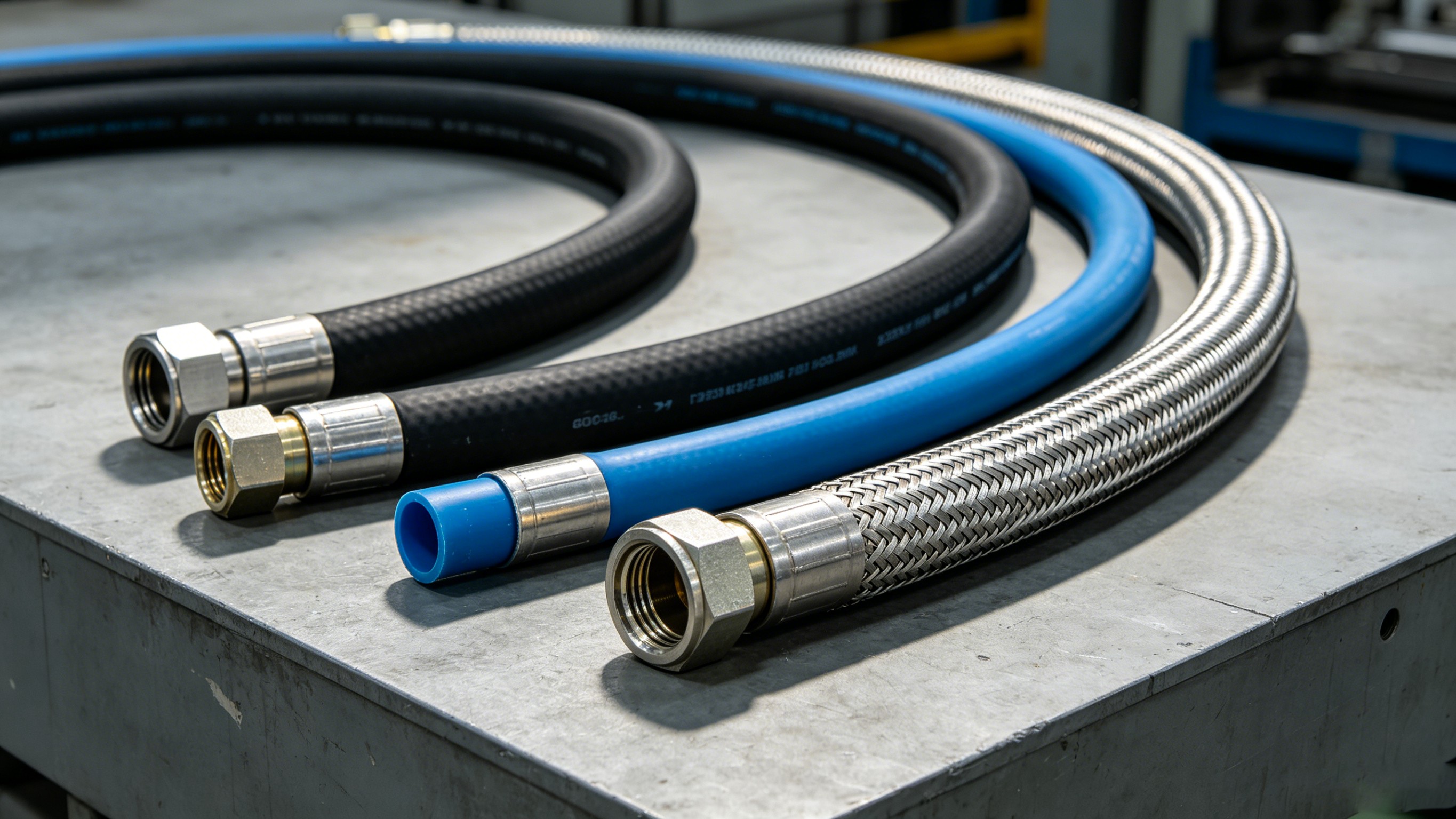
As a direct-supply manufacturer of industrial hoses, we provide PU polyurethane steel wire hoses, PU polyurethane spiral-reinforced hoses, nylon resin high-pressure hoses, nylon resin pressure-testing hoses, ultra-high-pressure cleaning hoses, and TPV rubber hoses. We support customization by inner diameter, wall thickness, length, fittings, and application requirements for overseas customers. For product specifications or bulk purchase inquiries, please contact us through our website.