Nylon Resin High-Pressure Hose Selection Guide: How to Choose the Right Hose for Your Application
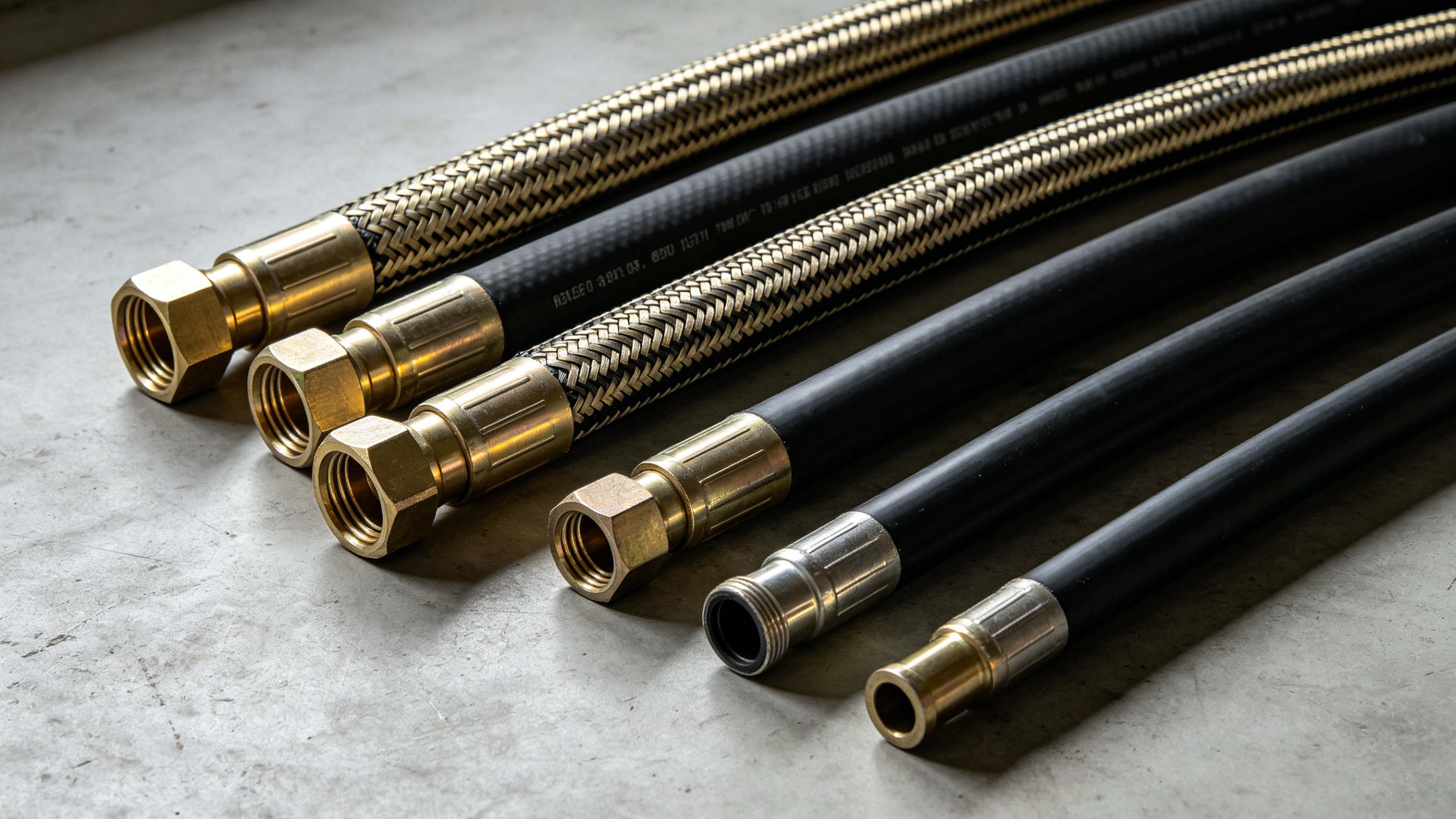
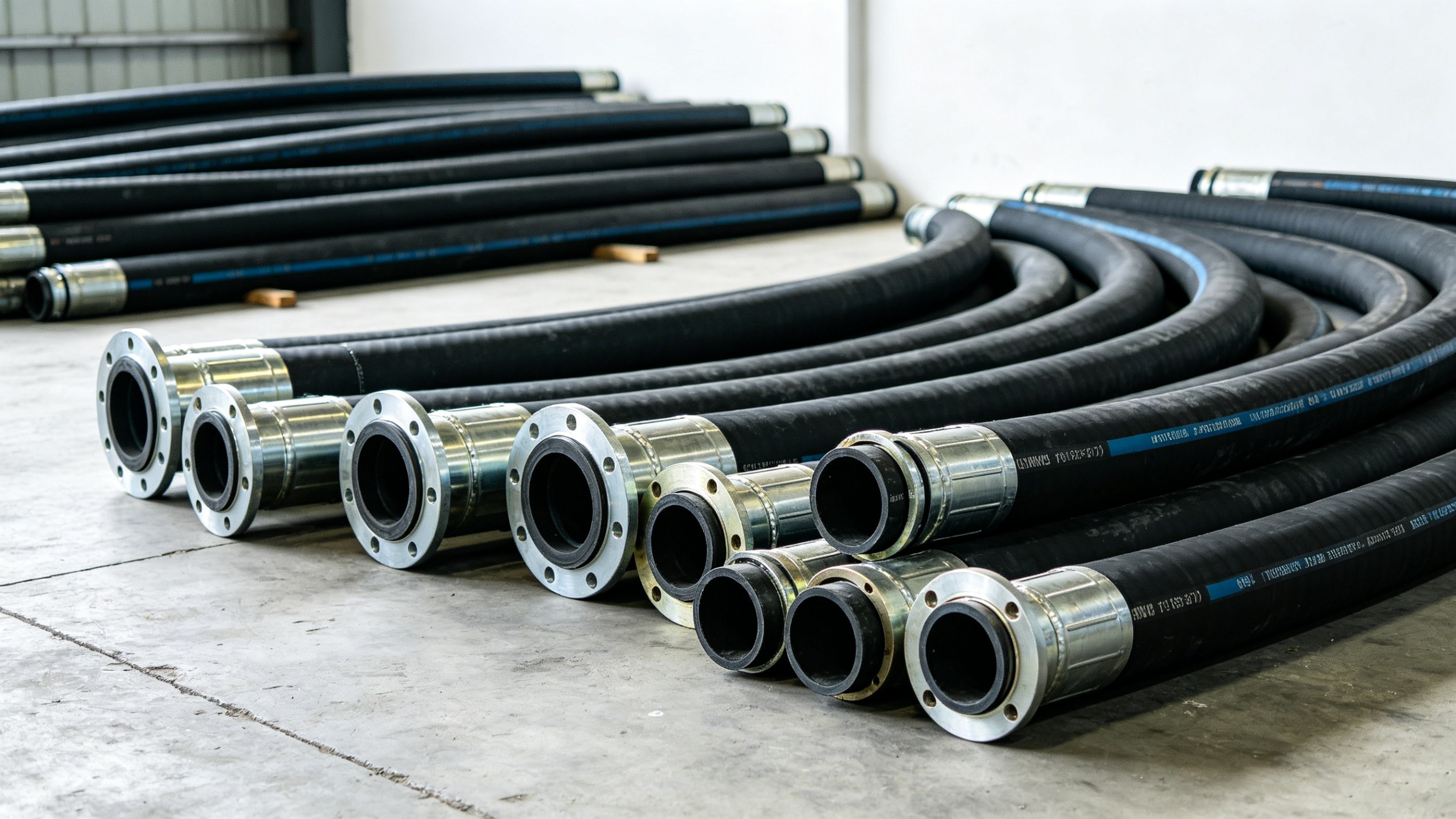
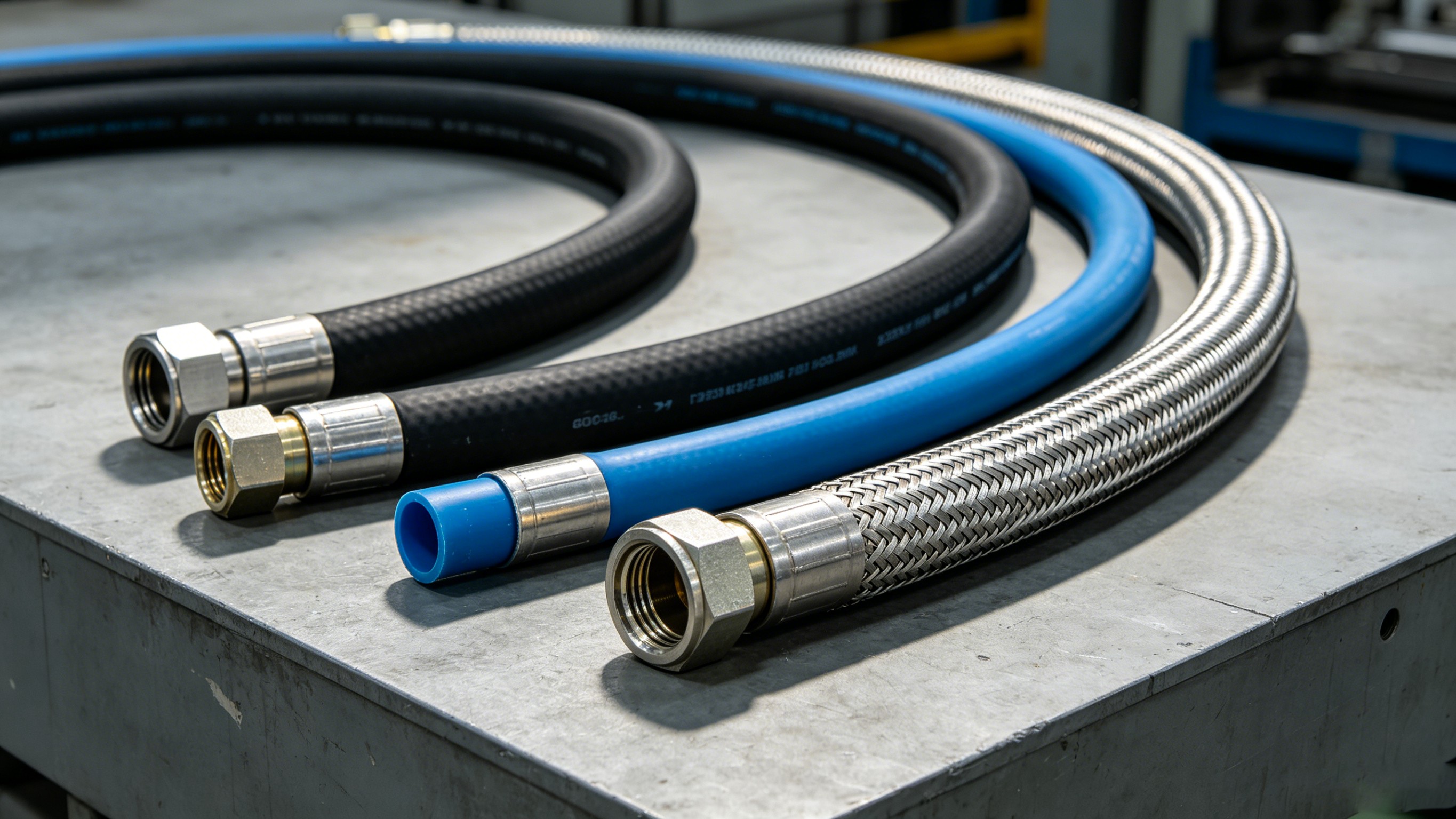
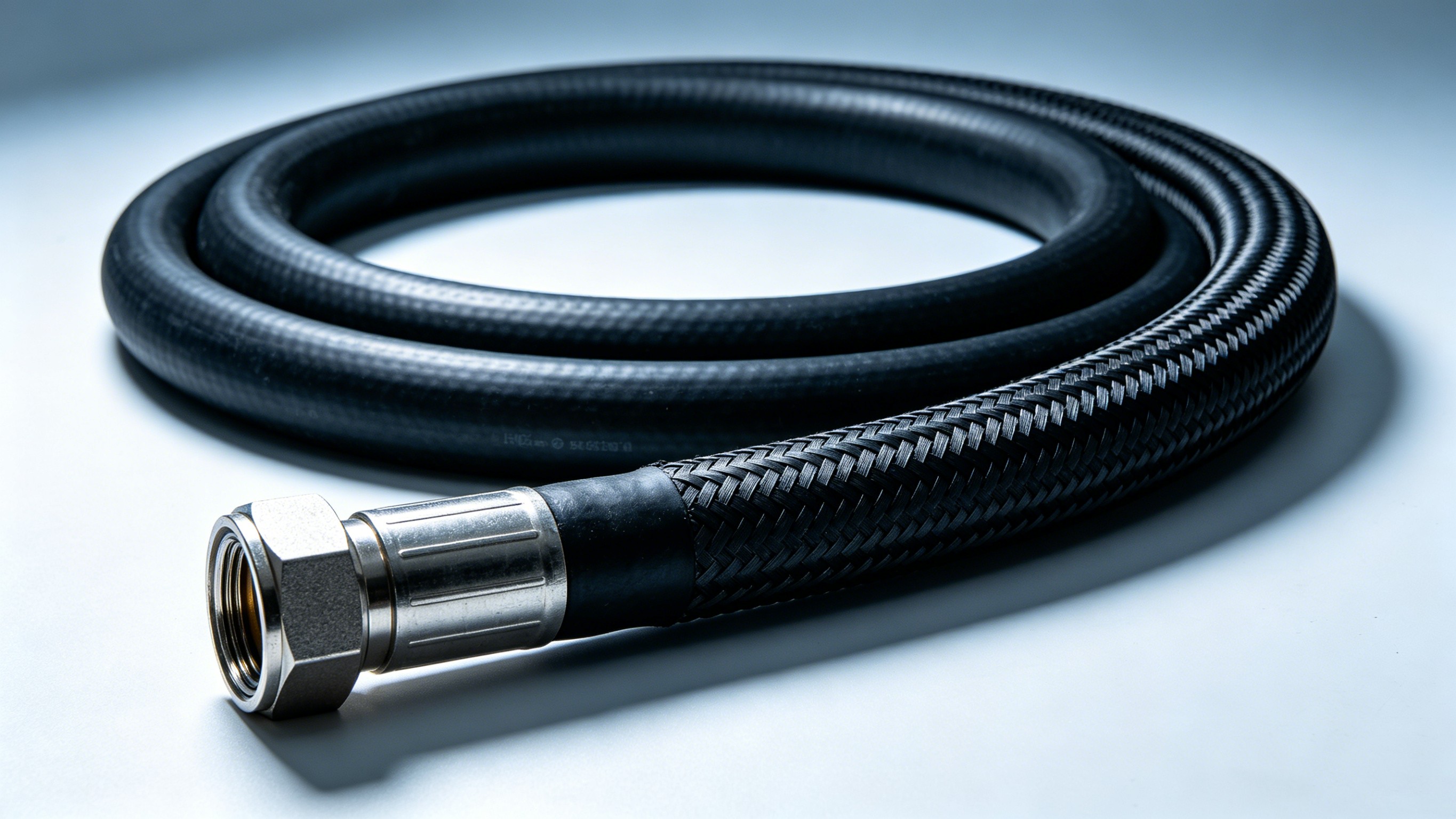
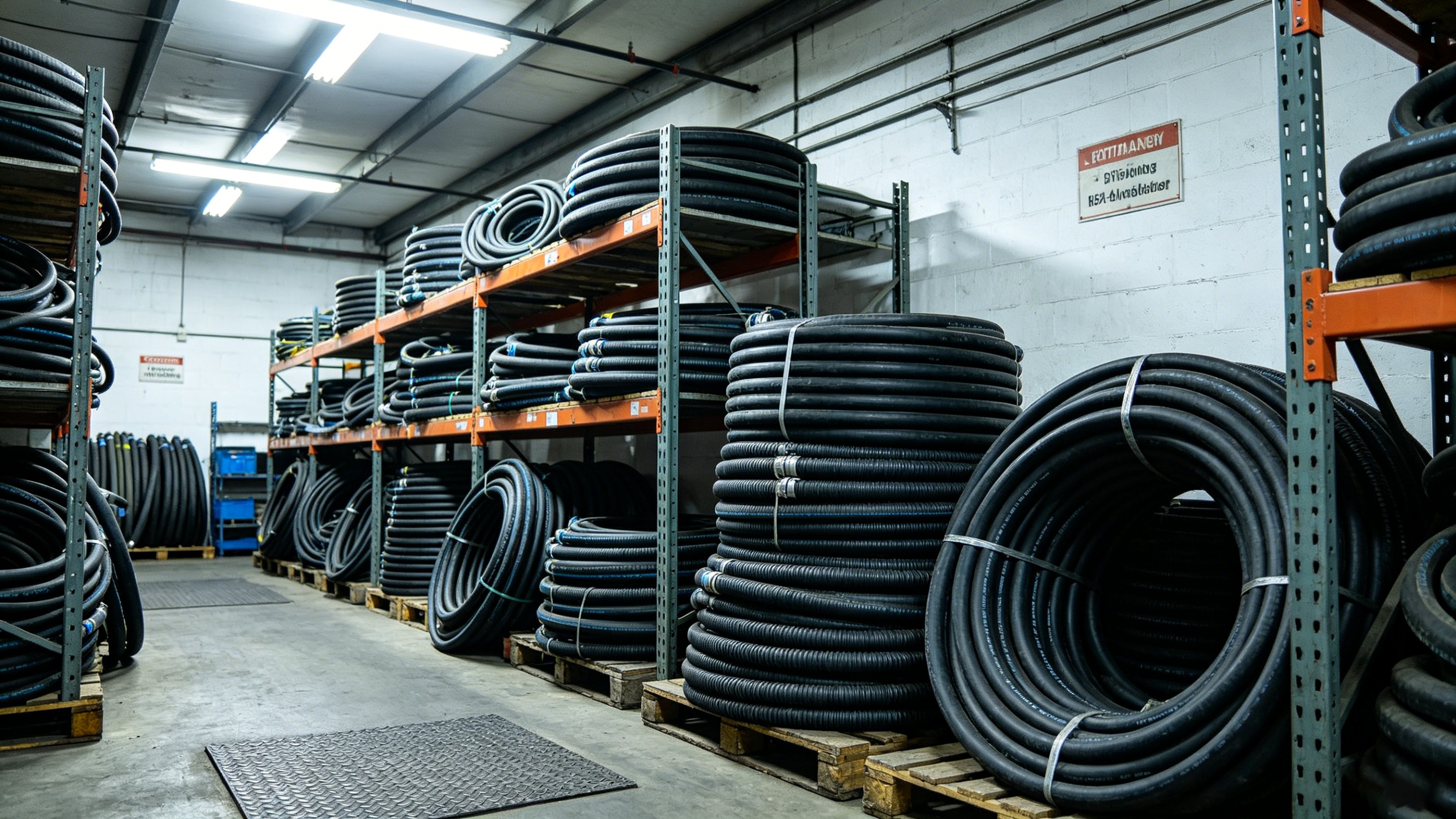
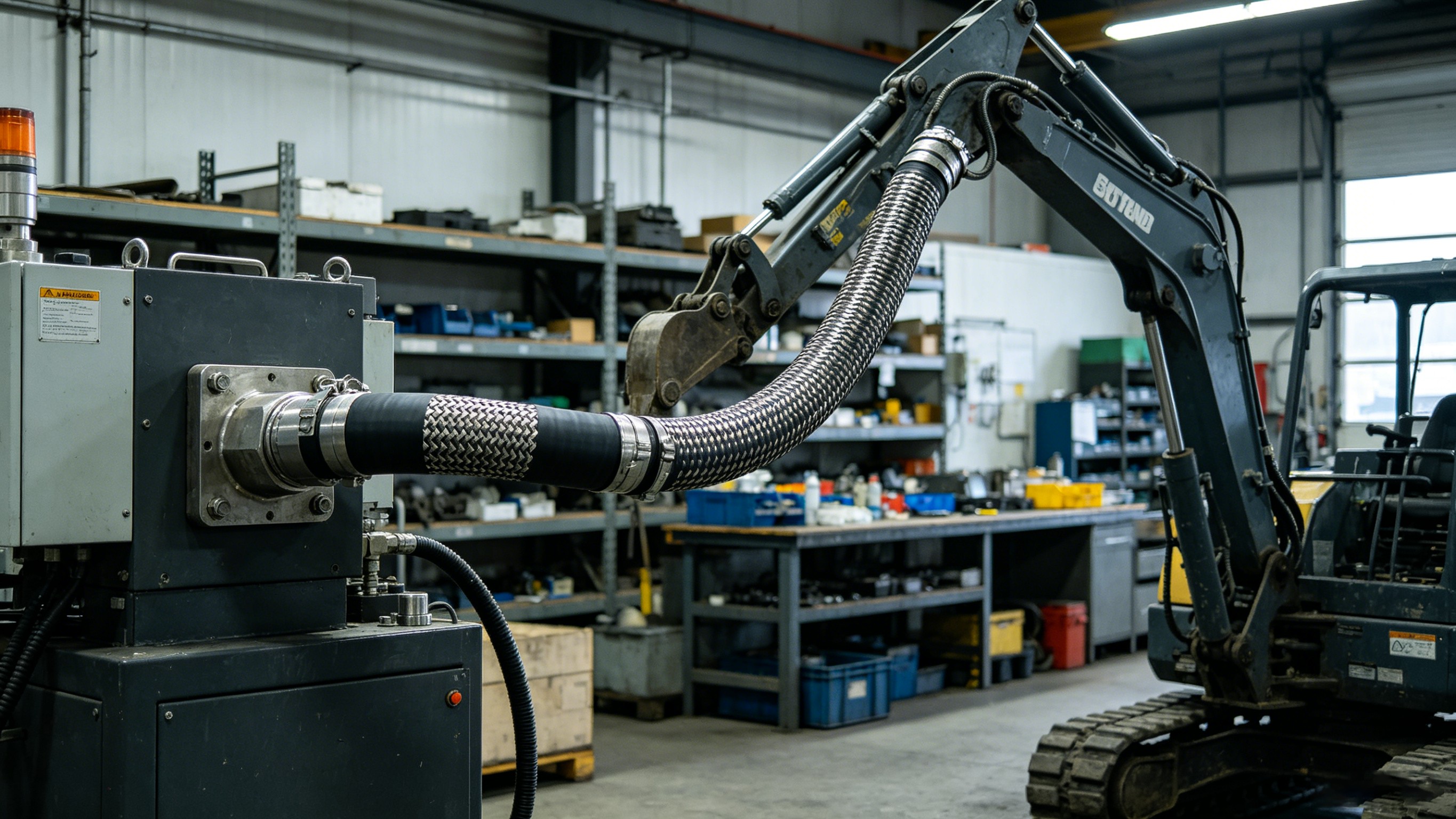
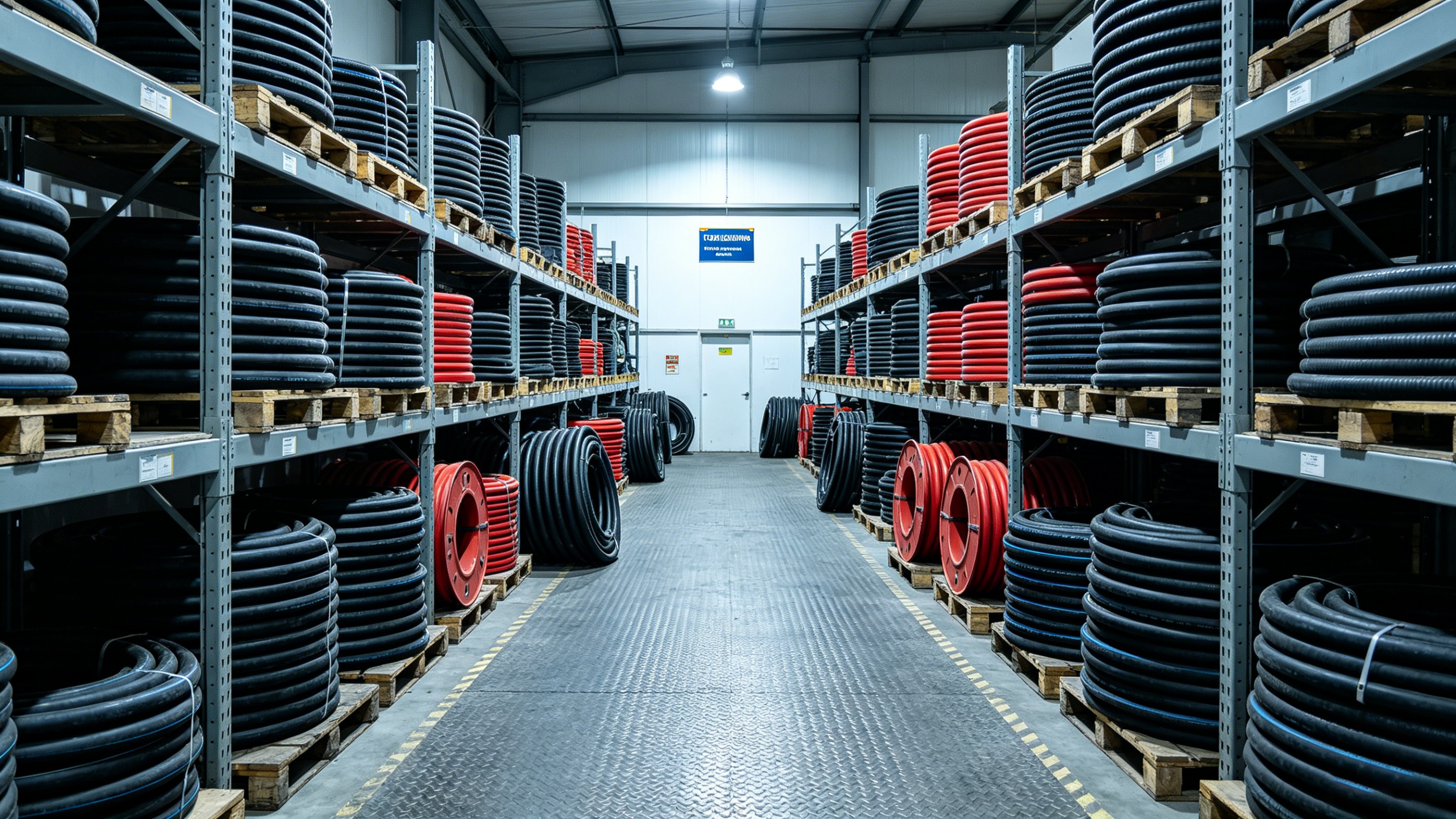
Nylon resin high-pressure hoses are widely used in hydraulic systems, industrial cleaning, pressure testing, lubrication lines, pneumatic tools, and fluid transfer applications. Their compact structure, smooth inner bore, and strong pressure resistance make them suitable for many demanding environments.
However, choosing the wrong hose can lead to premature failure, leakage, pressure loss, or safety risks. This guide helps you identify the most important selection factors before placing an order.
1. Confirm the Working Pressure
.The first step in hose selection is determining the system pressure.
Identify the maximum working pressure of your equipment.
.Choose a hose whose rated working pressure is equal to or higher than the system requirement.
.Consider pressure spikes that may occur during pump start-up, valve switching, or impact operations.
.For safety-critical applications, allow a sufficient safety margin.
Never select a hose based only on inner diameter or length while ignoring pressure rating. Pressure capability is the most critical safety parameter.
2. Choose the Correct Inner Diameter
The inner diameter affects flow rate, pressure loss, and system efficiency.
.A smaller inner diameter may increase flow velocity and pressure drop.
.A larger inner diameter can reduce pressure loss but may add weight and cost.
.Match the hose ID with pump capacity, valve ports, and fitting sizes.
.For long hose runs, pressure loss becomes more noticeable and should be evaluated carefully.
If the hose is used for pressure testing or precision fluid delivery, stable flow and minimal pressure fluctuation are especially important.
3. Check Fluid Compatibility
The hose inner layer must be compatible with the fluid being conveyed. Common media include:
.Hydraulic oil
.Lubricating oil
.Water or water-glycol fluids
.Compressed air
.Certain chemical fluids
If the inner material is not compatible with the medium, it may swell, soften, crack, or degrade over time. Always confirm the actual fluid type, concentration, and operating temperature before selection.
4. Consider Temperature Range
Temperature has a significant impact on hose life.
.High temperatures can accelerate material aging and reduce pressure capacity.
.Low temperatures may reduce flexibility and increase the risk of cracking during bending.
.Confirm both the ambient temperature and the fluid temperature.
.Choose a hose grade that covers the full operating temperature range of your application.
If the hose will be used near engines, heating equipment, or outdoor environments, temperature resistance should be verified carefully.
5. Evaluate the Operating Environment
The working environment determines how much protection the hose needs.
Indoor hydraulic systems: Focus on oil resistance, flexibility, and fitting compatibility.
Outdoor equipment: Consider UV resistance, weather resistance, and temperature changes.
High abrasion areas: Choose hoses with wear-resistant outer layers or add protective sleeves.
Mobile equipment: Prioritize flexibility, fatigue resistance, and bending performance.
Clean or food-related areas: Confirm whether special material requirements apply.
A hose that performs well in one environment may not be suitable for another, even if the pressure rating is the same.
6. Select the Right Fitting Type
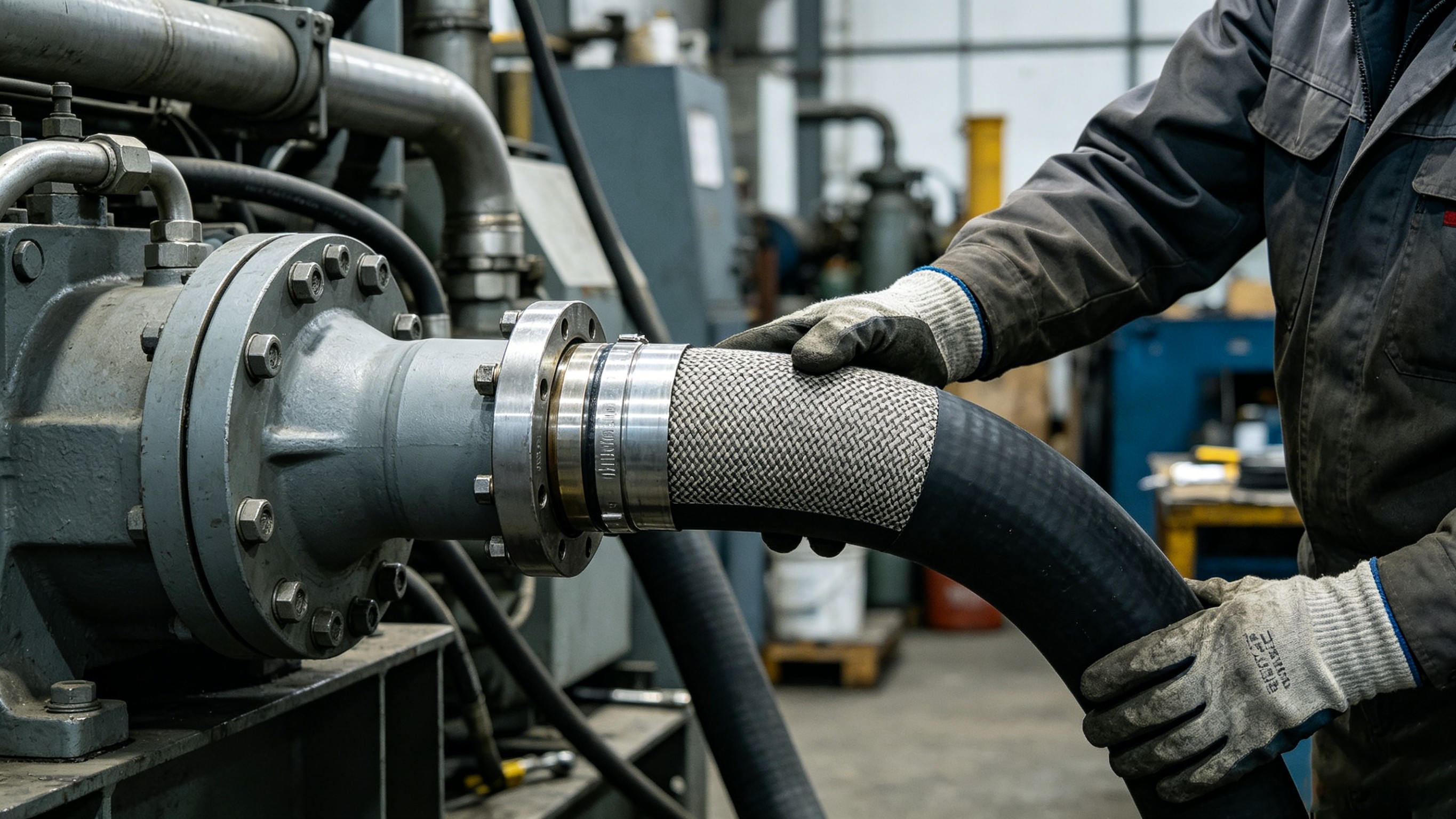
Fittings are as important as the hose body. Poor fitting selection or improper assembly can cause leakage or sudden failure.
Common considerations include:
.Thread type and size
.Connection standard
.Sealing method
.One-piece or reusable fittings
.Compatibility with high-pressure systems
.Assembly method and crimping requirements
Always ensure that the hose and fittings are matched according to the manufacturer's specifications. Mixing incompatible components can compromise safety.
7. Determine Required Length and Routing
Hose length should match the actual installation distance while allowing reasonable movement.
.Avoid excessive length, which can increase pressure loss and create tripping hazards.
.Avoid excessive tension, which can pull fittings and shorten service life.
.Allow enough slack for machine movement, vibration, or thermal expansion.
.Keep the hose away from sharp edges, hot surfaces, and moving parts.
Proper routing reduces mechanical stress and helps the hose perform more reliably over time.
8. Check Standards and Certification Requirements
Different industries and regions may have specific requirements for hose performance, testing, or documentation.
Before ordering, confirm whether your application requires:
.Specific pressure testing standards
.Material compliance documents
.Traceability records
.Industry-specific certifications
.Custom marking or packaging
If the hoses will be exported or used in regulated equipment, early confirmation helps avoid delays during procurement or installation.
Common Selection Mistakes to Avoid
.Choosing hose size without confirming system pressure.
.Ignoring fluid compatibility and temperature limits.
.Using low-pressure hoses in high-pressure systems.
.Bending the hose below its minimum bending radius.
.Reusing damaged or aged hoses in critical applications.
.Selecting fittings without confirming thread and sealing standards.
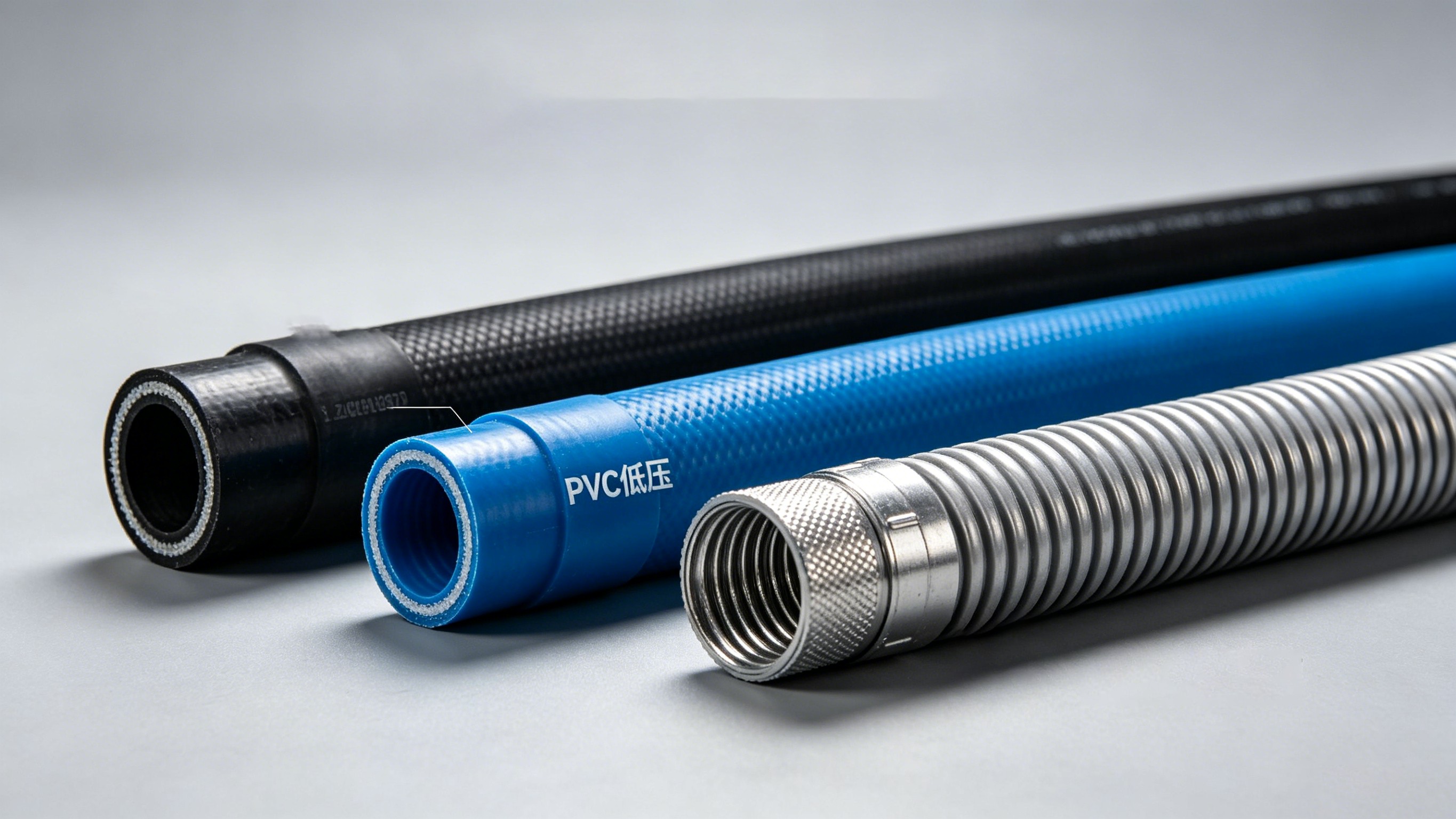
.Assuming all nylon hoses have the same performance across different grades.
Final Thoughts
Selecting the right nylon resin high-pressure hose is not only about pressure rating and size. A reliable choice also depends on fluid type, temperature, environment, fittings, routing, and application standards. Taking time to confirm these details can prevent costly failures and improve system safety.
If you are unsure which hose grade or fitting type best suits your system, feel free to share your working pressure, fluid medium, temperature range, hose length, and connection requirements. We can help recommend a suitable nylon resin high-pressure hose solution.