Why Material Handling and Dust Collection Systems Depend on the Right Hose
In woodworking machinery, dust removal equipment, pneumatic conveying, workshop ventilation, and material handling systems, hoses often handle abrasive media such as dust, particles, wood chips, plastic granules, and sand. If a hose does not have enough wear resistance, structural support, or collapse resistance, it may wear quickly, lose suction, become blocked, or fail earlier than expected.
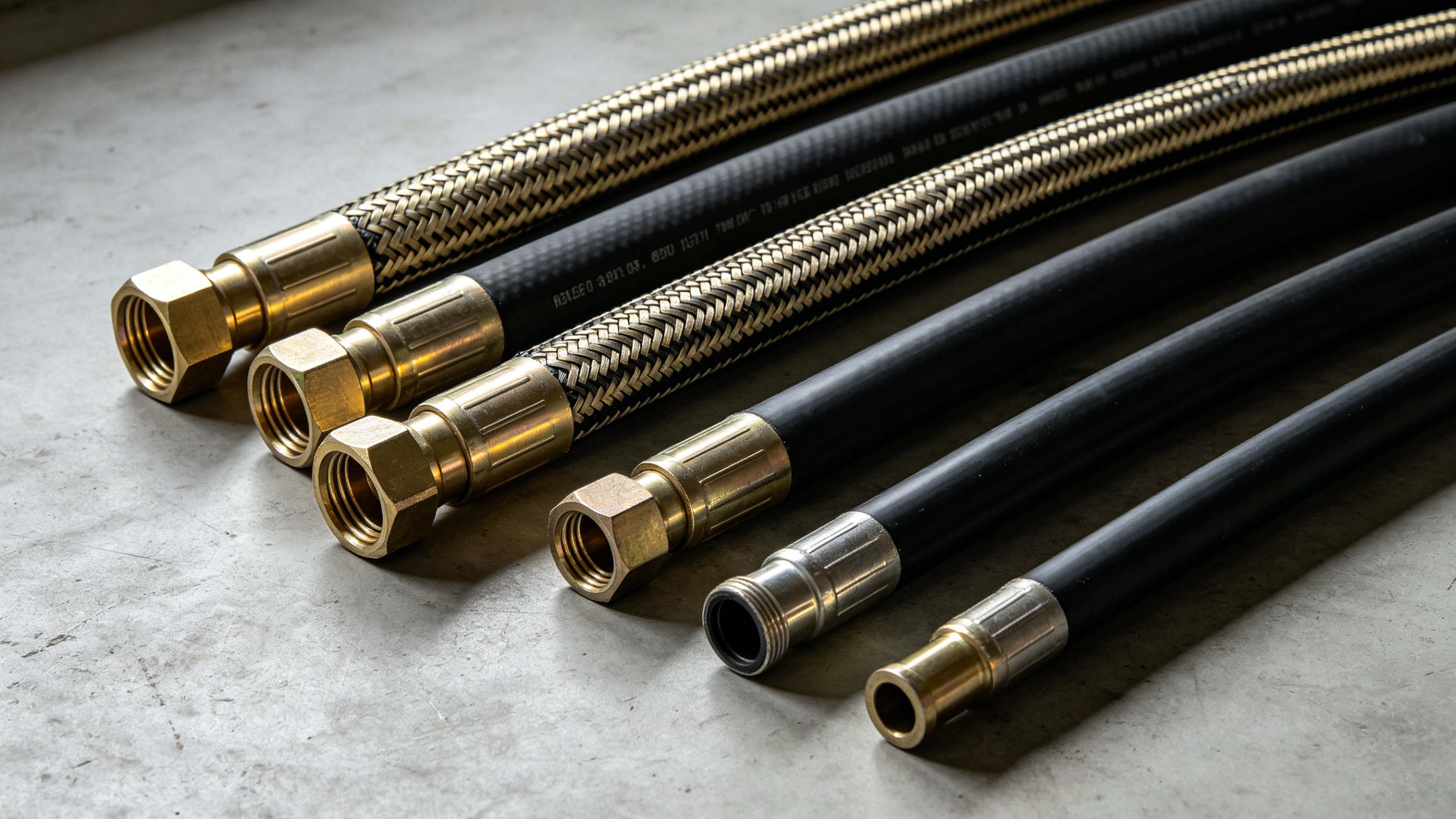
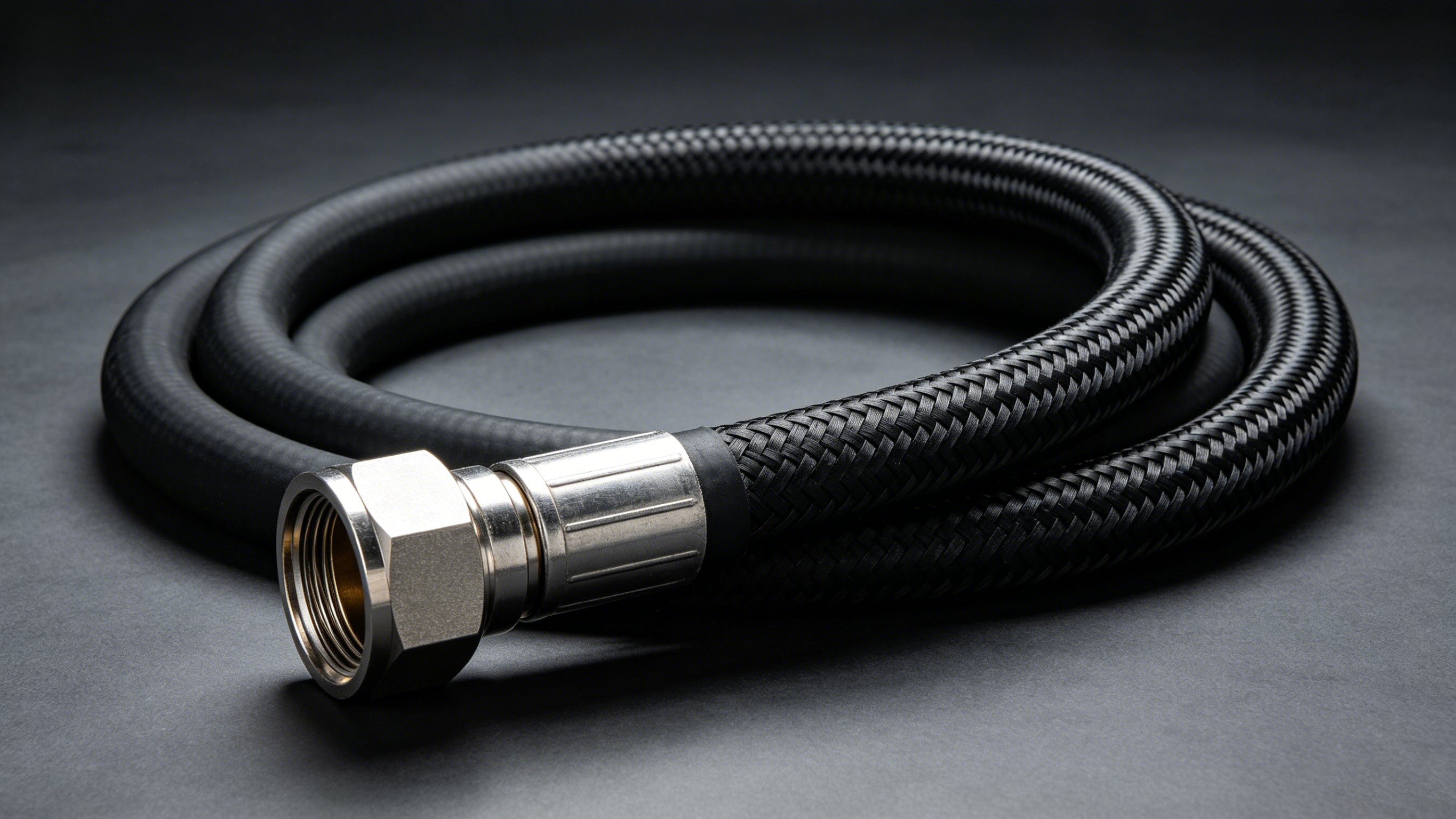
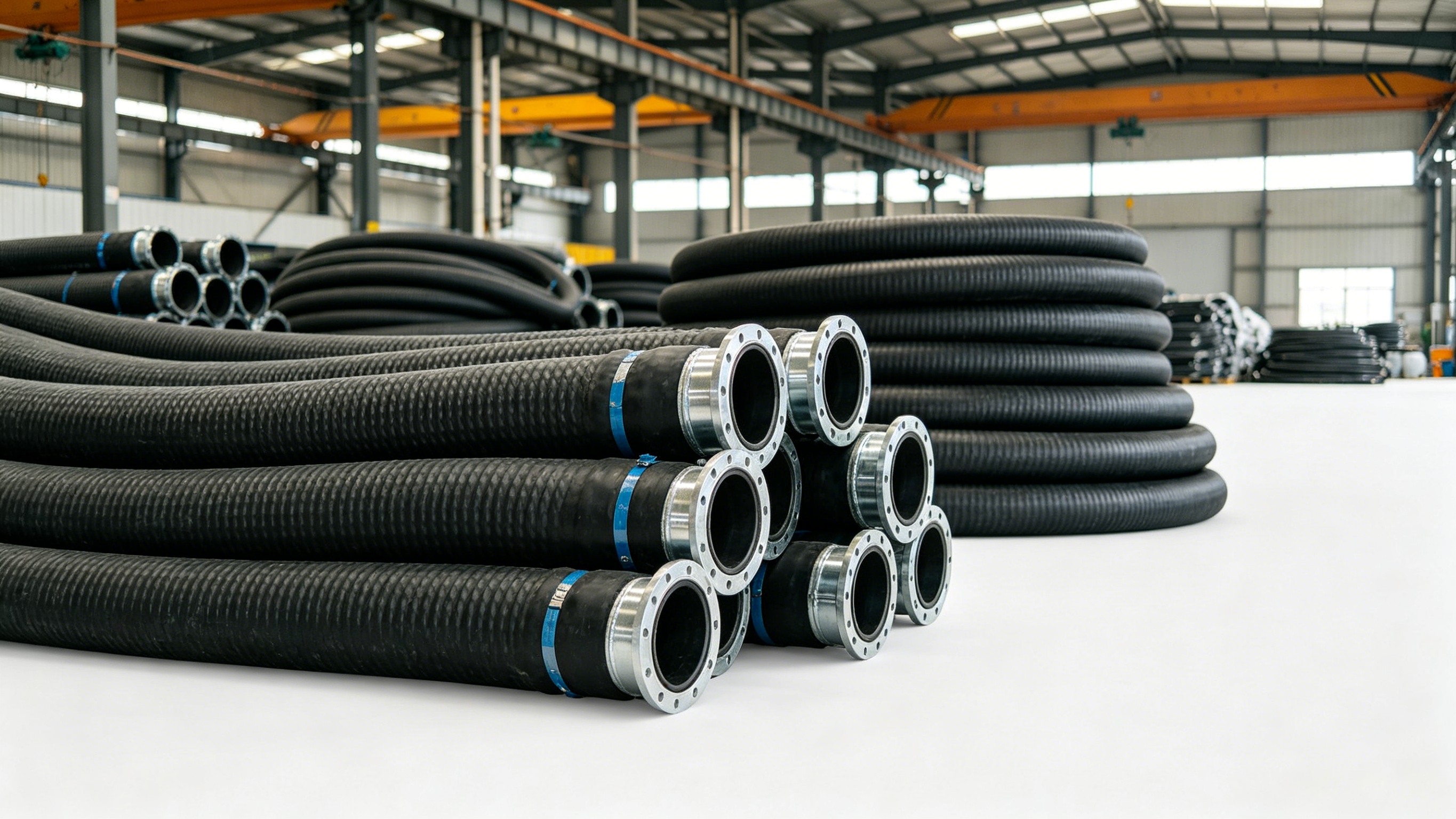
PU polyurethane steel wire hoses and PU polyurethane profile hoses are widely used in these applications because they offer a good balance between wear resistance, flexibility, support, and installation convenience.
Features of PU Polyurethane Steel Wire Hoses
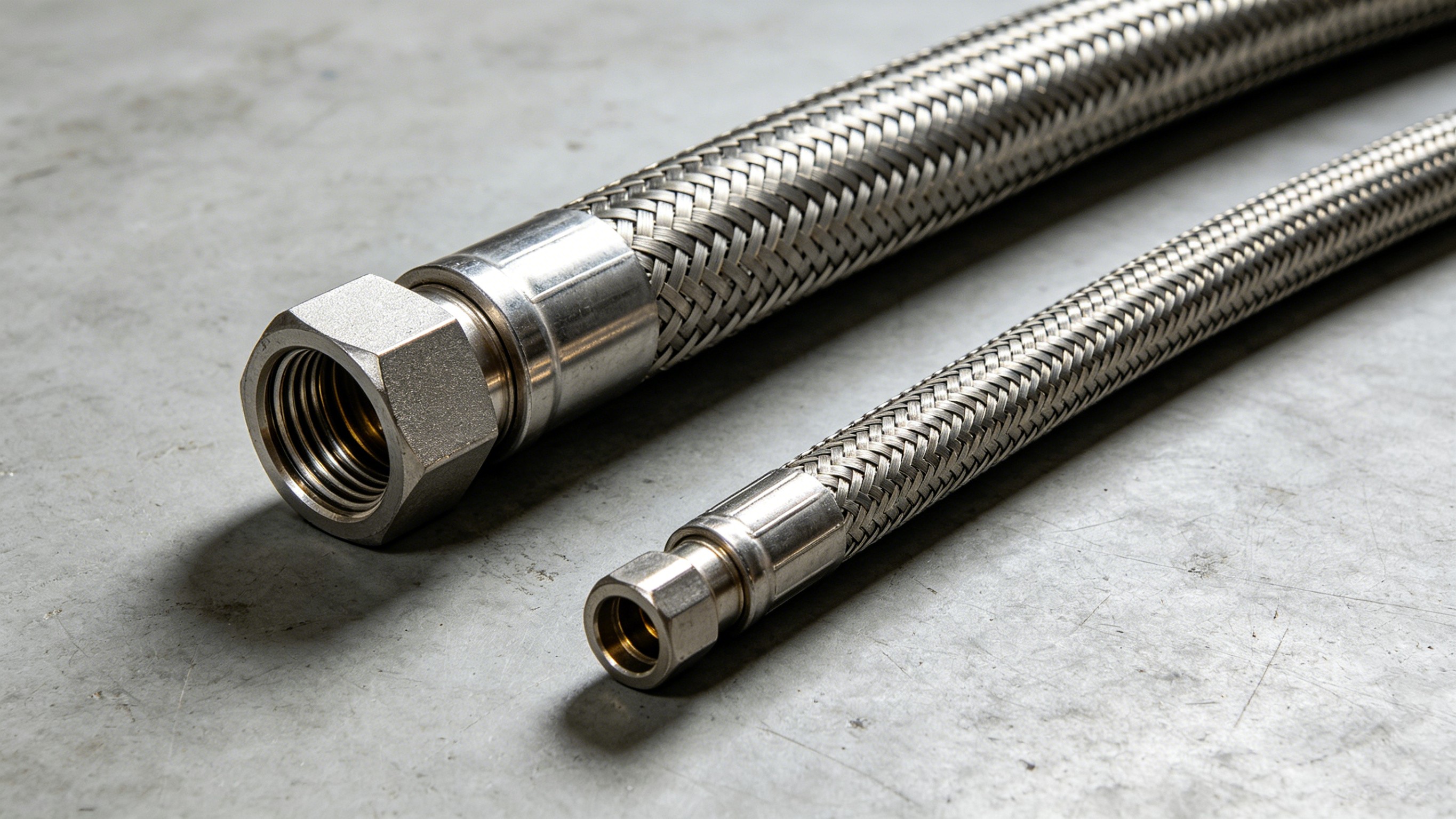
PU polyurethane steel wire hoses usually combine polyurethane material with a spiral steel wire support structure. The steel wire helps the hose keep its round shape and reduces the risk of collapse under negative pressure or bending.
Key advantages include:
Good wear resistance for wood chips, dust, granules, powders, and similar media.
Steel wire support to resist collapse in suction and negative-pressure applications.
Good flexibility for equipment connection and mobile use.
Transparent or semi-transparent appearance in some types, allowing visual monitoring of material flow.
Wide application range for dust extraction, material transfer, exhaust air, and industrial dust collection systems.
They are commonly used in woodworking workshop dust collection, plastic granule conveying, powder handling, industrial vacuum systems, and ventilation exhaust lines.
Features of PU Polyurethane Profile Hoses
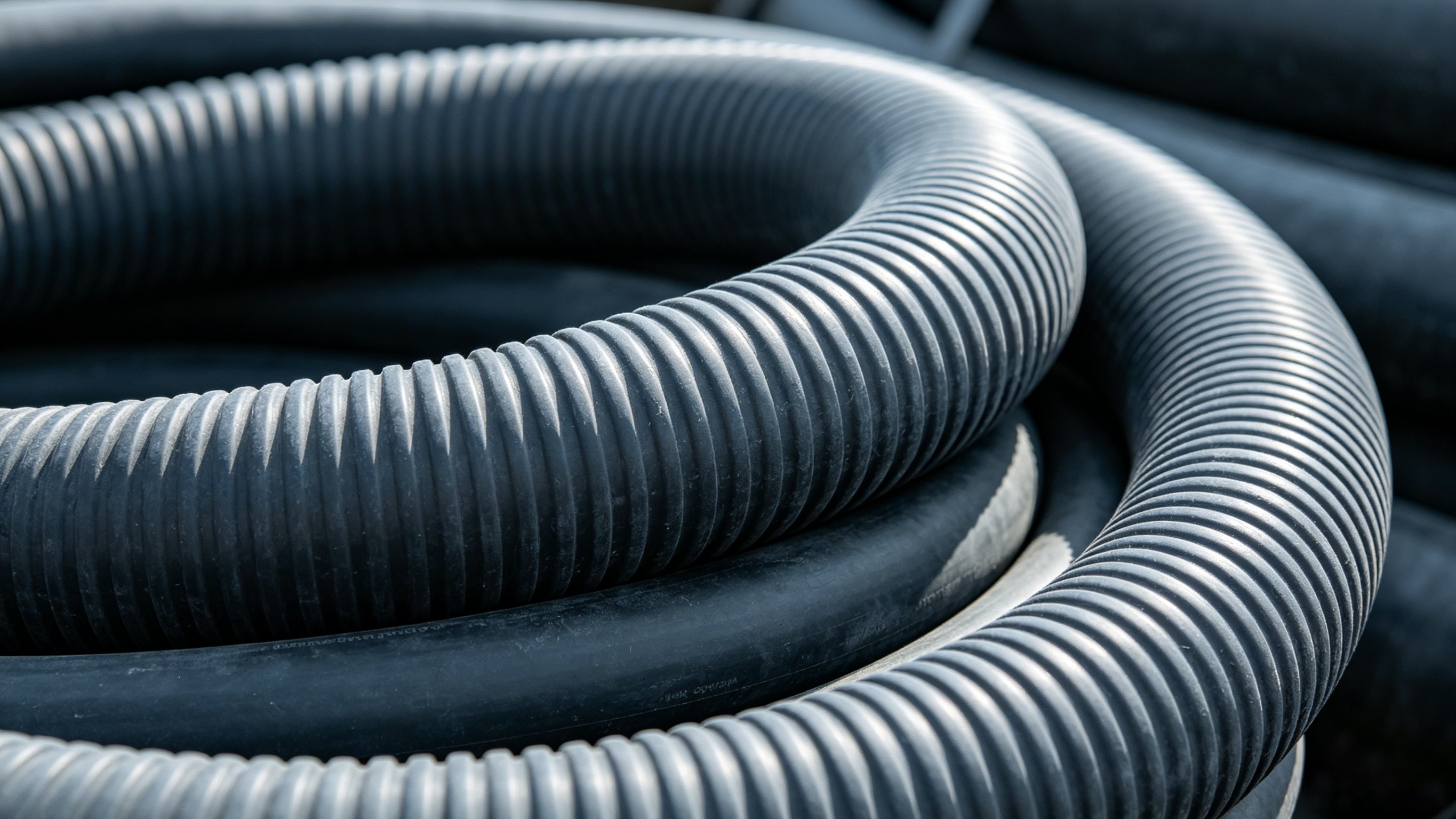
PU polyurethane profile hoses usually have a reinforced profile structure that provides stable support and good flexibility. Compared with some general-purpose hoses, they are more suitable for applications that require frequent bending, movement, or alternating suction and exhaust.
Main advantages include:
Stable structural support to reduce flattening during bending.
Good flexibility for equipment connection, mobile suction, and temporary exhaust.
Relatively light weight for easier installation and handling.
Suitable for ventilation and dust collection in workshop dust extraction, equipment suction, and material transfer.
In woodworking machinery, furniture factories, plastic processing, packaging equipment, and small dust collection systems, profile hoses are often used to connect fans, dust collectors, and processing equipment.
Typical Application Scenarios
Woodworking Machinery and Furniture Factories
Sawing, sanding, edge banding, and carving generate large amounts of wood chips and dust. PU polyurethane steel wire hoses and profile hoses can connect processing equipment to dust collection systems, helping remove dust promptly and improve workshop conditions.
Plastic and Granule Conveying
In plastic processing, injection molding auxiliary equipment, and granule conveying systems, hoses must handle particle abrasion and certain negative pressure. A steel wire support structure helps keep the pipeline open and reduces blockage risk.
Powder and Material Handling
In food, chemical, pharmaceutical, building materials, and related industries, powders and granules can wear the hose wall during transfer. Choosing a polyurethane hose with good wear resistance can help extend service life.
Workshop Ventilation and Industrial Vacuum Cleaning
For mobile vacuum cleaning, equipment exhaust, or temporary ventilation, both profile hoses and steel wire hoses provide good flexibility and allow quick connection between different workstations.
Key Parameters for Hose Selection
Media type: Confirm whether the hose will carry wood chips, dust, granules, powders, or other materials.
Particle size and concentration: Harder particles and higher concentrations require higher wear resistance.
Positive or negative pressure: Negative-pressure suction needs better collapse resistance.
Inner diameter and length: Inner diameter affects airflow and conveying efficiency, while length affects pressure loss.
Bending frequency: Stations with frequent movement or bending should use more flexible structures.
Temperature range: Confirm whether the medium and ambient temperature are within the hose service range.
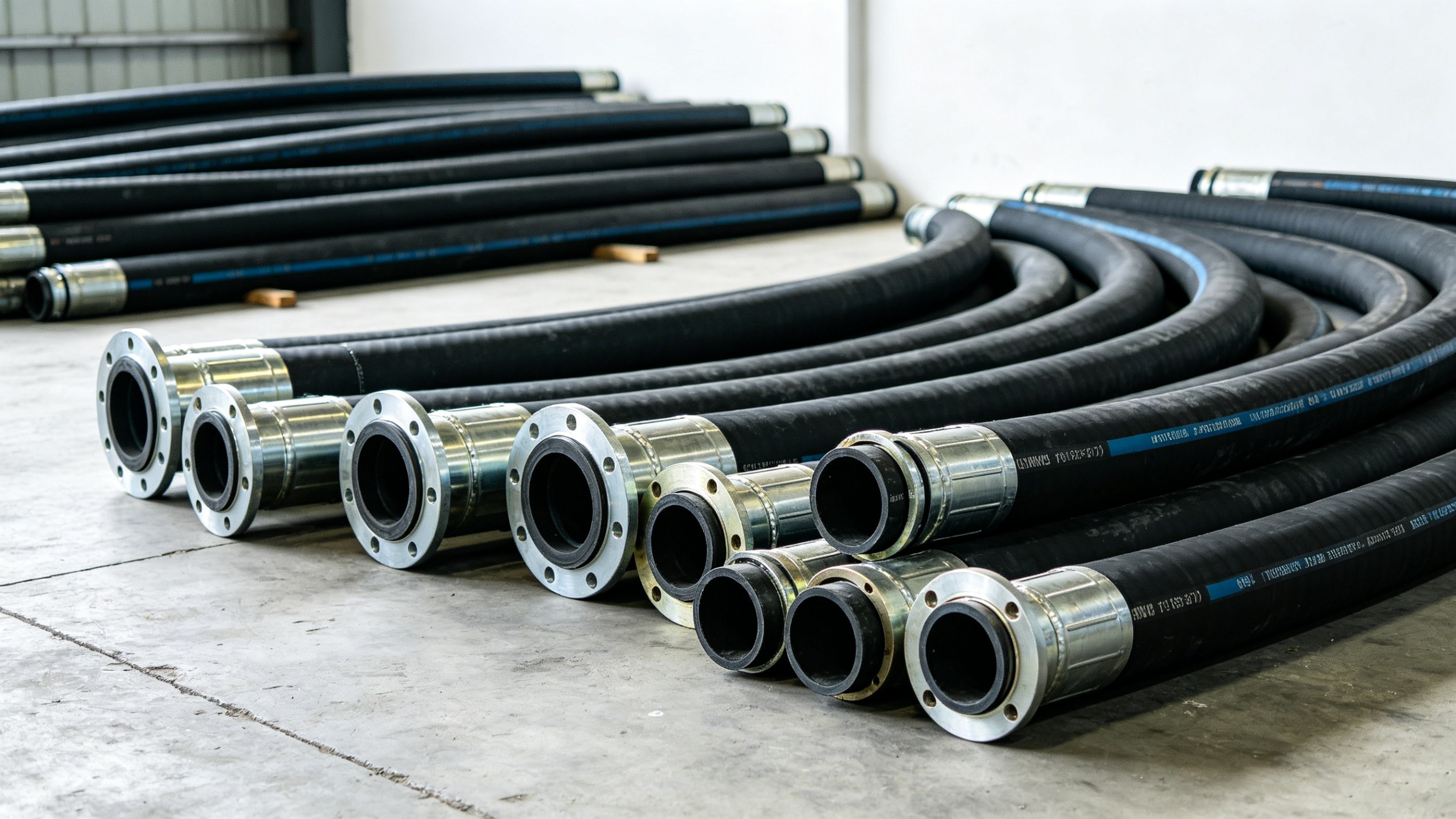
Fitting compatibility: Confirm how the hose connects to equipment, fans, dust collectors, or flanges.
Why a Source Factory Helps Match Working Conditions
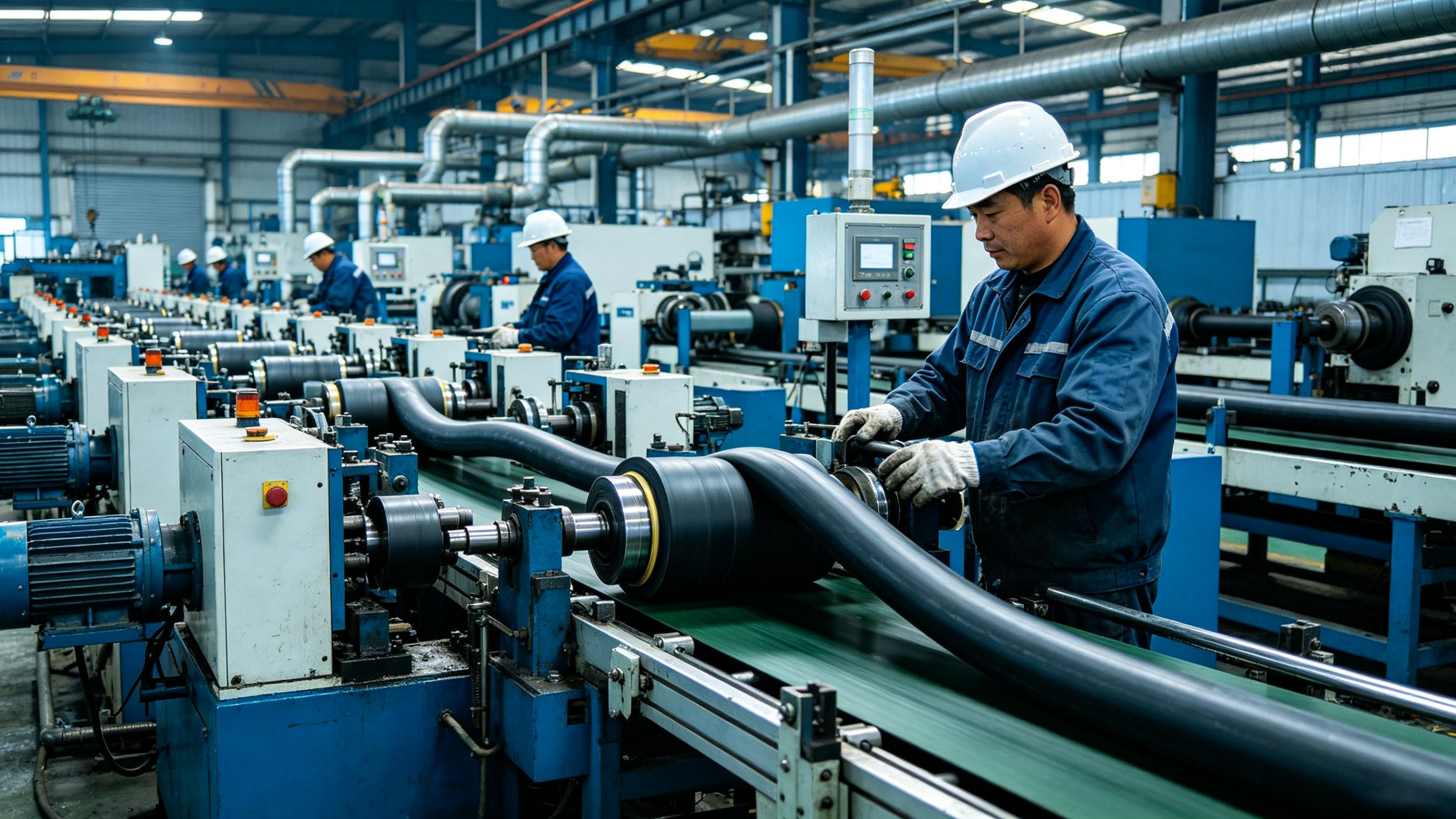
As a manufacturer of PU polyurethane steel wire hoses and profile hoses, we understand how different structures affect wear resistance, support, flexibility, and connection methods. Dust types, conveying distance, airflow requirements, and equipment interfaces vary across workshops, so selecting a hose only by appearance or inner diameter may not deliver the best performance.
By discussing actual working conditions with a source factory, you can confirm inner diameter, wall thickness, steel wire or profile structure, length, and fitting solution more quickly. For equipment matching, bulk purchasing, and workshop upgrades, this approach helps reduce trial costs and supports stable system operation.
Final Note
PU polyurethane steel wire hoses and profile hoses are not general-purpose accessories. They directly affect material handling efficiency, dust collection performance, and system stability. Choosing the right hose can reduce wear, lower blockage risk, and improve workshop environment management.
If your equipment has weak suction, fast hose wear, collapse after bending, or fitting mismatch, it may be time to review media type, negative-pressure requirements, hose size, and connection method.