Application of Nylon Resin Test Hoses in Hydraulic System Pressure Testing
In the installation, commissioning, maintenance, and fault diagnosis of hydraulic equipment, pressure testing is an essential and critical step. Whether for construction machinery, injection molding equipment, hydraulic power units, test benches, mining machinery, agricultural machinery, or automated production lines, accurate system pressure information must be obtained through test points. As a key component connecting pressure gauges, sensors, or testing instruments, the performance of nylon resin test hoses directly affects the accuracy of measurement data and the safety of on-site operations.
Structural Features of Nylon Resin Test Hoses
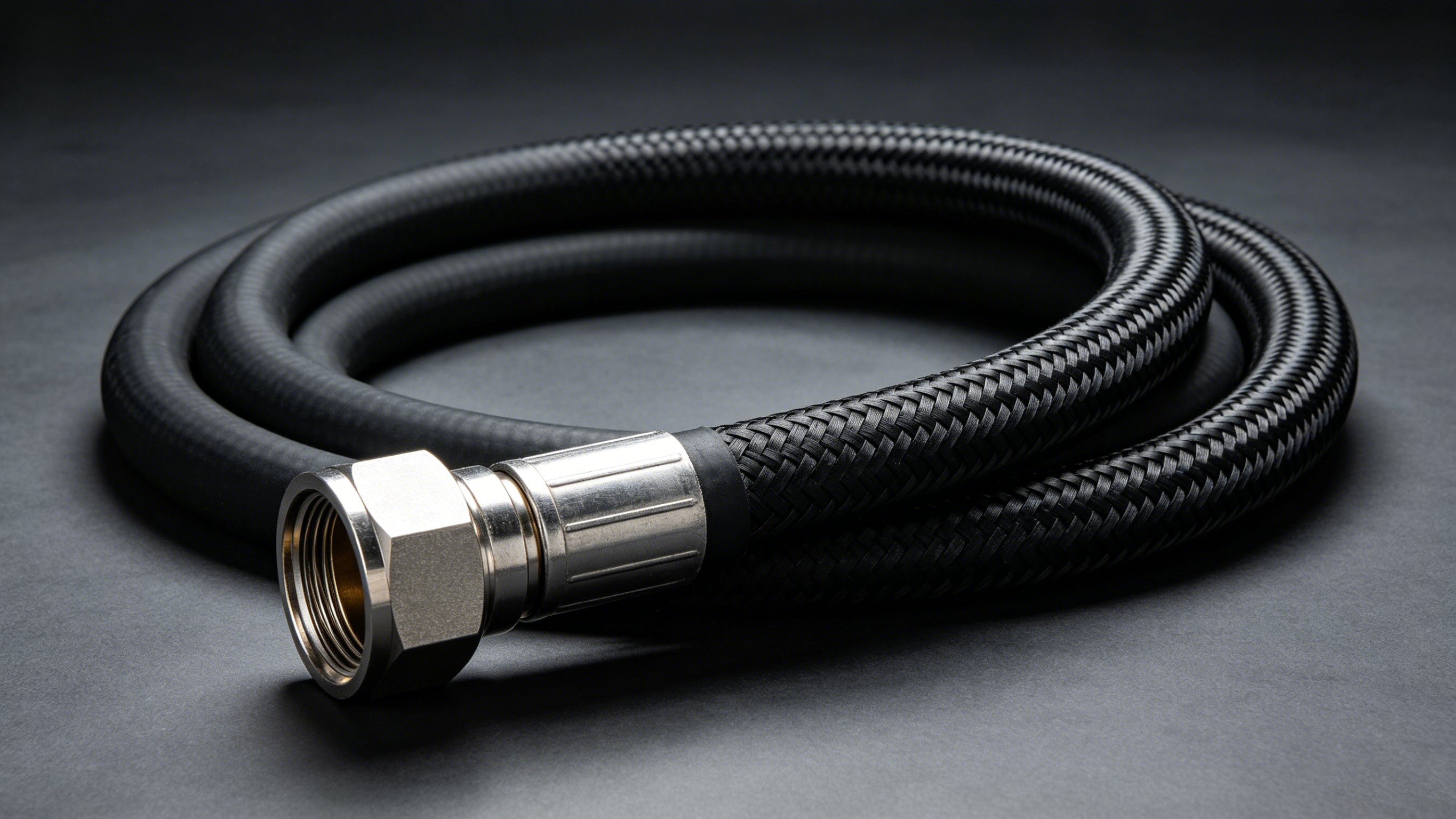
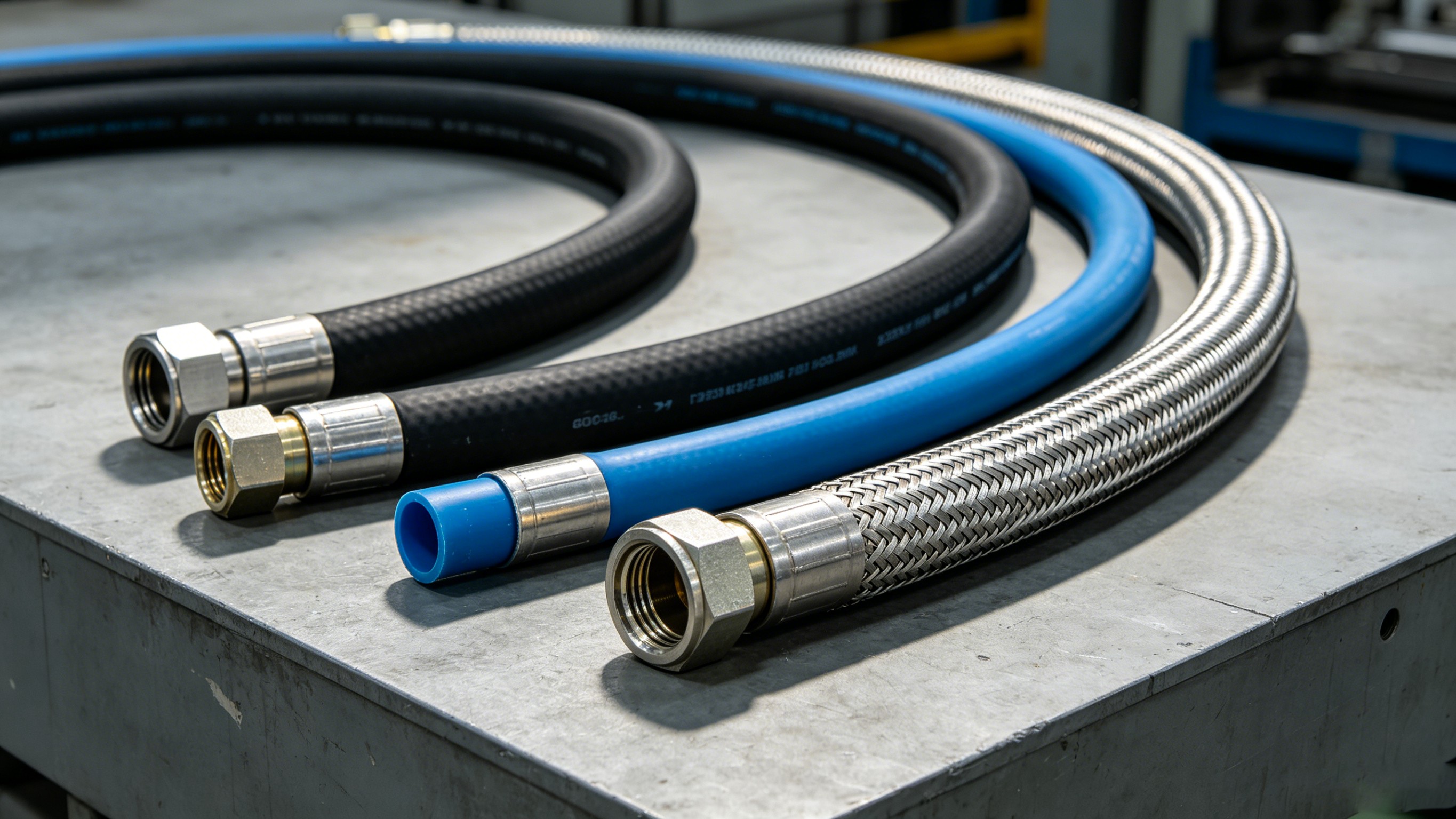
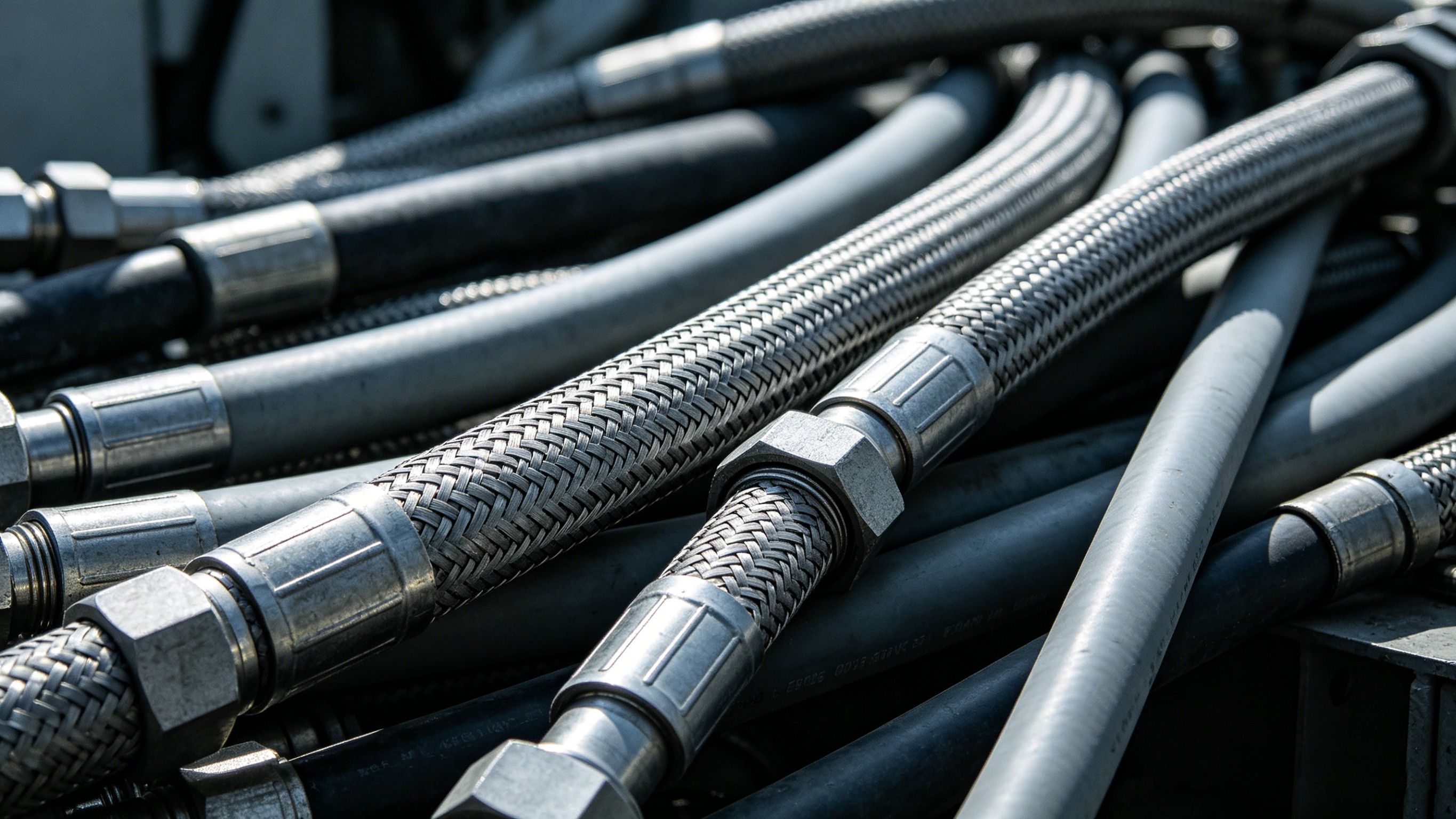
Nylon resin test hoses typically adopt a multi-layer structure design. The inner layer is responsible for contacting hydraulic oil and other media, the reinforcement layer is used to withstand pressure, and the outer layer provides wear resistance, contamination protection, and overall protection. Compared with ordinary hydraulic hoses, test hoses place greater emphasis on pressure response stability, fitting sealing reliability, and durability under frequent connection and disconnection.
Main features include:
.Stable pressure resistance: Capable of meeting the pressure testing requirements during hydraulic system measurement.
.Compact structure: The hose body is relatively lightweight, making it easy to arrange and operate near equipment test ports.
.High sealing reliability: Test hoses are usually equipped with dedicated fittings that provide good sealing after connection, reducing leakage risks.
Good pulse resistance: Able to maintain stable performance under system pressure fluctuations or pulse conditions.
.Easy frequent connection and disconnection: Suitable for scenarios requiring multiple connections, such as equipment commissioning, regular inspection, and fault troubleshooting.
Typical Application Scenarios
Nylon resin test hoses are widely used in occasions requiring real-time or periodic hydraulic pressure testing, such as:
.Hydraulic system commissioning and pressure calibration
.Hydraulic circuit testing for construction machinery
.Pressure monitoring for injection molding machines, presses, and other equipment
.Connection for hydraulic test benches and testing equipment
.Daily maintenance and fault diagnosis of hydraulic power units
.Hydraulic system testing for mining equipment and agricultural machinery
.Pressure testing before equipment delivery
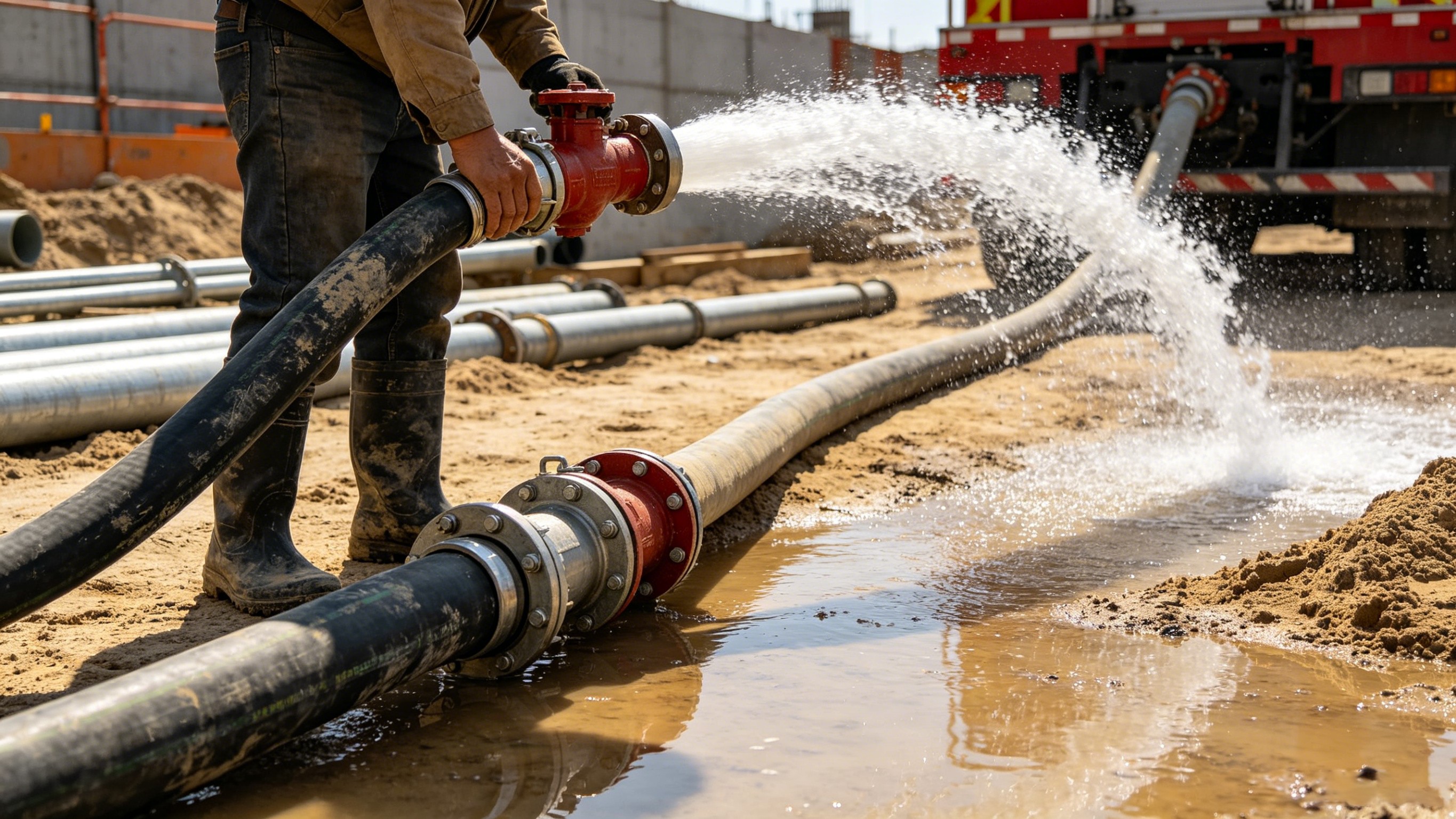
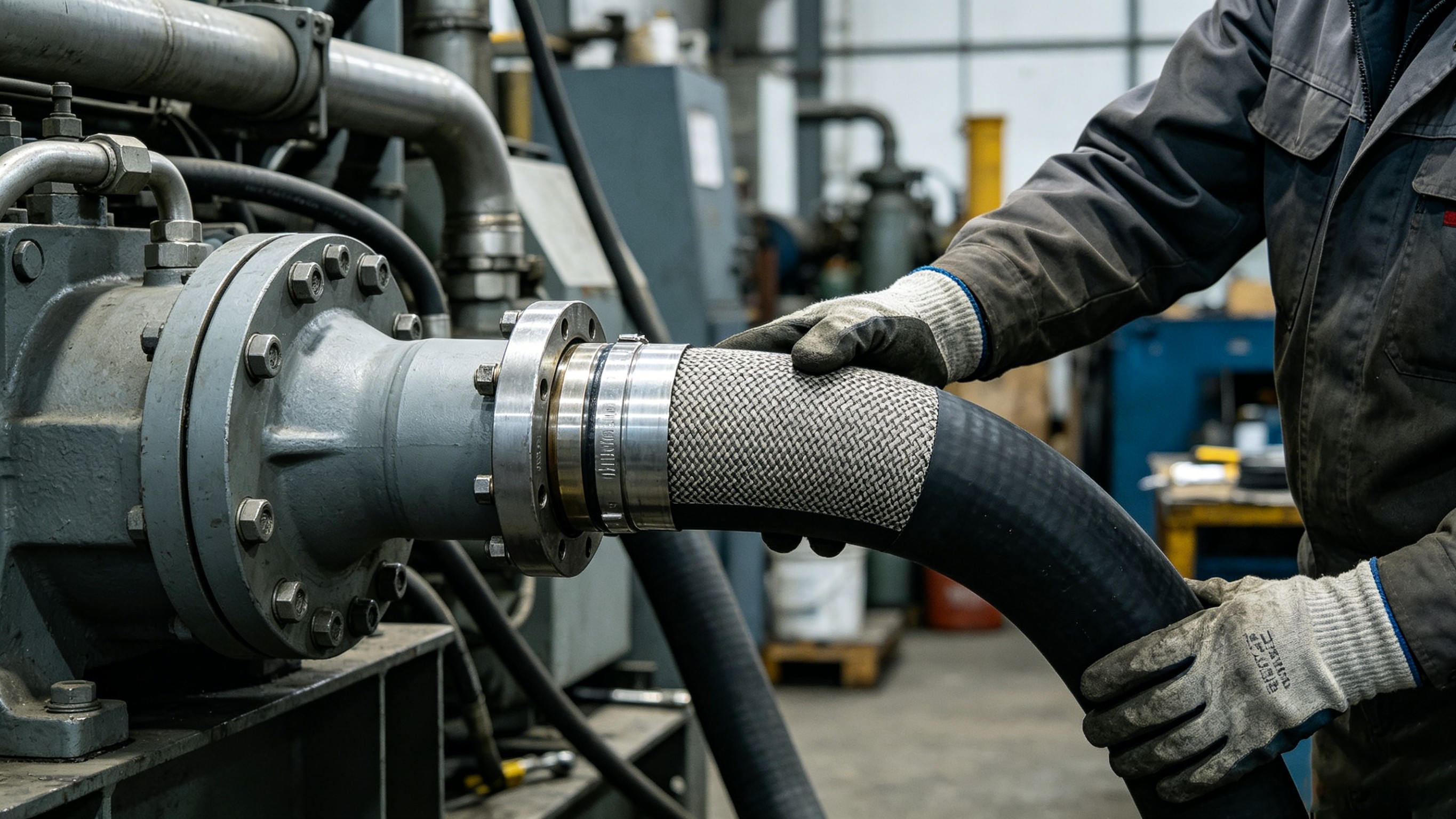
In actual use, test hoses are typically connected between equipment test ports and pressure gauges, digital pressure meters, or pressure sensors to read system working pressure, peak pressure, or abnormal pressure changes.
Key Points to Consider During Selection
1.Pressure rating matching
The rated pressure of the test hose should not be lower than the maximum working pressure of the tested system, with sufficient safety margin. For systems with pressure surges, peak pressure should be given special attention.
2.Fitting type and interface size
Test hose fittings must match the equipment test port, pressure gauge, or sensor interface. Common interface types and thread specifications should be confirmed based on actual equipment.
3.Medium compatibility
The inner layer material of the test hose should be compatible with hydraulic oil, lubricating media, or other system fluids to avoid performance degradation caused by medium incompatibility.
4.Working temperature range
Hydraulic system operating temperatures may vary with equipment running conditions. During selection, confirm whether the hose can work stably within the actual temperature range.
5.Bending radius and operational convenience
Testing workspaces are sometimes confined. The hose should have appropriate flexibility for easy connection and reading, while avoiding excessive bending that could affect service life.
6.Pulse resistance and fatigue resistance
For conditions requiring frequent testing or long-term connection, test hoses with good pulse resistance should be selected to reduce the risk of failure caused by pressure fluctuations.
Usage and Safety Precautions
Pressure testing involves hydraulic system pressure, and special attention should be paid to operational standards during use:
.Confirm that test ports and fittings are clean before connection to prevent contaminants from entering the system;
.Ensure fittings are properly tightened during installation to prevent leakage under high pressure;
.Do not exceed the rated pressure during testing to avoid damage to the hose or fittings;
.Confirm that the system has been fully depressurized before disassembly;
.Regularly check the hose surface for wear, bulging, cracks, or loose fittings;
.Replace immediately if abnormalities are found; do not continue using damaged hoses.
Conclusion
Nylon resin test hoses are important accessories commonly used in hydraulic system pressure testing and maintenance. With their compact structure, stable pressure resistance, and reliable connection, they are suitable for various conditions including equipment commissioning, routine inspection, and fault diagnosis. Correct selection, standardized connection, and regular inspection can help improve pressure testing accuracy and ensure the safety and efficiency of hydraulic system maintenance operations. For hydraulic equipment manufacturers and service providers, choosing test hoses that meet working condition requirements is an important step in improving equipment maintenance quality.