Nylon Resin High-Pressure Hoses: Structure, Performance Advantages, and Industrial Selection Guide
What Is a Nylon Resin High-Pressure Hose?
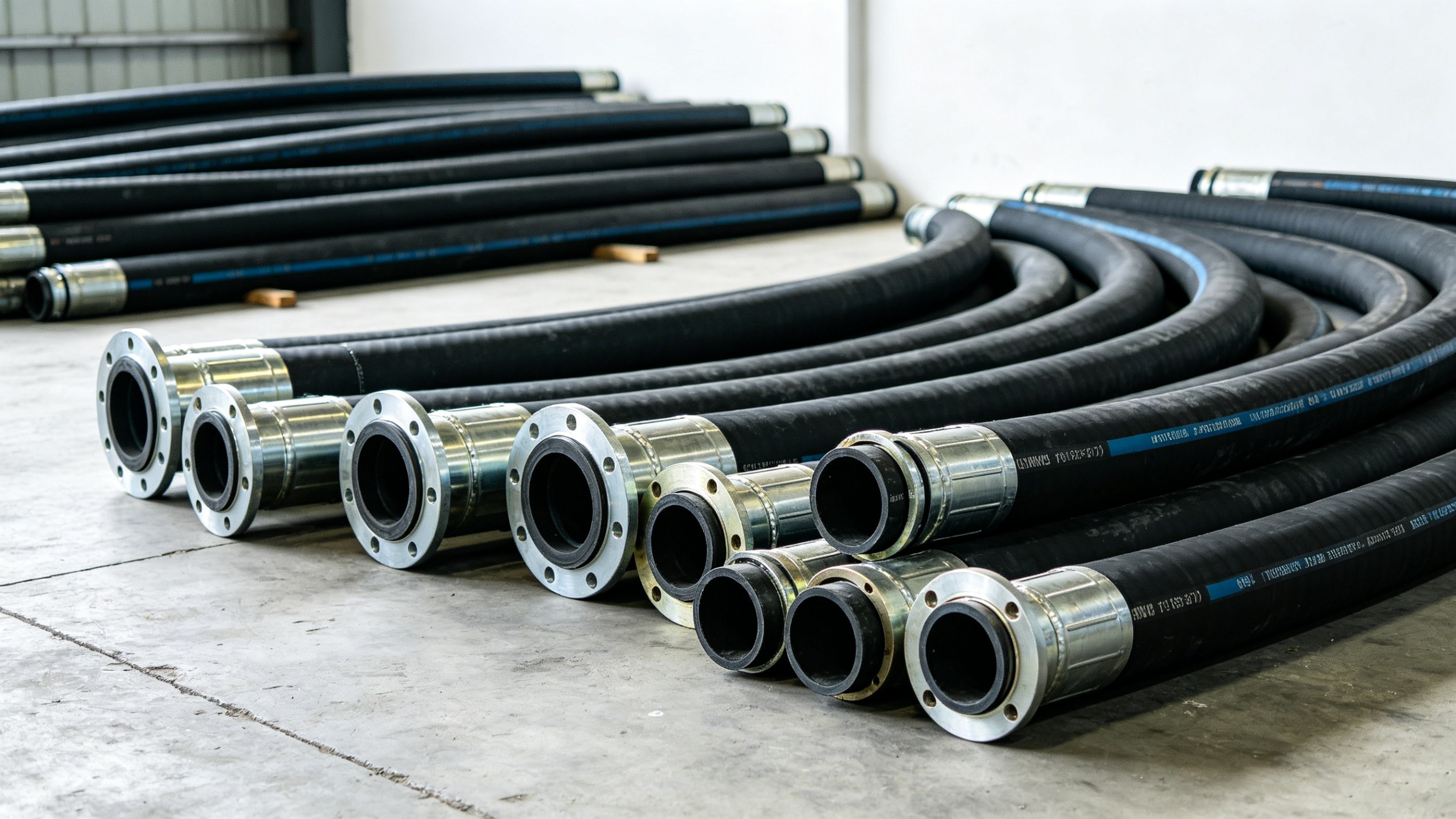
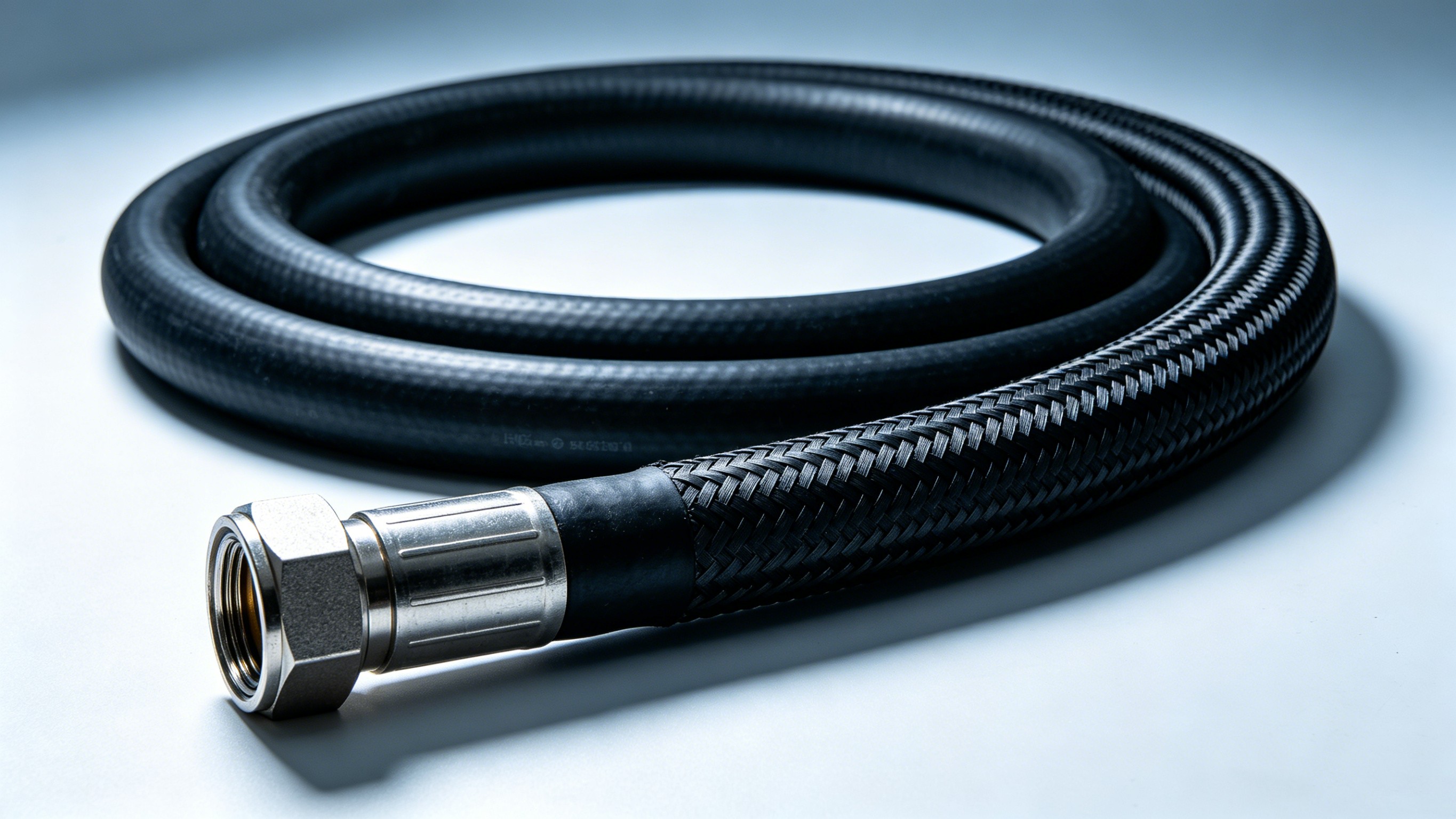
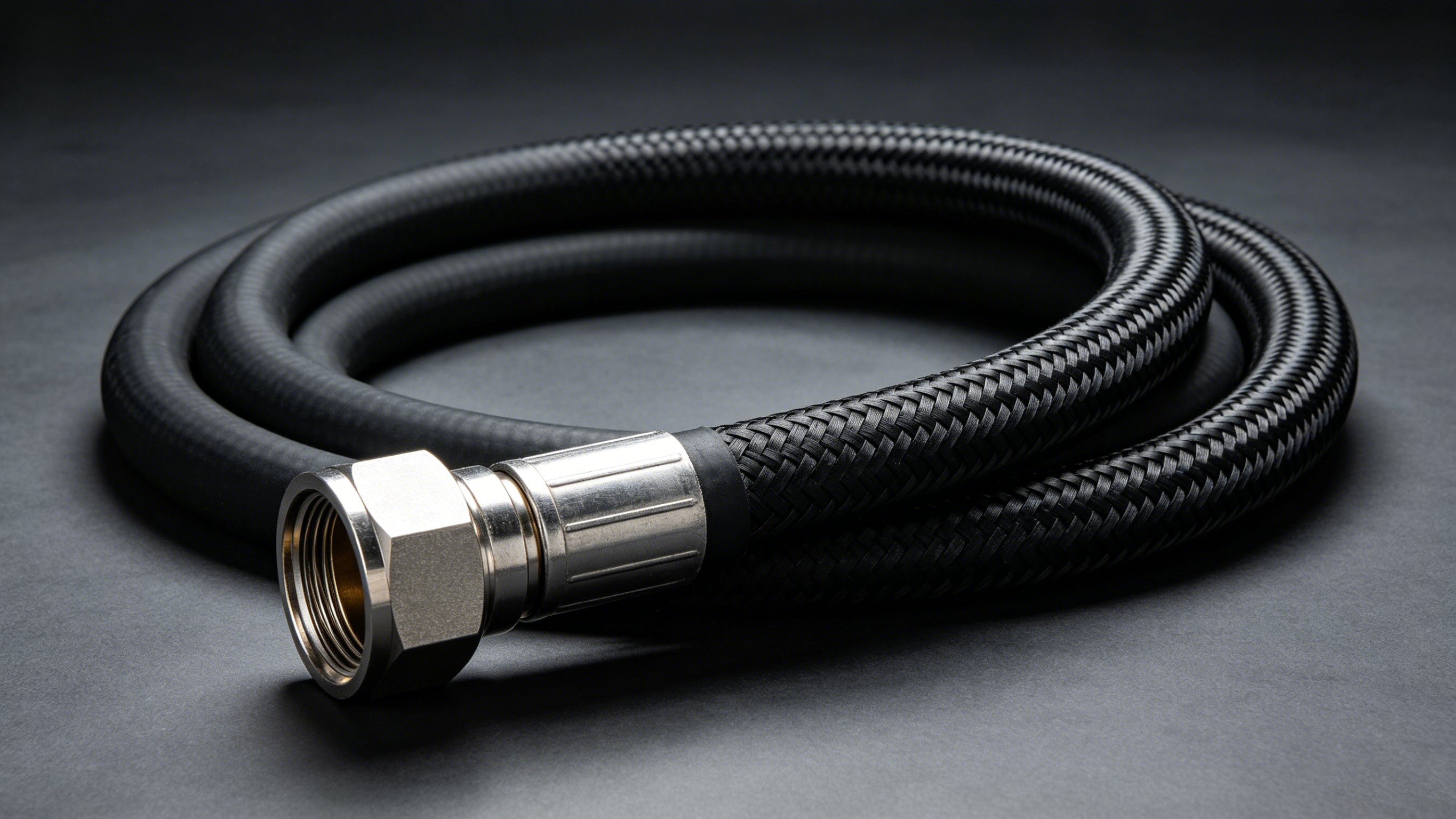
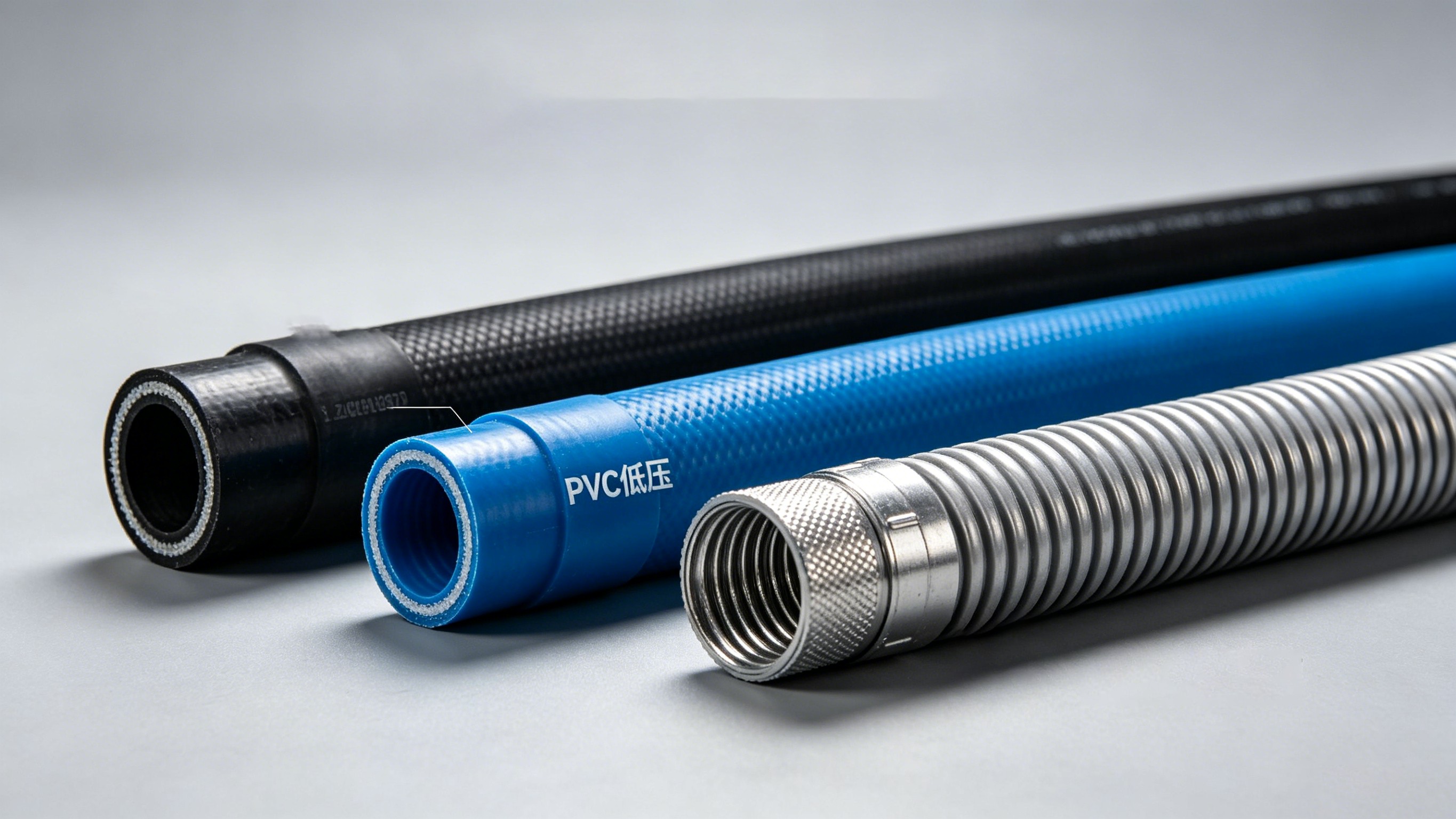
A nylon resin high-pressure hose is a type of high-pressure fluid transfer hose made primarily from nylon (polyamide, PA) resin, formed by extrusion and combined with reinforcement layers and fittings. Compared with rubber high-pressure hoses, nylon resin high-pressure hoses offer advantages such as lighter weight, high pressure resistance, good oil resistance, smooth inner walls, and small bending radii. They are widely used in hydraulic systems, high-pressure cleaning, pressure gauge and instrument connections, spraying equipment, and industrial fluid transfer.
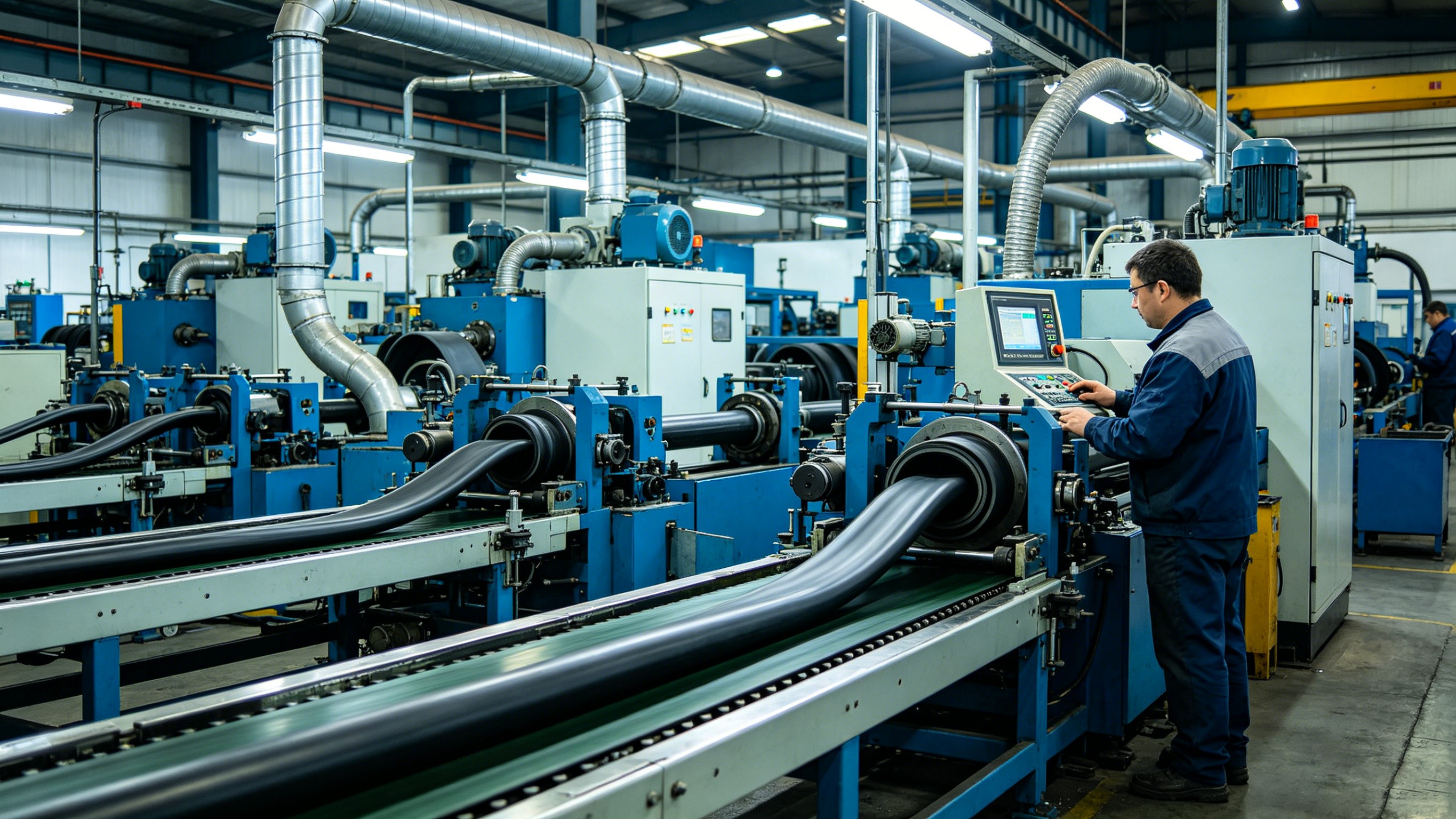
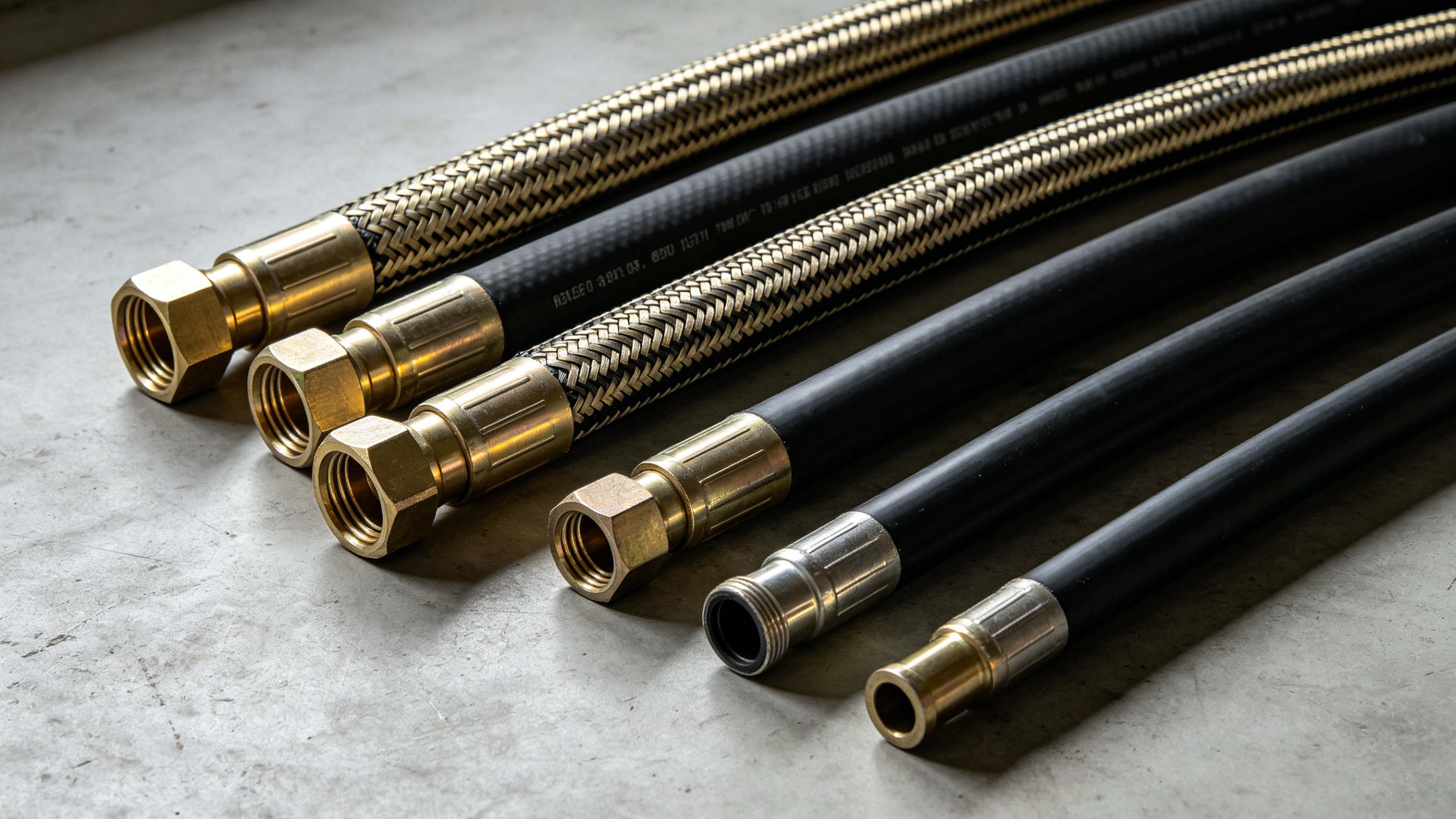
Our factory produces nylon resin high-pressure hoses in single-layer and multi-layer reinforced structures, customizable according to working pressure, media temperature, and operating environment, and compatible with a variety of industrial fitting types.
Core Performance Advantages of Nylon Resin High-Pressure Hoses
Outstanding pressure resistance: Nylon resin itself has high mechanical strength, and with reinforcement layer structures, it can meet medium- to high-pressure and even ultra-high-pressure working conditions, suitable for hydraulic transmission and high-pressure cleaning systems.
Lightweight and flexible: Compared with rubber high-pressure hoses of the same specification, nylon hoses are lighter and have smaller bending radii, making routing and installation in tight spaces easier and reducing the overall load on the piping system.
Oil and chemical resistance: Nylon has good resistance to mineral oils, greases, and various chemical media, making it suitable for transferring hydraulic oil, water-based fluids, and similar media.
Smooth inner wall and low flow loss: The smooth inner wall of nylon hose results in low fluid resistance, helping maintain stable system pressure and reduce energy consumption.
Wide temperature range: With proper selection, nylon resin high-pressure hoses can adapt to a relatively wide temperature range; specific temperature capability should be determined based on media, pressure, and operating environment.
Long service life and low maintenance cost: Under correct installation and use conditions, nylon high-pressure hoses offer good fatigue resistance, reducing replacement frequency and downtime maintenance costs.
Typical Application Scenarios for Nylon Resin High-Pressure Hoses
Hydraulic systems: Hydraulic oil line connections for construction machinery, machine tools, and automated equipment;
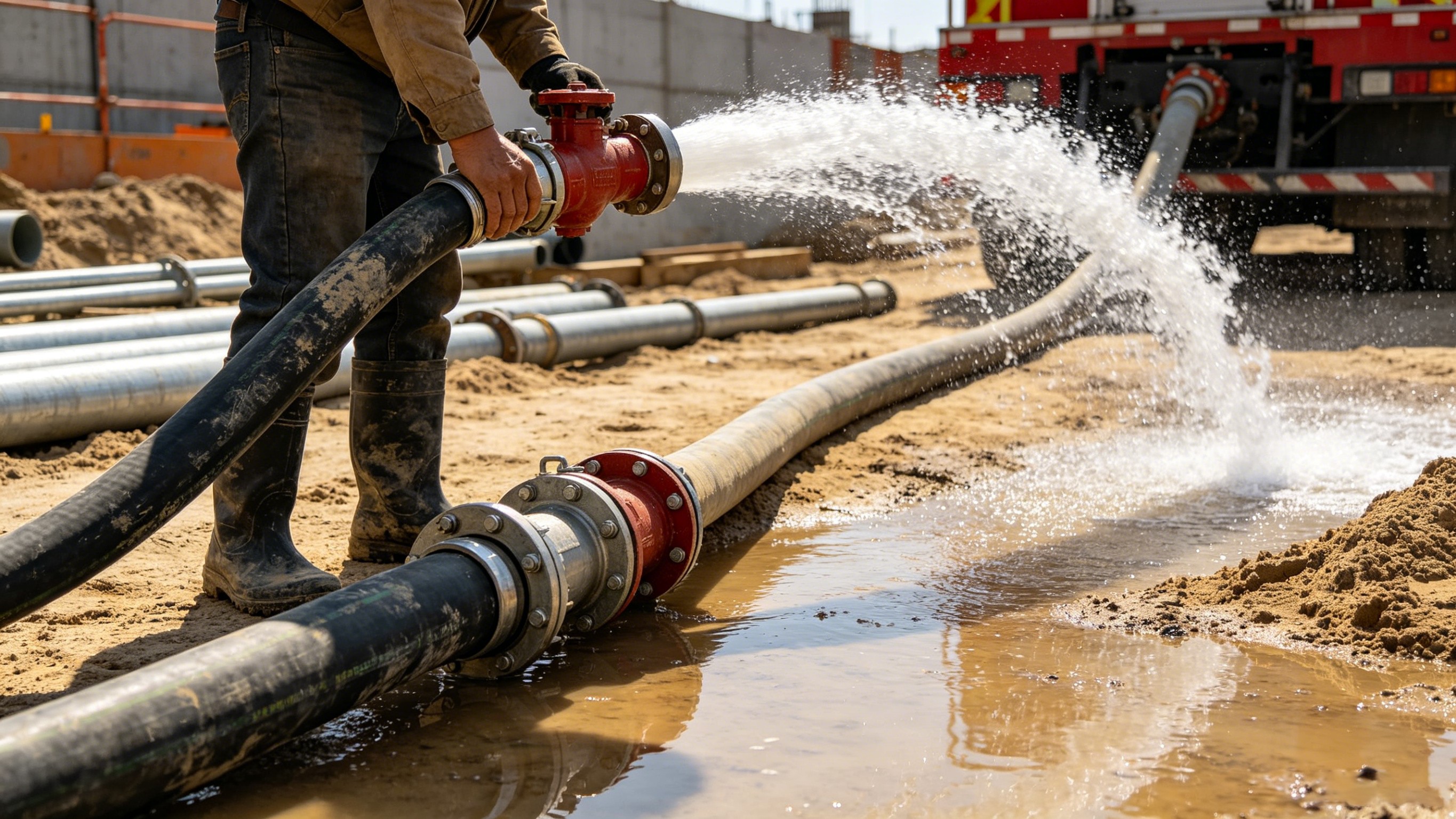
High-pressure cleaning: Water supply lines for high-pressure washers and ultra-high-pressure water jet equipment;
Pressure testing and instrument connections: Used with pressure gauges, sensors, and pressure-testing hoses;
Spraying and fluid transfer: Medium- and high-pressure transfer of coatings, solvents, and industrial fluids;
Automotive and industrial assembly: Brake, steering, and test bench line connections.
Selection Tips: How to Choose the Right Nylon Resin High-Pressure Hose
Determine working pressure and safety factor: Select the appropriate pressure rating based on the system's maximum working pressure, and allow a safety margin to avoid long-term full-load operation.
Clarify media and temperature: Different media have different compatibility with nylon materials; for high-temperature conditions, confirm the hose's temperature limit and pressure derating.
Choose the right inner diameter and length: An inner diameter that is too small increases flow resistance, while one that is too large affects response speed; length should be determined based on routing path and bending radius.
Fitting compatibility and connection method: Fitting material, sealing type, and crimping process directly affect connection reliability; choose fittings matched to the hose and ensure proper crimping.
Consider the operating environment: For outdoor, humid, abrasive, or frequently moving conditions, evaluate the hose's wear resistance, UV resistance, and fatigue resistance.
Common Issues and Use/Maintenance Recommendations
Avoid excessive bending: A bending radius that is too small can damage the reinforcement layer; follow the specified maximum bending radius.
Prevent stress concentration at fittings: Avoid lateral pulling forces on fittings during installation; add fixation or protective sleeves when necessary.
Regular inspection: Check for outer wall wear, bulging, leakage, and loose fittings; replace promptly if abnormalities are found.
Proper storage: Avoid prolonged exposure to sunlight, high temperatures, and contact with sharp objects; store in a cool, dry place.
Conclusion
With advantages such as high pressure resistance, light weight, and good oil resistance, nylon resin high-pressure hoses have become an important piping choice in hydraulic, cleaning, and pressure-testing fields. When selecting, comprehensively consider pressure, media, temperature, fittings, and operating environment; when necessary, consult our technical staff for tailored product solutions and technical support.
Our factory specializes in producing nylon resin high-pressure hoses, nylon resin pressure-testing hoses, PU polyurethane steel wire duct hoses, PU polyurethane ribbed hoses, ultra-high-pressure cleaning hoses, and TPV rubber hoses. We welcome your inquiries and cooperation.