Signs Your Industrial Hose Needs Replacement—and How to Maintain It for Longer Service Life
1. Why Hose Maintenance Matters
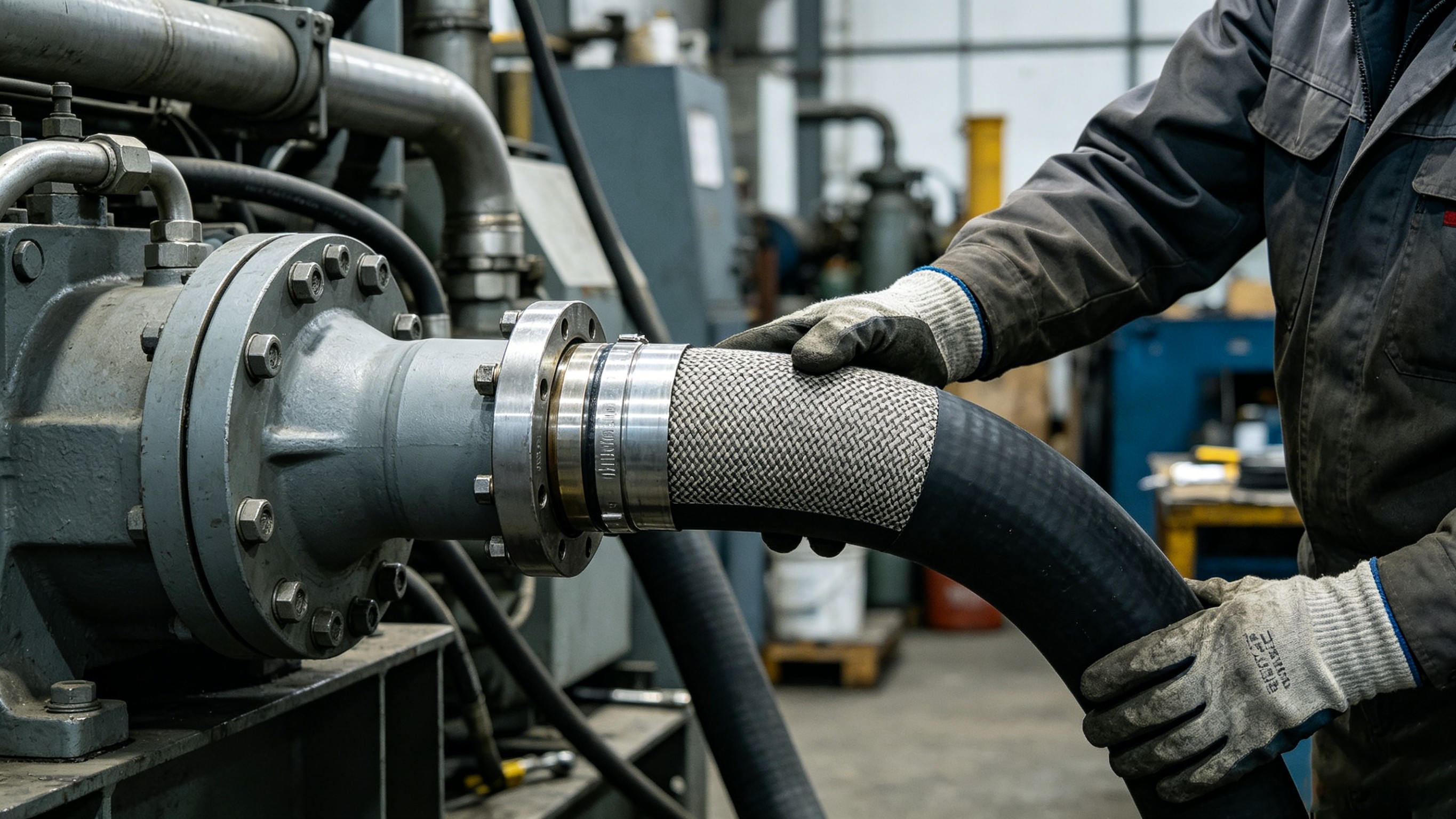
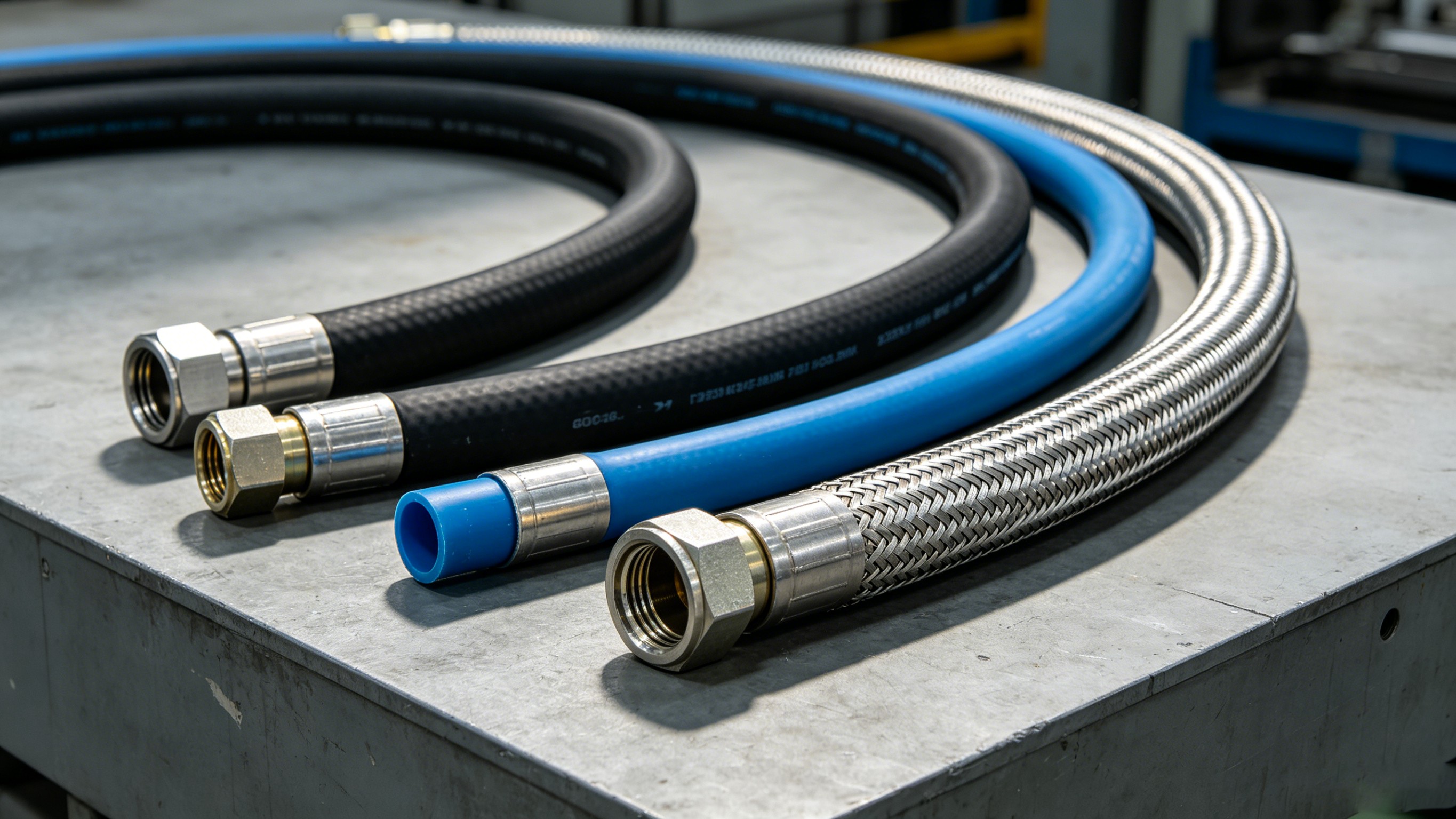
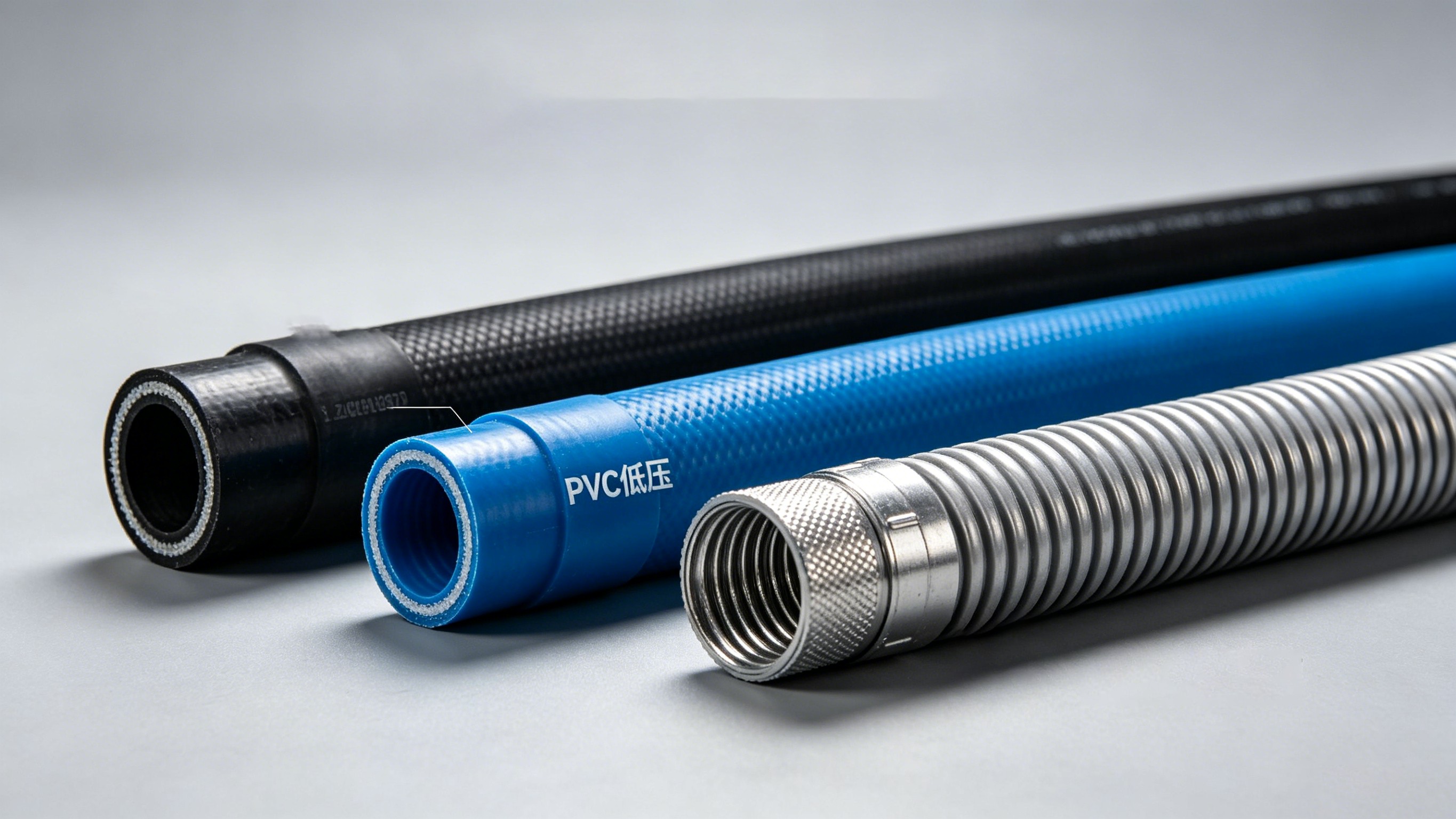
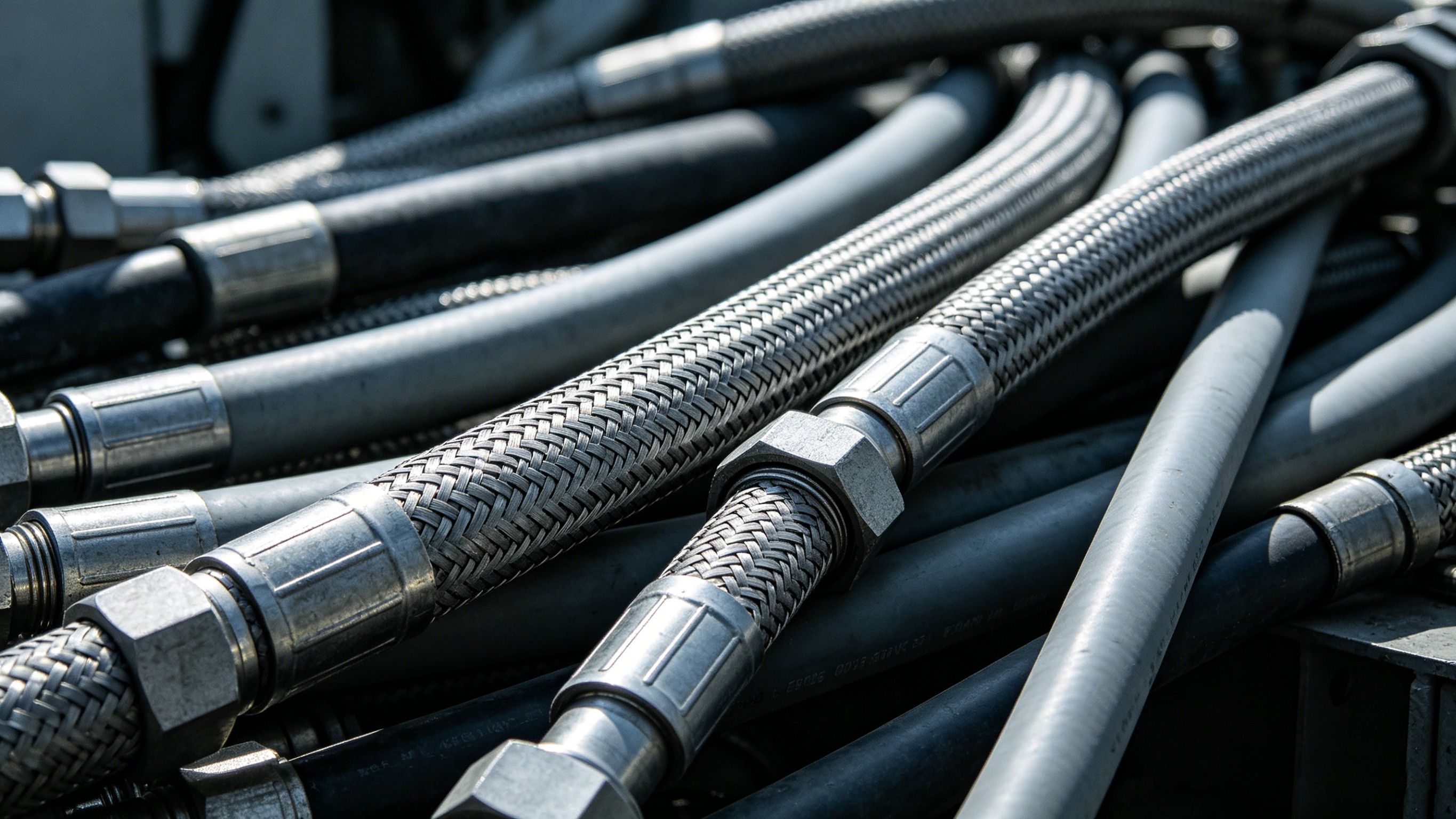
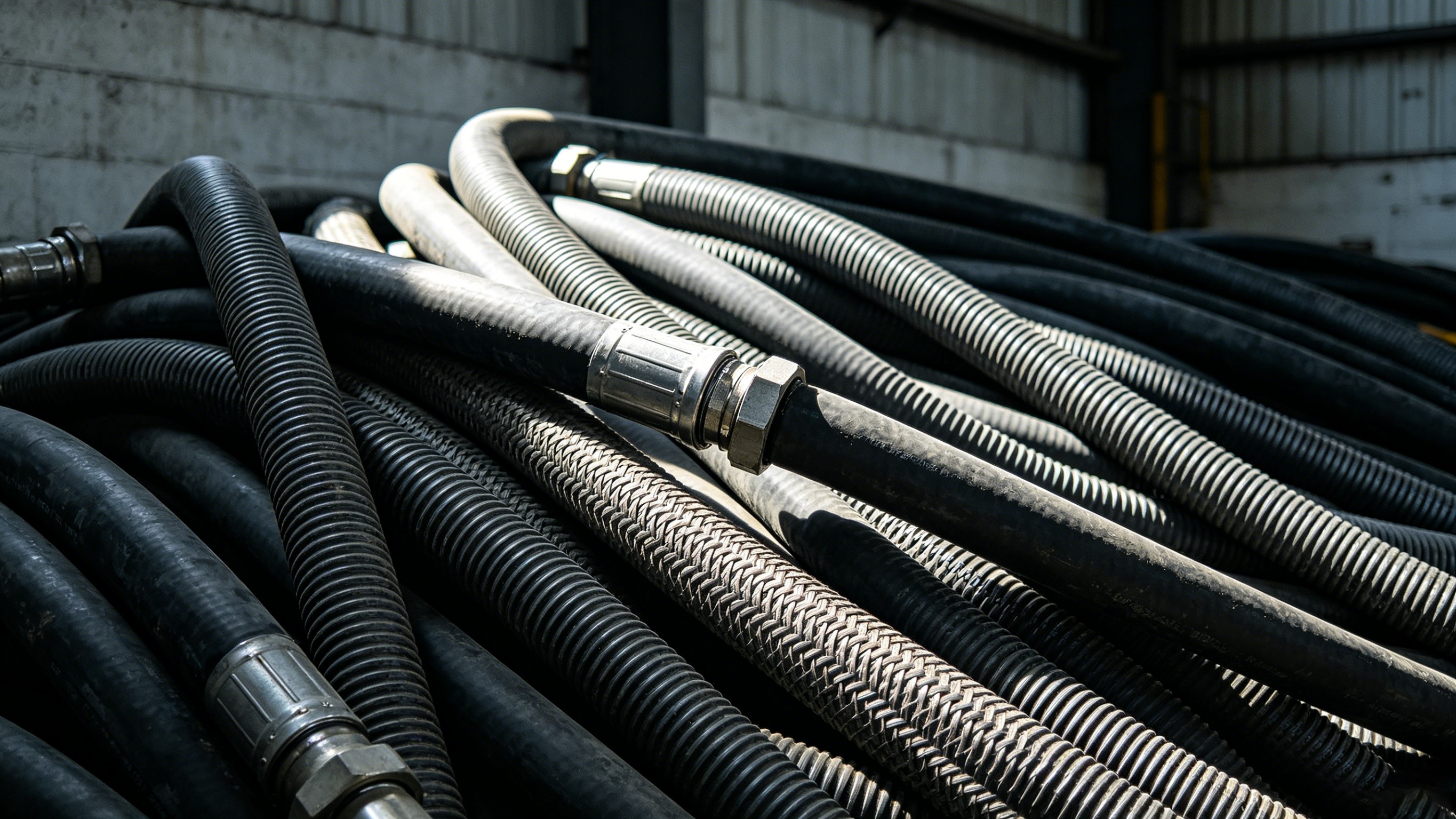
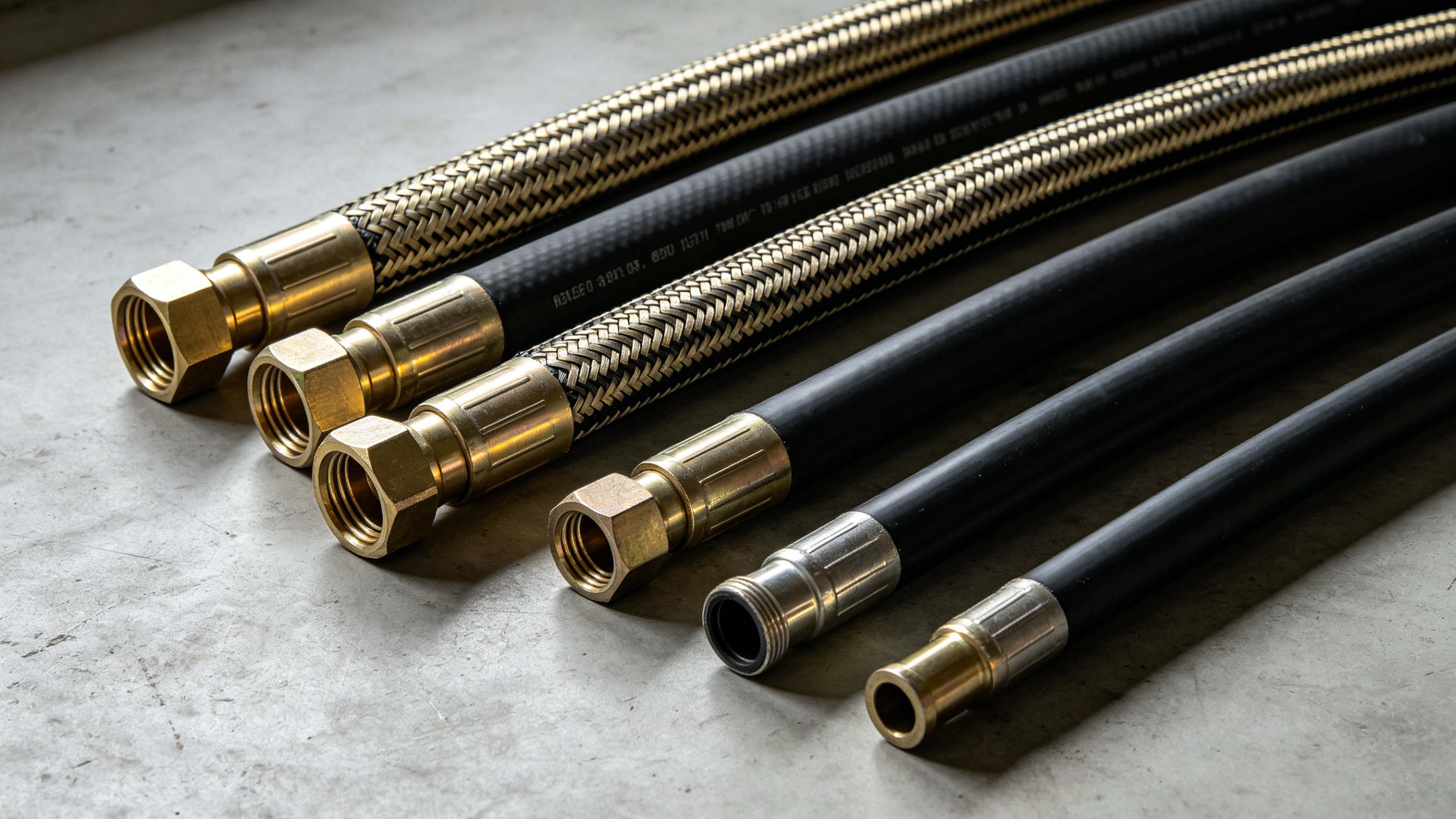
Industrial hoses are critical components in hydraulic systems, cleaning equipment, ventilation, and fluid handling. A worn or damaged hose can cause leakage, pressure loss, equipment downtime, and—in high-pressure applications—serious safety risks. Regular inspection and proper maintenance extend hose service life, reduce replacement costs, and keep your systems running safely and efficiently. This guide covers the key signs of hose failure and practical maintenance tips for nylon, PU, ultra-high-pressure, and TPV hoses.
2. Five Signs Your Hose Needs Replacement
- Cracks, cuts, or abrasion on the outer cover
Surface damage exposes the reinforcement layer to moisture, chemicals, and mechanical wear. Deep cuts or widespread cracking mean the hose should be replaced. - Bulging or deformation
A bulge indicates internal damage to the reinforcement layer, often caused by over-pressurization, kinking, or fatigue. Bulging hoses can fail suddenly under pressure and must be replaced immediately. - Leakage at fittings or along the hose body
Leaks at the fitting connection may indicate loose crimping, damaged seals, or thread wear. Leaks along the body suggest cracks or pinholes. Any leakage in a high-pressure hose is a safety concern. - Stiffness, hardening, or swelling
Hoses that become stiff, hard, or swollen may have absorbed chemicals or suffered heat aging. Material degradation reduces flexibility and pressure resistance. - Kinks, flattening, or reduced flow
Persistent kinks or a flattened cross-section restrict flow and stress the reinforcement. If the hose does not recover its shape, replace it.
3. Common Causes of Hose Failure
Over-pressurization: Exceeding the rated working pressure or pressure surges;
Excessive bending or kinking: Bending tighter than the minimum radius;
Abrasion and mechanical damage: Dragging, rubbing against sharp edges, or impact;
Chemical incompatibility: Exposure to media or cleaning agents that degrade the hose material;
Temperature extremes: Operating above or below the rated temperature range;
Improper fitting installation: Incorrect crimping, over-tightening, or mismatched fittings;
Poor storage: Sunlight, heat, moisture, and sharp objects during storage.
4. Maintenance Tips by Hose Type
Nylon resin high-pressure hoses: Avoid tight bending and protect from abrasion; check fittings for leaks and stress; keep away from sharp edges and excessive heat.
Nylon resin pressure-testing hoses: Purge air before testing, avoid over-tightening fittings, protect small-diameter hoses from kinking, and recalibrate gauges regularly.
PU steel wire duct hoses: Route with gentle curves and support to prevent kinking and wire fatigue; clean dust buildup; check for wire exposure and wall damage.
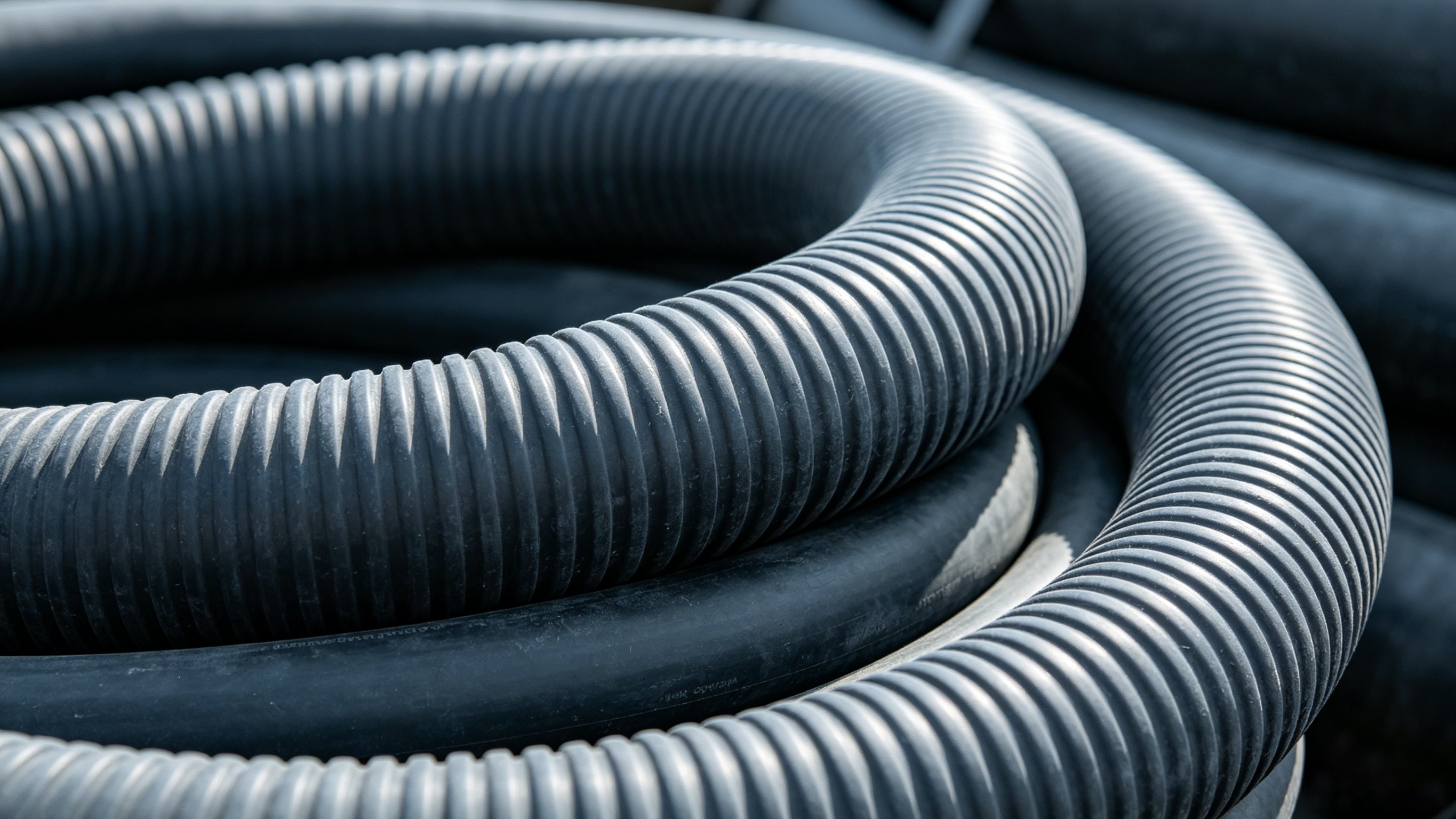
PU ribbed hoses: Avoid sharp bends and over-stretching; check rib deformation and blockage; clean regularly to maintain airflow.
Ultra-high-pressure cleaning hoses: Inspect before each use for abrasion, cuts, bulging, and fitting damage; never exceed rated pressure or temperature; use protective sleeves where the hose contacts rough surfaces.
TPV rubber hoses: Check for cracks, swelling, and abrasion; use proper clamps without over-tightening; respect temperature and pressure limits; store away from prolonged sunlight and heat.
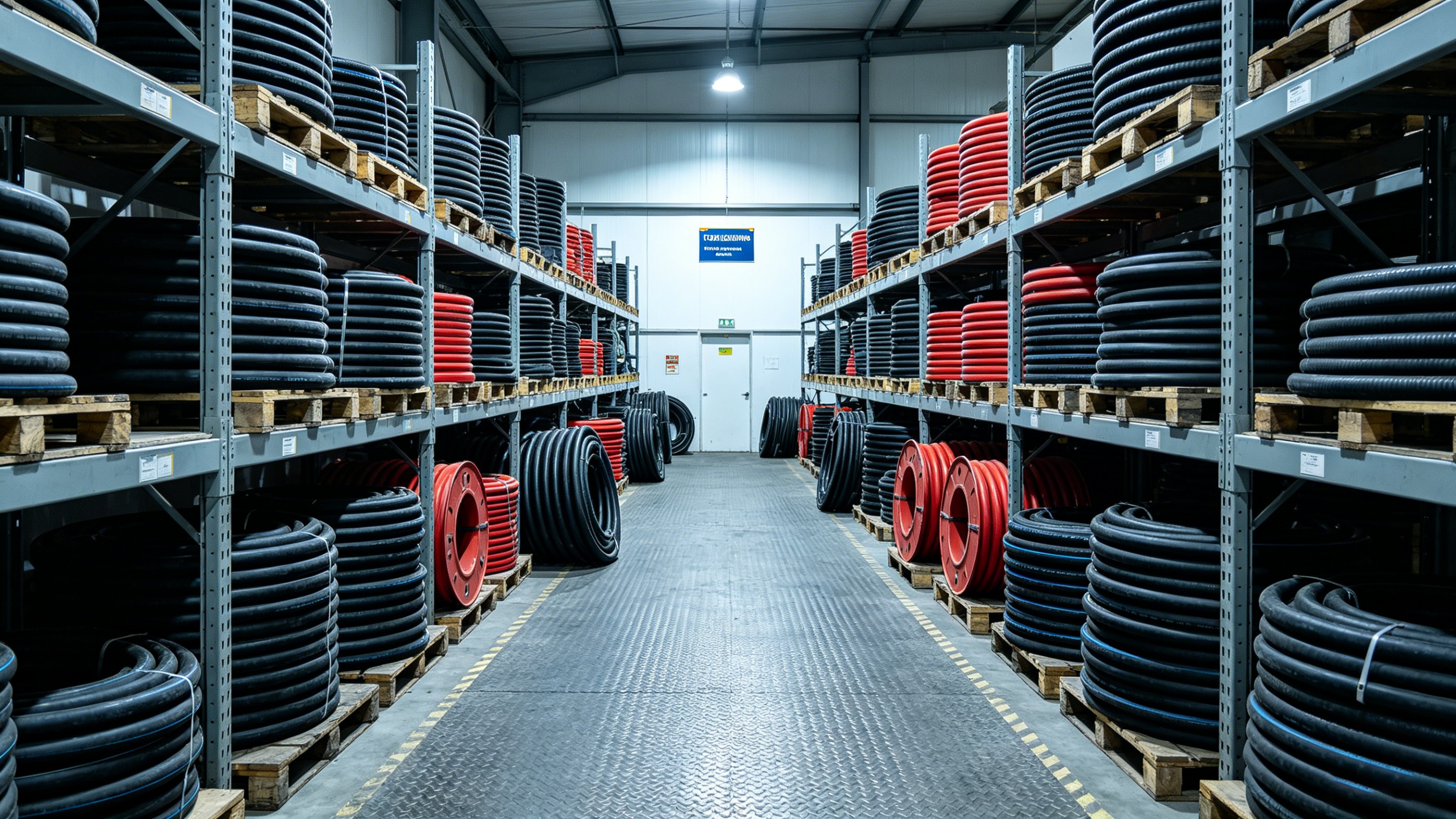
5. Proper Storage Practices
Coil hoses loosely without sharp bends;
Store in a clean, dry, shaded place away from sunlight and heat sources;
Avoid stacking heavy objects on hoses;
Keep hoses away from sharp edges, chemicals, and ozone sources;
Use caps or plugs to keep debris out of the bore.
6. Building a Simple Inspection Routine
Daily/pre-use: Visual check for cuts, abrasion, bulging, and leaks;
Weekly: Check fittings, clamps, and connection tightness;
Monthly: Inspect hoses in demanding or high-cycle applications more thoroughly;
After any abnormal event: Inspect immediately after over-pressurization, impact, or chemical exposure.
Record inspection results and replacement dates to track hose life and plan replacements before failure occurs.
7. Conclusion
Regular inspection and proper maintenance are the most effective ways to prevent hose failure and extend service life. Watch for cracks, bulges, leaks, stiffness, and kinks, address the root causes of damage, and follow storage and handling best practices for each hose type. When in doubt, replace the hose—safety and reliability are always worth the investment. Our technical team can help you select the right replacement hose for your application.
Our factory specializes in producing nylon resin high-pressure hoses, nylon resin pressure-testing hoses, PU polyurethane steel wire duct hoses, PU polyurethane ribbed hoses, ultra-high-pressure cleaning hoses, and TPV rubber hoses. We welcome your inquiries and cooperati