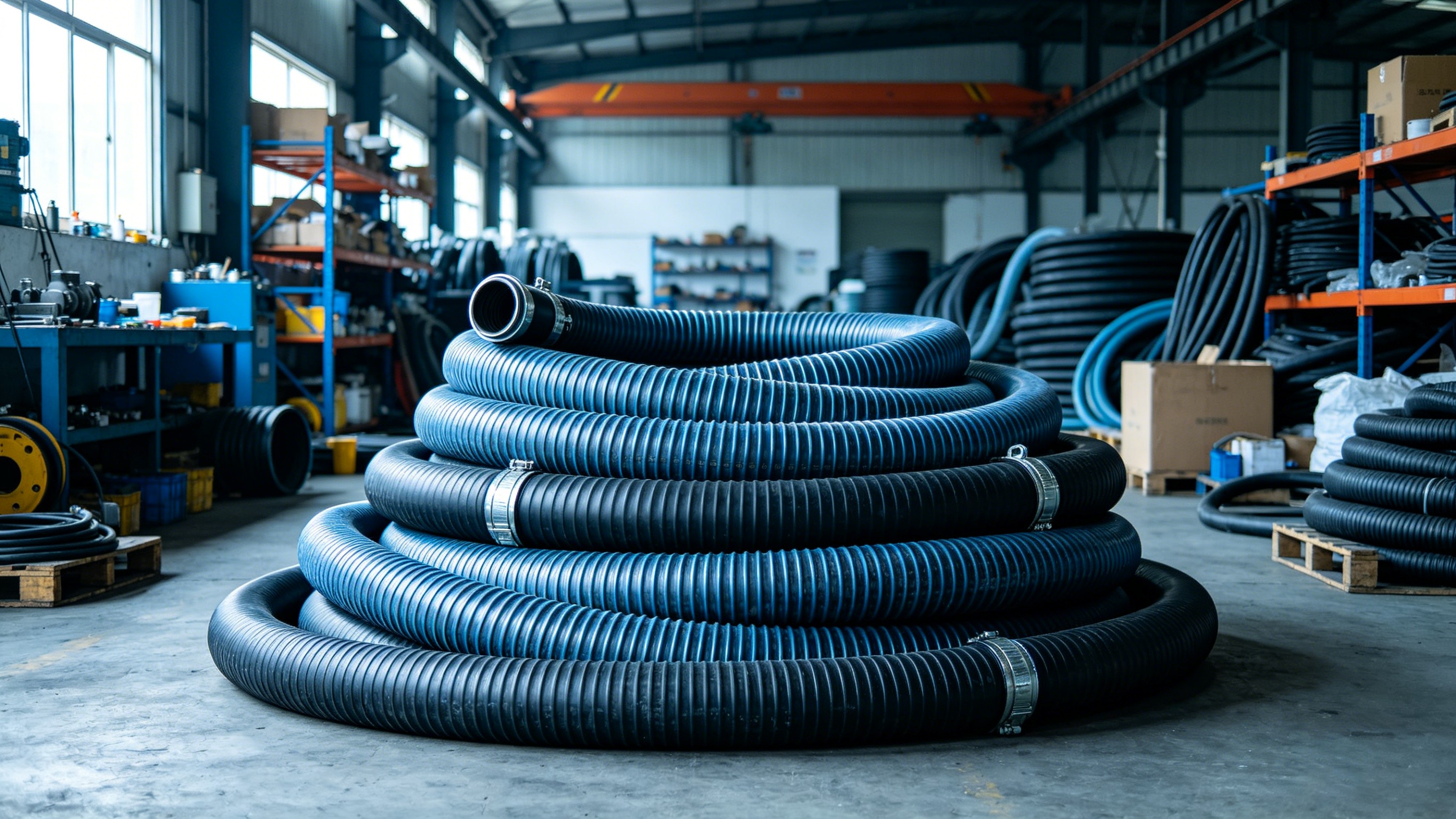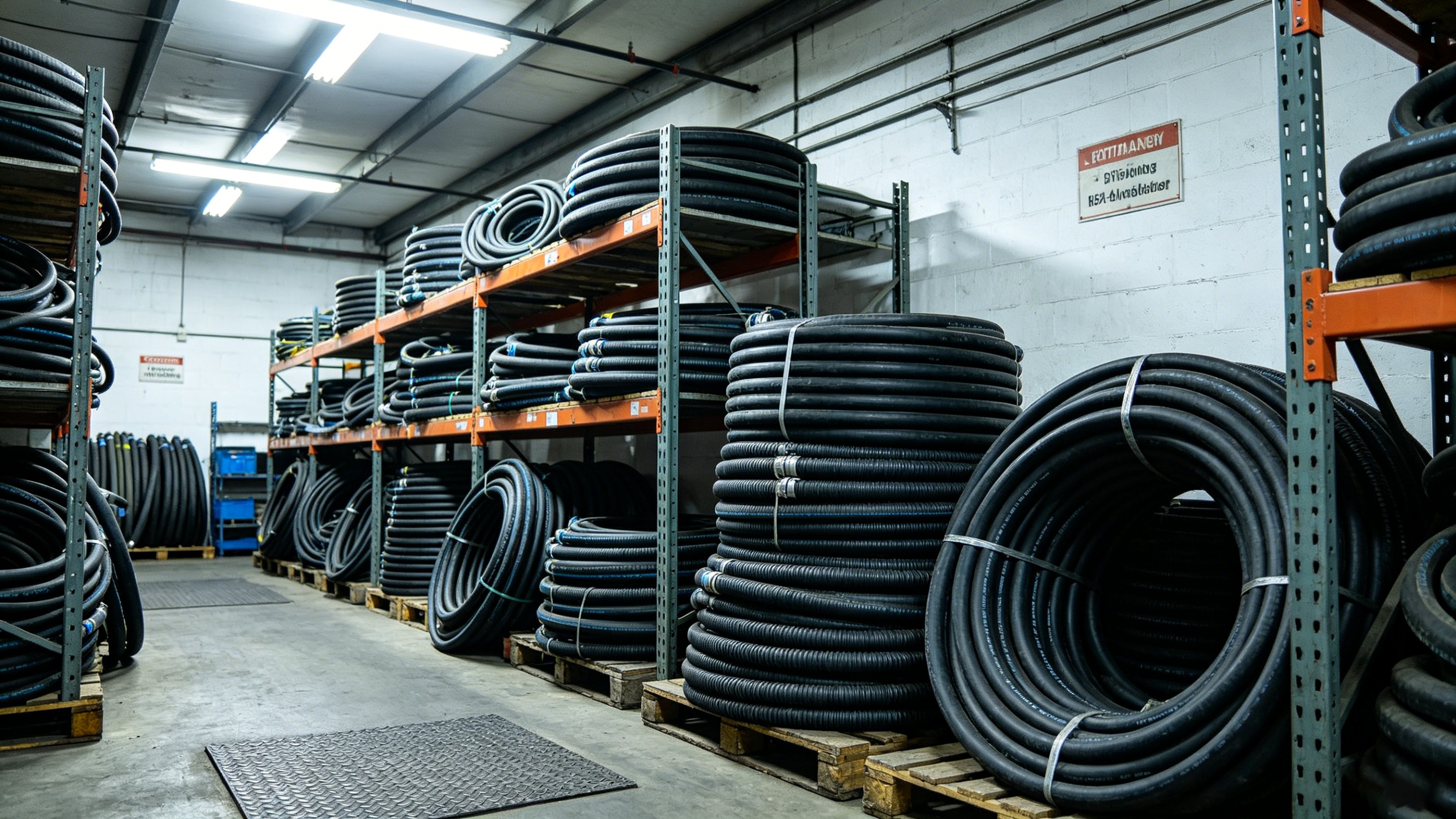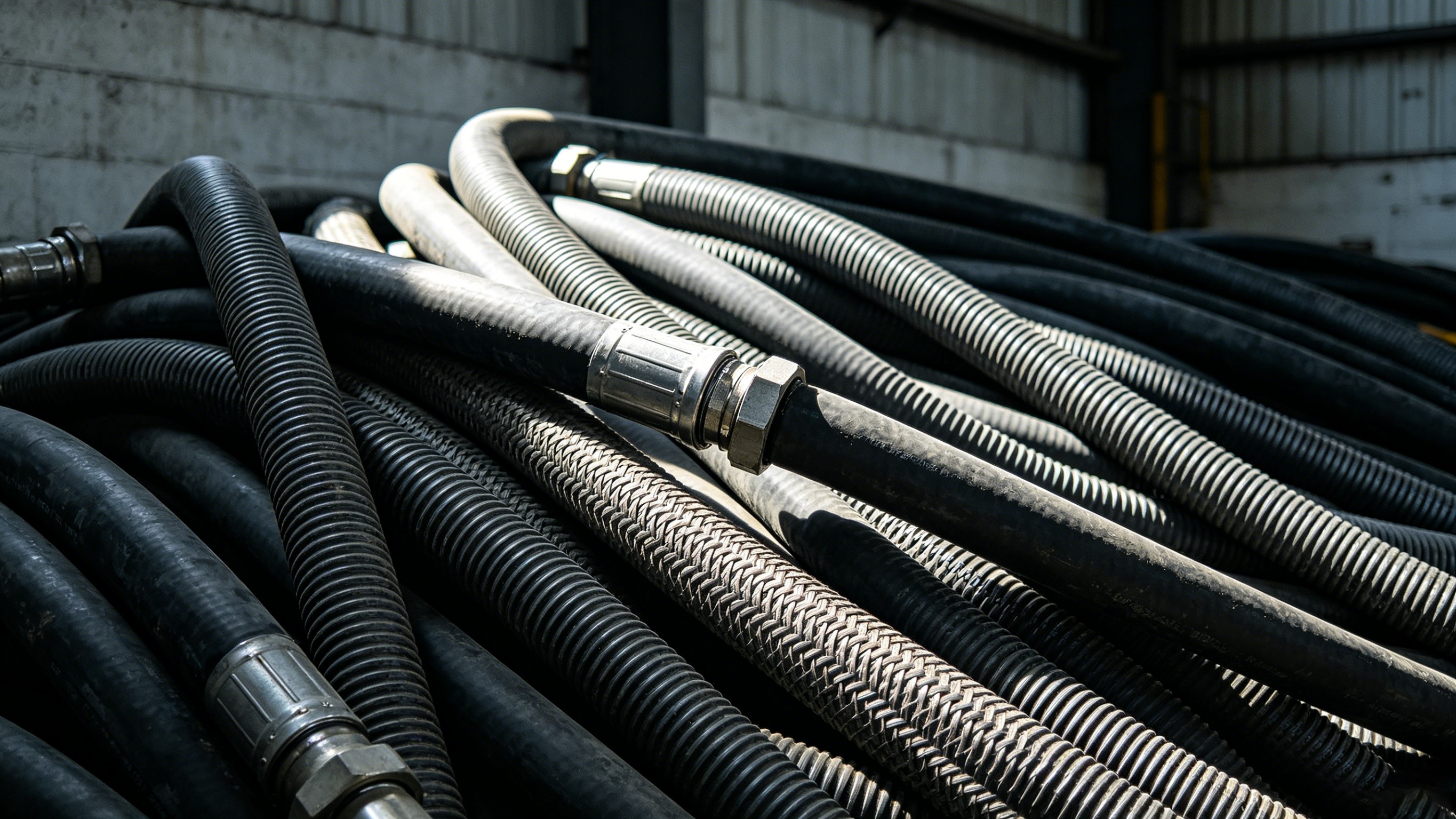
High-Pressure Paint Spray Hoses: Structure, Safety, and Selection for Stable Coating Performance
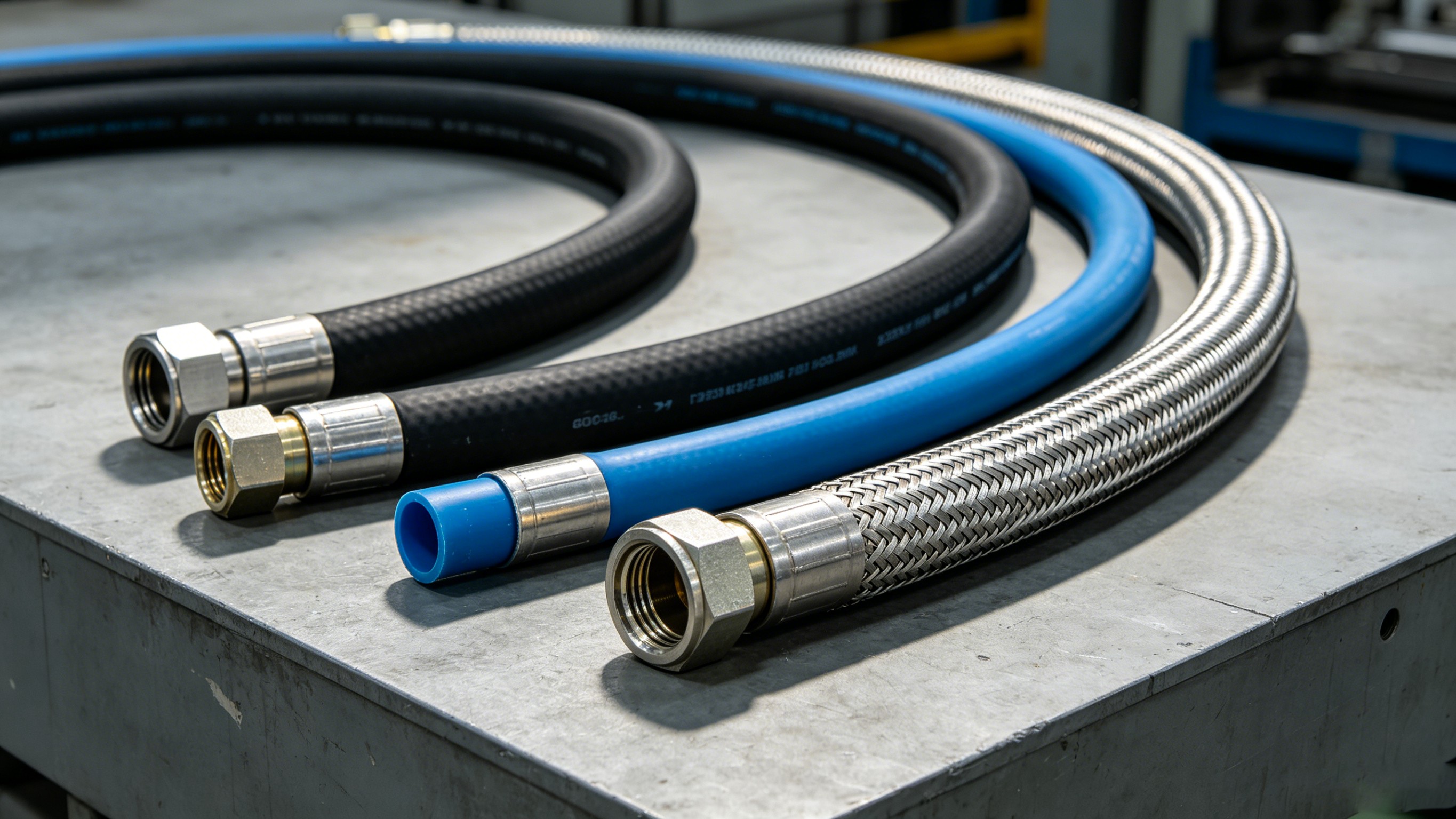
In painting and coating operations, the spray hose is more than just a pipeline. It directly affects atomization stability, coating quality, operator safety, and equipment efficiency. Whether the application involves architectural airless spraying, automotive painting, industrial anti-corrosion coating, or furniture surface finishing, the hose must withstand high pressure, resist solvents, maintain flexibility, and prevent static buildup.
As a factory specializing in industrial hoses, we supply high-pressure paint spray hoses for airless sprayers, coating lines, and industrial painting equipment.
Why High-Pressure Spray Hoses Require Special Design
Airless spraying systems pressurize paint, primer, varnish, solvent-based coatings, or water-based coatings through a high-pressure pump. The hose must handle continuous pressure, frequent pressure pulses, and chemical exposure from solvents and thinners. Ordinary hoses may swell, crack, leak, or fail under these conditions.
A proper high-pressure spray hose should provide:
Stable pressure transmission for consistent atomization;
Good chemical resistance to paints, solvents, and cleaning agents;
Low pressure loss across long hose lengths;
Anti-static or conductive design to reduce static discharge risk;
Sufficient flexibility for easy handling on job sites.
Common Structures of High-Pressure Spray Hoses
High-pressure paint spray hoses are typically built with three layers:
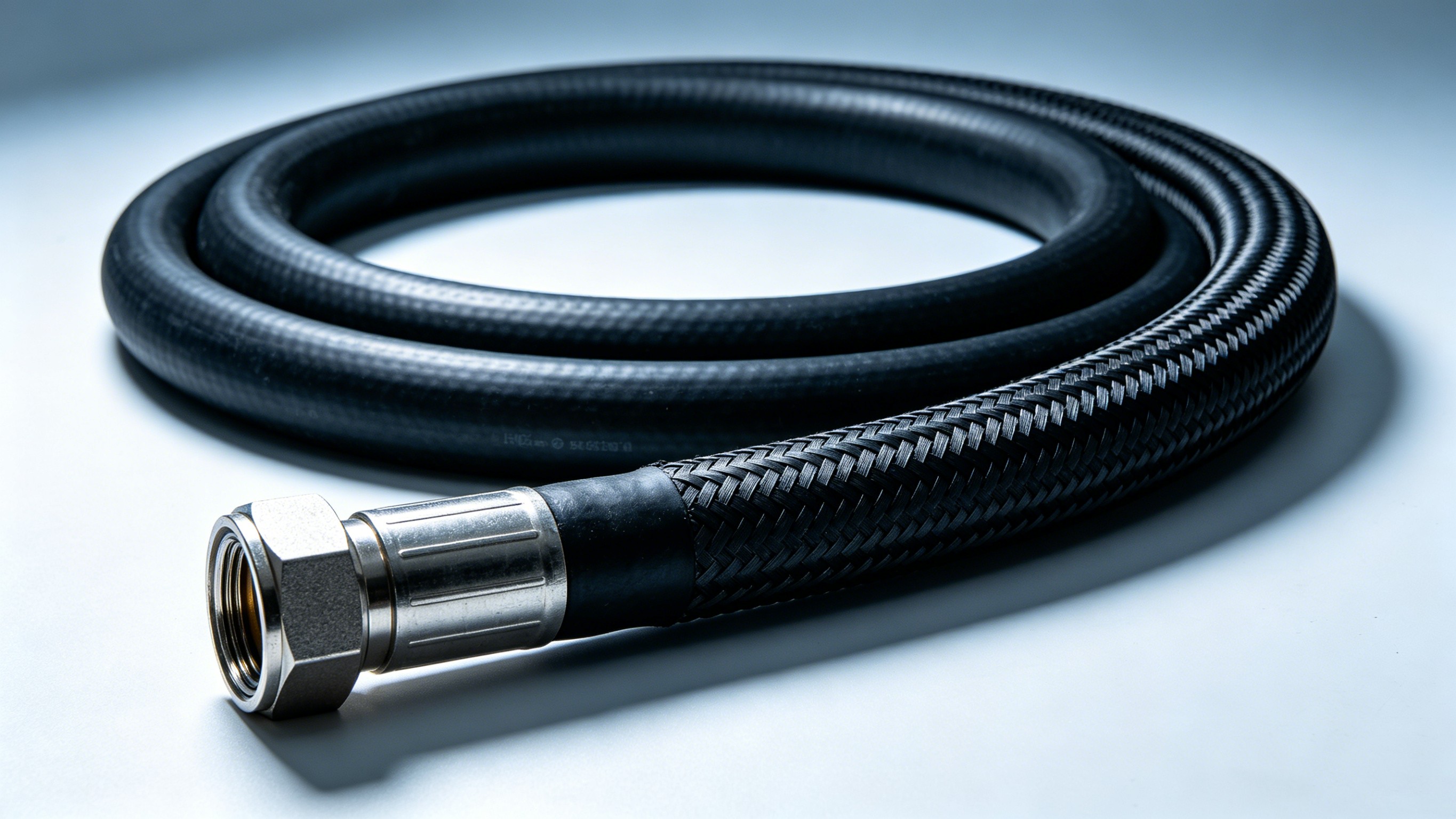
Inner tube: Made of nylon, polyurethane, rubber, or PTFE, depending on media compatibility. The inner surface should be smooth to reduce flow resistance and pressure drop.
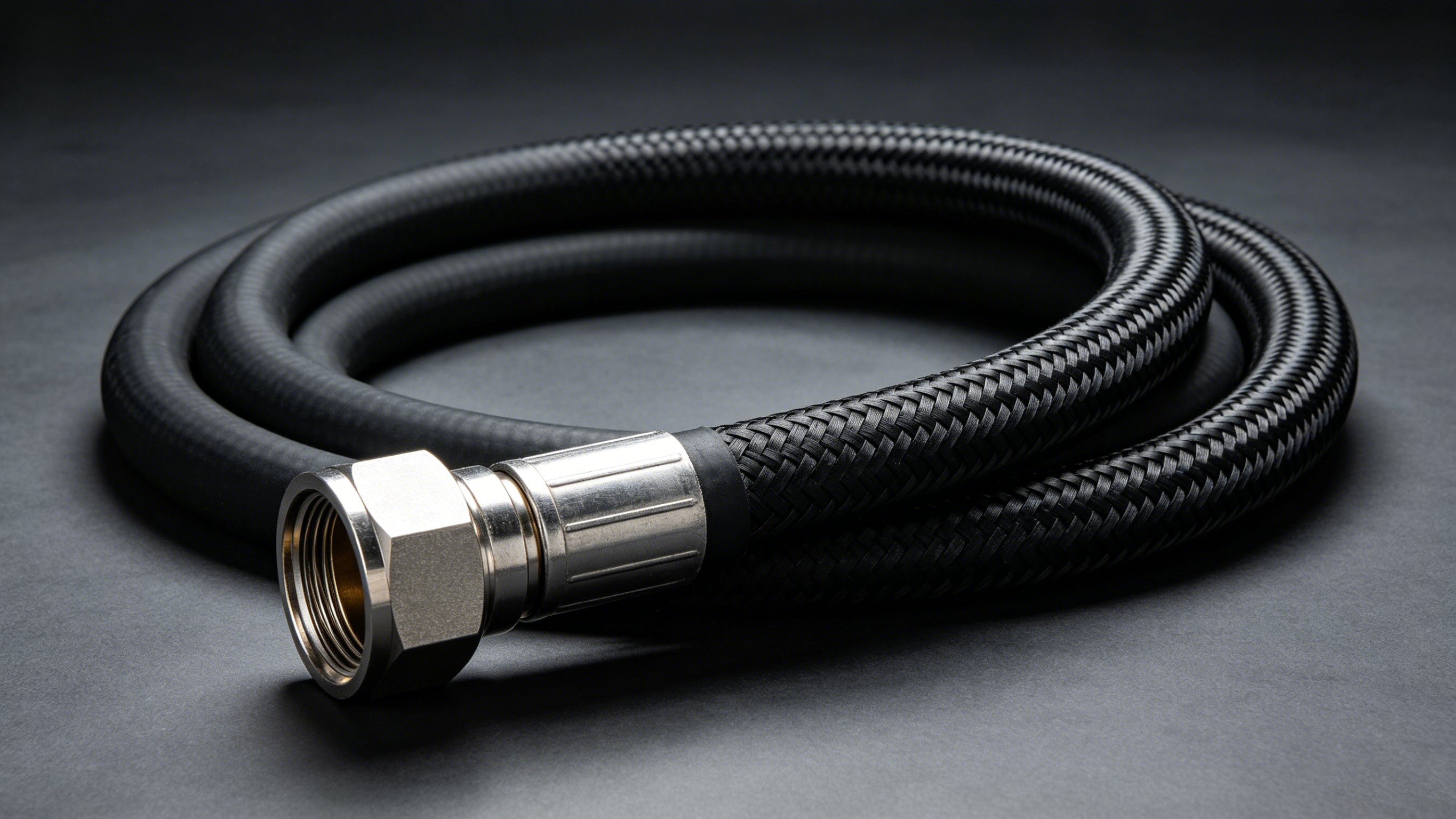
Reinforcement layer: Usually steel wire braid, aramid fiber, or textile reinforcement. This layer determines pressure resistance and pulse durability.
Outer cover: Often polyurethane or synthetic rubber, providing abrasion resistance, weather resistance, and protection against job-site damage.
For airless paint spraying, nylon inner tubes with steel wire or fiber reinforcement are widely used because they combine high pressure resistance with relatively low weight and good flexibility.
Key Selection Factors
1. Working pressure and pulse resistance
The hose working pressure must match the sprayer output. Airless spraying systems can generate very high fluid pressures, and pressure pulses occur during pump operation. The hose should have a sufficient safety margin above the system’s maximum working pressure.
2. Media compatibility
Different coatings and solvents have different chemical properties. Solvent-based paints, epoxy coatings, polyurethane coatings, and cleaning agents may attack unsuitable inner tubes. Nylon, PU, rubber, and PTFE each have different compatibility profiles, so the inner material should be matched to the actual media.
3. Anti-static and grounding requirements
Static electricity can build up when paint or solvent flows through a hose at high speed. For solvent-based coatings and enclosed spraying environments, conductive or anti-static hoses with proper grounding are strongly recommended to reduce ignition risk.
4. Flexibility and bend radius
Spray hoses are frequently moved, dragged, and coiled on site. A hose that is too stiff increases operator fatigue and may kink under tight bends. Good flexibility and a small minimum bend radius help maintain stable flow and extend service life.
5. Length and inner diameter
Longer hoses increase flow resistance and pressure loss. The inner diameter should be selected according to pump flow, hose length, number of spray guns, and coating viscosity. If the diameter is too small, atomization may become unstable; if it is too large, the hose becomes heavier and harder to handle.
Typical Application Scenarios
Airless architectural spraying: Exterior walls, interiors, ceilings, and large-area coating projects.
Automotive and industrial painting: Primer, topcoat, anti-corrosion paint, and solvent-based coatings.
Furniture and wood surface coating: Varnish, PU paint, NC paint, and water-based finishes.
Industrial anti-corrosion and heavy-duty coating: Steel structures, pipelines, tanks, and marine equipment.
Plaster, mortar, and thick-material spraying: Requires hoses with larger inner diameter and stronger abrasion resistance.
Factory Supply and Custom Support
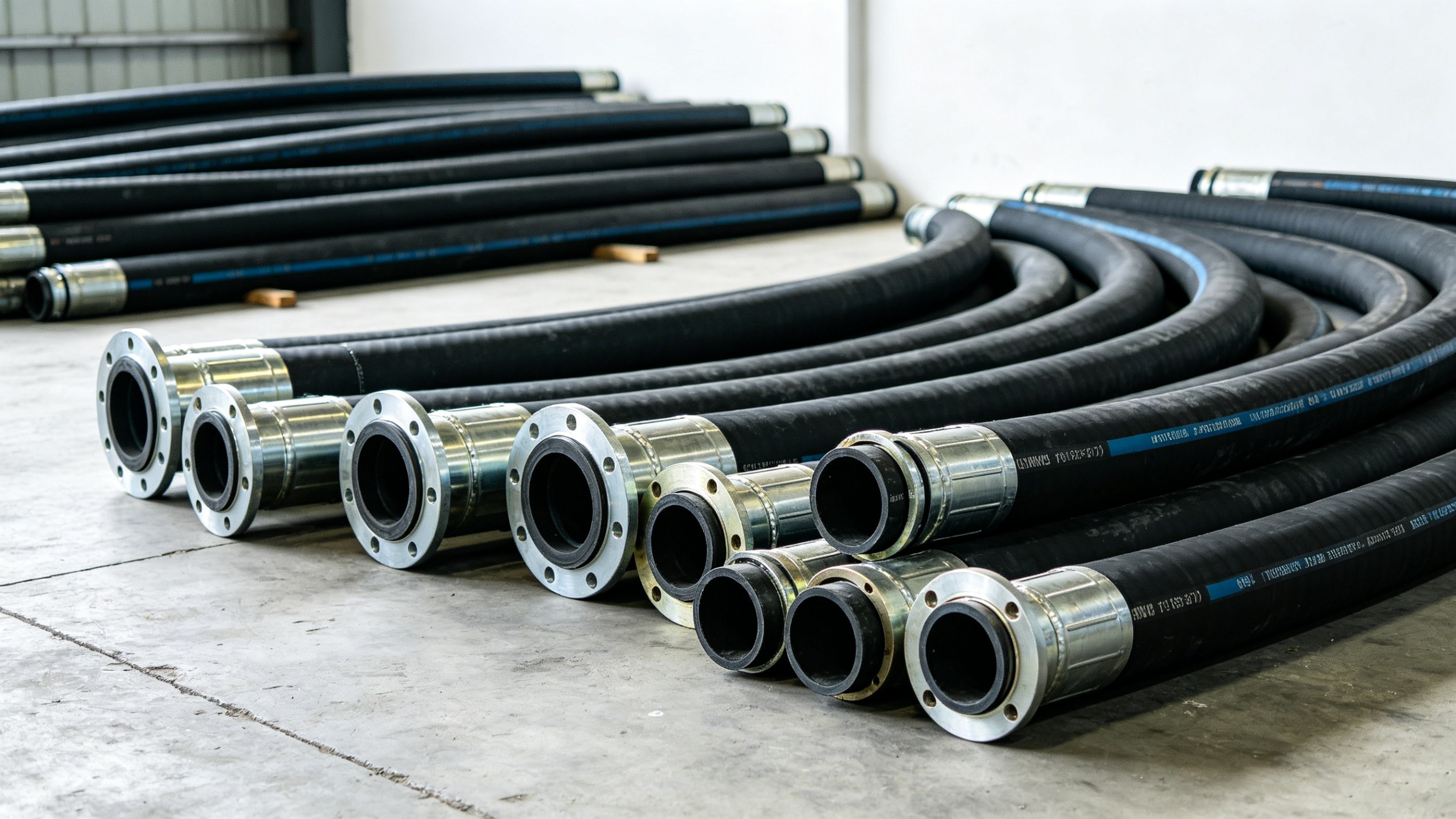
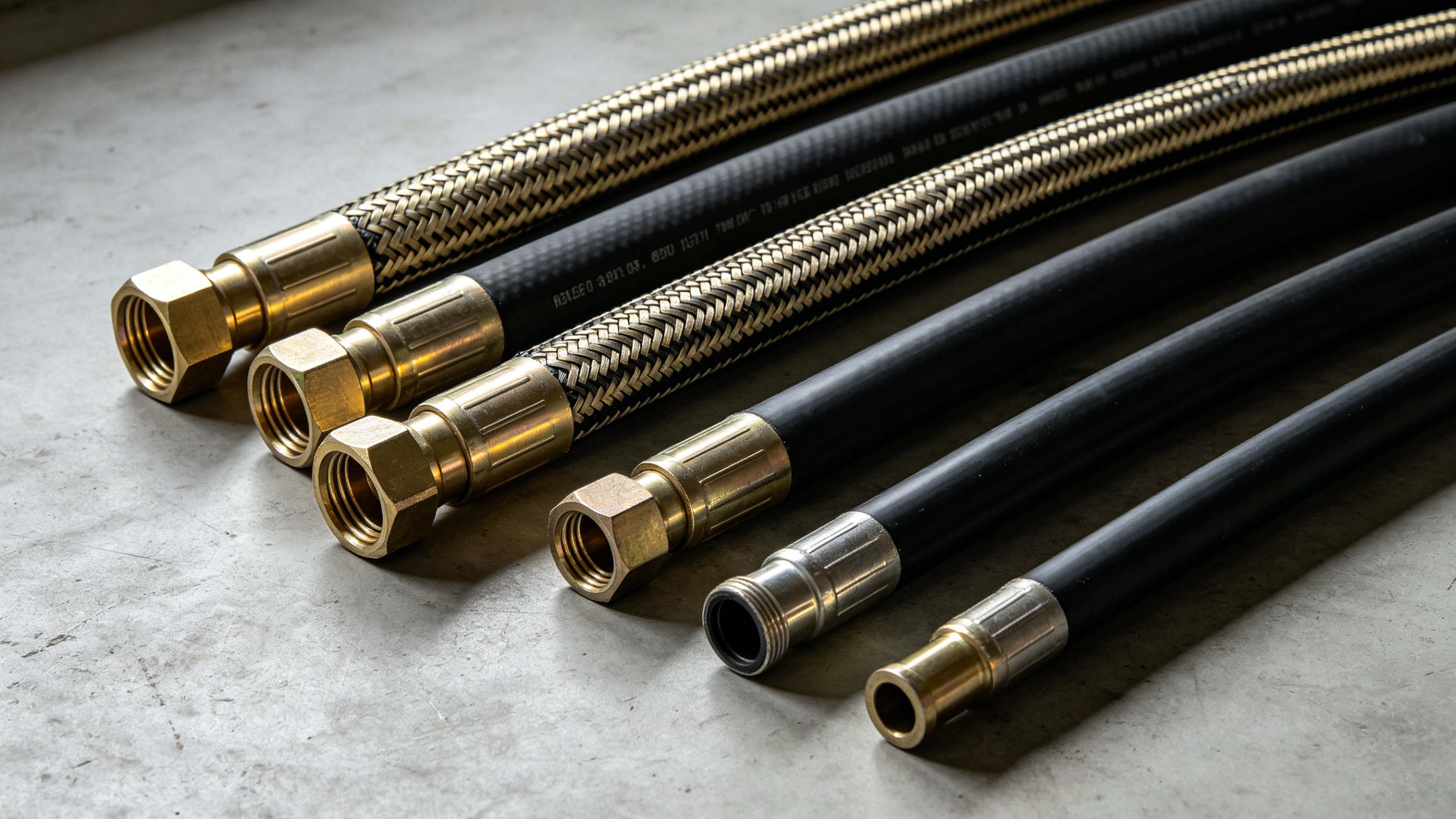
We can supply high-pressure paint spray hoses in various inner diameters, pressure ratings, lengths, and fitting types. Options include nylon resin high-pressure hoses, PU-covered spray hoses, steel wire reinforced hoses, fiber reinforced hoses, and anti-static versions for solvent-based coating systems.
If you need product descriptions, application case posts, or short technical articles for your overseas store or social media, we can also provide concise English and Chinese versions without tables.
If you share the sprayer type, working pressure, coating media, hose length, and fitting requirements, we can help recommend a suitable spray hose configuration.